













Titanium vs Zirconium for Acetic Acid: The Ultimate Engineering Comparison
In the aggressive world of chemical processing, selecting the wrong alloy for acetic acid (CH3COOH) service leads to catastrophic failure. As a Senior Chemical Process Metallurgist at China Titanium Factory, I have seen plants lose millions in downtime due to stress corrosion cracking (SCC) in substandard alloys.
While stainless steels often fail in concentrated or high-temperature acetic acid, Titanium and Zirconium stand as the two dominant reactive metals. Choosing between them requires a deep understanding of the chemical environment, temperature thresholds, and the presence of oxidizing or reducing agents.
Corrosion Resistance: Performance in Pure vs Contaminated Acetic Acid
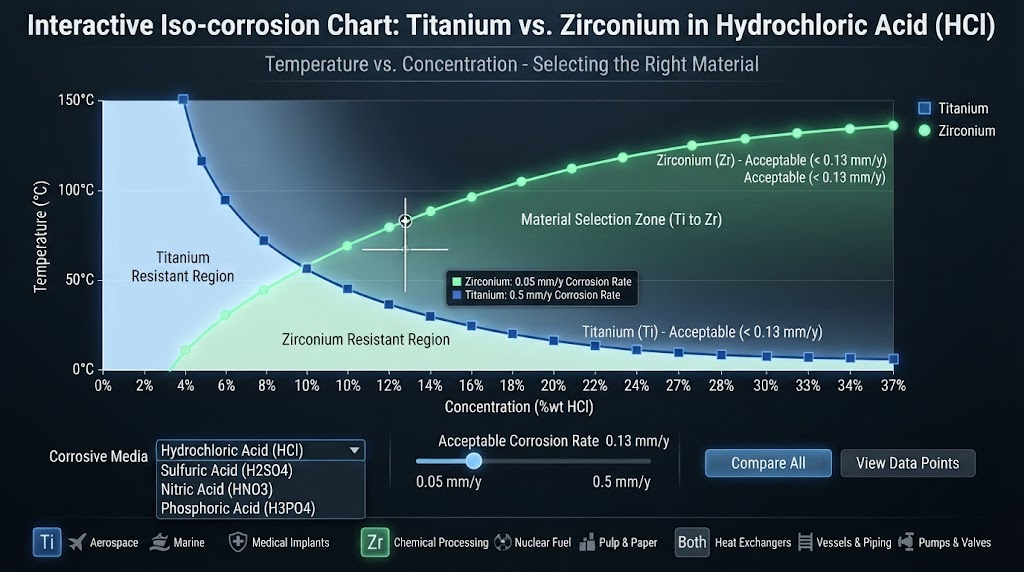
For pure acetic acid at temperatures below 150°C, Titanium Grade 2 is highly effective; however, for anhydrous or high-temperature concentrated solutions, Zirconium 702 is the gold standard due to its superior resistance to reducing conditions.
Titanium relies on a stable TiO2 passivation layer. This layer remains robust in oxidizing environments but can be challenged in strictly reducing, anhydrous acetic acid. In contrast, Zirconium forms a ZrO2 film that is exceptionally stable across the entire pH range and remains nearly inert in acetic acid up to 250°C.
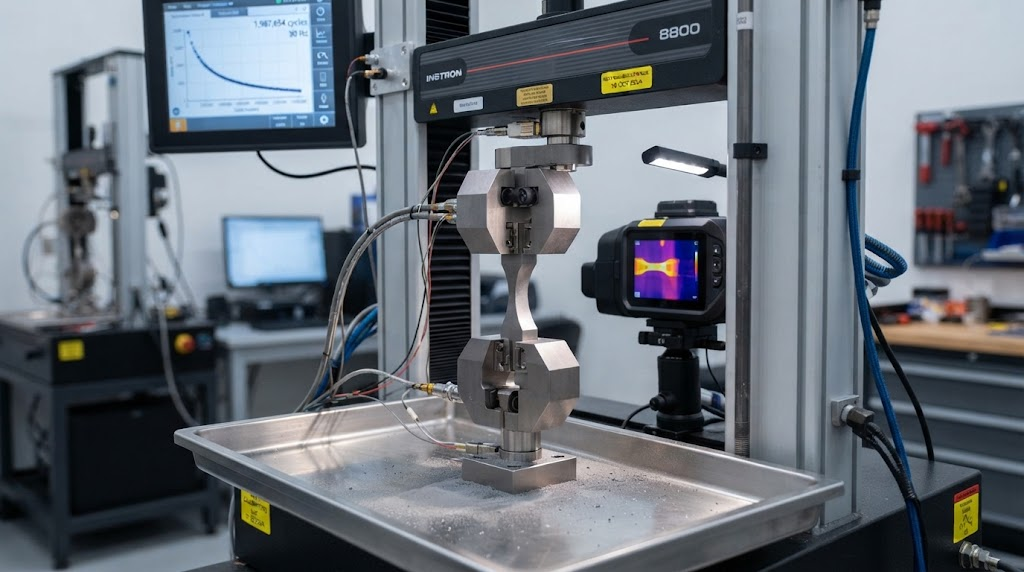
Based on our CNC production data and laboratory testing, the presence of impurities changes the selection criteria:
Oxidizing Agents: If the process contains ferric or cupric ions, Titanium's corrosion resistance actually improves.
Reducing Impurities: Formic acid or anhydrous conditions favor Zirconium 702.
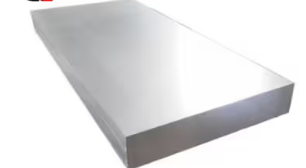
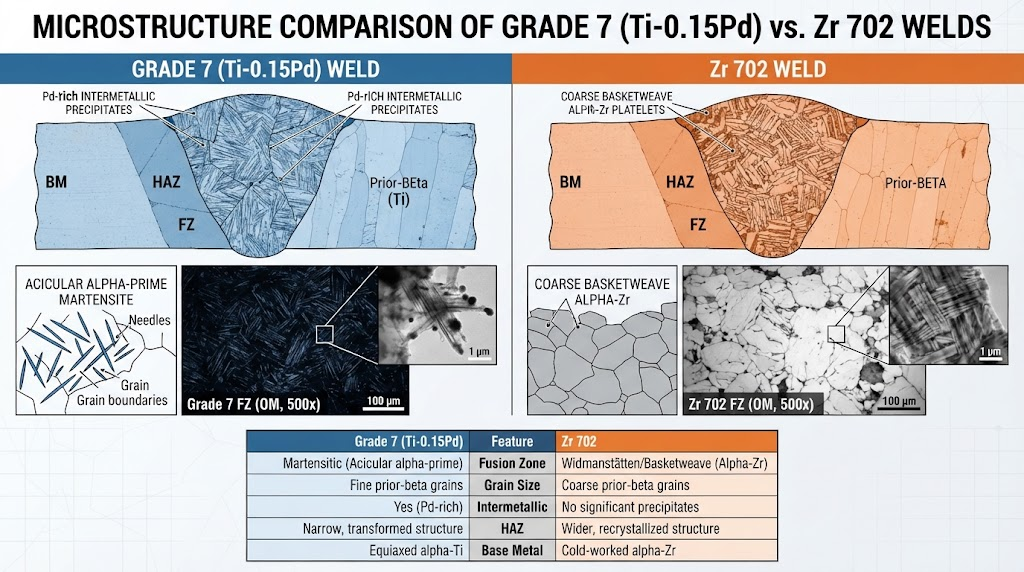
Chlorides/Bromides: These can cause pitting in standard Titanium. We typically recommend Titanium Grade 7 Plates for these scenarios to leverage the palladium-enhanced acid resistance.
Engineering Insight: According to ASTM International standards for reactive metals, Titanium Grade 2 should maintain at least 500 ppm of water to ensure self-healing of the oxide layer in acetic acid service.
The CTF Lifecycle Value Matrix: A Proprietary Selection Framework
To assist procurement managers, we developed the CTF Lifecycle Value Matrix. This framework moves beyond initial price to evaluate the "Service-Year-to-Cost" ratio.
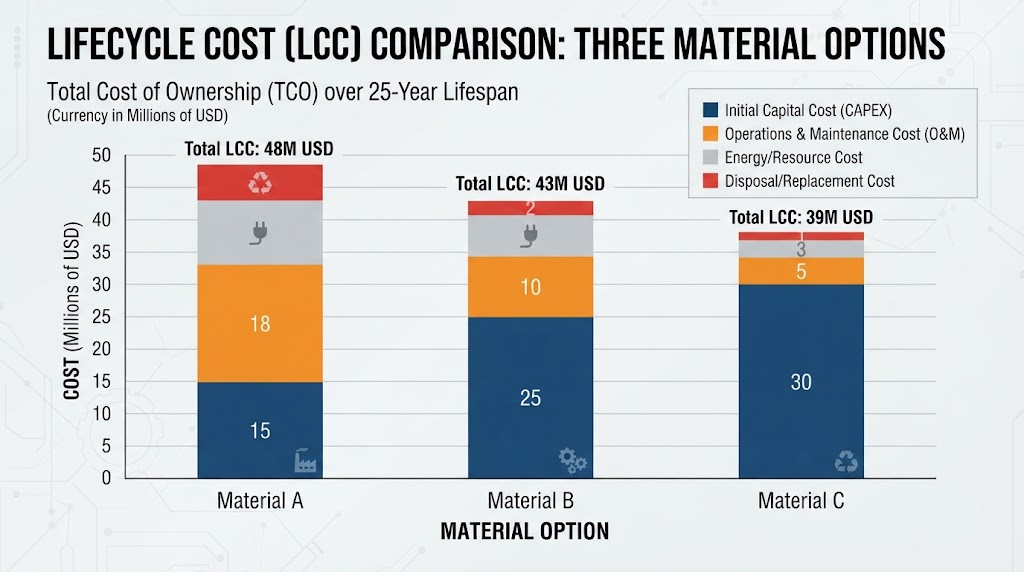
We weigh three critical variables: Concentration (C), Temperature (T), and Pressure (P). In 2026, our data indicates that while Zirconium has a 3x higher initial CAPEX than Titanium, its service life in 99% acetic acid at boiling temperatures is 5x longer, yielding a superior ROI over a 20-year plant lifecycle.
Mechanical Properties and Fabrication Nuances
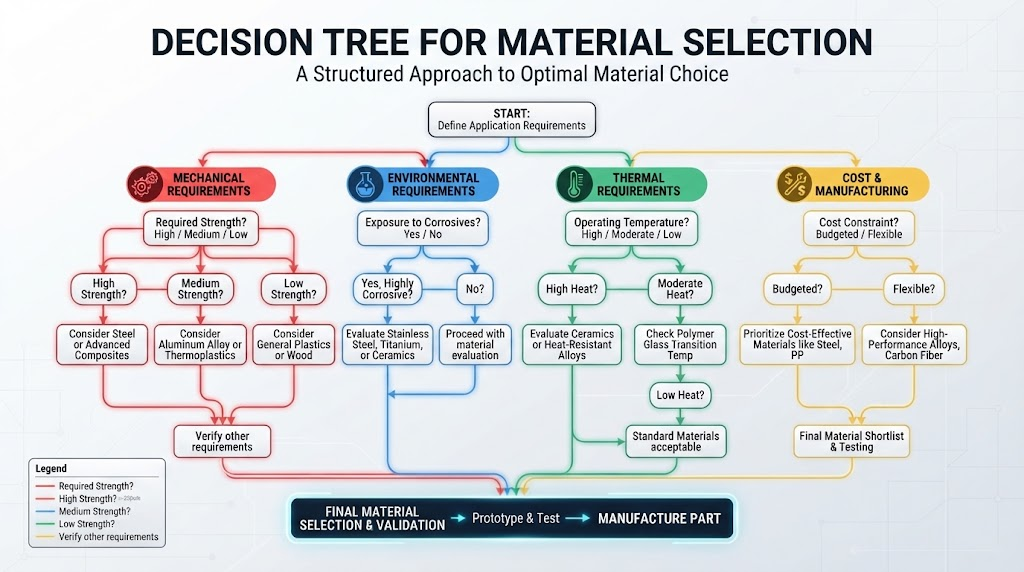
Fabrication complexity often dictates the final project cost. Zirconium 702 (ASTM B551/B523) and Titanium Grade 2 (ASTM B265/B338) have distinct mechanical profiles.
| Property | Titanium Grade 2 | Zirconium 702 |
|---|---|---|
| Density (g/cm³) | 4.51 | 6.51 |
| Yield Strength (MPa) | 275 | 205 |
| Thermal Cond. (W/m-K) | 21.7 | 22.7 |
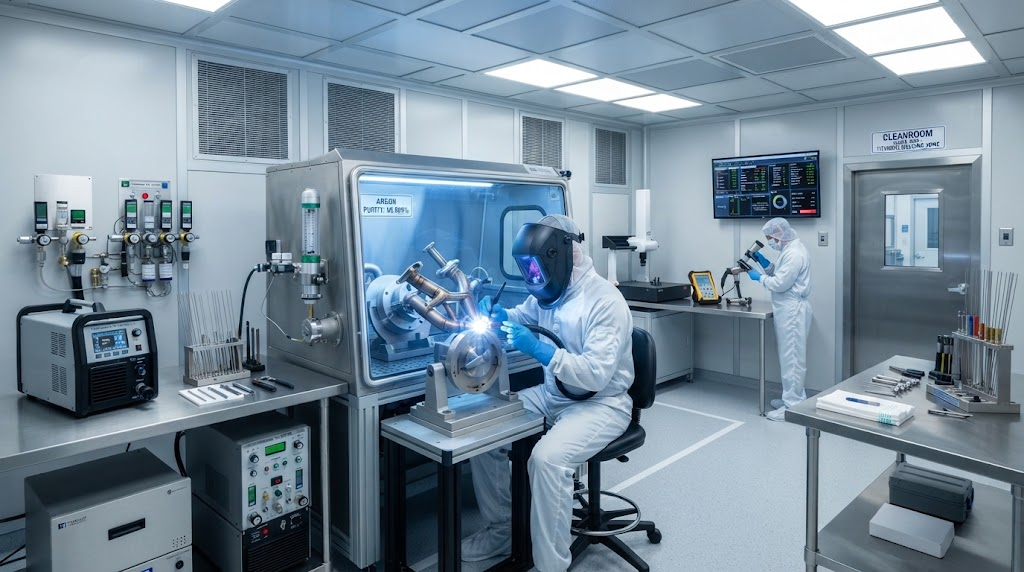
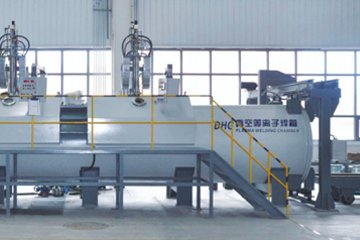
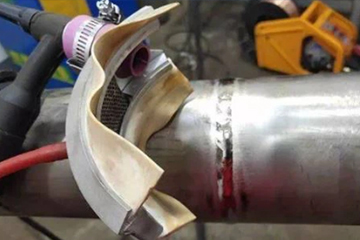
Zirconium is heavier and requires specialized vacuum welding or extremely strict inert gas shielding to prevent oxygen embrittlement. For Zirconium 702 Heat Exchanger Tubes, we utilize ISO 9001:2015 certified orbital welding processes to ensure zero-defect joints.
Economic Analysis: CAPEX, OPEX, and Total Cost of Ownership (TCO)
In 2026, the market for reactive metals has stabilized, but Zirconium remains a premium investment. The Total Cost of Ownership (TCO) for a Zirconium reactor in a PTA (Purified Terephthalic Acid) plant is often lower than Titanium because it eliminates the need for frequent corrosion inspections and chemical dosing to maintain the passive film.
Titanium price volatility is generally lower than Zirconium. For projects with tight initial budgets and moderate temperatures, Titanium Grade 12 (Ti-0.3Mo-0.8Ni) provides a middle ground, offering better resistance than Grade 2 at a fraction of the Zirconium cost.
Decision Guide: When to Choose Titanium vs Zirconium
Based on our global supply chain data at China Titanium Factory, use this checklist for your next procurement cycle:
Choose Titanium (Gr 2, 7, or 12) if: Temperature is <150°C, oxygen or oxidizing ions are present, or chlorides are the primary contamination concern.
Choose Zirconium (702) if: Temperature is >150°C, the environment is strictly reducing (anhydrous), or the acetic acid is mixed with strong mineral acids like H2SO4 or HCl.
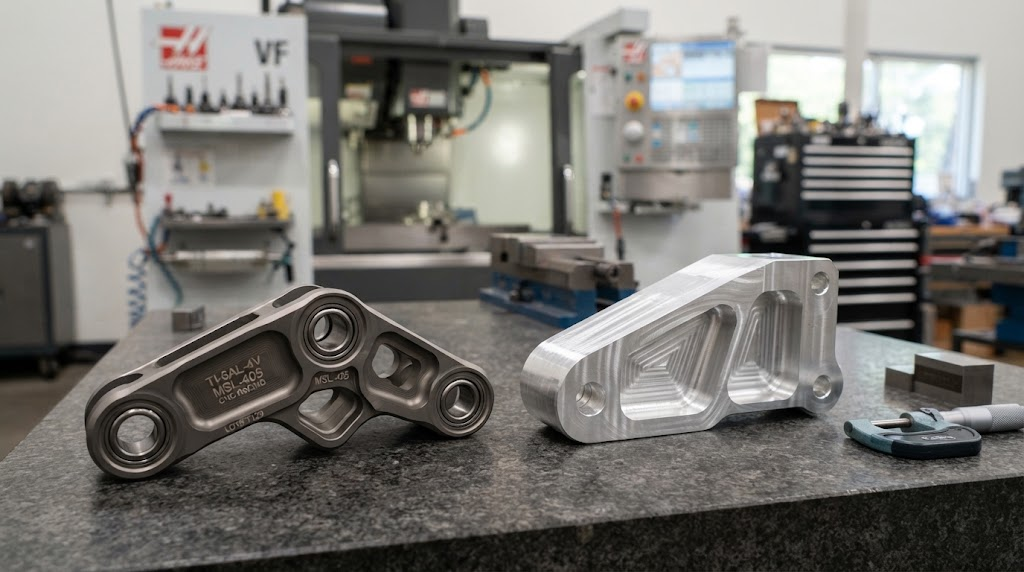
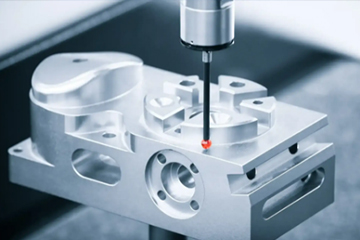
For complex components, our Titanium CNC Machining Services provide the precision required for high-pressure valve bodies and pump impellers used in these corrosive streams.
Case Study: Replacing Stainless Steel with Titanium Grade 12
A major chemical producer in Southeast Asia faced recurring failures in their 80% acetic acid recovery column. The original 316L stainless steel cladding suffered from severe pitting and SCC within 14 months of operation.
China Titanium Factory engineered a replacement using Titanium Grade 12. By utilizing a Ti-Mo-Ni alloy, we provided the necessary resistance to localized corrosion at a 40% lower cost than a Zirconium alternative. As of 2026, the unit has completed four years of service with zero measurable wall thinning.
Sustainability and ESG: Recyclability in the Titanium Industry
Both Titanium and Zirconium are 100% recyclable. However, Titanium has a more mature global recycling infrastructure. Choosing Titanium often aligns better with corporate ESG metrics due to the lower energy intensity required for processing scrap compared to Zirconium ore reduction.
At China Titanium Factory, we implement a closed-loop manufacturing system, ensuring that CNC swarf and offcuts are reprocessed into high-quality industrial ingots, reducing the overall carbon footprint of your chemical plant equipment.
Frequently Asked Questions
What is the corrosion rate of Titanium in 99% acetic acid?
In 99% acetic acid at boiling temperatures, Titanium Grade 2 typically exhibits a corrosion rate of less than 5 mpy (0.13 mm/y), provided a trace amount of moisture (approx. 500 ppm) is present to maintain the oxide film.
Is Zirconium worth the extra cost over Titanium?
Zirconium is worth the investment if your process temperatures exceed 170°C or if the environment is strictly reducing and anhydrous, where Titanium may experience rapid thinning or pyrophoric oxide formation.
Can Titanium and Zirconium be welded together?
No. Direct welding of Titanium to Zirconium creates brittle intermetallic compounds that lead to joint failure. Mechanical joints or specialized transition inserts are required for hybrid systems.