























AMS 4911 vs ASTM B265: A Technical Comparison for Ti-6Al-4V
In the world of advanced metallurgy, the distinction between aerospace and industrial specifications determines the safety, cost, and longevity of a component. While both AMS 4911 and ASTM B265 govern Ti-6Al-4V Grade 5 Properties, they serve vastly different regulatory environments.
As a leading manufacturer, China Titanium Factory recognizes that 2026 global supply chains demand absolute precision. Choosing between these standards is not merely about material chemistry; it is about the level of verification and risk mitigation required for your specific application.

Core Definitions: Aerospace Grade vs Industrial Standards
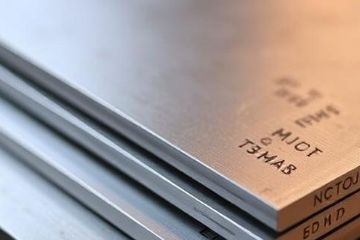
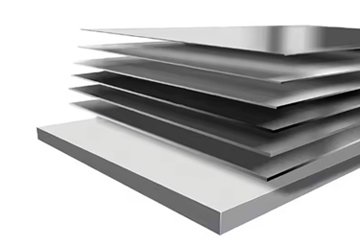
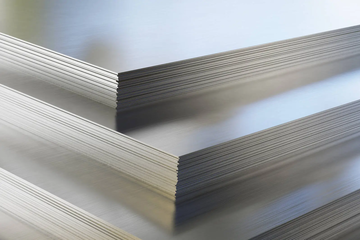
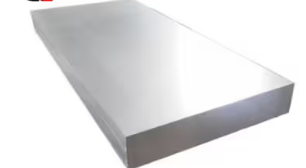
AMS 4911 is a specification issued by SAE International. It specifically covers Ti-6Al-4V (Grade 5) in the form of annealed plate, sheet, and strip intended for aerospace components.
ASTM B265 is maintained by ASTM International. It is a general industrial standard covering various titanium alloys used in heat exchangers, pressure vessels, and desalination plants.
"The primary difference lies in the testing frequency and quality assurance overhead. AMS 4911 requires a higher level of scrutiny for every heat and lot to ensure structural reliability in flight-critical environments." — Chief Metallurgist, China Titanium Factory
Chemical Composition: Analyzing the Tolerance Gaps
While the base alloy for both is Ti-6Al-4V, AMS 4911 often enforces stricter controls on interstitial elements. This reduces the risk of inclusions that could lead to fatigue failure in high-stress aerospace environments.
| Element | ASTM B265 (Grade 5) | AMS 4911 |
|---|---|---|
| Aluminum (Al) | 5.5 - 6.75 | 5.5 - 6.75 |
| Vanadium (V) | 3.5 - 4.5 | 3.5 - 4.5 |
| Oxygen (O) max | 0.20 | 0.20 |
| Iron (Fe) max | 0.40 | 0.30 |
| Hydrogen (H) max | 0.015 | 0.0125 |
Note that AMS 4911 specifies a lower maximum for Iron and Hydrogen. Lower Hydrogen content is vital to prevent hydrogen embrittlement, a critical failure mode in jet engine components and airframes.
Mechanical Property Requirements: Tensile and Yield Strength
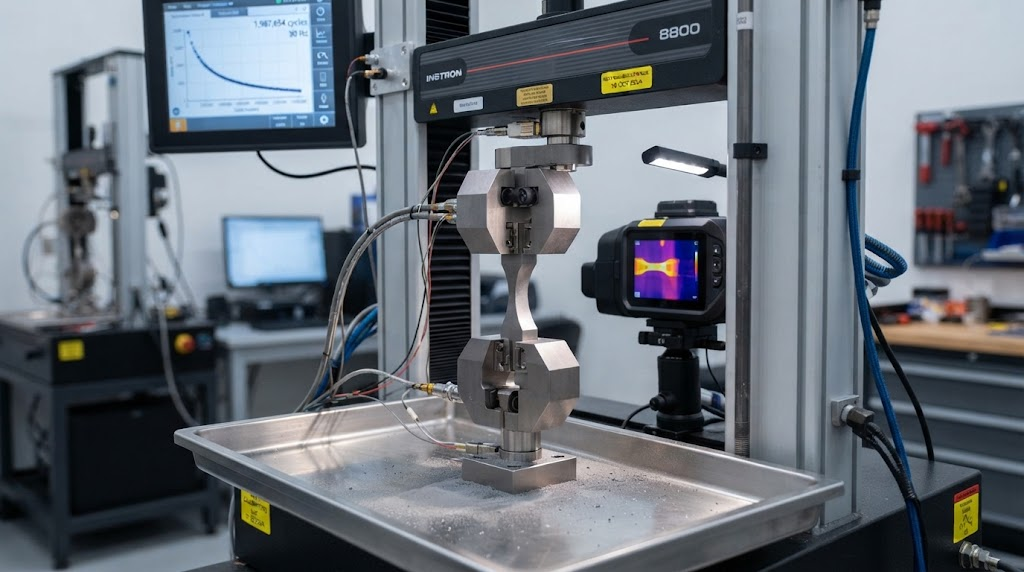
Mechanical testing for Titanium Plate & Sheet under AMS 4911 is more exhaustive. It requires testing in both longitudinal and transverse directions for every lot.
In our manufacturing experience, AMS 4911 material must consistently achieve a minimum Tensile Strength of 130 ksi (896 MPa) and a Yield Strength of 120 ksi (827 MPa). ASTM B265 allows for slightly broader variances depending on the specific product form and thickness.
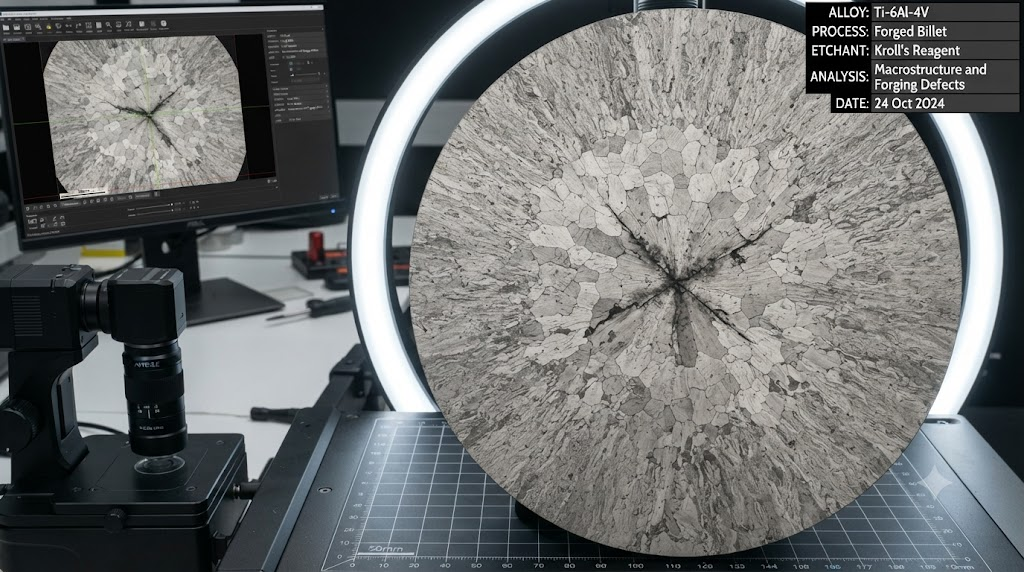
Furthermore, AMS 4911 requires specific grain size controls and macrostructure inspections that are often optional or less stringent in ASTM B265 industrial orders. This ensures the material can withstand the cyclic loading typical of flight cycles.
The China Titanium Quality Protocol: Our Proprietary Framework
To exceed global expectations in 2026, we have implemented The CT-7 Compliance Velocity Framework. This internal protocol ensures that every AMS 4911 order surpasses standard requirements through seven layers of verification:
Layer 1: Raw material source validation (AS9100D compliant).
Layer 2: Triple-melt Vacuum Arc Remelting (VAR) for maximum purity.
Layer 3: Precision rolling with automated thickness control.
Layer 4: NADCAP-certified vacuum annealing for stress relief.
Layer 5: 100% Ultrasonic Testing (UT) to detect internal discontinuities.
Layer 6: Independent third-party lab validation for Mill Test Reports (MTR).
Layer 7: Full traceability from ingot to final machined part.
Application Specificity: Aerospace Structures vs Chemical Processing
Selection depends on the "Criticality of Failure." In Aerospace Titanium Solutions, the cost of a material failure is catastrophic, justifying the premium for AMS 4911.
AMS 4911 Applications:
Fuselage skins and bulkheads.
Compressor blades and discs.
Satellite structural frames.
High-performance racing components.
ASTM B265 Applications:
Chemical reactor linings.
Offshore oil and gas piping.
Medical implants (though often overridden by ASTM F136).
Industrial heat exchangers.
Processing Performance: Machinability and Forging
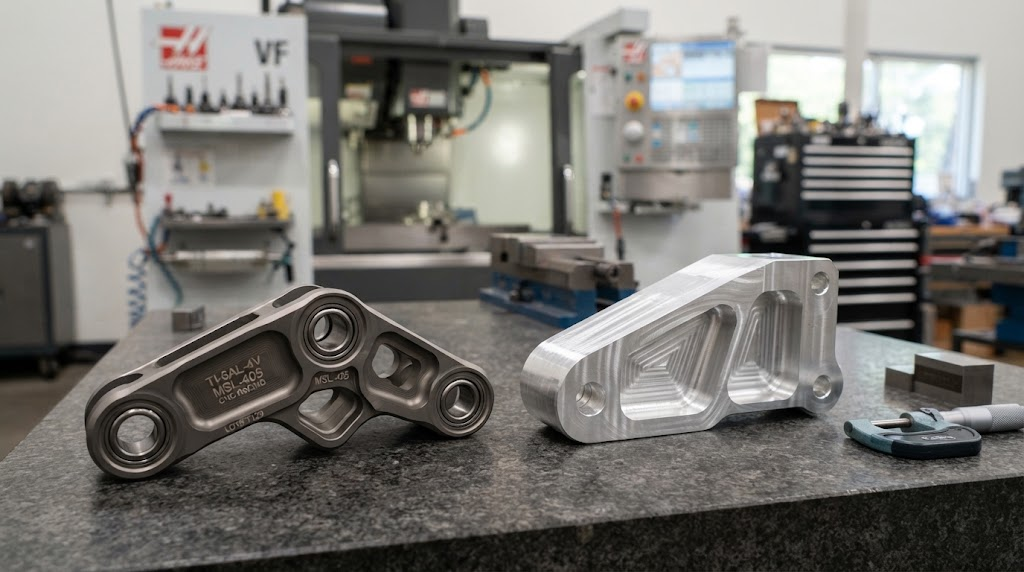
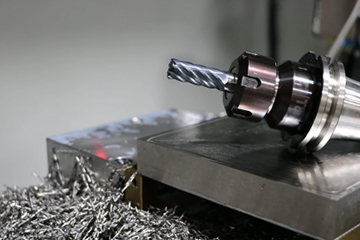
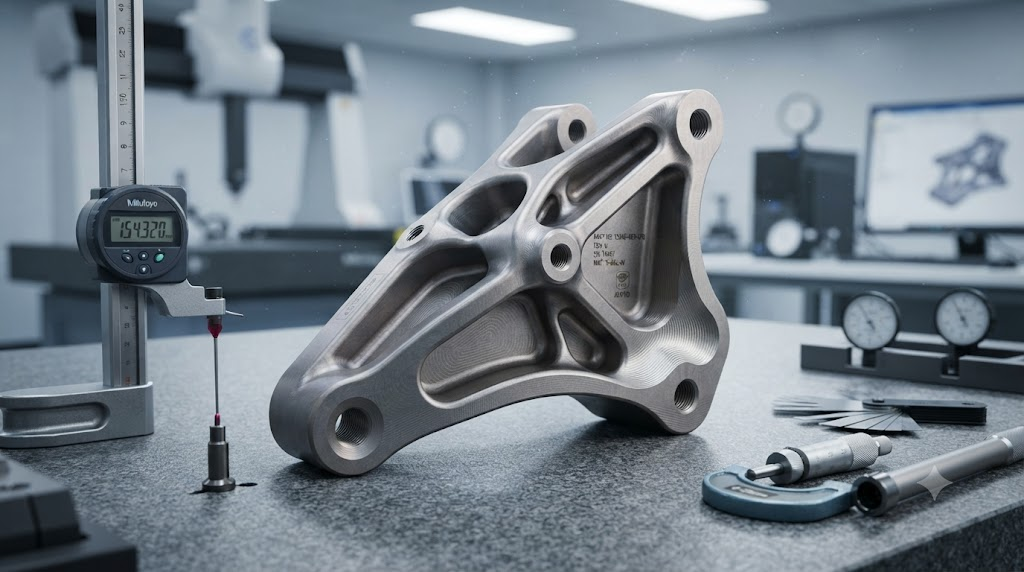
When utilizing CNC Machining Services, the consistency of AMS 4911 provides a significant advantage. Because the microstructure is more tightly controlled, tool wear is more predictable.
Industrial ASTM B265 may exhibit slight variations in hardness across a single large plate. This can lead to "chatter" or uneven surface finishes during high-speed milling. For aerospace-grade parts, we recommend vacuum annealing to the AMS 4911 standard to ensure dimensional stability after machining.
We verify all AMS 4911 machining through our AS9100D quality management system, ensuring that heat generated during cutting does not alter the material's metallurgical properties.
Dual Certification: Meeting Both Standards
Can one titanium plate meet both standards? Yes. At China Titanium Factory, we frequently stock material that is dual-certified.
By producing material to the stricter AMS 4911 chemical and mechanical requirements, it automatically satisfies the criteria for ASTM B265. This provides our clients with "future-proof" inventory that can be diverted between aerospace and industrial projects as demand shifts.
Every shipment is accompanied by a comprehensive Mill Test Report (MTR) that explicitly lists both specifications, ensuring seamless acceptance by your Quality Assurance department.
Frequently Asked Questions (FAQ)
Is AMS 4911 always more expensive than ASTM B265?
Generally, yes. The price premium reflects the increased testing frequency, tighter chemical controls, and the specialized NADCAP-certified processing required for aerospace compliance.
Can I use ASTM B265 for non-structural aerospace parts?
This depends on the OEM's Material Review Board (MRB). However, most aerospace contracts mandate AMS 4911 to ensure traceability and liability protection within the AS9100 ecosystem.
What is the typical lead time for custom AMS 4911 forgings?
For custom forgings, lead times typically range from 4 to 8 weeks depending on the complexity and current 2026 market demand. We maintain a stock of standard thicknesses for immediate shipment.