


















Comprehensive Comparison of CP Titanium Grades (1, 2, 3, 4)
Commercially Pure (CP) titanium is the backbone of the corrosion-resistant metal industry. Unlike titanium alloys, CP grades are defined by their varying levels of oxygen and iron content rather than added alloying elements like Aluminum or Vanadium.
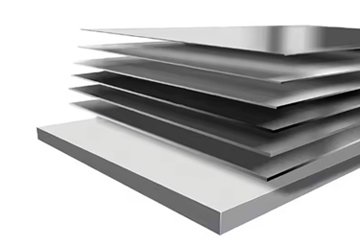
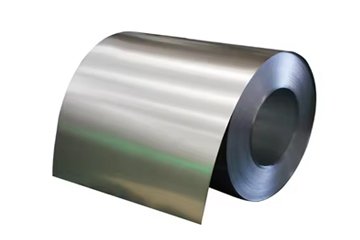
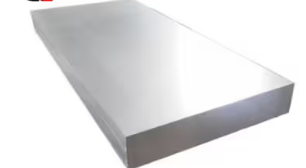
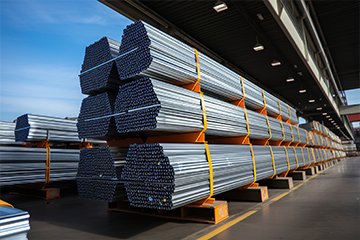
In our manufacturing experience at China Titanium Factory, selecting the correct CP grade is a balance between required mechanical strength and the necessary formability for complex geometries. As of 2026, the demand for high-purity Titanium Plate & Sheet has surged across the hydrogen energy and desalination sectors.

Chemical Composition and ASTM Standards Compliance
The primary difference between CP Titanium Grades 1, 2, 3, and 4 is the concentration of interstitial elements, primarily Oxygen (O) and Iron (Fe). Higher oxygen content increases tensile strength but significantly reduces ductility and formability.
Engineering Insight: According to ASTM B265, Grade 1 is the most "pure" with a maximum oxygen content of 0.18%, while Grade 4 allows up to 0.40%, effectively doubling the yield strength.
| Element | Grade 1 | Grade 2 | Grade 3 | Grade 4 |
|---|---|---|---|---|
| Oxygen (O) | 0.18 | 0.25 | 0.35 | 0.40 |
| Iron (Fe) | 0.20 | 0.30 | 0.30 | 0.50 |
| Nitrogen (N) | 0.03 | 0.03 | 0.05 | 0.05 |
| Carbon (C) | 0.08 | 0.08 | 0.08 | 0.08 |
Mechanical Properties: Yield Strength, Elongation, and Hardness
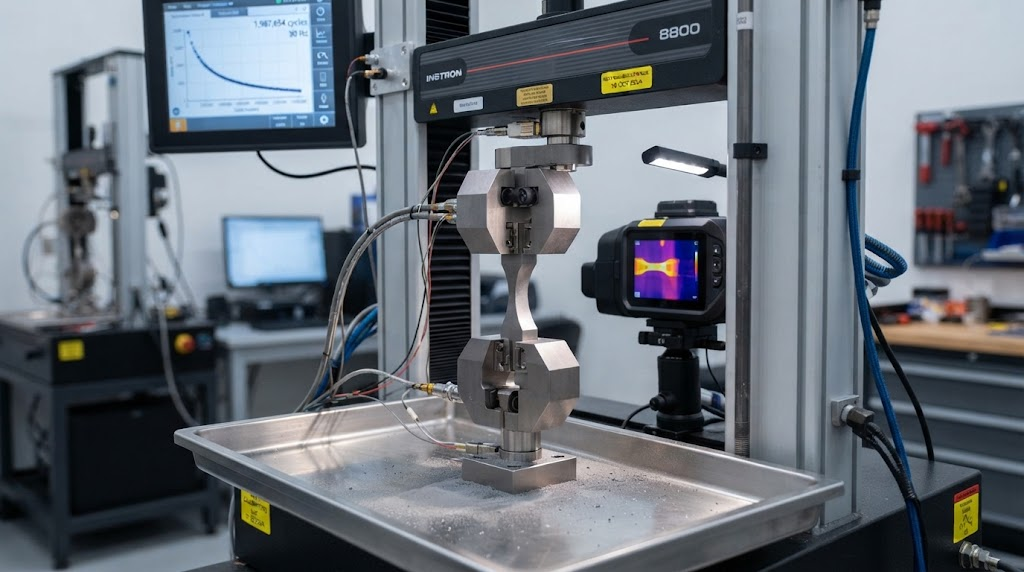
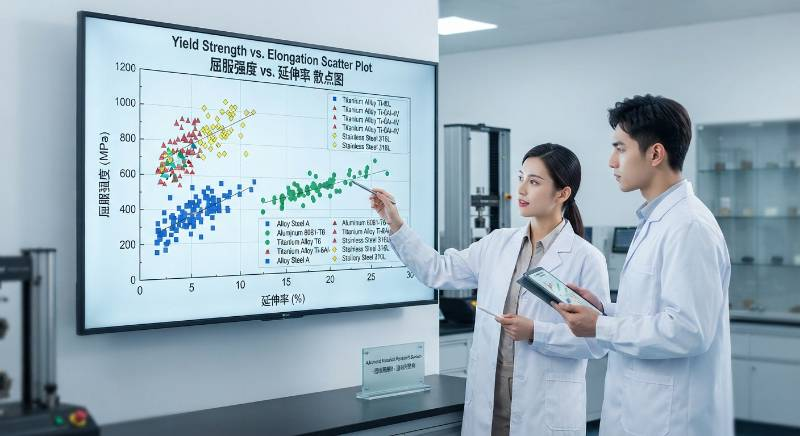
The mechanical behavior of CP titanium is an Alpha Phase structure. Grade 1 is the softest and most ductile, while Grade 4 is the strongest, rivaling some stainless steels in yield strength while remaining 45% lighter.
In our CNC production data, we observe that Grade 2 represents roughly 70% of all industrial CP titanium applications due to its optimized balance of strength (min 275 MPa yield) and elongation (min 20%). For projects requiring high-stress performance, Grade 4 is the preferred choice for Aerospace Titanium Solutions.
The China Titanium Quality Protocol (CTQP)
To ensure consistency across these four grades, we utilize the China Titanium Quality Protocol (CTQP). This five-stage framework guarantees that every mill product meets or exceeds global standards like ISO 5832-2 and ASME SB265.
Raw Sponge Verification: We exclusively use Grade 0 titanium sponge to minimize initial impurities.
VAR Control: Double or triple Vacuum Arc Remelting (VAR) ensures chemical homogeneity.
Precision Rolling: Controlled temperature rolling maintains the fine grain structure required for high fatigue resistance.
Ultrasonic Flaw Detection: 100% NDT testing on all plates and bars to detect internal voids.
Third-Party Certification: Every batch is accompanied by an MTC (Material Test Report) verified by SGS or TUV.
Industrial Applications: Choosing the Right Grade
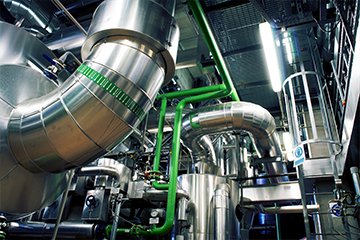
Each grade serves a specific niche in global manufacturing. Grade 1 is often utilized in Chemical Processing Equipment where severe forming is required.
Grade 1: Maximum Formability
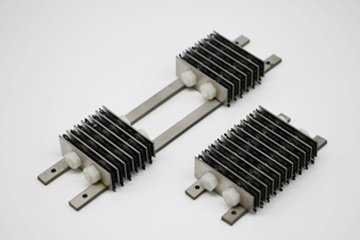
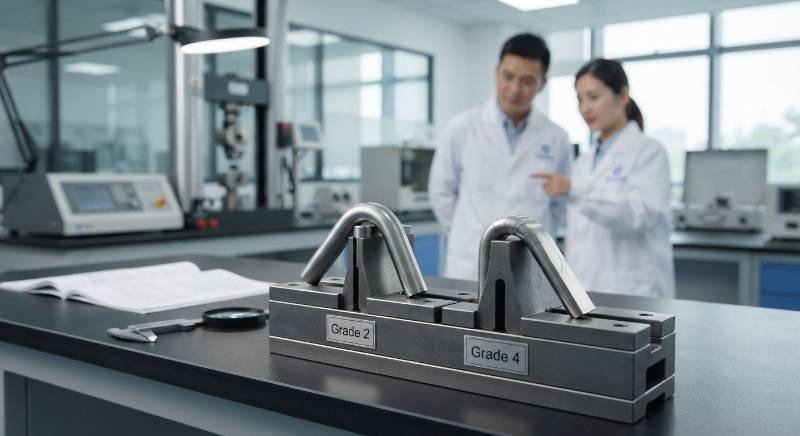
Primarily used for plate heat exchangers, explosive bonding, and cladding. Its high ductility allows for deep drawing into complex shapes without cracking.
Grade 2: The Industrial Workhorse
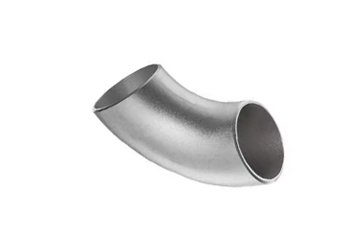
The standard for marine applications, power plant condensers, and piping systems. It offers excellent weldability and is the most widely available grade globally.
Grade 4: High-Strength CP
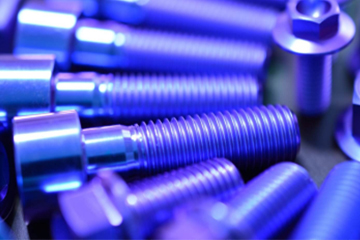
Used in medical implants, hydraulic tubing, and high-performance fasteners. It is often a cost-effective alternative to Grade 5 (Ti-6Al-4V) when the corrosion resistance of pure titanium is paramount but high strength is required.
Machinability and Fabrication Guidelines
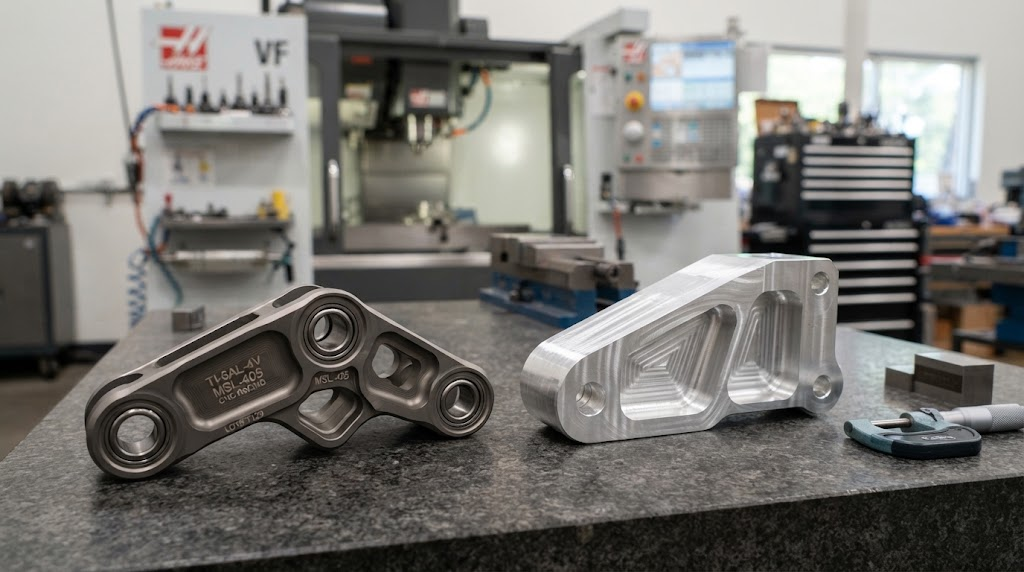
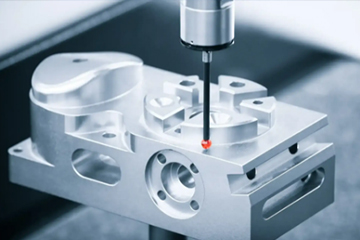
When utilizing Titanium CNC Machining Services, understanding the "galling" nature of CP titanium is vital. Grade 1 and 2 are more prone to "gumming" tools, while Grade 4 behaves more like an alloy.
Coolant: Use high-pressure, sulfur-free coolants to prevent heat buildup.
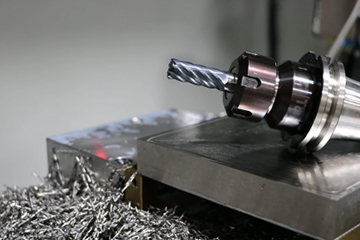
Tooling: Carbide tools with sharp relief angles are mandatory for CP grades.
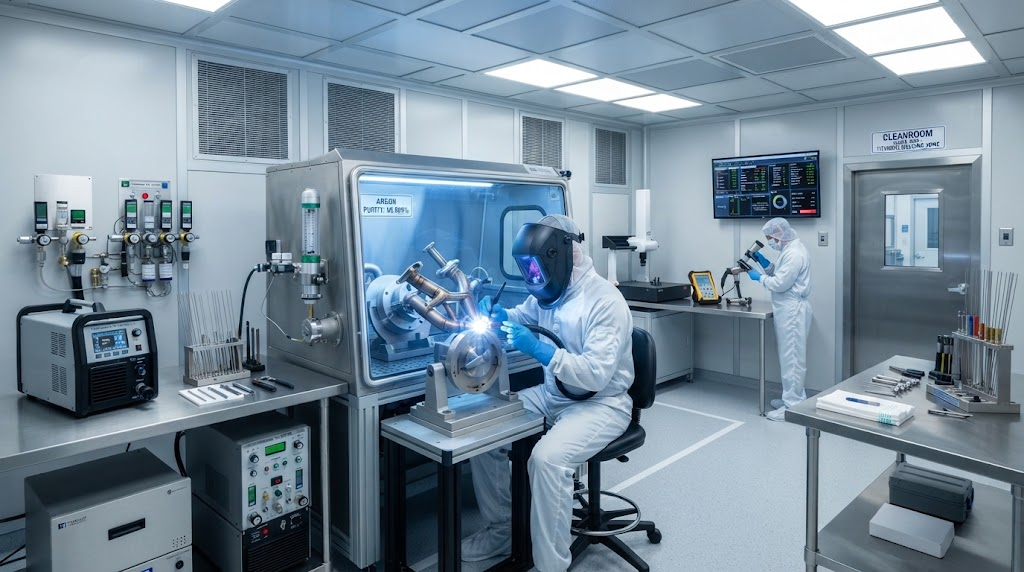
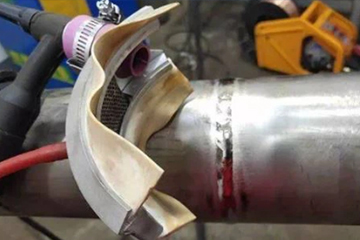
Welding: All CP grades are highly weldable via TIG or MIG, provided an inert gas shield (Argon) is maintained to prevent oxygen embrittlement.
Sustainability and ESG: Carbon Footprint Data
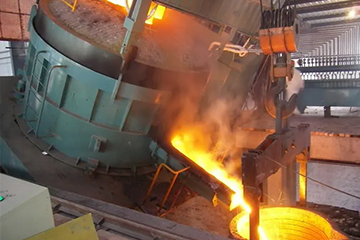
In 2026, transparency in the supply chain is non-negotiable. China Titanium Factory has reduced the energy intensity of our VAR melting process by 18% over the last three years. We actively participate in closed-loop recycling, where CP scrap is reclaimed and re-processed into high-quality industrial ingots, significantly lowering the carbon footprint per ton compared to primary sponge production.
Frequently Asked Questions
What is the main difference between Grade 2 and Grade 5?
Grade 2 is Commercially Pure (CP) titanium, while Grade 5 is an alloy (6% Aluminum, 4% Vanadium). Grade 5 is significantly stronger but less corrosion-resistant in certain highly reductive environments.
Can Grade 4 titanium be welded to Grade 2?
Yes. All CP grades (1-4) are compatible for welding. However, the weld joint strength will be dictated by the filler metal and the lower-strength parent material (Grade 2).
Which CP grade is best for seawater?
All CP grades offer exceptional resistance to seawater. Grade 2 is the most common choice due to cost-efficiency, though Grade 1 is preferred if the component requires extensive cold forming.
Ready to Source High-Purity CP Titanium?
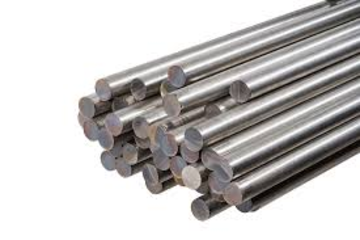
China Titanium Factory provides ASTM-certified Grade 1, 2, 3, and 4 mill products with full traceability and competitive lead times.
Request a Custom Quote Today