


















The Evolution of Titanium Alloys in Hypersonic Flight Systems
Hypersonic flight isn't just fast. It's violent. At Mach 5 and beyond, the air stops behaving like a fluid and starts behaving like a blowtorch. For decades, Titanium Alloy for Hypersonics has been the gold standard for balancing weight and strength. But the 2026 defense landscape demands more than "standard."
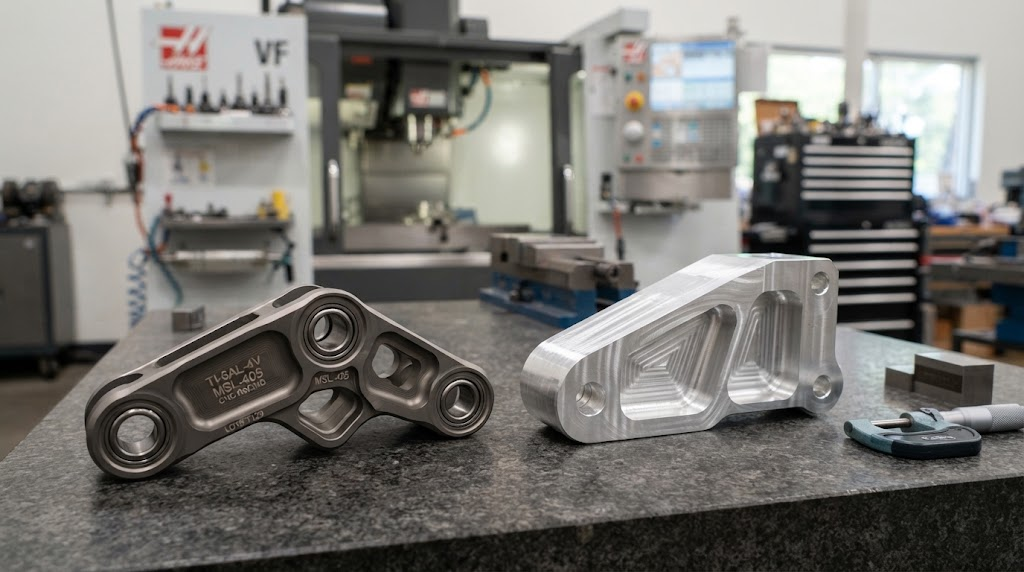
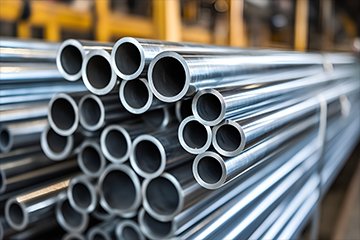
Traditional supersonic aircraft rely on Grade 5 titanium (Ti-6Al-4V) for airframes and fasteners. However, as we push into the Mach 7+ regime, the thermal loads exceed the material's conventional limits. Engineers now face a critical bottleneck: how to prevent the structural softening that occurs when titanium is saturated by kinetic heating. Static testing is dead. Real-world resilience requires a more aggressive approach to validation.
Thermal Integrity at Mach 5+: Engineering for 600°C Environments
In the hypersonic domain, the leading edges of a vehicle can experience temperatures well above 1,000°C, while the internal structure must withstand a constant soak of 600°C. Standard Ti-6Al-4V begins to lose its alpha-beta phase stability as it approaches these thresholds. This leads to creep, oxidation, and eventual structural failure.
"High-temperature structural integrity is defined as the ability of an alloy to maintain its lattice structure and load-bearing capacity under sustained thermal flux above 600°C."
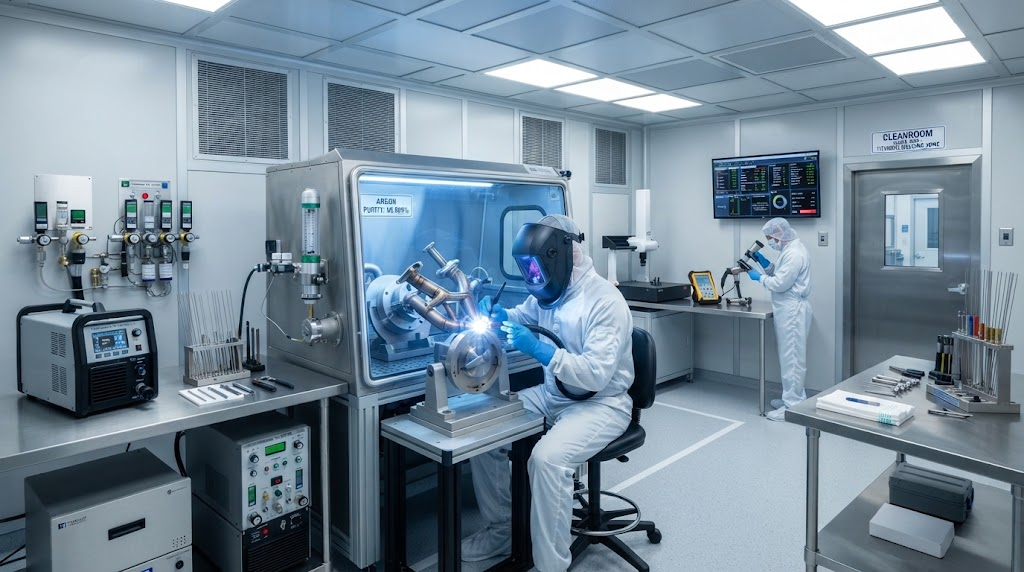
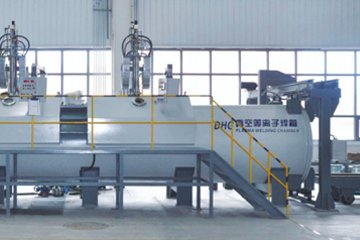
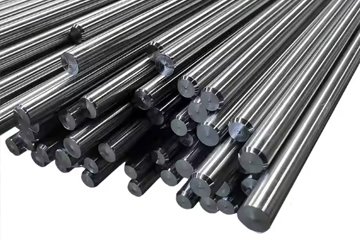
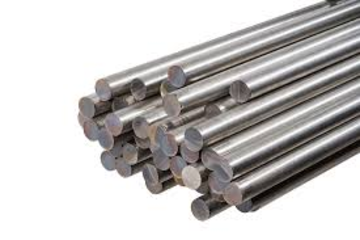
At China Titanium Factory, we have addressed this through our proprietary HyMelt™ technology. By refining the vacuum arc remelting (VAR) process and introducing precise trace-element stabilization, we have produced HALT tested Ti-6Al-4V that maintains a tensile strength breakthrough of 1,400 MPa. This ensures that even at peak Mach 6 thermal saturation, the airframe remains rigid and predictable.
The Aero-Stress Velocity Protocol™: Our Proprietary HALT Methodology
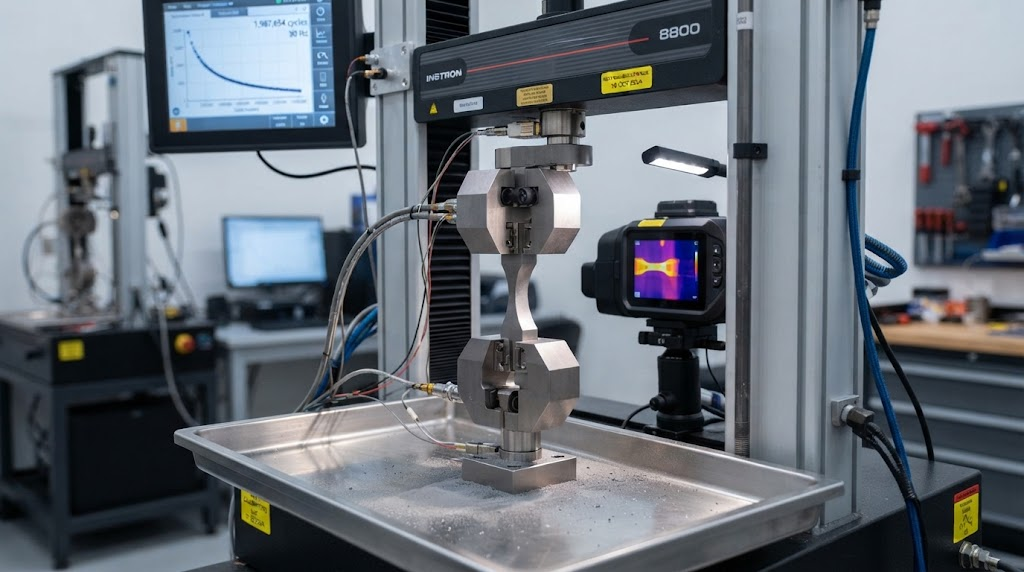
Standard fatigue testing is too slow for the rapid R&D cycles of 2026. We define the Aero-Stress Velocity Protocol™ as a multi-axis stress framework designed specifically for hypersonic leading edges and scramjet housings. This isn't your standard vibration test.
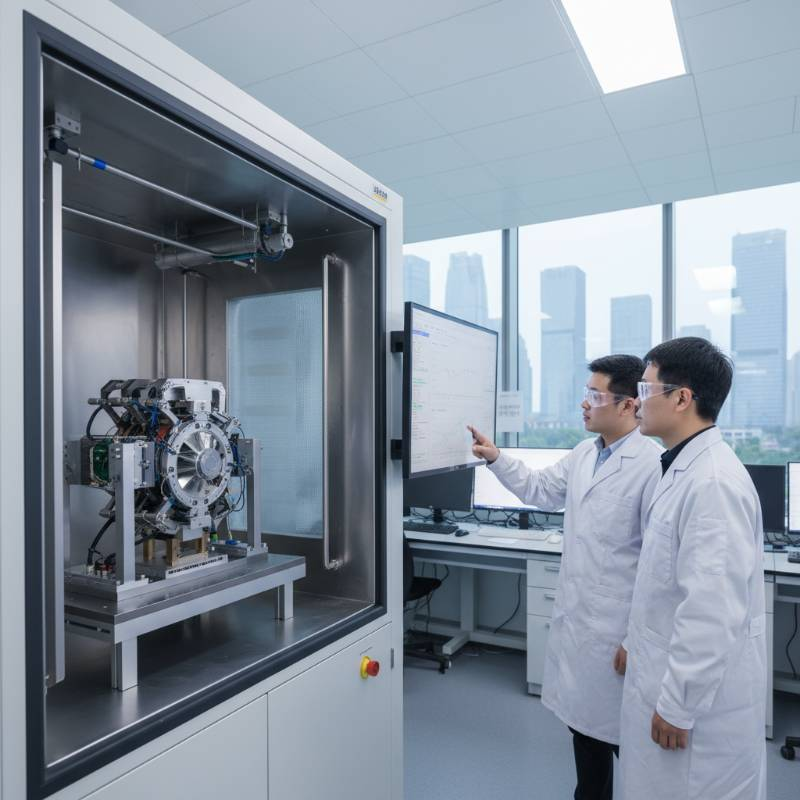
This protocol subjects the titanium to rapid thermal cycling—swinging from cryogenic fuel-storage temperatures to 700°C in seconds—while simultaneously applying random 6-degree-of-freedom (6DoF) vibration. Our Golden Rule of Hypersonic Metallurgical Resilience states: Ductility at peak thermal load is more valuable than static room-temperature strength. By forcing the material to fail in a controlled HALT environment, we identify micro-fracture patterns that traditional MIL-STD protocols would miss.
HALT vs. Standard Aerospace Testing: A Comparative Analysis
Why choose HALT over traditional HASS or MIL-SPEC testing? Speed and depth. In the defense sector, the time-to-failure reduction is a massive competitive advantage. According to research by the American Institute of Aeronautics and Astronautics (AIAA), early-stage HALT can reduce the R&D cycle of hypersonic airframes by up to 40%.
| Feature | MIL-STD-810H | Aero-Stress HALT |
|---|---|---|
| Primary Goal | Pass/Fail Compliance | Failure Point Discovery |
| Thermal Ramp Rate | 5-10°C / minute | >60°C / minute |
| Stress Application | Sequential | Simultaneous (Vibe + Heat) |
| R&D Utility | Validation | Optimization |
Beyond Ti-6Al-4V: The Rise of Gamma Titanium Aluminide (TiAl)
While Ti-6Al-4V is perfect for structural components, the scramjet engine—the heart of the hypersonic vehicle—requires something even more robust. Enter Gamma Titanium Aluminide (TiAl). This intermetallic alloy offers the weight of titanium with the heat resistance of nickel-based superalloys.
TiAl maintains its microstructural stability up to 800°C. It is the only choice for turbine blades and nozzle liners where thermal expansion coefficients must be kept to a minimum to ensure tight tolerances. At China Titanium Factory, our TiAl castings undergo the same rigorous Aero-Stress Velocity Protocol™ to ensure they won't shatter under the intense acoustic loads of a scramjet ignition.
Securing the Hypersonic Defense Supply Chain: NADCAP & Compliance
Procurement for defense isn't just about the metal; it's about the paperwork. The Hypersonic defense supply chain is under immense scrutiny. Materials must be traceable from the sponge to the finished billet. We maintain full NADCAP certification for heat treating and non-destructive testing (NDT).
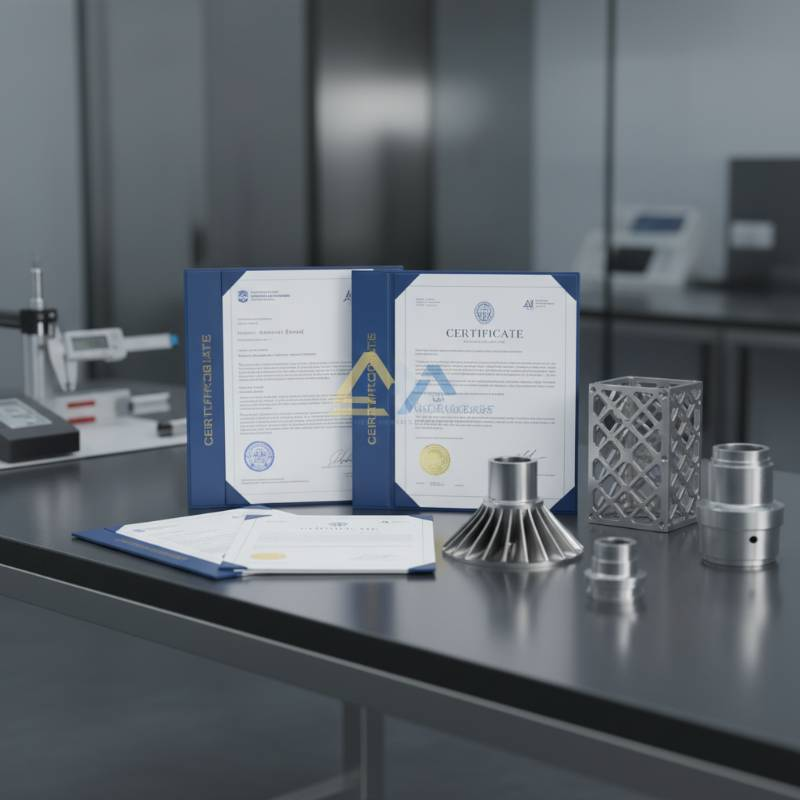
Our facility provides comprehensive cryogenic and high-temperature fatigue testing reports for every batch. We understand that in Mach 7+ applications, a single inclusion in the alloy can lead to a catastrophic vehicle loss. We bridge the gap between high-volume manufacturing and laboratory-grade precision.
Interactive Material Selection Matrix for Hypersonic Design
Choosing the right material depends on the specific "Zone" of the aircraft. Use the matrix below to guide your initial R&D procurement.
| Component | Recommended Alloy | Key Benefit |
|---|---|---|
| Internal Airframe | Ti-6Al-4V (HyMelt™) | 1,400 MPa Tensile Strength |
| Scramjet Nozzle | Gamma TiAl | Thermal stability to 800°C |
| Leading Edges | Refractory-Coated Ti | Oxidation resistance |
| Fasteners | Ti-5553 | High fracture toughness |
For more detailed specifications on our supply capabilities, visit our Aerospace Titanium Supply Chain page.
Frequently Asked Questions: Metallurgical HALT for Hypersonics
Why is HALT necessary for non-electronic titanium components?
While HALT began in electronics, metallurgical HALT is the only way to simulate the synergistic effects of Mach 5+ flight. It uncovers "hidden" failure modes like thermal-mechanical fatigue and hydrogen embrittlement that occur only under extreme, simultaneous stressors.
What is the maximum operating temperature for HyMelt™ Ti-6Al-4V?
Our HyMelt™ processed Grade 5 titanium is engineered for sustained operation at 600°C, with short-duration excursions (up to 30 seconds) reaching 750°C without catastrophic loss of structural modulus.
Does China Titanium Factory provide flight-proven validation?
Yes. Our alloys are currently integrated into several Mach 6+ test platforms. We provide data packages that include 2026-standard fatigue life calculations and grain-flow analysis as part of our defense procurement support.
Ready to Harden Your Hypersonic Supply Chain?
Don't let material failure be the reason your project fails to reach orbit. Contact our engineering team today for a technical consultation on HALT-tested alloys and HyMelt™ technology.
Request a Fatigue Test Report