




















Advanced Near-Beta Titanium Alloys: The Future of Aerospace Structures
Near-beta titanium alloys represent the pinnacle of high-performance metallurgy for modern aerospace engineering. These materials are specifically engineered to provide deep hardenability and exceptional fracture toughness in heavy sections where traditional alpha-beta alloys like Ti-6Al-4V fail to maintain uniform properties.
By 2026, the demand for airframe weight reduction has pushed near-beta alloys like Ti-5553 and Ti-10-2-3 to the forefront of structural design. These alloys allow for the manufacturing of larger, more complex components that can withstand higher cyclic loads while maintaining a lower mass profile than high-strength steels.
Metallurgical Fundamentals: Phase Stability and Chemistry
Near-beta alloys are characterized by a high concentration of beta stabilizers such as Molybdenum (Mo), Vanadium (V), Chromium (Cr), and Iron (Fe). The stability of the beta phase is quantified by the Molybdenum Equivalent (MoEq), which must be sufficiently high to suppress the martensitic transformation during quenching.
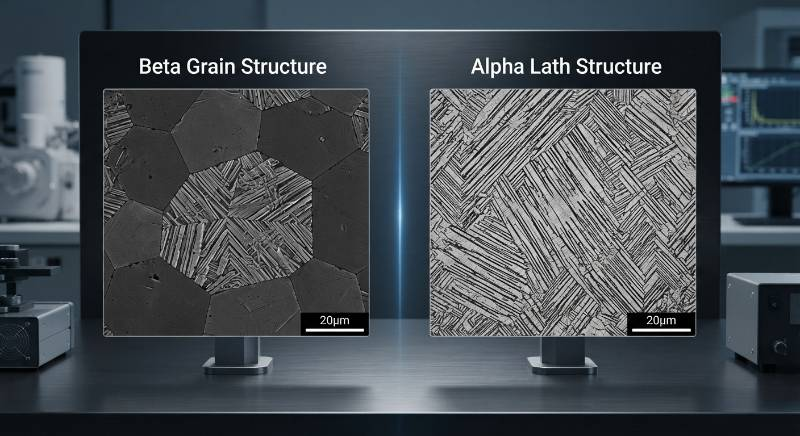
"The metallurgical goal of near-beta systems is to retain a 100% metastable beta microstructure at room temperature following a solution treatment above the beta transus temperature, allowing for controlled precipitation of fine alpha phases during subsequent aging."
The beta transus temperature is a critical variable in our production at China Titanium Factory. Precise control over this transition point ensures that the final microstructure achieves the desired balance of primary alpha (for ductility) and secondary alpha (for strength).
Technical Specifications and Global Compliance Standards
Aerospace procurement requires strict adherence to international standards. Our Aerospace Grade Titanium products meet or exceed the following specifications:
| Alloy Grade | AMS Standard | ASTM/ISO | Nominal Chemistry |
|---|---|---|---|
| Ti-10V-2Fe-3Al | AMS 4897 / 4983 | ASTM B348 | Ti-10V-2Fe-3Al |
| Ti-5Al-5Mo-5V-3Cr | AMS 4954 | ISO 5832-14 | Ti-5553 |
| Ti-6Al-2Sn-4Zr-6Mo | AMS 4981 | MIL-T-9047 | Ti-6246 |
All materials produced by China Titanium Factory undergo rigorous ultrasonic testing and chemical analysis to ensure compliance with ASTM International and AS9100 Rev D quality management systems.
Mechanical Performance: Strength, Toughness, and Fatigue Resistance
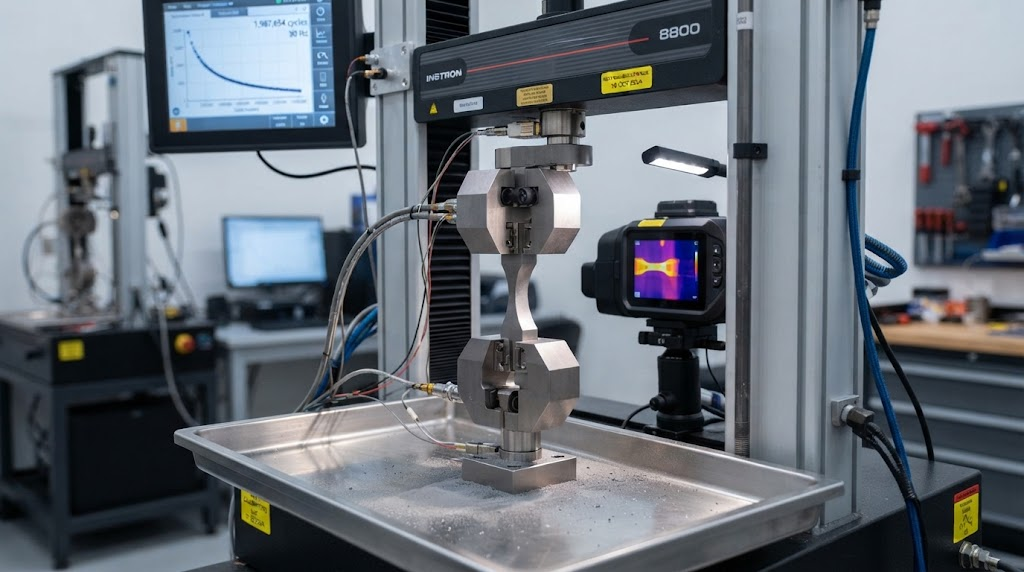
The primary advantage of near-beta alloys is their response to Solution Treatment and Aging (STA). Unlike alpha-beta alloys, which lose strength in sections thicker than 1 inch, near-beta alloys exhibit uniform mechanical properties in sections up to 4 or 5 inches thick.
Typical tensile strength for Ti-5553 in the STA condition reaches 1240 MPa (180 ksi), while maintaining a fracture toughness (K1c) of over 60 MPa·m1/2. This combination makes it the preferred choice for Aerospace Propulsion Systems and landing gear components.

The CTF Isothermal Precision Protocol
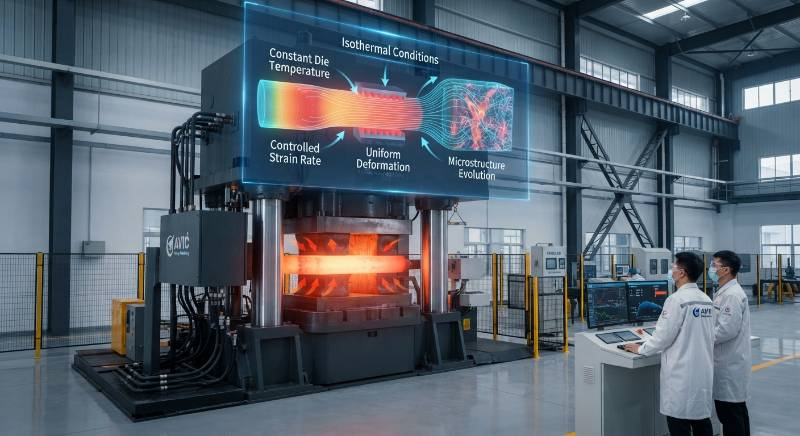
To ensure maximum microstructural homogeneity, we utilize The CTF Isothermal Precision Protocol. This proprietary manufacturing framework focuses on three critical stages of production:
Isothermal Forging: We perform forging at constant temperatures near the beta transus to prevent thermal gradients that cause non-uniform grain growth.
Beta Grain Size Management: Utilizing dynamic recrystallization data to lock in fine grain structures before the aging cycle.
Multi-Stage STA: A specialized solution treatment followed by a dual-aging process to optimize the distribution of secondary alpha laths.
Our Titanium Forging Services leverage these protocols to deliver parts with zero internal voids and superior fatigue crack growth resistance.
Comparative Analysis: Near-Beta vs. Alpha-Beta Alloys
Choosing the right alloy involves balancing weight, performance, and cost. While Ti-6Al-4V remains the industry workhorse, near-beta alloys are necessary for high-load environments.
| Property | Ti-6Al-4V (Grade 5) | Ti-5553 (Near-Beta) |
|---|---|---|
| Yield Strength (MPa) | 880 - 950 | 1100 - 1250 |
| Fracture Toughness (MPa·m1/2) | 40 - 70 | 60 - 90 |
| Max Service Temp (°C) | 350 | 315 - 400 |
| Hardenability Depth | Low (<25mm) | High (>100mm) |
Critical Applications in Aerospace and Defense
Near-beta alloys are indispensable for "fail-safe" structural components. We regularly supply these materials for:
Landing Gear Beams: Where Ti-10-2-3 replaces steel to save approximately 20% in component weight.
Fuselage Frames: Utilizing the high fatigue resistance of Ti-5553 for long-cycle reliability.
Engine Pylons: Handling the thermal and mechanical stresses of high-bypass turbofans.
Wing Attach Fittings: Requiring the extreme fracture toughness provided by near-beta microstructures.
Machining and Tooling Guide for High-Strength Alloys
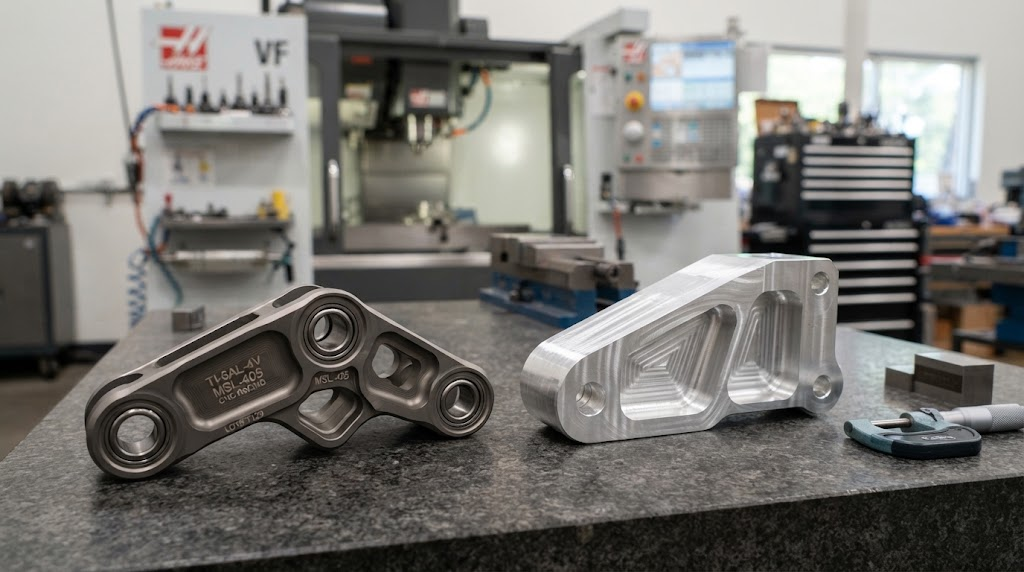
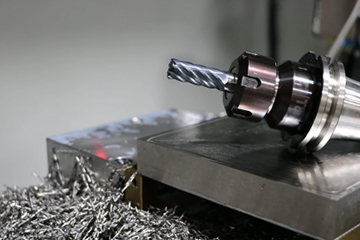
Machining near-beta alloys is significantly more challenging than standard grades due to their lower thermal conductivity and higher work-hardening rates. Our CNC Machining for Titanium department follows these strict parameters:
Tooling: Use sub-micron grain carbide inserts with PVD TiAlN coatings to resist adhesive wear.
Cutting Speeds: Maintain low speeds (30-50 m/min) to prevent thermal softening of the tool edge.
Coolant: High-pressure (70 bar+) through-spindle coolant is mandatory to clear chips and manage heat.
In our manufacturing experience, maintaining a rigid setup is vital to prevent chatter, which can lead to localized strain hardening and premature tool failure.
Sustainability and Life Cycle Assessment (LCA)
The aerospace industry’s shift toward sustainable aviation relies on advanced materials. Near-beta alloys contribute to fuel efficiency by allowing for thinner, lighter structural designs without compromising safety.
China Titanium Factory is committed to reducing the carbon footprint of titanium production. We implement closed-loop recycling for near-beta scrap, ensuring that high-value alloying elements like Molybdenum and Vanadium are recovered and reused in accordance with ISO 14001 standards.
Frequently Asked Questions
Are near-beta titanium alloys weldable?
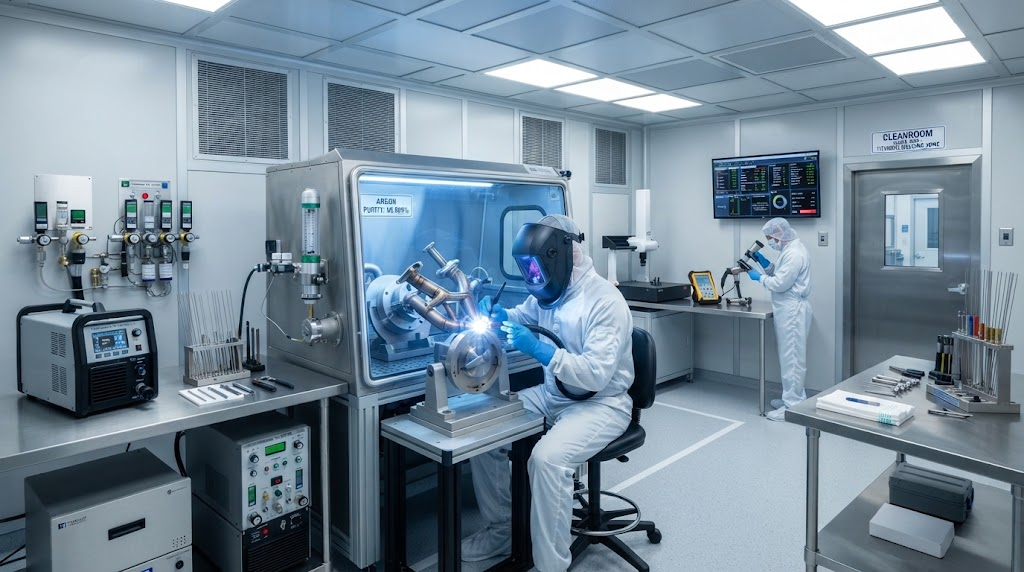
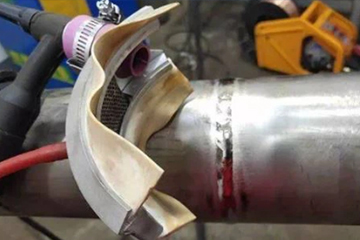
While weldable via Electron Beam (EB) or Laser Welding, the heat-affected zone (HAZ) often requires a full post-weld solution treatment and aging cycle to restore the desired mechanical properties and phase balance.
How do they perform in marine environments?
Near-beta alloys exhibit excellent corrosion resistance, similar to Grade 5. However, in specific high-stress marine applications, attention must be paid to potential stress corrosion cracking (SCC) if exposed to certain halides at elevated temperatures.
What is the typical lead time for custom forgings?
Depending on geometry and volume, custom near-beta forgings typically have a lead time of 8 to 14 weeks, which includes material melting, forging, heat treatment, and NDT certification.
Secure Your Aerospace Supply Chain
Consult with our senior metallurgists to optimize your material selection and machining strategy for near-beta titanium alloys.
Request a Technical Consultation