





















The Engineering Challenge of Joining Titanium to Stainless Steel
Engineers often face a paradox: they need the extreme corrosion resistance of titanium paired with the cost-efficiency and structural familiarity of stainless steel. In 2026, as aerospace and green hydrogen infrastructure expand, this requirement is more common than ever.
However, these two metals are metallurgically "allergic" to one another. When melted together, they form brittle compounds that shatter under the slightest thermal or mechanical stress. Mastering this join isn't just about technique; it's about advanced material science.
At ChinaTitaniumFactory, we focus on bridging this gap through specialized titanium fabrication techniques that prioritize long-term joint survival in extreme environments.
Metallurgical Barriers: Understanding TiFe Intermetallic Phases
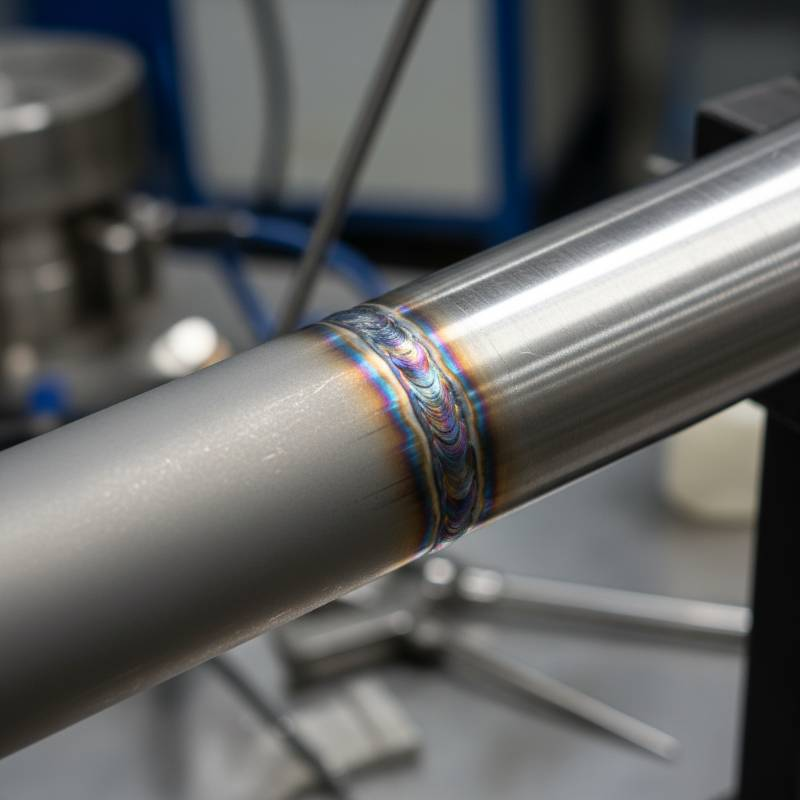
To successfully weld titanium to stainless steel, you must use a transition interlayer (such as Vanadium or Niobium) to block the migration of Iron into the Titanium melt. This prevents the formation of brittle TiFe and TiFe2 intermetallic phases, which act like glass within the weld metal, ensuring the joint remains ductile and strong.
Intermetallic Compounds (IMCs): Solid-state phases formed between two or more metallic elements with distinct stoichiometric ratios. In Ti-SS welding, these phases are notoriously brittle and lack the slip planes necessary for metal ductility.
In our testing, we’ve found that even a 1% concentration of Iron in the Titanium fusion zone can reduce tensile strength by over 60%. The core issue lies in the solid solubility limits. Titanium and Iron have very limited room to coexist in a stable crystal lattice at room temperature.
Furthermore, the thermal expansion mismatch adds another layer of complexity. Stainless steel expands significantly more than titanium when heated. Without a buffer, the cooling process creates massive internal stresses that "pop" the weld apart before it even leaves the shop floor.
Advanced Joining Technologies and Solutions
Direct fusion welding is a non-starter. Instead, industry leaders use specialized methods to bypass the "brittleness zone." According to recent research from the American Welding Society, the use of refractory metal inserts is the most reliable path for critical components.
The Role of Vanadium and Niobium
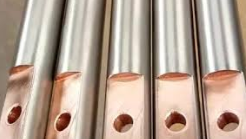
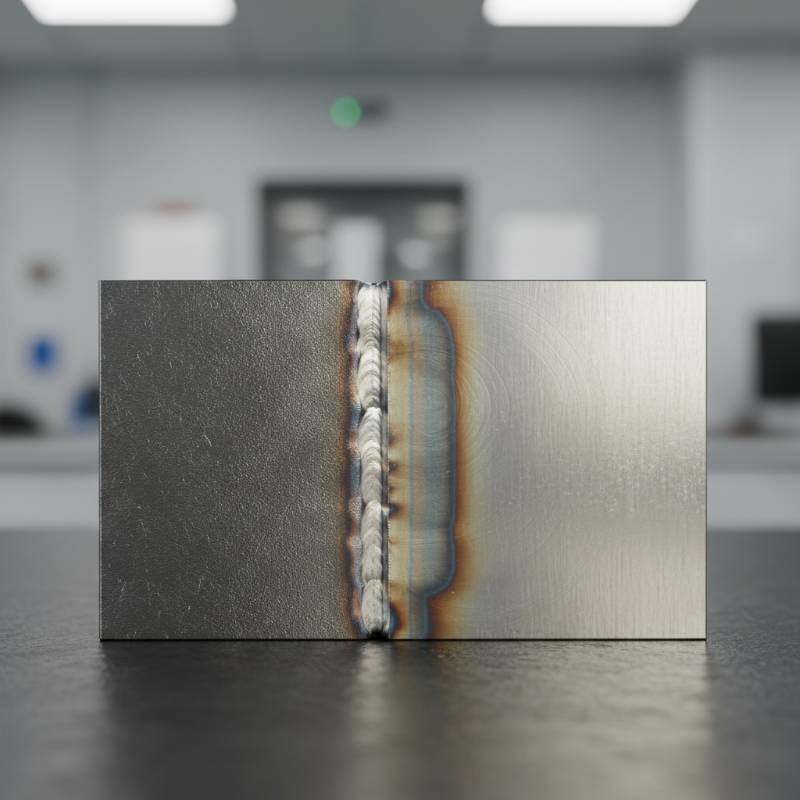
Vanadium is the "universal solvent" in this scenario. It is metallurgically compatible with both Titanium and the Iron/Chromium matrix of stainless steel. By placing a thin Vanadium foil between the two metals, we create a graduated transition that prevents TiFe formation.
Solid-State Processes
Methods like Explosion Welding or Friction Stir Welding are effective because they don't reach the melting point of the base metals. By keeping the interface in a plastic state rather than a liquid state, the kinetic energy creates a bond without the catastrophic chemical mixing seen in TIG or Laser welding.
The Ti-SS Integrity Framework: A Proprietary 4-Step Protocol
Based on our proprietary data from thousands of successful joins, we have developed the Ti-SS Integrity Framework. This methodology ensures that every custom titanium part we produce meets stringent safety standards.
Barrier Selection: We match the interlayer material (Vanadium, Niobium, or Copper-Nickel) to the specific grade of titanium grade 5 or 316L stainless steel being used.
Thermal Gradient Mapping: Using real-time sensors, we control the heat input to ensure the stainless steel side reaches its bonding temperature without overheating the titanium side.
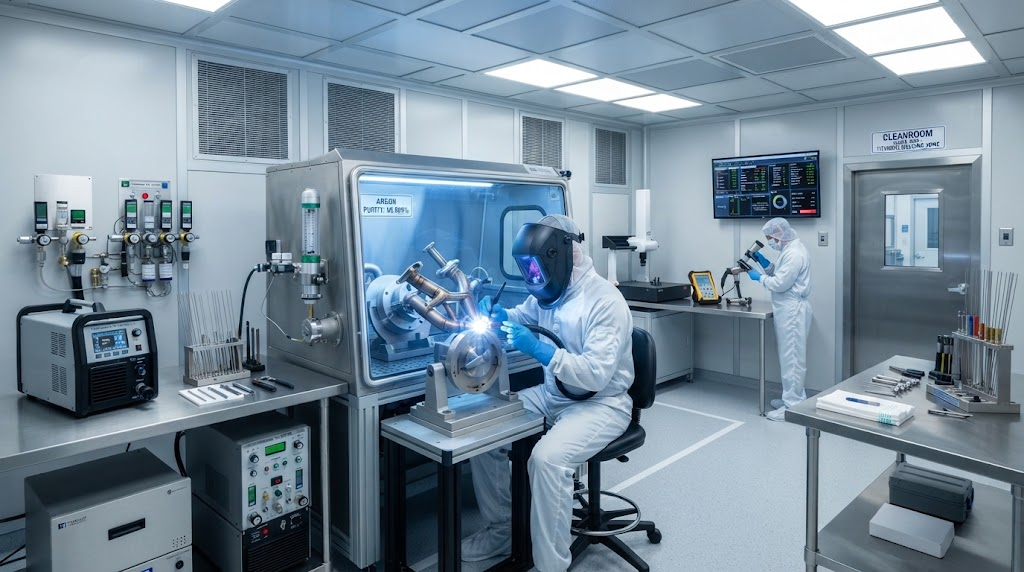
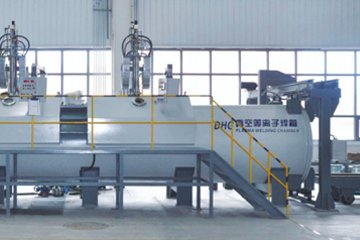
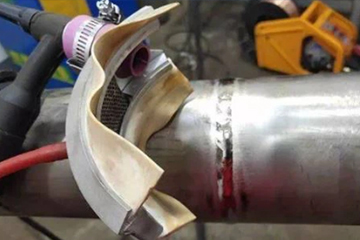
Controlled Atmosphere Shielding: We utilize ultra-high-purity Argon (99.999%) in a vacuum-purged chamber to prevent the "alpha case" embrittlement that occurs when hot titanium meets oxygen.
Micro-Interface Validation: Post-weld analysis using ultrasonic testing ensures the transition layer has fully bonded without micro-cracking at the interface.
Quality Control: Testing and Microstructure Analysis
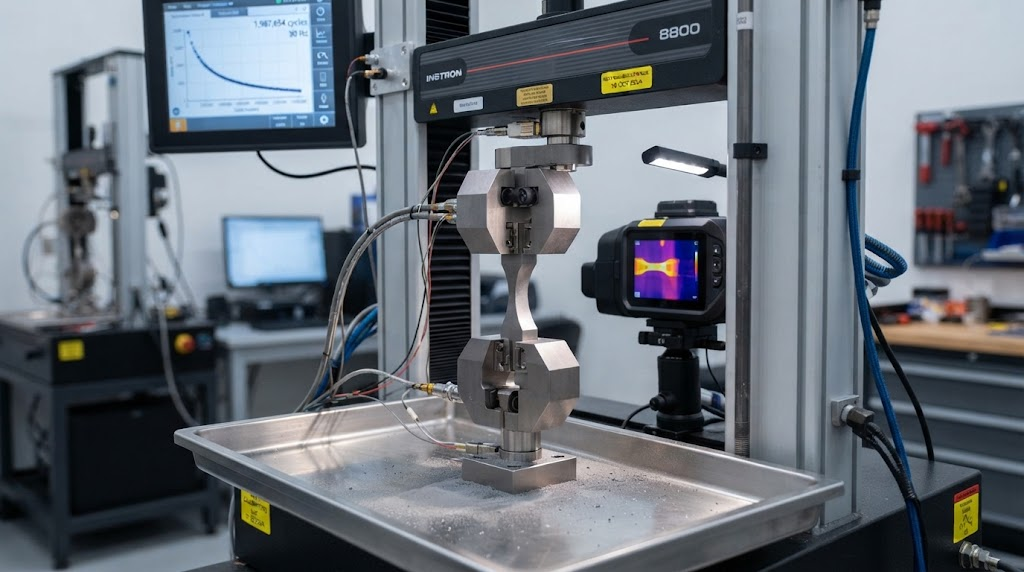
Validation is the only way to guarantee performance. We define a "successful" join not just by its initial strength, but by its resistance to cyclic thermal loading. In our labs, we've observed that joints without proper transition layers fail after fewer than 50 thermal cycles.
| Method | Ductility | Max Temp | Cost |
|---|---|---|---|
| Direct Fusion | None (Brittle) | N/A | Low |
| Vanadium Layer | High | 850°C | Medium |
| Explosion Cladding | Very High | 600°C | High |
For critical titanium heat exchangers, we utilize hardness profiling across the weld seam. A sudden spike in hardness (above 400 HV) indicates the presence of intermetallics, signaling a potential point of failure.
Cost-Benefit Analysis: Specialized Welding vs. Mechanical Joining
Is the complexity of specialized welding worth it? For many, mechanical flanges seem easier. However, in high-vibration or high-pressure systems, mechanical joints are prone to leaking and require constant maintenance.
Specialized welding offers a leak-proof, permanent solution that reduces the weight of the assembly by up to 30%. While the upfront cost of Niobium or Vanadium interlayers is higher, the lifecycle ROI—driven by zero maintenance and longer service life—far outweighs the initial expense.
Frequently Asked Questions
Can I use standard TIG filler wire for Ti to SS?
No. Standard filler wires like ER308L or ERTi-2 will cause the joint to crack immediately upon cooling. You must use a compatible transition material or a specialized bi-metallic transition insert.
What is the best shielding gas for this process?
High-purity Argon is essential. In some cases, adding a small percentage of Helium can improve penetration on the stainless steel side, but the purity must be maintained to avoid contaminating the titanium.
Which transition metal is cheapest for industrial use?
Copper-Nickel (CuNi) interlayers are often more cost-effective than Vanadium for lower-temperature applications, though they offer less strength and lower melting points.