



















Precision Titanium Coil Slitting and Automated Stamping Solutions
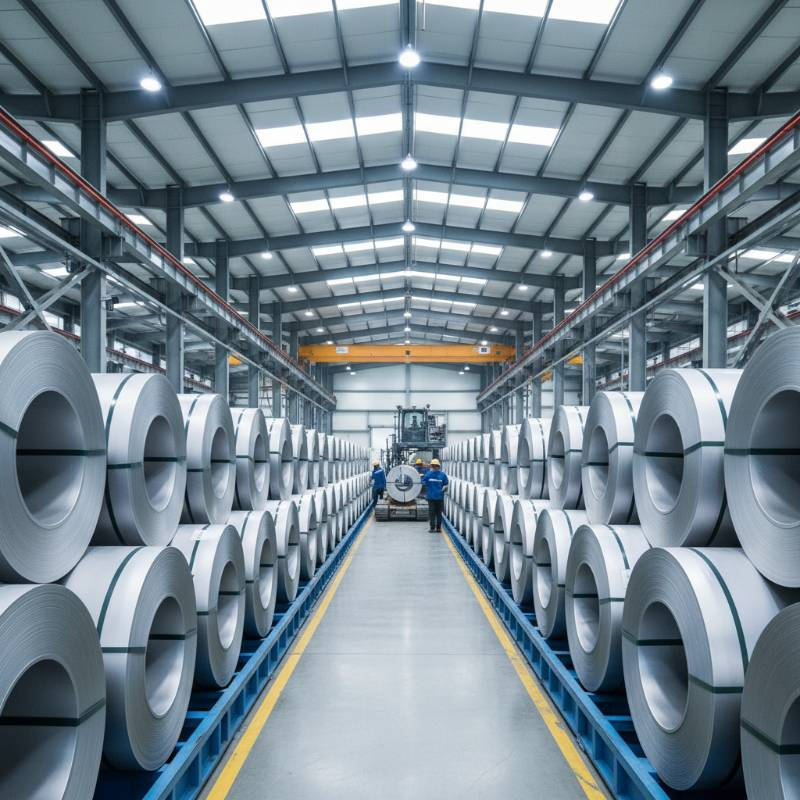
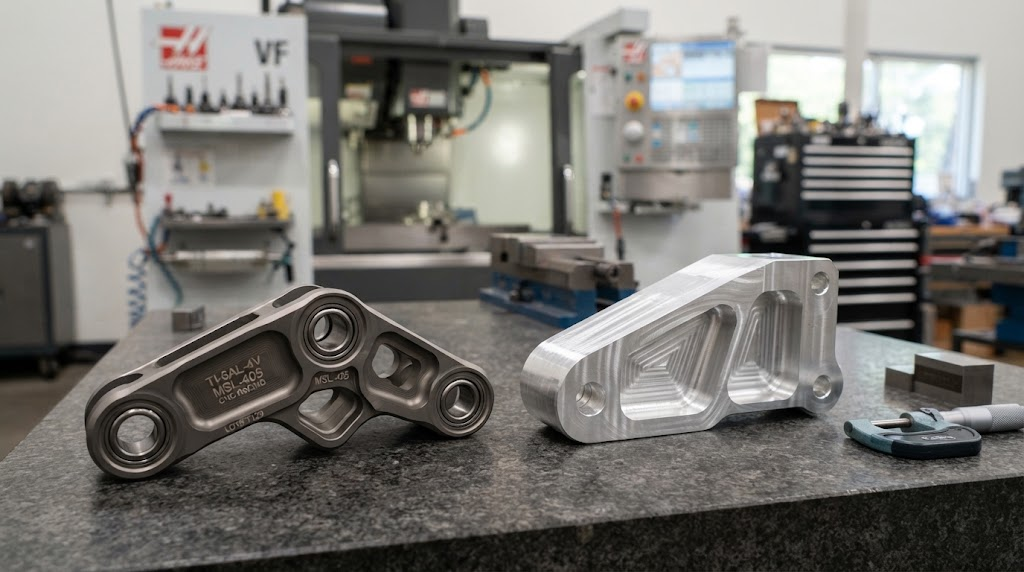
Precision slitting and automated stamping of titanium coils represent the backbone of modern aerospace and medical device manufacturing. In 2026, the demand for lighter, stronger components has pushed material processing to its physical limits. Success in these high-stakes industries depends on more than just high-grade alloys; it requires a deep understanding of how material behavior changes during high-speed mechanical deformation.
Precision titanium slitting and stamping optimize automated production by ensuring consistent material feed, reducing tool wear, and maximizing yield. By maintaining micron-level strip tolerances, manufacturers can achieve near-zero scrap rates in high-speed operations, ensuring cost-effective production of complex geometries.
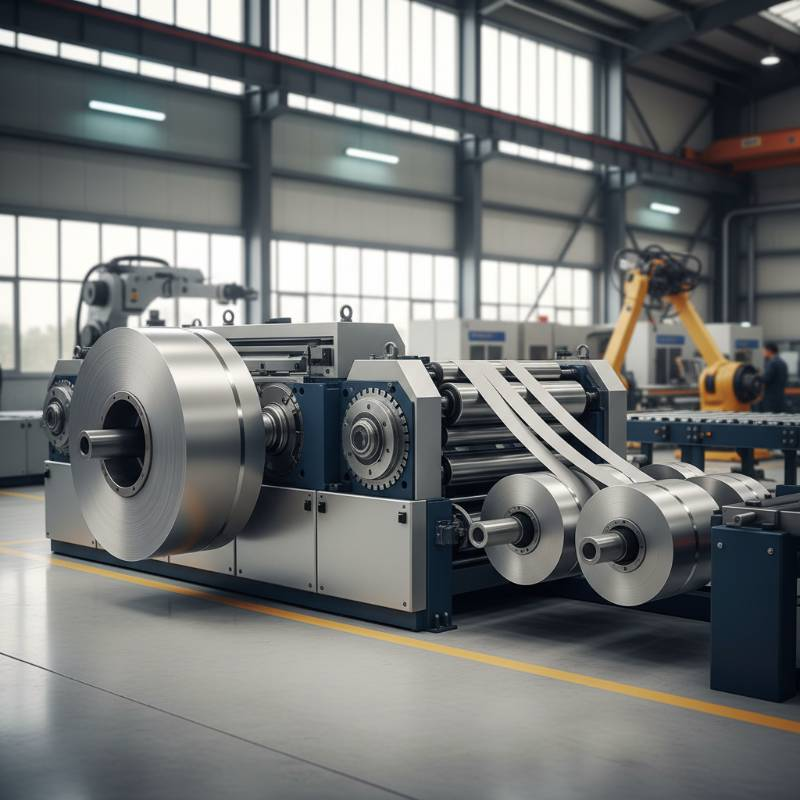
At China Titanium Factory, we focus on the synergy between precise slitting and high-speed stamping. Our data shows that even a 0.01mm deviation in strip width can lead to catastrophic tool jamming in progressive dies. We solve this through rigorous tension control and advanced blade geometry.
Technical Specifications: Mastering Titanium Strip Tolerances
Achieving consistent titanium strip tolerances is the primary challenge in high-volume production. Titanium's high strength-to-weight ratio makes it prone to "spring back" and edge burrs if the slitting parameters are not perfectly calibrated.
Our facility handles a wide range of specifications tailored for automated stamping lines. We specialize in ultra-thin foils and heavy-duty strips, maintaining integrity across the entire spectrum.
| Parameter | Specification Range |
|---|---|
| Thickness Range | 0.2mm – 6.0mm |
| Minimum Slit Width | 3.2mm (Customizable for narrower requirements) |
| Slitting Tolerance | ±0.005mm – ±0.02mm (Micron-level) |
| Edge Condition | Burr-free, rounded, or square edge |
We define precision by the absence of camber. In our testing, coils processed with inferior equipment often exhibit a "sideways curve" that creates uneven tension during automated stamping titanium processes. Our multi-axis leveling systems eliminate this issue before the material reaches your press.
The Cold-Rolled Advantage: Optimizing Surface Integrity
Choosing between cold-rolled and hot-rolled titanium is not just a matter of price; it is a matter of process reliability. Cold-rolled titanium coils offer significant advantages for automated stamping that hot-rolled plates simply cannot match.
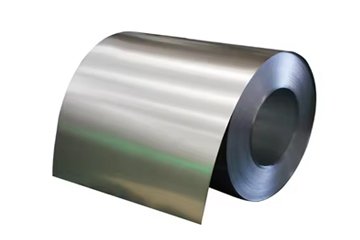
Cold-Rolled Titanium: Titanium that has been processed at room temperature through a series of rollers to achieve precise thickness and a superior surface finish. This process increases the material's yield strength through work hardening.
In high-speed stamping, surface finish is critical. Cold-rolled coils possess a smooth, dense surface that minimizes friction. This reduces the risk of galling—a common titanium failure where material transfers to the die surface, causing scratches and part rejection.
Furthermore, cold-rolled material provides superior dimensional accuracy. When running a press at 300 strokes per minute, any variation in material thickness leads to inconsistent forming pressure. Our cold-rolled titanium slitting coil ensures that every stroke produces an identical part, drastically cutting scrap rates.
The 'Ultra-Lean Yield' Protocol: Our Proprietary Framework
To maximize ROI for our clients, we developed the Ultra-Lean Yield Protocol. This 4-step framework ensures that every millimeter of expensive titanium is accounted for and utilized efficiently.
Dynamic Nesting Selection: We analyze your part geometry to determine the absolute minimum slit width required, reducing edge trim waste.
Precision Tension Slitting: Using hydraulic expansion mandrels, we maintain constant tension, preventing coil collapse or "telescoping" which ruins material during transport.
Real-Time Automated Inspection: Laser sensors monitor strip width and thickness in real-time, flagging any deviation before it affects the entire coil.
Closed-Loop Reclamation: Any unavoidable scrap is segregated by grade and processed for high-purity recycling, helping clients meet sustainability targets.
This protocol has allowed our partners in the medical sector to reduce their raw material spend by up to 12% while increasing production uptime.
Custom Slitting Services for Precision Tooling
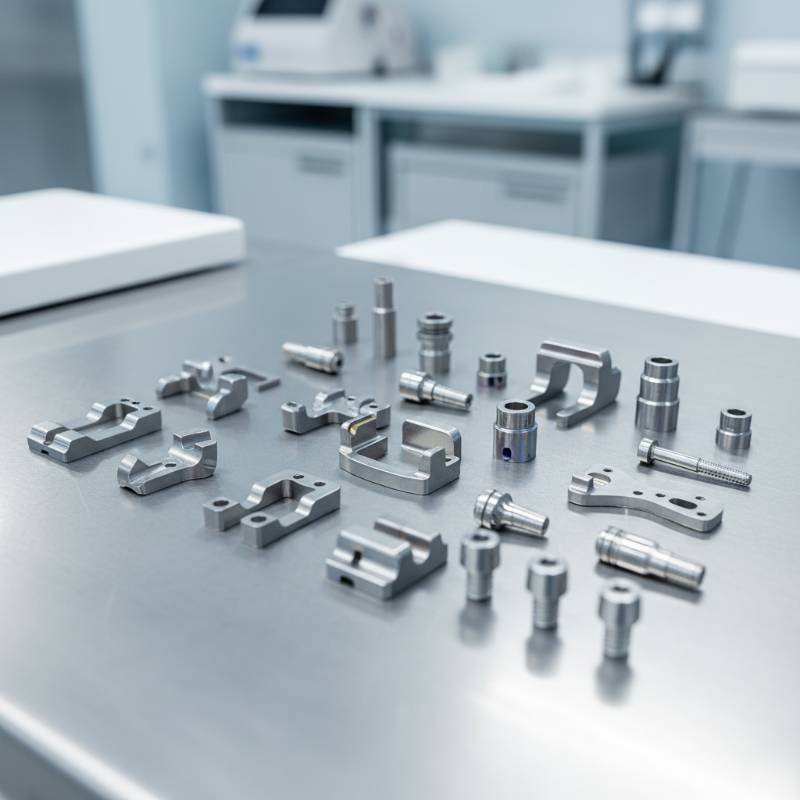
The longevity of your precision dies depends heavily on the quality of the incoming strip. Our Custom Slitting service is designed to interface seamlessly with complex progressive dies. We understand that "standard" isn't enough when you are dealing with micron-level tolerances.
By controlling the edge burr height to less than 10% of the material thickness, we prevent premature die wear. Clean, square edges mean your punches don't have to work harder than necessary, extending the life of your tooling between sharpenings.
For high-volume production, consistency is the only metric that matters. We provide full traceability for every coil, ensuring that the mechanical properties—such as elongation and grain size—remain uniform from the first foot to the last.
Industry-Specific Standards: AS9100 and ISO 13485
Quality in titanium processing isn't optional; it's a regulatory requirement. We maintain strict compliance with AS9100 for aerospace and ISO 13485 for medical devices.
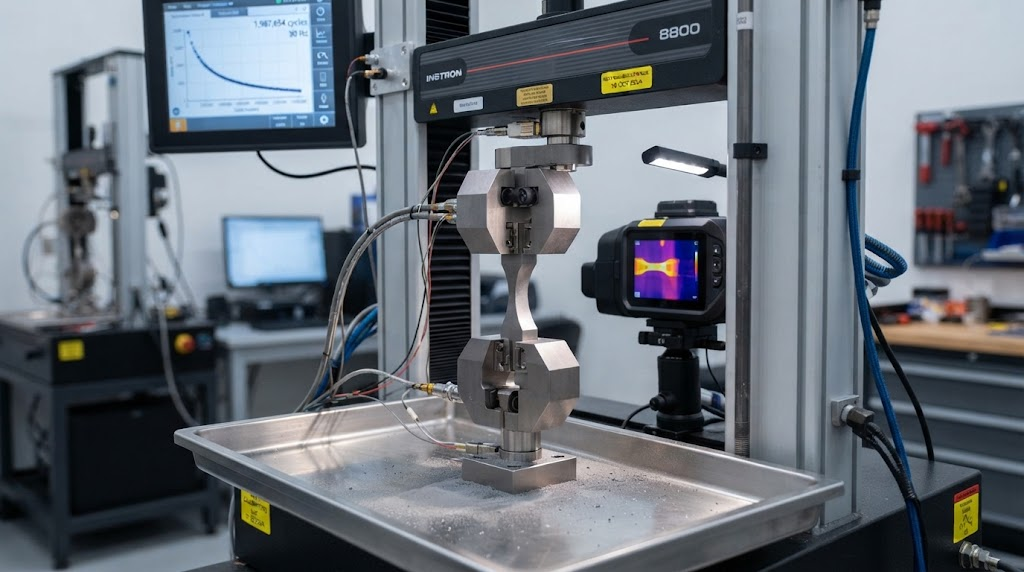
Our automated inspection systems are calibrated to detect surface defects that the human eye might miss. This includes micro-cracks, inclusions, or roll marks that could compromise the structural integrity of a turbine blade or a spinal implant. Every shipment from China Titanium Factory includes comprehensive material test reports (MTRs) and certificates of conformance.
Sustainability and Carbon Footprint
In 2026, procurement is no longer just about price and quality; it's about the carbon footprint. Titanium production is energy-intensive, making efficient processing a moral and economic imperative. Our Ultra-Lean Yield Protocol directly contributes to lower Scope 3 emissions by reducing the volume of raw material required per finished part.
We provide documented sustainability data for our processing lines, helping our global partners meet their ESG (Environmental, Social, and Governance) goals. By optimizing material yield, we ensure that less titanium needs to be melted and forged, significantly lowering the overall environmental impact of your supply chain.
Frequently Asked Questions
How do you prevent galling during automated titanium stamping?
We recommend using cold-rolled coils with a specific surface roughness (Ra) optimized for lubricant retention. Additionally, our precision slitting ensures burr-free edges, which reduces the friction points where galling typically begins.
What is the minimum slit width available for Grade 5 titanium?
For Grade 5 (Ti-6Al-4V), we can achieve slit widths down to 3.2mm. However, this depends on the material thickness and temper. Narrower widths may require specialized tooling to prevent edge deformation.
What are the typical lead times for custom titanium slitting?
Standard lead times for stocked grades are 1-2 weeks. For custom grades or specific temper requirements, lead times typically range from 4 to 6 weeks, including full quality certification.