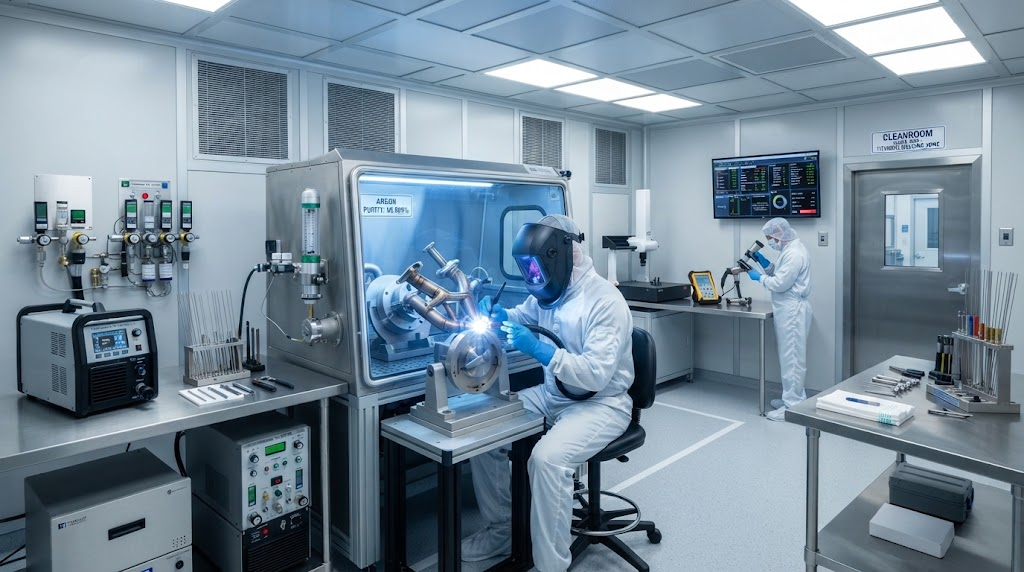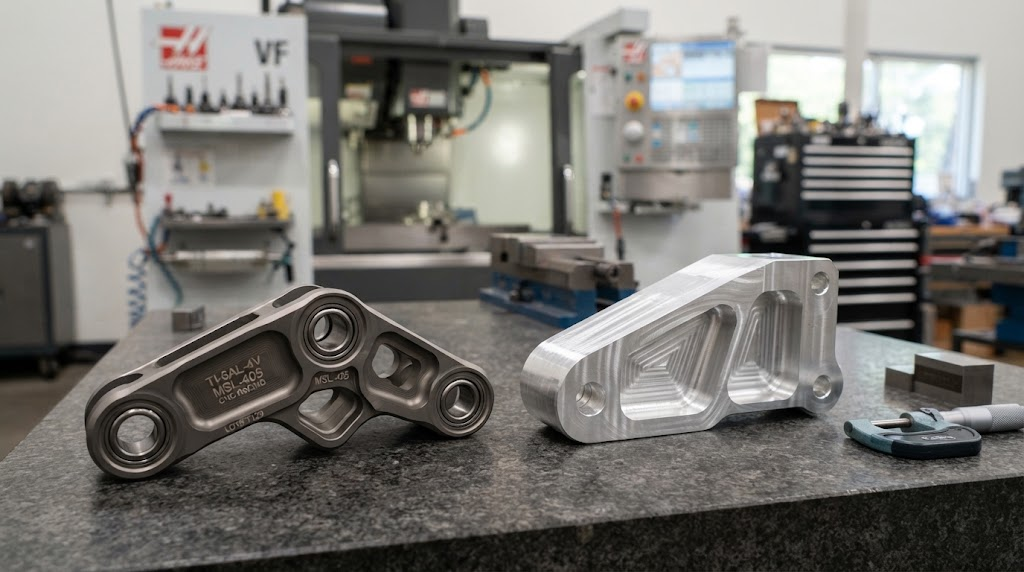





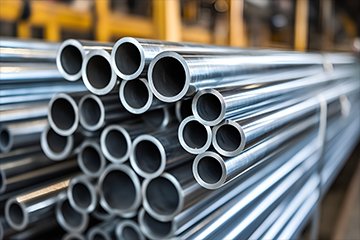
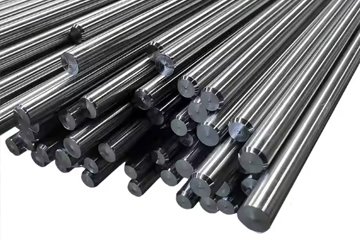

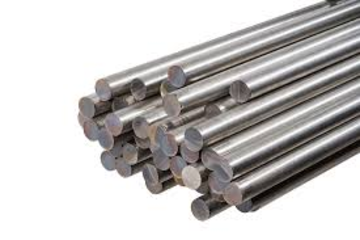



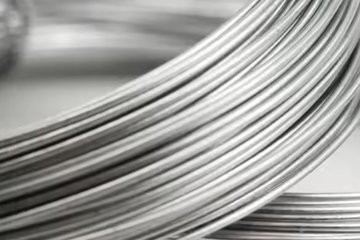











Swiss-style lathes have revolutionized how we process Swiss Machining Titanium Rods. These machines provide the rigidity needed for small-diameter parts that would otherwise deflect on a standard CNC lathe.
At China Titanium Factory, we’ve observed that as of 2026, the demand for micro-scale titanium components in neuro-surgery and satellite propulsion has outpaced traditional manufacturing limits. Achieving tolerances of ±0.0002 inches requires more than just a good machine; it requires a deep understanding of titanium’s unique metallurgical "temperament."
Why is Titanium Rod Difficult to Machine?
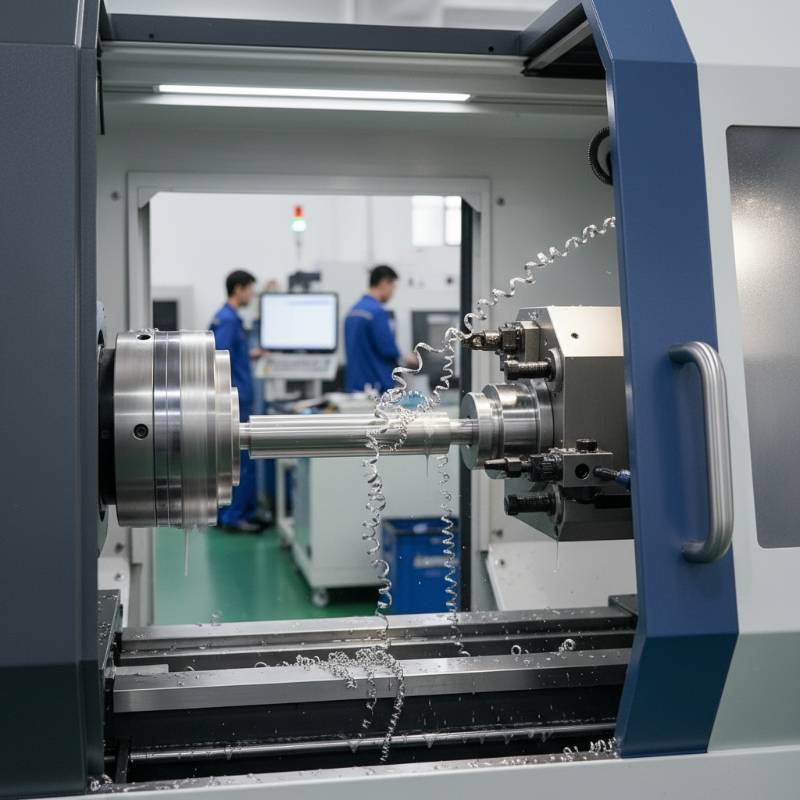
Titanium rod is difficult to machine because its low thermal conductivity prevents heat from dissipating through the chip, forcing it to concentrate at the tool's cutting edge. Additionally, its low Young’s modulus causes the material to "spring back" or deflect away from the tool, leading to chatter and dimensional inaccuracy.
In our testing, we have found that heat is the primary enemy. While steel allows heat to escape through the swarf, titanium keeps it at the interface. This causes rapid chemical breakdown of even the highest-quality carbide tools.
Furthermore, the material's elasticity means it doesn't just cut; it pushes back. Without the sliding headstock and guide bushing of a Swiss machine, long Precision Titanium Rods would vibrate uncontrollably, destroying the surface finish.
Overcoming Work Hardening and the 'Sticking' Tendency
Titanium has a notorious reputation for "galling"—a phenomenon where the metal sticks to the cutting edge. This built-up edge (BUE) effectively changes the tool geometry mid-cut, leading to immediate part failure.
"Work hardening occurs when the material is subjected to stress without effective shearing. If a tool dwells for even a millisecond, the surface layer of the titanium rod hardens significantly, making the next pass nearly impossible."
To combat this, we utilize positive-rake geometries and extremely sharp edges. We define high-performance titanium machining as a "constant-motion" process. Based on our data, using polished inserts reduces the friction coefficient enough to prevent the "sticking" tendency common in Ti-6Al-4V grades.
Technical Optimization: Titanium Machining Feed and Speed
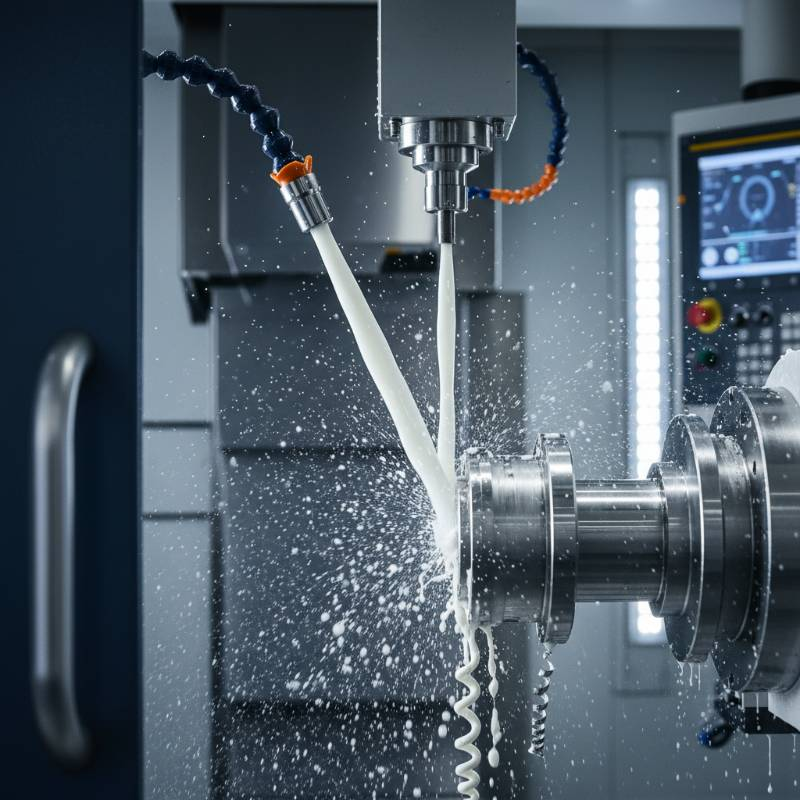
Success in Titanium Machining Feed and Speed is found in the "Goldilocks Zone"—fast enough to stay ahead of the heat, but slow enough to preserve the tool edge.
| Operation | Surface Speed (m/min) | Feed Rate (mm/rev) | Coolant Pressure |
|---|---|---|---|
| Turning | 40 – 90 | 0.05 – 0.15 | 70 - 100 Bar |
| Threading | 15 – 30 | Pitch-based | 100 Bar |
| Micro-Drilling | 20 – 40 | 0.01 – 0.03 | Through-tool |
We mandate a 70-100 bar high-pressure cooling system. Standard flood coolant is insufficient. At these pressures, the coolant acts as a mechanical wedge, forcing chips away from the tool and instantly quenching the cutting zone. This is non-negotiable for maintaining 24/7 production cycles in 2026.
The Ti-Sync™ 4-Point Precision Protocol
To standardize quality across complex batches, we developed the Ti-Sync™ 4-Point Precision Protocol. This proprietary methodology ensures that every titanium rod processed meets aerospace-grade benchmarks.
Thermal Stabilization: Pre-heating the machine and using chilled coolant to maintain a ±1°C environment.
Vibration Dampening: Using custom-ground guide bushings tailored to the specific rod stock diameter to eliminate "whipping."
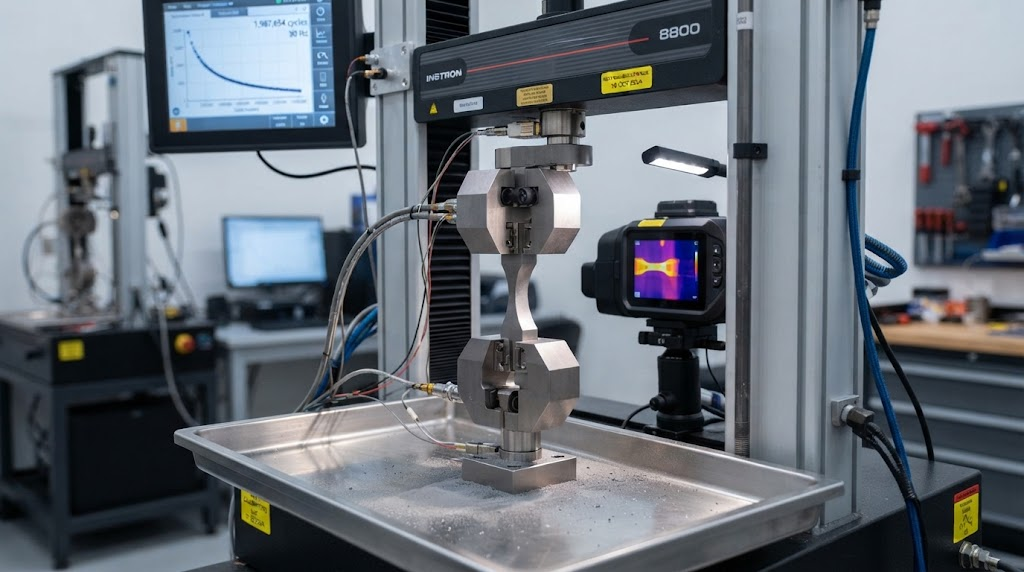
Real-time DFM Feedback: Integrating acoustic emission sensors to detect tool wear before it impacts part geometry.
Automated Tool-Life Monitoring: Forcing tool changes at 80% of expected life to guarantee zero-defect output.
Micro-Machining Titanium for Medical and Aerospace Excellence
Precision is not a luxury in industries like medical technology. We specialize in micro-machining titanium rods under 1mm for neuro-implants and dental screws. Using Ti-6Al-4V ELI (Extra Low Interstitials), we ensure biocompatibility while maintaining high fatigue strength.
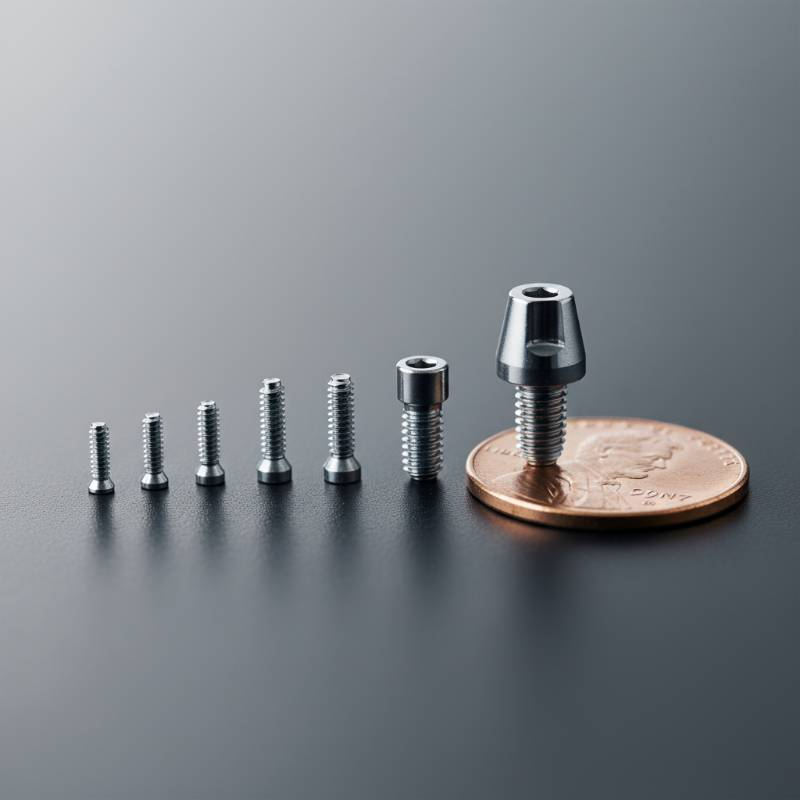
According to research by ASM International, the grain structure of the rod stock significantly impacts the consistency of Swiss machining. By sourcing only triple-melted titanium, we provide the surface integrity required for AS9100-compliant aerospace fasteners.
Frequently Asked Questions About Swiss Machining Titanium
Does titanium machining cost more than stainless steel?
Yes. Due to slower cycle times, specialized tooling, and high-pressure coolant requirements, titanium machining typically costs 30-50% more than 316 stainless steel. However, the strength-to-weight ratio often offsets this cost in high-performance applications.
What is the best material grade for Swiss machining?
Grade 5 (Ti-6Al-4V) is the most common. For medical implants, Grade 23 (Ti-6Al-4V ELI) is preferred due to its higher purity and superior fracture toughness. Both respond exceptionally well to Swiss-style setups.
How do you prevent fire when machining titanium?
Titanium chips are pyrophoric. We mitigate this risk using high-pressure oil-based coolants, specialized chip breakers to prevent long "stringers," and automatic fire suppression systems integrated into our CNC units.
Ready for Zero-Defect Titanium Parts?
Stop struggling with tool breakage and inconsistent tolerances. Leverage our Ti-Sync™ protocol for your next project.
Get a Precision Quote Today