









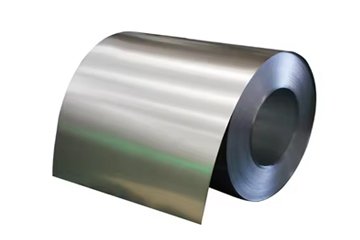
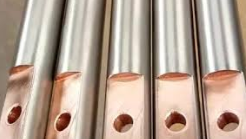










Efficient water disinfection hinges on the reliability of the electrochemical cell. At China Titanium Factory, we engineer Mixed Metal Oxide (MMO) titanium anodes that define the standard for on-site sodium hypochlorite generation. By leveraging advanced metallurgy and precision coating techniques, we enable industrial and municipal operators to produce high-purity disinfectant directly from brine or seawater.
The Science of Electro-Chlorination: How It Works
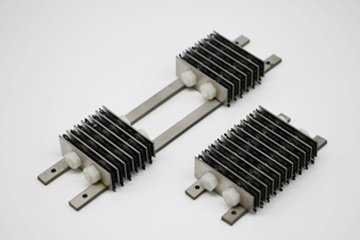
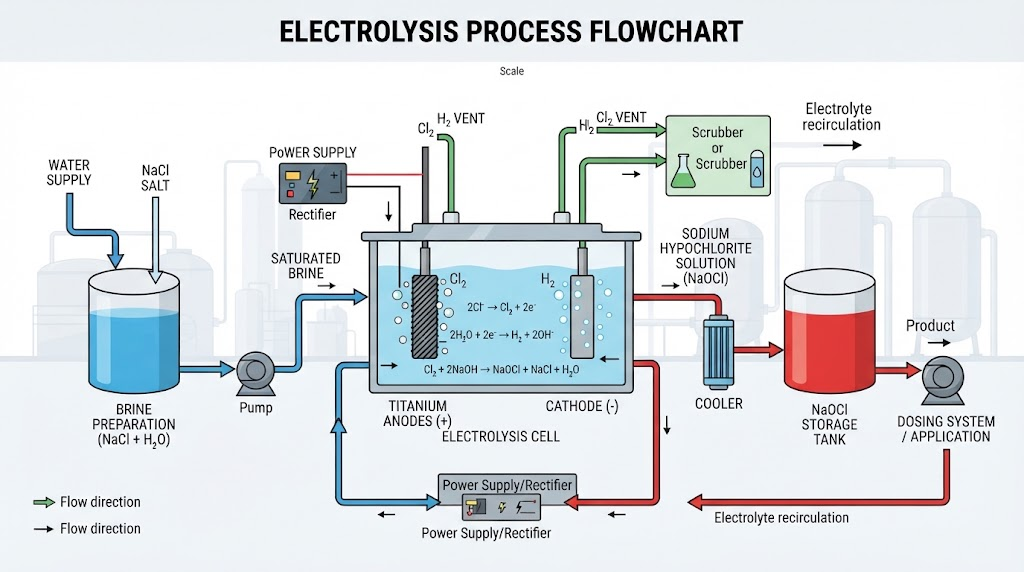
Titanium anodes for sodium hypochlorite generation function as Dimensionally Stable Anodes (DSA). They utilize a Titanium Grade 1 substrate to withstand the aggressive chemical environment of electrolysis. When a direct current passes through a brine solution (NaCl + H2O), a series of electrochemical reactions occur.
At the anode, chloride ions are oxidized to produce chlorine gas (Cl2). This gas immediately reacts with the hydroxide ions produced at the cathode, forming Sodium Hypochlorite (NaClO). This "on-site" method is significantly safer than storing pressurized chlorine gas or bulk liquid bleach.
"The efficiency of chlorine evolution is directly proportional to the electrocatalytic activity of the Ru-Ir coating. Our latest 2026 formulations achieve a chlorine evolution potential of less than 1.13V vs. SCE." — Senior Electrochemical Engineer, China Titanium Factory.
The CTF-Durability Protocol: Our Proprietary Coating Framework
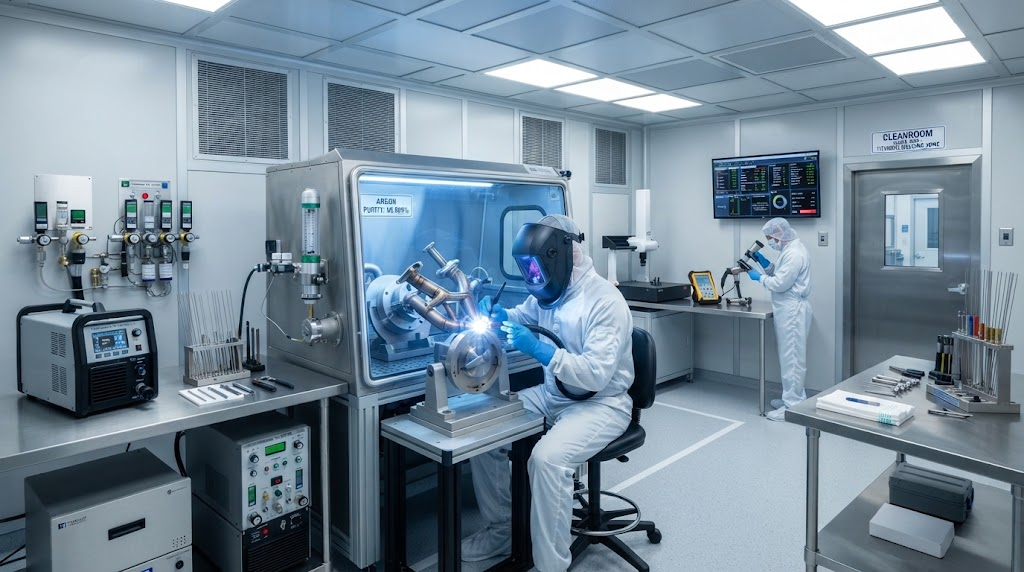
We don't just apply coatings; we engineer them through the CTF-Durability Protocol. This 12-step thermal decomposition process ensures that the Mixed Metal Oxide (MMO) layer bonds at a molecular level with the titanium base. This prevents the "peeling" effect common in low-tier anodes.
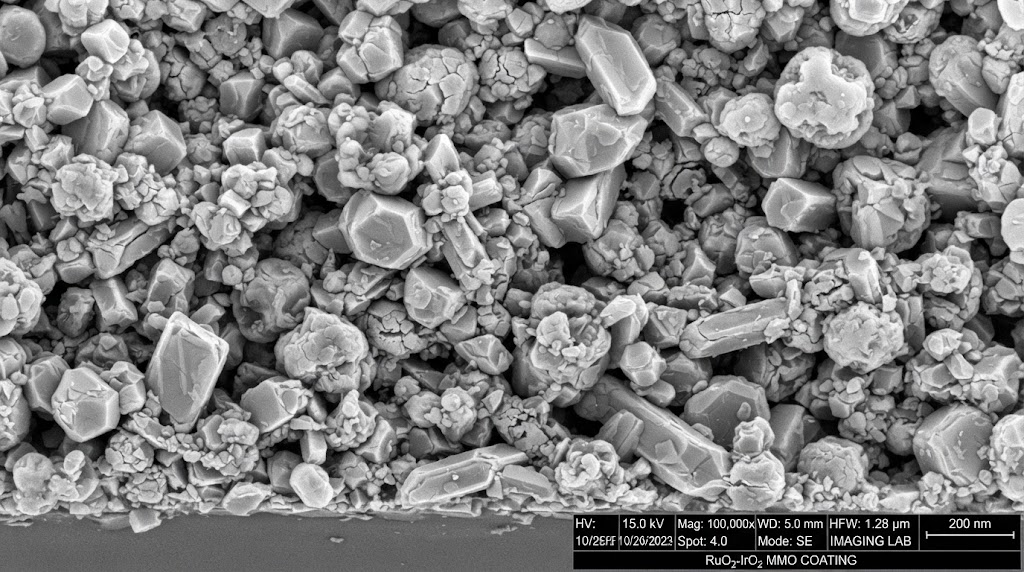
Our protocol involves multiple layers of Ruthenium-Iridium oxide applied in a controlled atmosphere. We monitor the grain size of the coating using SEM (Scanning Electron Microscopy) to ensure a high surface area, which maximizes the electrolytic reaction sites. This results in an anode that maintains high current density with minimal voltage increase over time.
Technical Specifications and Performance Benchmarks
Procurement for water treatment projects requires rigorous adherence to ASTM B265 standards. We utilize Grade 1 titanium because of its superior ductility and resistance to hydrogen embrittlement during the cathodic cycle of reverse-polarity cells.
| Parameter | Standard Brine Anode | Seawater High-Flow Anode |
|---|---|---|
| Substrate Material | ASTM B265 Grade 1 | ASTM B265 Grade 1 |
| Coating Composition | RuO2 + IrO2 + TiO2 | Enhanced IrO2 + RuO2 |
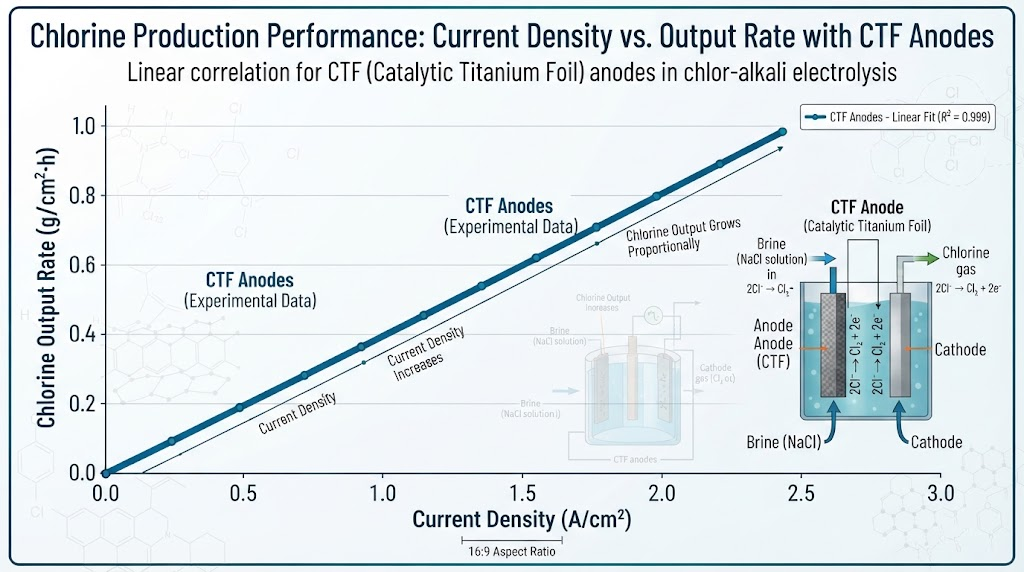
| Current Density | < 1000 A/m² | < 1500 A/m² |
| Chlorine Evolution Potential | ≤ 1.13 V | ≤ 1.15 V |
| Working Life (Accelerated) | > 200 Hours (ALT) | > 250 Hours (ALT) |
Industrial Applications: From Municipal Water to Marine Systems
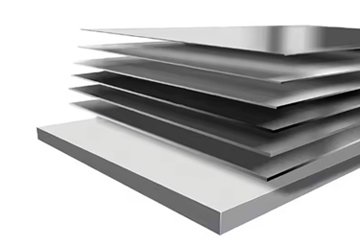
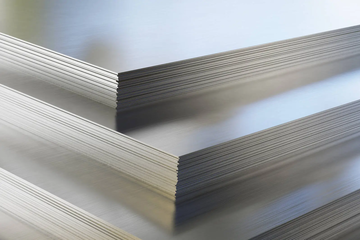
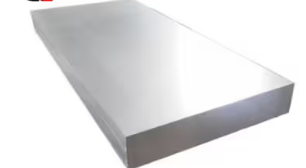
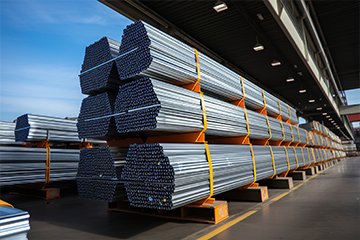
Our anodes are integrated into diverse systems worldwide. For large-scale infrastructure, we provide High-Quality Titanium Plates that are then coated and assembled into electrolyzer stacks.
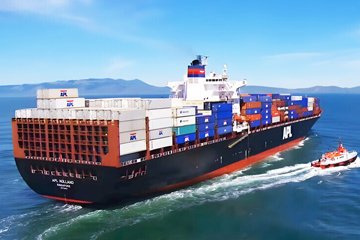
Ballast Water Treatment (BWMS): Anodes must withstand varying salinity levels. Our coatings prevent passivation even in brackish waters.
Cooling Tower Biofouling: Continuous low-level chlorine generation prevents the growth of Legionella and algae without the need for toxic biocides.
Municipal Drinking Water: Replacing chlorine gas with on-site generation reduces the risk to surrounding communities.
Industrial Desalination: Pre-treatment of seawater using electrolysis prevents membrane fouling.
Case Study: Optimizing Chlorine Output in Desalination
In 2025, a major desalination facility in the Middle East faced rapid anode degradation due to high operating temperatures (above 45°C). Their existing anodes were failing every 18 months, leading to high maintenance costs and system downtime.
We implemented a custom solution using our CTF-Durability Protocol with an increased Iridium ratio to stabilize the coating against oxygen evolution—a common side reaction in high-temperature electrolysis. After 12 months of operation, the cell voltage remained stable within 0.05V of the initial startup, and the facility reported a 12% reduction in power consumption per kg of chlorine produced.
Overcoming Challenges: Scaling and Depletion
The primary enemy of electrolytic cell efficiency is calcium and magnesium scaling. While the anode generates chlorine, the cathode attracts hardness ions. To combat this, many systems use reverse polarity. Our anodes are designed with a specialized interlayer that resists the stress of frequent current reversals.
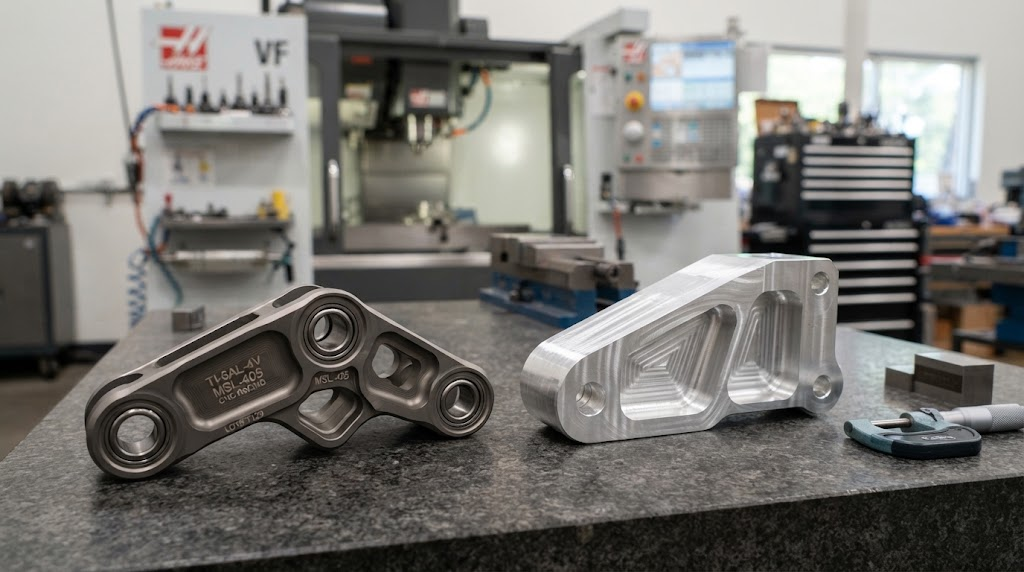
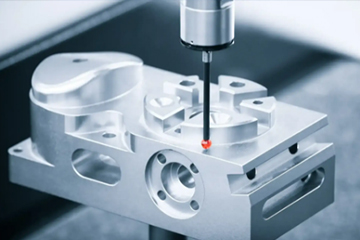
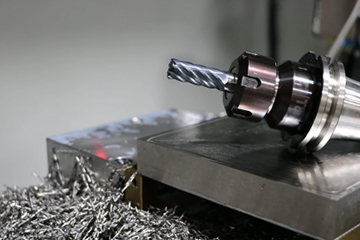
For complex cell geometries, we offer Precision CNC Machined Parts. This allows for tighter tolerances in plate spacing, which directly reduces the ohmic resistance of the electrolyte and lowers your electricity bill.
2026 Market Trends: The Shift Toward On-Site Generation
As we move through 2026, the global water treatment market is shifting toward "Safe-by-Design" technologies. Regulatory bodies like NACE International are emphasizing the reduction of hazardous chemical transport. This has led to a 25% year-over-year increase in the adoption of on-site hypochlorite generators.
Furthermore, the integration of IoT-enabled rectifiers allows for real-time monitoring of anode health. Our anodes are now being manufactured with signature voltage profiles that allow AI-driven maintenance systems to predict coating end-of-life with 98% accuracy.
Why China Titanium Factory is Your Strategic Partner
China Titanium Factory is more than a manufacturer; we are an engineering partner. Our facility is ISO 9001:2015 certified, and all our electrolytic products carry the CE mark for European market compliance. We offer:
Custom Coating Formulations: Tailored to your specific water chemistry (salinity, pH, temperature).
Rapid Prototyping: CNC-machined titanium substrates delivered within days for R&D testing.
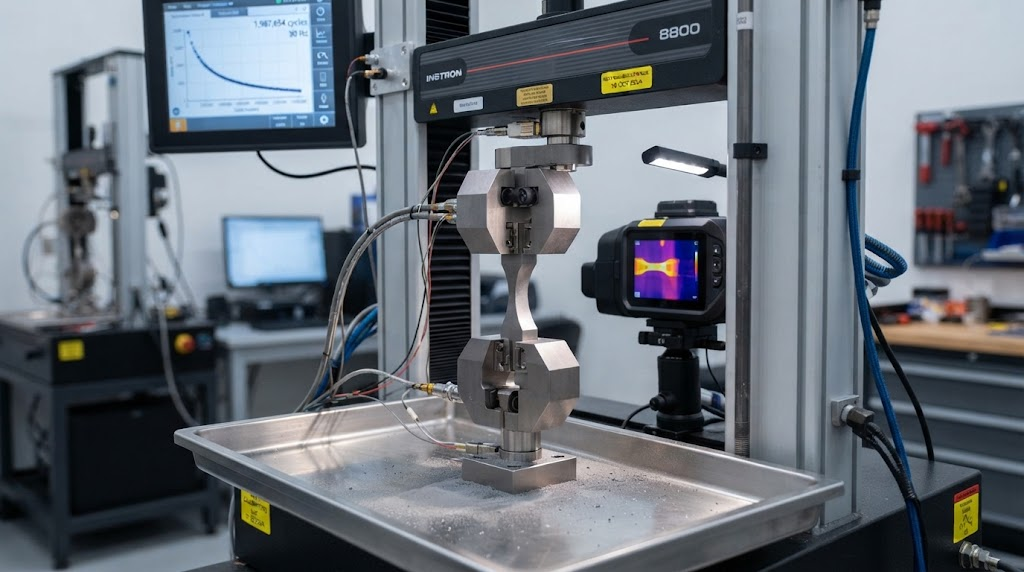
Accelerated Life Testing (ALT): Comprehensive data reports provided with every batch to guarantee service life.
Frequently Asked Questions
What is the typical lifespan of an MMO titanium anode?
Depending on the current density and water quality, our anodes typically last between 3 to 7 years. In seawater ballast applications, we often see lifespans exceeding 5 years with proper maintenance.
Can titanium anodes be recoated?
Yes. As long as the titanium substrate is not physically damaged or severely corroded, we can strip the old oxide layer and apply a fresh MMO coating, restoring the anode to 100% efficiency at a fraction of the cost of a new part.
What is the lead time for custom anode plates?
Standard plates are often in stock. Custom CNC-machined and coated anodes typically have a lead time of 2 to 4 weeks, depending on the complexity and batch size.
Ready to Optimize Your Water Treatment System?
Get technical consultation and custom quotes from our senior engineering team today.
Request a Custom Quote