




















Titanium Ball and Gate Valves for Corrosive Fluid Control
In high-stakes industrial processing, the choice of valve material dictates the lifespan of the entire piping system. Titanium ball and gate valves represent the pinnacle of Industrial Valve Solutions for 2026, offering a unique combination of lightweight design and immunity to aggressive media.
Managing corrosive fluids like wet chlorine, sea water, and nitric acid requires hardware that does more than just stop flow. It requires metallurgical stability. Our titanium components ensure that your operations remain leak-free even under the most punishing chemical stressors.
What are Titanium Industrial Valves?
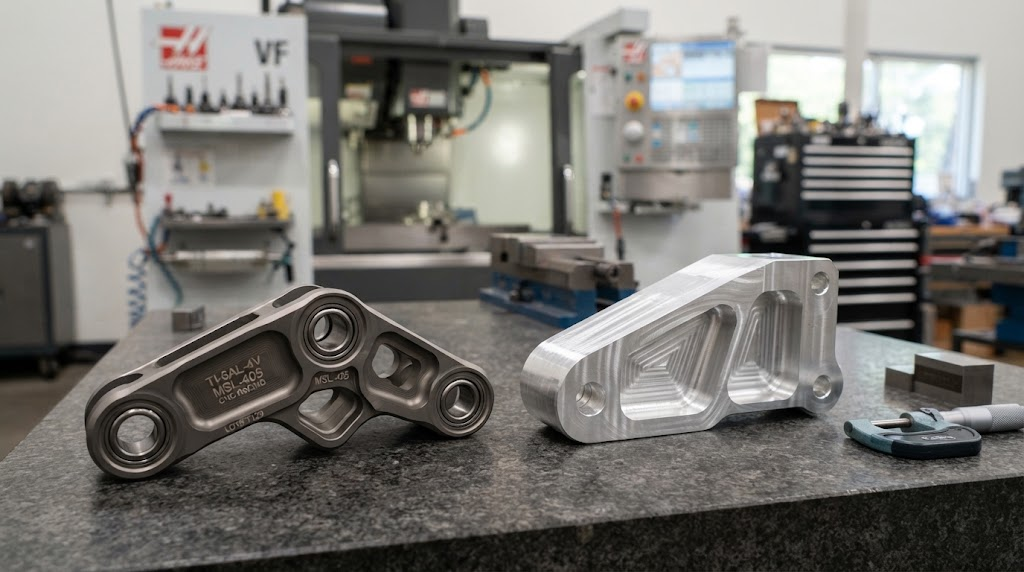
Titanium industrial valves are specialized flow control devices manufactured from Grade 2 or Grade 5 titanium alloys. They are specifically engineered to provide high strength-to-weight ratios and exceptional resistance to localized corrosion, such as pitting and crevice corrosion, in chloride-heavy environments.
Unlike traditional alloys, titanium forms a tenacious, self-healing oxide film instantly upon exposure to oxygen. This layer makes it the preferred choice for Corrosion Resistant Materials in desalination, offshore oil and gas, and chemical synthesis plants.
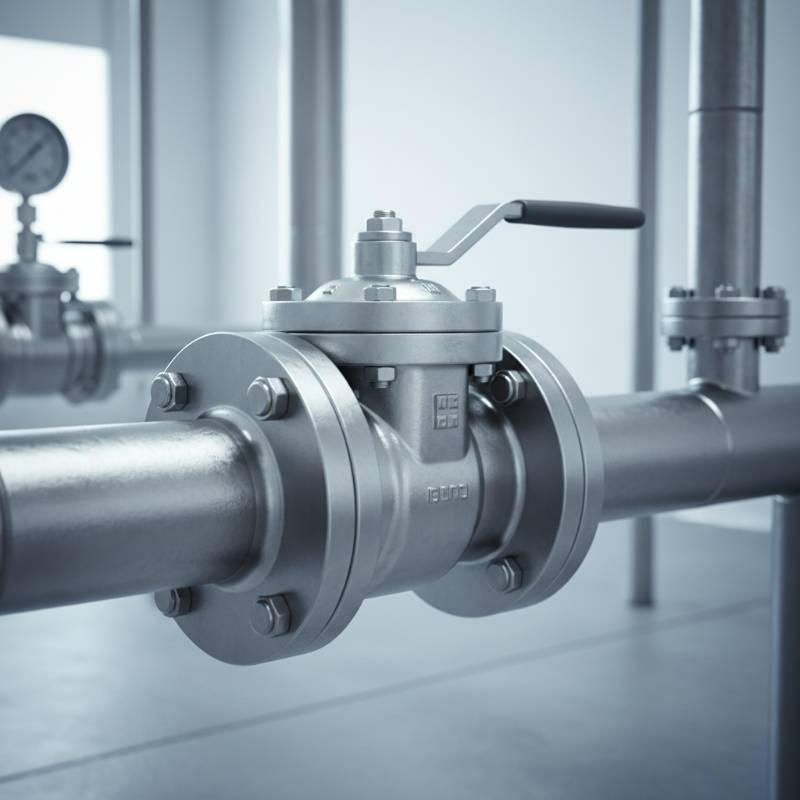
"Titanium's resistance to seawater is so high that it is considered virtually immune to corrosion in marine environments at temperatures up to 260°C." — Based on data from NACE International.
The Ti-Galling Mitigation Protocol: Solving Titanium Wear
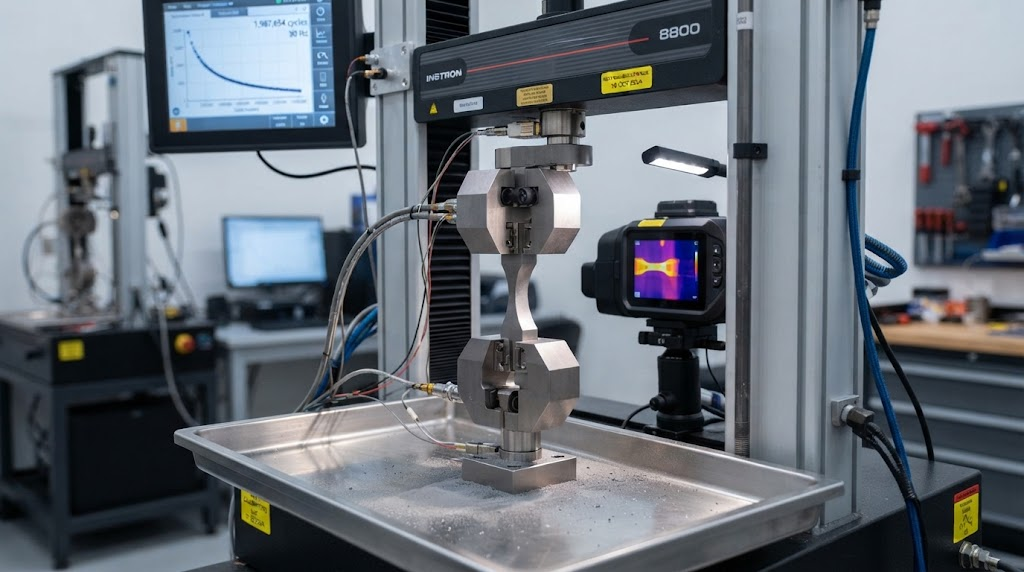
A significant challenge in titanium valve engineering is "galling"—a form of adhesive wear where moving metal surfaces seize or tear. In our 2026 manufacturing cycle, we have perfected The Ti-Galling Mitigation Protocol to ensure smooth actuation over thousands of cycles.
Our methodology involves a three-tier approach to surface integrity:
Surface Hardening: We utilize advanced Anodizing and Nitriding processes to increase the surface hardness of stems and gates, preventing metal-to-metal bonding.
Non-Metallic Barriers: We prioritize the use of high-performance PTFE seats or PEEK seals. These materials provide a low-friction interface that eliminates the risk of galling.
Precision Tolerances: By maintaining strict machining offsets, we ensure that contact pressure is evenly distributed across sealing surfaces.
This protocol ensures that our titanium ball valves and titanium gate valves maintain their torque requirements throughout their service life, even in non-lubricated corrosive media.
Titanium Ball Valves: Floating vs. Trunnion Mounted
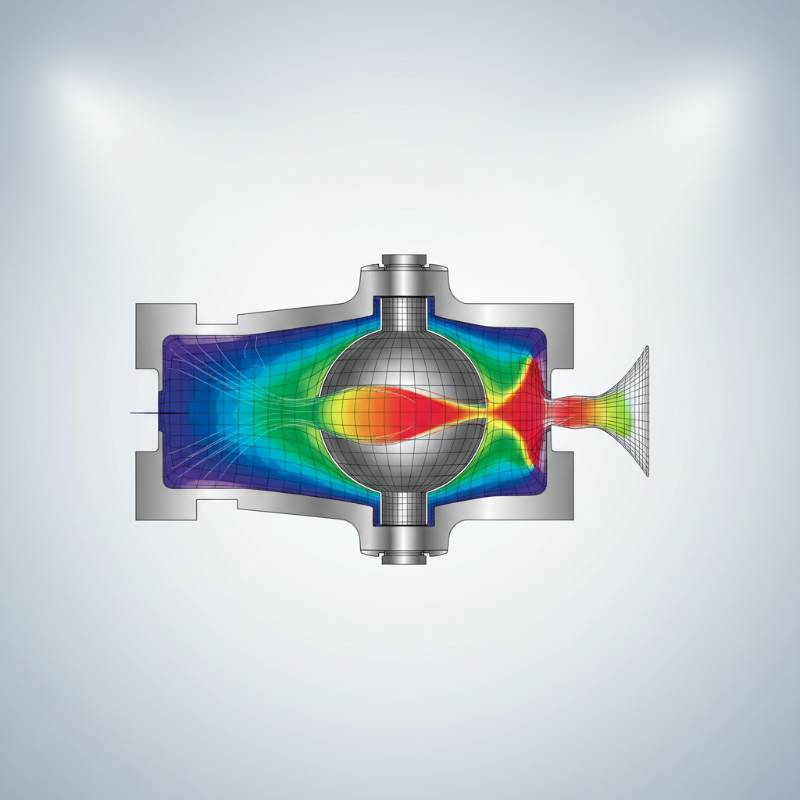
Our ball valves are designed for rapid shut-off and reliable sealing. We use Computational Fluid Dynamics (CFD) simulations to analyze flow patterns, ensuring minimal pressure drop and turbulence within the valve body.
Floating Ball Valves
Ideally suited for lower pressure applications, the floating design uses the upstream pressure to push the ball against the downstream seat. This creates a tight seal and is highly effective for chemical resistant valves in Class 150 and Class 300 ratings.
Trunnion Mounted Valves
For high-pressure systems (Class 600 to Class 1500), we utilize a trunnion design. The ball is fixed at the top and bottom, while the seats are spring-loaded. This reduces operating torque and is essential for Grade 5 titanium applications where high mechanical stress is present.
Titanium Gate Valves for Slurry and High-Pressure Applications
When handling corrosive slurries or viscous media, gate valves are the industry standard. Our wedge gate valves feature a streamlined flow path that prevents the accumulation of solids that can lead to valve failure.
Key features include:
Rising Stem Design: Allows for immediate visual confirmation of valve position.
ASTM B367 Castings: High-integrity castings ensure the valve body meets ASME B16.34 dimensional and pressure requirements.
NACE MR0175 Compliance: Standard for all sour gas and sulfide-rich environments.
Technical Specifications: Pressure Classes and Temperature Limits
Engineers must match valve specifications to the specific thermodynamic properties of their process. The following table outlines the standard capabilities of our titanium valve lineup.
| Parameter | Ball Valve (Soft Seat) | Gate Valve (Metal-Seated) |
|---|---|---|
| Pressure Class | Class 150 - Class 600 | Class 150 - Class 1500 |
| Temperature Range | -29°C to 200°C (PTFE) | -29°C to 450°C |
| Max Temp (PEEK) | Up to 260°C | N/A |
| Materials | Gr. 2, Gr. 5, Gr. 12 | Gr. 2, Gr. 7, Gr. 12 |
Industry Standards: API 598 and API 607 Compliance
Trust is built on verification. At China Titanium Factory, our quality control process is anchored by international benchmarks. Every valve undergoes rigorous testing before shipment.
We provide full Material Test Reports (MTRs) with every order, confirming the chemical composition and mechanical properties of the titanium used.
Custom Engineering: Request a Non-Standard Valve Quote
Standard off-the-shelf solutions don't always fit the unique parameters of highly specialized chemical processes. Our Custom Engineering Services allow you to specify exact dimensions, alloy grades, and sealing configurations.
Optimize Your Fluid Handling Today
Submit your corrosive media parameters (pH, temperature, pressure, chloride concentration) and our metallurgical experts will design a custom titanium solution for you.
Request Custom Valve QuoteFrequently Asked Questions
Is Grade 2 or Grade 5 titanium better for valves?
Grade 2 is "commercially pure" and offers excellent corrosion resistance and weldability, making it ideal for most chemical applications. Grade 5 (Ti-6Al-4V) is an alloy with much higher strength, preferred for high-pressure trunnion mounted ball valves.
How do you maintain titanium valves?
Maintenance is minimal due to the material's resistance. However, regular inspection of the PTFE seats and stem packing is recommended. Because titanium is self-healing, the body typically requires no painting or coating.
What is the life-cycle cost of titanium vs. stainless steel?
While the initial investment is higher, the life-cycle cost of titanium is significantly lower in corrosive environments. Titanium eliminates the need for frequent replacements and avoids costly production downtime caused by valve failure.
About the Author: This guide was authored by the Metallurgical Engineering Team at China Titanium Factory, specialists in ASTM B367 and ASME B16.34 compliant fluid control systems for the global chemical processing industry.