














The Evolution of Heritage Conservation: Titanium Architectural Cladding
Preserving the past often requires the technology of the future. In 2026, the shift toward Titanium Architectural Cladding has moved from experimental high-design to the gold standard for high-stakes Heritage Building Restoration. We no longer just "patch up" landmarks; we fortify them for centuries.
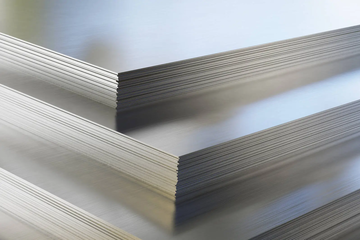
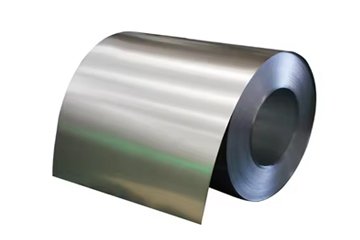
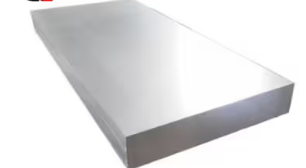
Definition: Titanium Architectural Cladding refers to the use of Grade 1 or Grade 2 commercially pure titanium panels to provide an impermeable, non-corrosive outer skin for buildings, specifically selected for its ability to mimic traditional lead or zinc patinas while offering superior structural protection.
Traditional metals like copper and lead have served history well. However, as atmospheric acidity changes and the need for structural reinforcement grows, these materials often fail to protect the underlying historic fabric. Titanium is different. It is inert. It is permanent. It is the ultimate shield.
Superior Thermal Performance: Condensation Prevention in Roof Frames
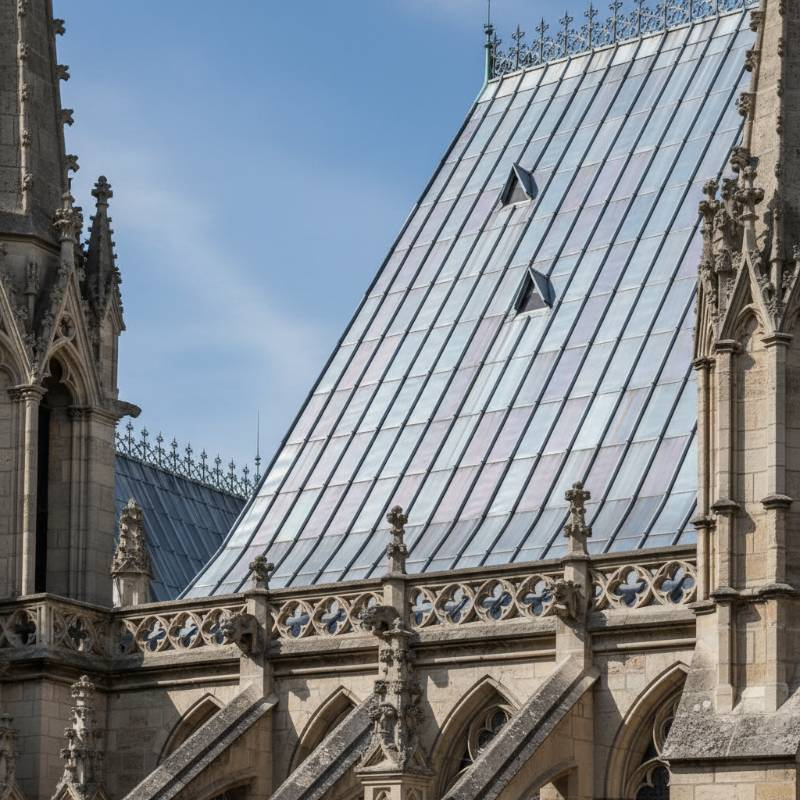
One of the silent killers of ancient wooden structures is interstitial condensation. When warm air from inside a building hits a cold metal roof, moisture forms. Over decades, this rots the very timber frames we aim to save. Titanium changes this dynamic entirely.
Titanium’s thermal conductivity is remarkably low—only 8.0 W/(m·K). This is significantly lower than steel or aluminum. Because titanium does not transfer heat as rapidly, the temperature gradient between the interior and exterior of the roof remains more stable. This stability is the key to condensation prevention in roof frames.
The Role of Linear Expansion
Thermal movement kills masonry joints. Titanium’s linear expansion coefficient is lower than that of stainless steel and most copper alloys. This means less stress on fasteners and the original building substrate during seasonal temperature swings. By minimizing movement, we protect the brittle historic mortar and wood that titanium is designed to cover.
The Millennia-Scale Life: A New Standard for Sustainability
Sustainability in 2026 isn't about using recycled plastic; it's about building things that never need to be replaced. We define the "Millennia-scale life" of titanium as its ability to withstand extreme atmospheric pollutants, salt spray, and acid rain for over 1,000 years without significant mass loss.
For a heritage site, the most environmentally damaging event is a major renovation every 50 years. Titanium eliminates this cycle. It is a zero-maintenance material. No coatings, no repainting, and no chemical cleaning are required. Furthermore, its high recycling value ensures that it remains a permanent asset rather than future waste, aligning perfectly with modern ASTM international standards for sustainable construction.
The Aero-Heritage™ Integration Protocol
At the intersection of aerospace engineering and classical architecture, we have developed the Aero-Heritage™ Integration Protocol. This is not just a mounting system; it is a philosophy of "Invisible Modernization."
The protocol follows three strict pillars:
Aesthetic Alignment: Using vacuum-annealed finishes to match the non-reflective, matte appearance of aged lead or weathered zinc.
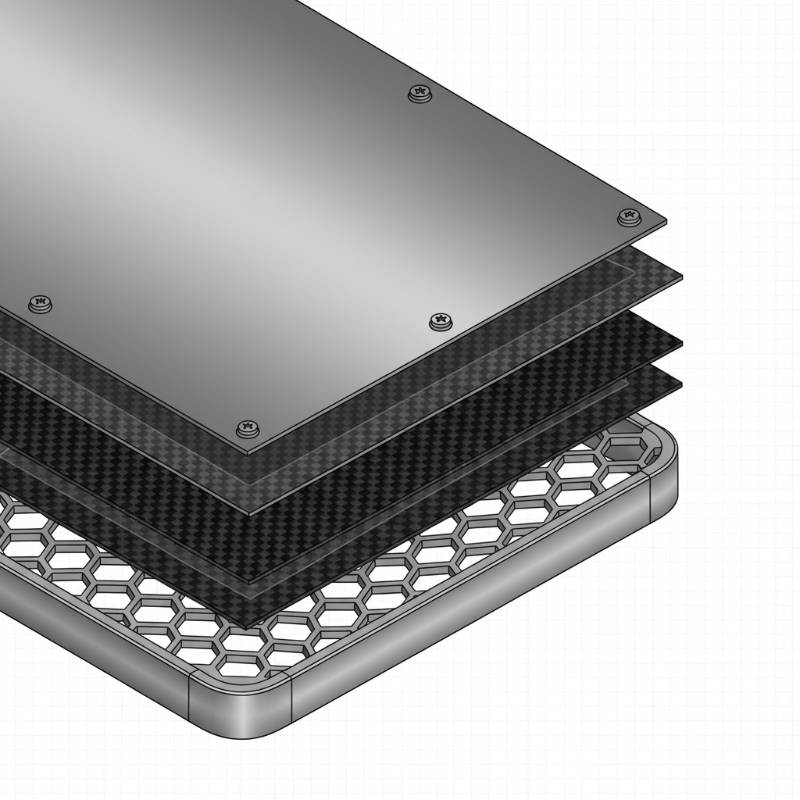
Substrate Symbiosis: Implementing breathable membrane layers between the titanium and the historic wood to ensure zero moisture entrapment.
Reversible Intervention: Ensuring all titanium elements can be removed without damaging the original 18th or 19th-century masonry, adhering to the core tenets of conservation.
Advanced Compatibility: Titanium and Carbon Fiber Reinforcement
Modern restoration often utilizes Carbon Fiber Reinforced Polymers (CFRP) to strengthen sagging ancient beams or domes. However, pairing CFRP with traditional metals like aluminum or galvanized steel is a recipe for disaster. This leads to potentiometric corrosion (galvanic corrosion), where the carbon fiber acts as a cathode and eats away the metal.
Titanium does not cause potentiometric corrosion with carbon fiber. This is due to titanium's exceptionally high electrical resistance and its stable oxide layer. According to our analysis, titanium is the only viable metallic cladding for ancient temple roofs that have been structurally reinforced with carbon fiber. It creates a chemically inert environment, allowing the structural reinforcement and the protective skin to coexist for centuries.
Comparative Analysis: Lifecycle ROI and Material Performance
When evaluating the "Restoration Cost Calculator," many stakeholders focus on the initial material price. This is a mistake. Titanium's value is realized in the absence of failure.
| Property | Titanium | Copper | Zinc |
|---|---|---|---|
| Expected Lifespan | 1,000+ Years | 80-100 Years | 60-80 Years |
| Thermal Conductivity | 8.0 W/(m·K) | 400 W/(m·K) | 116 W/(m·K) |
| CFRP Compatibility | Excellent | Poor (Corrosive) | Very Poor |
| Maintenance | Zero | Low-Medium | Medium |
Navigating Global Standards for Landmark Restoration
Substituting traditional materials with titanium requires a nuanced approach to compliance. In the United States, this means adhering to the Secretary of the Interior’s Standards for the Treatment of Historic Properties. The key is "visual continuity."
Heritage conservation specialists often worry that titanium will look "too new." By utilizing specific bead-blasted or chemically etched finishes, we can achieve a patina that is indistinguishable from traditional materials from a distance of five feet. This satisfies the aesthetic requirements of landmark boards while providing the structural benefits of 21st-century metallurgy.
Frequently Asked Questions about Titanium in Restoration
Does titanium weather or change color over time?
Unlike copper, which turns green, or zinc, which darkens, titanium is virtually inert. It will not develop a heavy patina. However, a very thin, transparent oxide layer forms naturally, which protects the metal. We can pre-weather the panels to your desired tone during manufacturing to ensure the look remains consistent for centuries.
Is titanium too expensive for non-governmental projects?
While the upfront cost is higher than copper, the lifecycle ROI is superior. When you factor in the zero-maintenance costs and the fact that the roof will never need replacement, titanium is often the most cost-effective solution for buildings intended to stand for more than 50 years.
How do you handle the installation of titanium panels on irregular historic shapes?
Titanium is highly ductile. Using modern CNC folding and laser cutting, we can replicate complex cornices, gargoyles, and domes with higher precision than traditional hand-beaten lead, all while maintaining the Aero-Heritage™ Protocol for substrate protection.
Preserve Your Legacy with Titanium
Stop managing decay and start ensuring permanence. Our specialists are ready to help you integrate titanium cladding into your next restoration project, ensuring your landmark survives the next millennium.
Contact our Heritage Conservation team today to discuss the Aero-Heritage™ Protocol for your site.