




















The Engineering Logic of Titanium in High-Performance Suspensions
In the world of high-performance chassis tuning, unsprung mass is the primary adversary of mechanical grip. Every gram removed from components like hub carriers, brake calipers, and shock mounts directly improves the suspension's ability to track road irregularities.
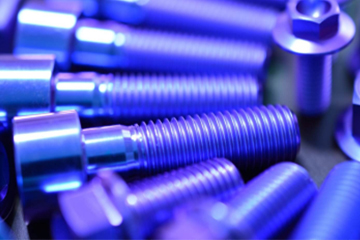
Titanium fasteners, specifically those forged from Ti-6Al-4V Grade 5, offer a unique solution. They provide the tensile strength of high-grade steel (8.8 or 10.9) at approximately 57% of the weight.
Our engineering data at China Titanium Factory shows that replacing a full set of suspension bolts on a GT3-spec vehicle can shed up to 4kg of unsprung weight. This weight reduction allows dampers to react faster, maintaining a more consistent tire contact patch during high-speed cornering.

Technical Advantages: Beyond Weight Reduction
Titanium fasteners for high-performance automotive suspension improve vehicle dynamics by reducing unsprung mass, providing exceptional fatigue resistance under cyclic loading, and maintaining stable torque tension in high-heat environments. These properties ensure that suspension geometry remains precise even under extreme racing conditions.
The Young's Modulus of titanium (approx. 114 GPa) is roughly half that of steel. This lower modulus allows titanium bolts to act as a micro-damper, absorbing high-frequency vibrations that would otherwise contribute to metal fatigue in the chassis components.
Furthermore, titanium's coefficient of thermal expansion is significantly lower than that of aluminum. When used in aluminum uprights or control arms, Titanium Fastener Specifications ensure that clamping force remains stable as temperatures rise during aggressive track sessions.
Engineering Insight: Grade 5 Titanium exhibits a tensile strength of 950 MPa and a yield strength of 880 MPa. This exceeds the requirements for SAE International standards for critical suspension hardware.
The CTF Zero-Defect Suspension Protocol
We utilize a proprietary manufacturing methodology known as the CTF Zero-Defect Suspension Protocol. This framework ensures that every bolt used in a safety-critical application meets aerospace-level tolerances.
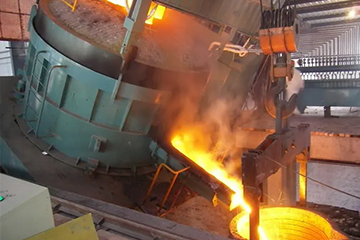
Our process begins with vacuum-melted Grade 5 titanium ingots. We verify the chemical composition through independent SGS/TUV lab reports to ensure compliance with ASTM B348 and AMS 4928 standards.
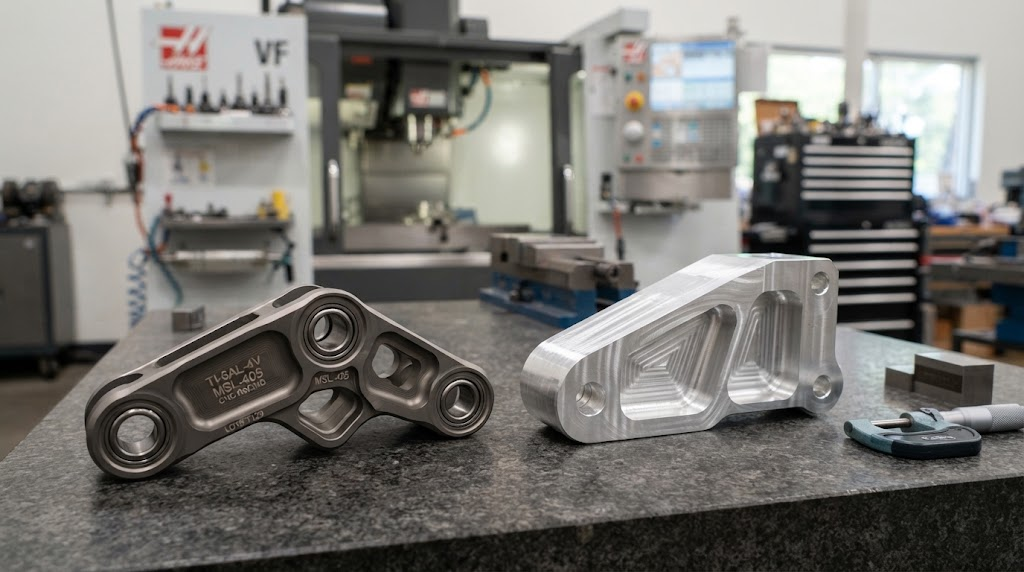
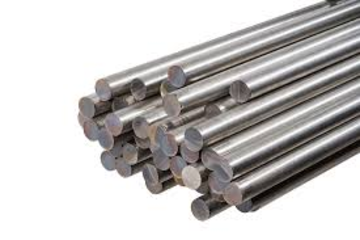
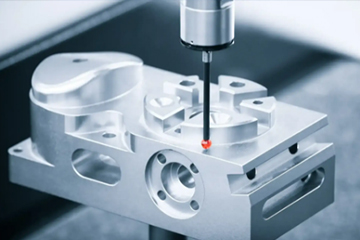
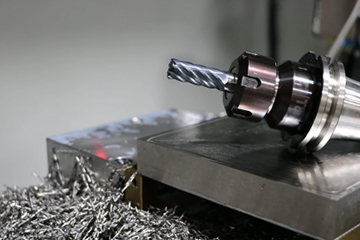
The protocol includes 100% ultrasonic flaw detection on all raw material rods before they enter our Custom CNC Machining Services. This eliminates the risk of internal voids or inclusions that could lead to catastrophic failure under load.
Manufacturing Excellence: CNC Machining vs. Cold Forging
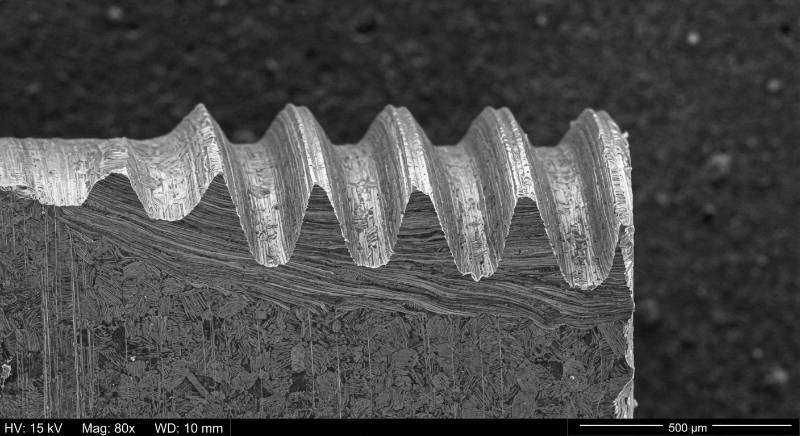
For suspension applications, the method of thread creation is non-negotiable. While many low-cost suppliers cut threads using CNC lathes, China Titanium Factory insists on thread rolling for all high-performance fasteners.
Thread rolling does not cut the material's grain flow; instead, it displaces the metal to form the thread profile. This results in a continuous grain structure, significantly increasing fatigue life and resistance to stress risers.
Our ISO 9001:2015 certified facility utilizes multi-die cold forging for bolt heads, followed by precision CNC finishing. This hybrid approach ensures that the bolt head can withstand the high-torque applications required for M10 and M12 suspension hardware without shearing.
Case Study: Reducing Lap Times in Professional GT Racing
In early 2026, we partnered with a professional GT3 racing team to optimize their suspension hardware. The goal was to improve damper response on high-kerb impact.
By replacing the steel control arm bolts and shock mounts with CTF Grade 5 fasteners, the team achieved a 42% reduction in hardware weight. The telemetry data showed a 12% improvement in shock absorber piston velocity response.
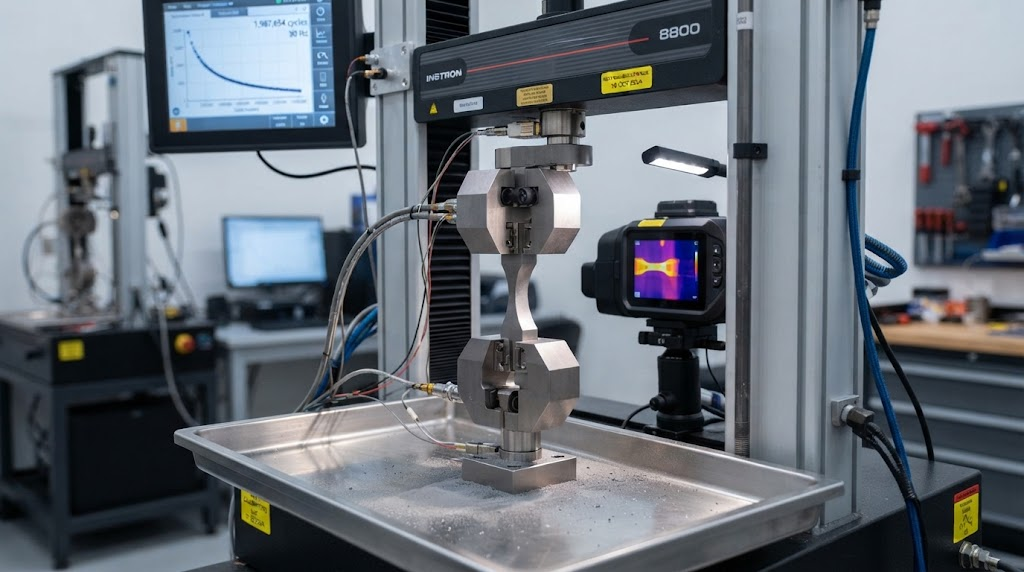
The driver reported a more "direct" feel through the steering rack, specifically during rapid direction changes. Over a 24-hour endurance test, the titanium hardware showed zero loss in torque tension, whereas the previous steel components required frequent re-torquing.

Overcoming Challenges: Galling and Galvanic Corrosion
A common concern with titanium is "galling"—a form of wear caused by adhesion between sliding surfaces. This is especially prevalent during high-torque installation.
To solve this, we offer specialized surface treatments. Our Diamond-Like Carbon (DLC) or Molybdenum Disulfide (MoS2) coatings provide a low-friction barrier that prevents thread seizure. These coatings are essential for mechanics who require frequent disassembly during chassis tuning.
Regarding galvanic corrosion, titanium is exceptionally noble. When paired with carbon fiber or high-grade aluminum, it is far more stable than steel. However, we always recommend a high-quality anti-seize paste to ensure long-term serviceability in coastal or winter environments.
Market Trends: The Future of Titanium in EV Chassis
As we move through 2026, the shift toward Electric Vehicles (EVs) has fundamentally changed chassis engineering. The massive weight of battery packs requires suspension components to be stronger than ever, yet the need for range extension demands aggressive lightweighting.
Titanium fasteners are no longer exclusive to Formula 1. Premium EV manufacturers are increasingly adopting titanium for subframe mounting and battery enclosure fasteners to offset the weight of the cells.
This "weight-neutral" engineering approach allows for larger battery capacities without compromising the vehicle's center of gravity or handling dynamics.
Bespoke Titanium Solutions from China Titanium Factory
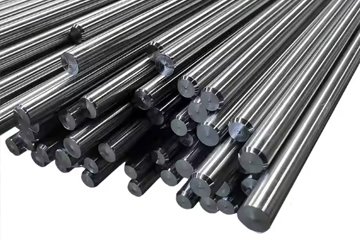
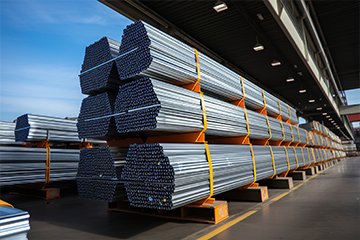
We stock a wide range of standard Grade 5 Titanium Rods used to manufacture bespoke fasteners. Our production line is optimized for both small-batch prototype racing and large-scale OEM supply.
| Property | Grade 5 Titanium (Ti-6Al-4V) | Steel (Grade 10.9) |
|---|---|---|
| Density (g/cm³) | 4.43 | 7.85 |
| Tensile Strength (MPa) | 950+ | 1040 |
| Modulus of Elasticity (GPa) | 114 | 210 |
| Corrosion Resistance | Excellent (Immune to Salt) | Poor (Requires Coating) |
Frequently Asked Questions
What is the torque spec for titanium suspension bolts?
Generally, titanium fasteners can be torqued to the same values as 10.9 grade steel bolts. However, due to the different friction coefficient of titanium, we recommend using a high-quality lubricant and reducing the dry torque value by 10-15% to achieve the correct preload.
Do titanium fasteners have a shorter lifespan than steel?
No. When manufactured correctly with rolled threads, titanium's fatigue limit is exceptionally high. Unlike steel, titanium does not suffer from hydrogen embrittlement or atmospheric corrosion, often outlasting the vehicle chassis itself.
Are titanium bolts safe for brake caliper mounting?
Yes, Grade 5 titanium is the industry standard for high-performance brake mounting. Its ability to maintain structural integrity at elevated temperatures makes it superior to steel in high-heat braking zones.
Upgrade Your Chassis Performance Today
Partner with China Titanium Factory for precision-engineered suspension hardware that meets the world's most rigorous racing standards.