




















Titanium Grade 19 (Beta C): The High-Strength Standard for Oil & Gas
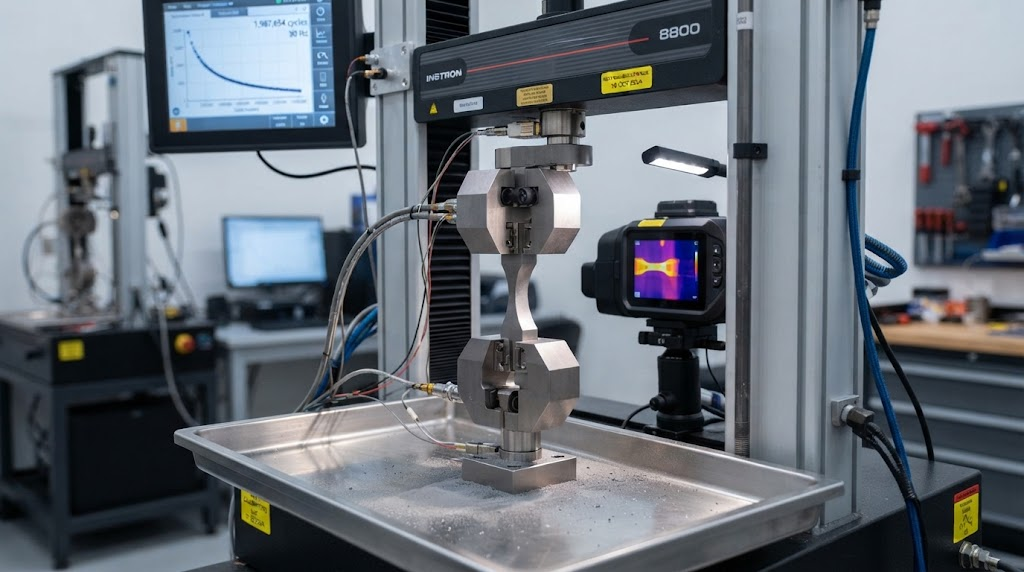
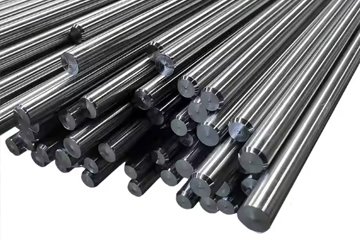
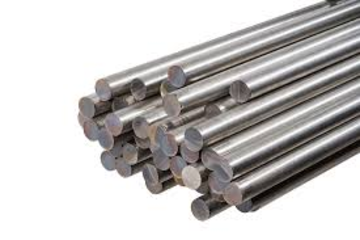
Titanium Grade 19, technically known as Ti-3Al-8V-6Cr-4Mo-4Zr or Beta C, represents the pinnacle of metallurgical engineering for the petroleum industry. This metastable beta alloy is designed specifically for environments where high strength must coexist with extreme corrosion resistance. Titanium Grade 19 is a high-performance beta titanium alloy that achieves yield strengths over 120 ksi through aging heat treatments. It provides the industry's most reliable protection against stress corrosion cracking in sour gas (H2S) wells, making it the primary choice for downhole logging tools and subsea wellhead components. In our manufacturing experience at China Titanium Factory, we have observed a significant shift in 2026 toward Grade 19 for HPHT (High-Pressure High-Temperature) completions. Its unique ability to remain ductile while reaching hardness levels of HRC 38-42 sets it apart from standard alpha-beta alloys.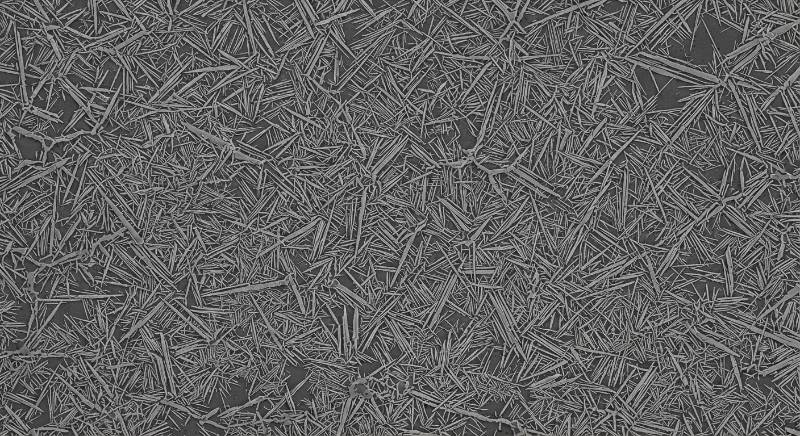
Technical Specifications: Chemical Composition and Mechanical Properties
The performance of Beta C is dictated by its precise alloying elements. The addition of Chromium and Molybdenum enhances deep hardenability, ensuring uniform properties even in large-diameter Custom Titanium Forgings.| Element | Weight % (Min) | Weight % (Max) |
|---|---|---|
| Aluminum (Al) | 3.0 | 4.0 |
| Vanadium (V) | 7.5 | 8.5 |
| Chromium (Cr) | 5.5 | 6.5 |
| Molybdenum (Mo) | 3.5 | 4.5 |
| Zirconium (Zr) | 3.5 | 4.5 |
| Titanium (Ti) | Balance | |
| Condition | Tensile Strength (ksi) | Yield Strength (ksi) | Elongation (%) |
|---|---|---|---|
| Solution Treated (ST) | 115 - 135 | 110 - 130 | 15 - 25 |
| Solution Treated & Aged (STA) | 150 - 180 | 140 - 170 | 6 - 12 |
The Beta-C Integrity Matrix: China Titanium Quality Protocol
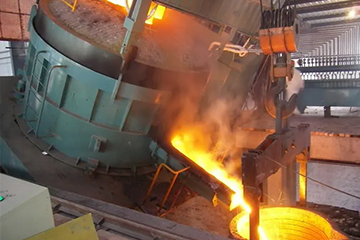
At China Titanium Factory, we utilize The Beta-C Integrity Matrix, a proprietary three-stage manufacturing framework. This protocol ensures that every batch of Grade 19 meets the rigorous demands of the subsea energy sector. 1. Triple VAR Melting: We use Vacuum Arc Remelting (VAR) three times to eliminate "hard alpha inclusions" and ensure chemical homogeneity across the ingot. 2. Isothermal Precision Forging: Controlled deformation rates maintain a fine, uniform beta grain structure, which is critical for post-aging ductility. 3. Digital Ultrasonic Mapping: Every bar and forging undergoes multi-axis ultrasonic testing to verify 100% internal integrity before shipping."In deepwater completions, material failure is not an option. Our Beta-C Integrity Matrix ensures that Grade 19 components provide a 40% weight reduction over nickel alloys while maintaining NACE-compliant corrosion resistance." — Senior Metallurgist, China Titanium Factory
Corrosion Resistance in H2S and Chloride Environments
Titanium Grade 19 is renowned for its performance in "sour" wells. Unlike many stainless steels or even Titanium Grade 5 (Ti-6Al-4V) Specs, Grade 19 is virtually immune to Stress Corrosion Cracking (SCC). It is fully compliant with NACE MR0175/ISO 15156 for use in H2S-containing environments. The alloy's molybdenum and zirconium content creates a highly stable passive oxide film that resists pitting even at temperatures exceeding 450°F (232°C).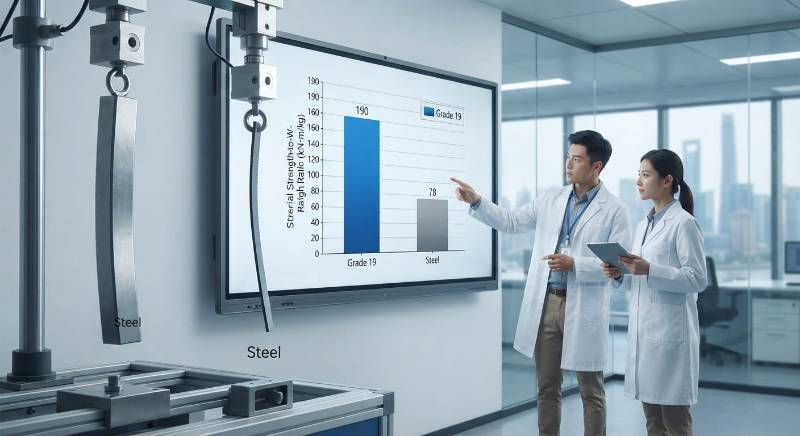
Comparative Analysis: Grade 19 vs. Grade 5 and Grade 9
Engineers often struggle to choose between common titanium grades. While Grade 5 is the "workhorse," Grade 19 offers specific advantages for tool design.Elastic Modulus: Grade 19 has a lower modulus (approx. 14.5 x 10^6 psi) compared to Grade 5 (16.5 x 10^6 psi). This makes Grade 19 the superior choice for high-strength, flexible springs.
Hardenability: Grade 19 can be through-hardened in sections up to 6 inches, whereas Grade 5 properties drop off in thick sections.
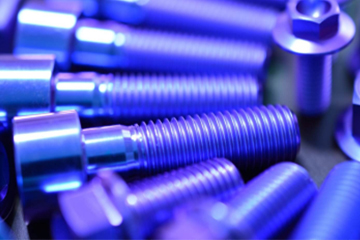
Cold Workability: In the solution-treated state, Beta C is more formable than alpha-beta alloys, allowing for complex cold-heading of aerospace fasteners.
Precision CNC Machining and Heat Treatment of Beta C
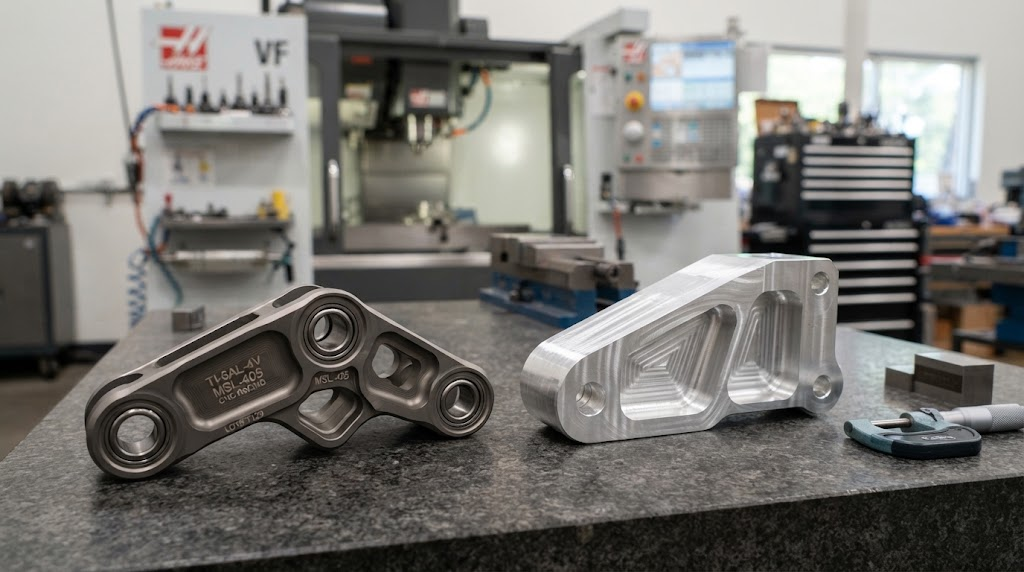
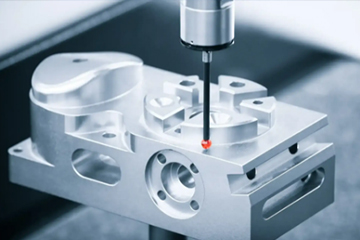
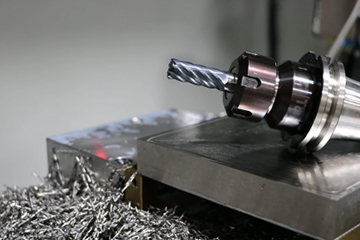
Machining Grade 19 requires specialized expertise due to its high work-hardening rate. When providing Titanium CNC Machining Services, we recommend machining in the solution-treated condition whenever possible.Heat Treatment Guidelines:- Solution Anneal: 1500°F - 1600°F followed by a rapid water quench. - Aging Cycle: 850°F - 1000°F for 8 to 24 hours. Longer aging times at lower temperatures generally yield the best balance of strength and toughness. For optimal tool life, use PVD-coated carbide inserts and high-pressure coolant. Our production data shows that maintaining a constant chip load is essential to prevent the tool from rubbing and glazing the surface.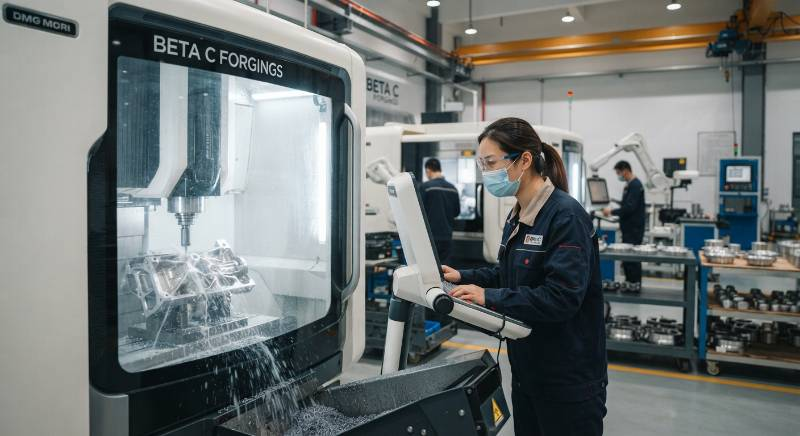
Critical Applications in Aerospace and Subsea Engineering
The unique mechanical profile of Titanium Grade 19 makes it indispensable for several high-stakes applications: - Downhole Logging Tools: Non-magnetic properties and high strength allow for thinner-walled housings, increasing the sensitivity of electronic sensors. - Subsea Wellheads: Excellent resistance to seawater corrosion and fatigue in riser tensioner systems. - High-Performance Springs: Used in aerospace valves and subsea actuators where space is limited and high loads are required. - Aerospace Fasteners: Replacing heavier steel bolts in critical airframe joints to save weight without sacrificing shear strength.Sourcing and Cost-Efficiency with China Titanium Factory
As a direct manufacturer, China Titanium Factory provides a streamlined supply chain for Grade 19. By eliminating intermediaries, we offer competitive pricing while maintaining AS9100 and ISO 9001 certifications. Our 2026 logistics framework includes "Rapid-Response Forging," reducing lead times for custom Beta C blocks from the industry average of 16 weeks down to just 6-8 weeks. We provide full material traceability, including EN 10204 3.1 certification and independent lab test reports for every shipment.Frequently Asked Questions about Titanium Grade 19
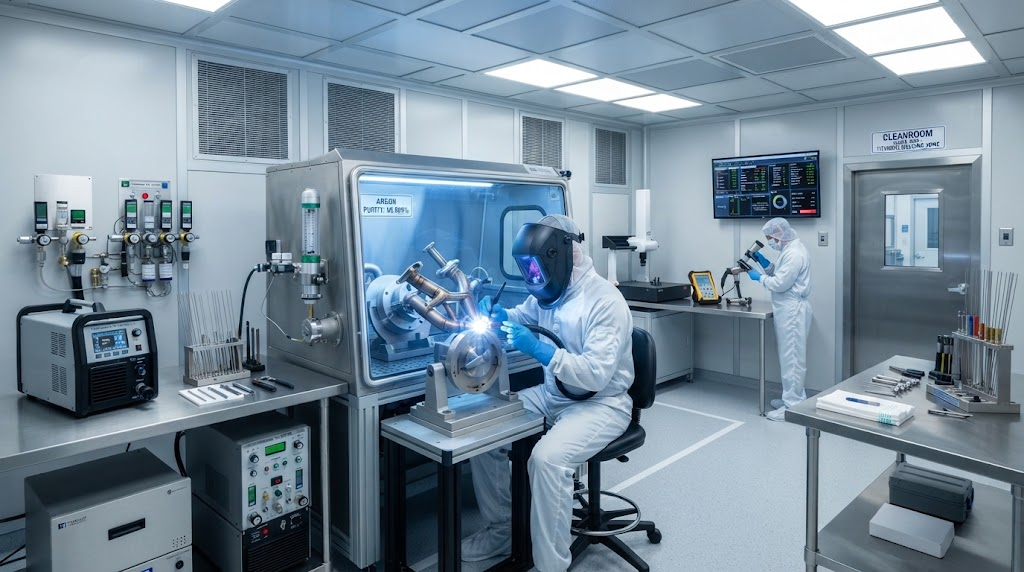
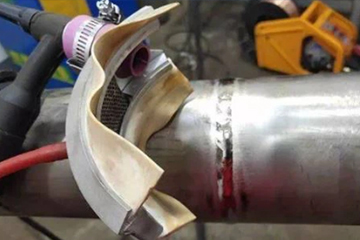
Is Titanium Grade 19 susceptible to hydrogen embrittlement?While titanium generally has an affinity for hydrogen, Grade 19's beta-phase structure is more resistant than pure titanium. However, in cathodic protection environments, coatings or careful potential management are recommended.Can Beta C be welded?Yes, Grade 19 is weldable using GTAW (TIG) or electron beam welding. It is critical to weld in the solution-treated condition and perform a post-weld age treatment to restore mechanical properties in the heat-affected zone (HAZ).What is the maximum operating temperature for Grade 19?For structural applications, the recommended limit is approximately 600°F (315°C). Beyond this, long-term creep and metallurgical stability may be affected.Ready to Engineer Your High-Strength Solution?
Get technical consultation and factory-direct pricing on Titanium Grade 19 (Beta C) bars, forgings, and CNC parts today.
Request a Custom Quote