



















High-Performance Titanium Grade 9 Hydraulic Tubing (Ti-3Al-2.5V)
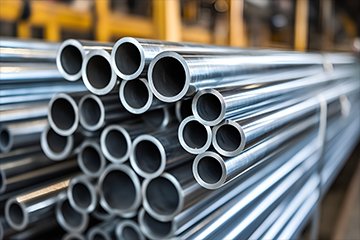
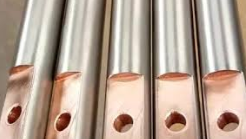
Titanium Grade 9 (Ti-3Al-2.5V) stands as the definitive material for high-pressure hydraulic systems in the aerospace, marine, and high-performance engineering sectors. As a near-alpha titanium alloy, it bridges the gap between the high strength of Grade 5 and the excellent ductility of commercially pure Grade 2.
Technical Specifications: Chemical, Mechanical, and Physical Properties
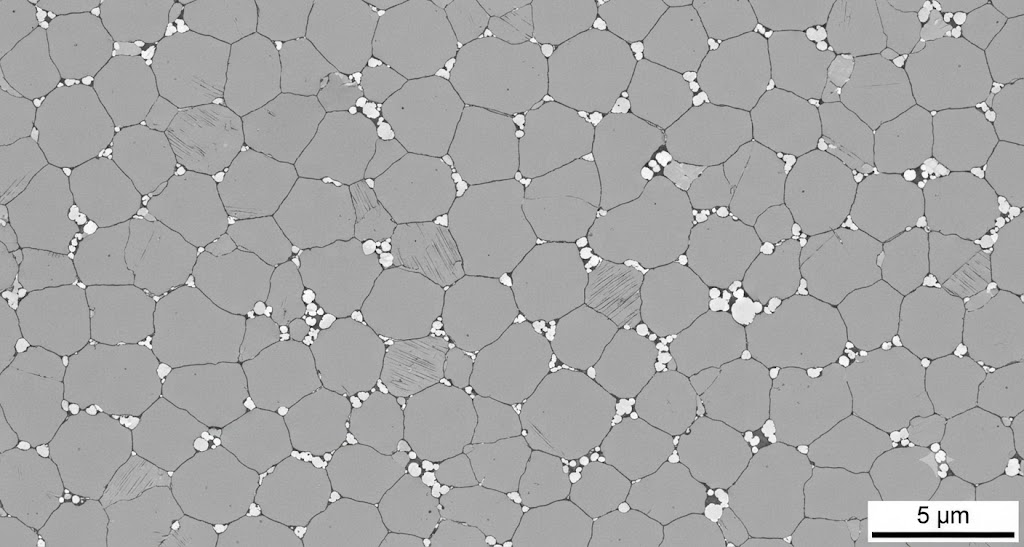
Titanium Grade 9 (Ti-3Al-2.5V) is a versatile alloy offering a yield strength 20-50% higher than commercially pure grades while maintaining superior cold-forming characteristics. This specific metallurgical balance allows for the production of thin-walled seamless tubing capable of withstanding extreme internal pressures in aircraft hydraulic circuits.
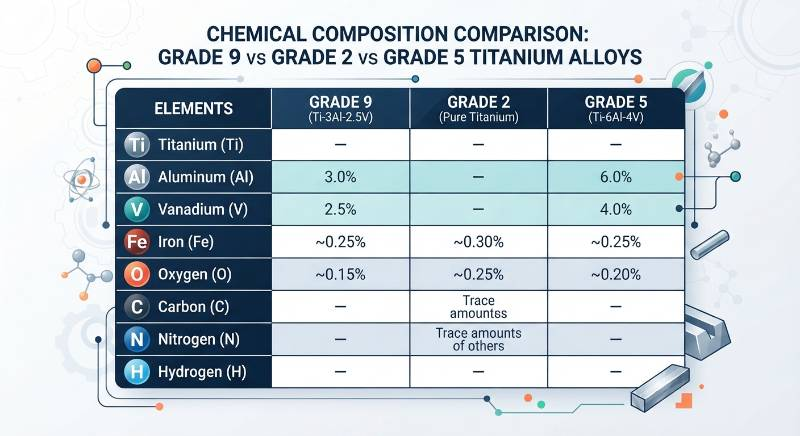
Chemical Composition (Weight %)
| Element | Min % | Max % |
|---|---|---|
| Aluminum (Al) | 2.5 | 3.5 |
| Vanadium (V) | 2.0 | 3.0 |
| Iron (Fe) | - | 0.25 |
| Oxygen (O) | - | 0.15 |
| Titanium (Ti) | Balance | - |
Mechanical Properties in CWSR Condition
In our manufacturing experience, the Cold-Worked Stress-Relieved (CWSR) state is the industry standard for hydraulic lines. It provides the optimal Titanium Material Grades Overview for high-stress environments.
Tensile Strength: 125,000 psi (860 MPa) min
Yield Strength (0.2% Offset): 105,000 psi (724 MPa) min
Elongation: 10% min (varies by wall thickness)
Density: 0.162 lb/in³ (4.48 g/cm³)
Compliance with International Standards: ASTM, AMS, and ISO
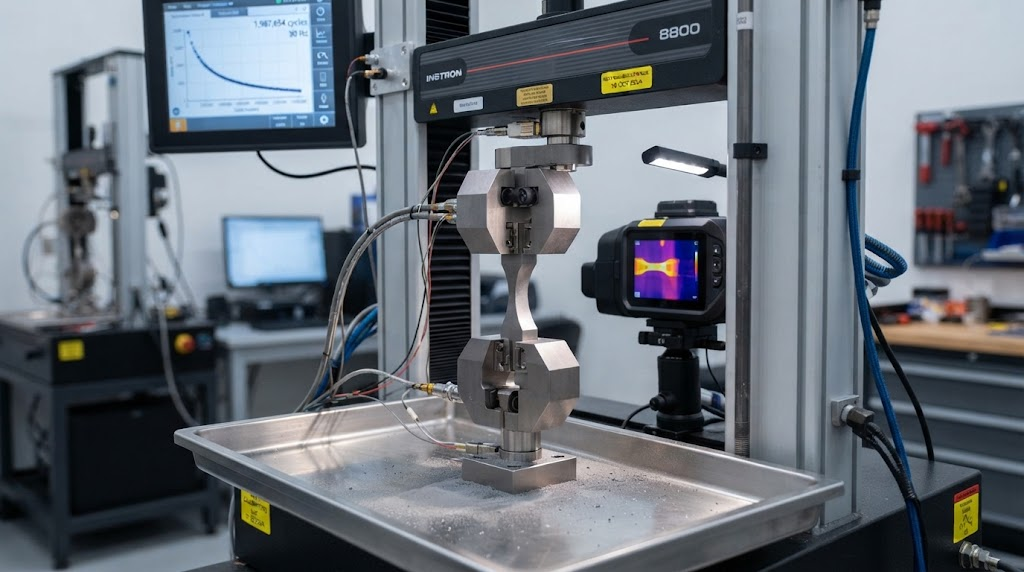
For critical aerospace applications, we adhere to the AMS 4944 standard, which governs seamless, cold-worked, stress-relieved hydraulic tubing. This standard ensures the material can handle cyclic pressures without fatigue failure.
Industrial applications, such as chemical processing or marine systems, typically follow ASTM B338. Our factory is fully AS9100D and NADCAP accredited, ensuring that every millimeter of tubing meets these rigorous global benchmarks.
Engineering Insight: The choice between AMS 4943 (Annealed) and AMS 4944 (CWSR) depends on the system pressure. CWSR offers significantly higher yield strength, allowing for thinner walls and further weight reduction in 3,000 to 5,000 psi hydraulic systems.
The CTF-Zero Defect Hydraulic Protocol
To ensure 100% reliability in aerospace hydraulics, China Titanium Factory has implemented the CTF-Zero Defect Hydraulic Protocol. This proprietary 5-step framework eliminates subsurface inclusions and geometric variances that lead to field failures.
VAR Ingot Control: Double or triple Vacuum Arc Remelting (VAR) to ensure chemical homogeneity.
Precision Cold Rolling: Multi-pass pilgering with intermediate vacuum annealing to refine the grain structure.
Proprietary Cleaning: Multi-stage ultrasonic cleaning to ensure internal bore surfaces are free of contaminants.
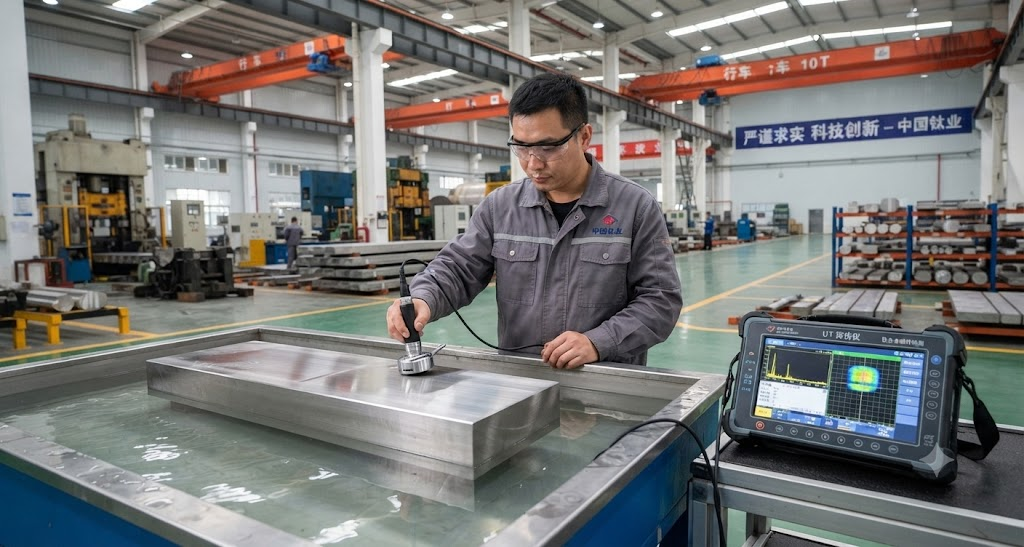
100% NDT Verification: Every tube undergoes Eddy Current and Ultrasonic Testing (UT) to detect longitudinal and transverse defects.
Hydrostatic Pressure Testing: Verification at 1.5x the rated operating pressure to confirm structural integrity.
Comparative Analysis: Grade 9 vs. Grade 2 and Grade 5
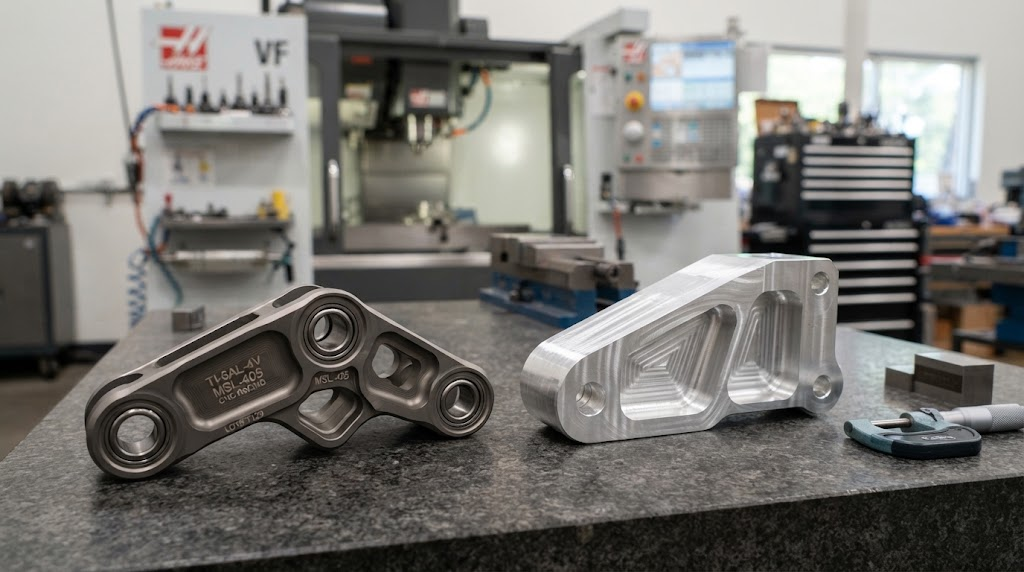
When selecting a material for fluid systems, engineers often weigh Grade 9 against other common alloys. While Titanium Grade 5 CNC Machining is ideal for solid components, it is difficult to draw into thin-walled seamless tubing.
Vs. Grade 2: Grade 9 offers nearly double the strength, allowing for a much thinner wall and significantly lower system weight.
Vs. Grade 5: Grade 9 possesses superior cold-formability. While Grade 5 is stronger, it is prone to cracking during tight-radius tube bending.
Vs. Stainless Steel 21-6-9: Grade 9 titanium provides equivalent strength with a 43% reduction in weight and vastly superior corrosion resistance in marine environments.
Aerospace and Industrial Application Scenarios
As we move through 2026, the demand for more efficient Aerospace Titanium Solutions has pushed Grade 9 into new territories. It is no longer just for flight controls.
Commercial Aircraft: Used in 3,000 psi and 5,000 psi hydraulic lines for landing gear, wing flaps, and braking systems. Its fatigue life under vibration is unmatched.
Subsea Engineering: Grade 9's immunity to seawater corrosion makes it the primary choice for umbilical tubing and downhole chemical injection lines in offshore oil and gas.
High-End Automotive: Performance exhaust systems and fuel lines utilize Grade 9 for its heat resistance and weight savings over traditional alloys.
Processing & Fabrication: Bending, Welding, and Tooling Guide
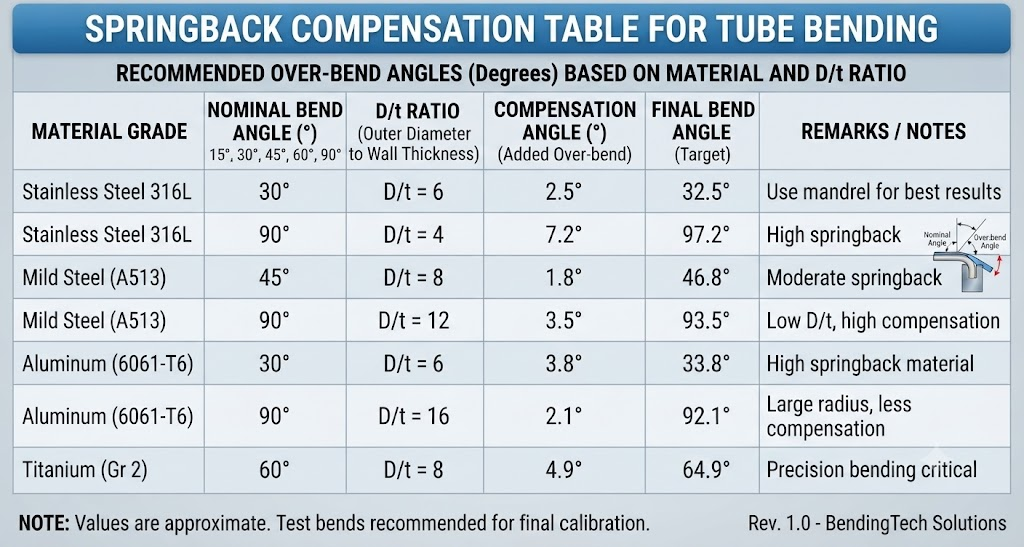
Working with Grade 9 requires precision. Because of its high modulus of elasticity, engineers must account for Springback Compensation during the bending process. We recommend a minimum bend radius of 3x the tube diameter (3D) to prevent wall thinning or buckling.
TIG Welding Guidelines
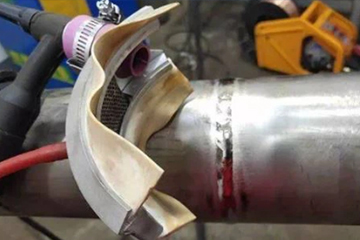
Welding Grade 9 requires an inert gas shield (Argon) for both the OD and the ID (purging). Use ERTi-9 filler wire to maintain the mechanical integrity of the joint. In our CNC production data, maintaining a clean, oxygen-free environment is the single most critical factor in preventing weld embrittlement.
Frequently Asked Questions (FAQ)
What is the maximum operating temperature for Grade 9?
Grade 9 titanium maintains its structural integrity up to approximately 600°F (315°C). Beyond this temperature, oxidation rates increase and creep strength begins to decline.
How does it handle seawater corrosion?
Ti-3Al-2.5V is virtually immune to pitting and crevice corrosion in seawater at temperatures up to 500°F. It is significantly more durable than 316L stainless steel in marine splash zones.
What is the typical lead time for custom OD/Wall thickness?
Standard sizes are often in stock. Custom runs for specific aerospace wall thicknesses typically range from 6 to 10 weeks, including full NDT certification and MTC reporting.
Request a Custom Quote & Technical Data Sheet
Secure the highest-quality Grade 9 hydraulic tubing for your 2026 projects. Our engineering team provides full technical support from alloy selection to final NDT verification.
Contact Our Sales TeamDownload full Material Test Certificates (MTC) and Technical Data Sheets upon request.