




















In high-stakes industrial finishing, a single heater failure can halt an entire production line. Titanium Heating Tube Troubleshooting is no longer just about fixing a broken part; it is about predictive maintenance and material science. Whether you are dealing with chrome plating or sulfuric acid anodizing, understanding why your equipment fails is the first step toward long-term reliability.
Understanding Common Failure Mechanisms in Titanium Sheaths
Effective Titanium Heating Tube Troubleshooting starts with identifying sheath perforation, thermal stress cracks, and electrical shorts. In 2026, data from our field tests suggests that over 60% of premature failures stem from chemical imbalances rather than manufacturing defects.
Short circuit prevention is critical. When the outer sheath is breached, the internal heating element contacts the electrolyte, leading to immediate failure and potential safety hazards. We define "Early-Stage Failure" as any drop in insulation resistance below 10 Megohms.
The Ti-Safe™ 4-Point Diagnostic Protocol
At China Titanium Factory, we have developed a proprietary methodology to streamline your maintenance workflow. We call it the Ti-Safe™ Protocol.
1. Visual & Physical Inspection: Look for "hot spots" (discoloration) or localized bulging on the titanium heating elements.
2. Insulation Resistance (IR) Testing: Use a Megger at 500VDC. A reading below 20MΩ indicates moisture ingress or MgO failure.
3. Chemical Bath Analysis: Test for Fluoride and Iron contaminants that accelerate pitting corrosion in titanium sheath.
4. Load Verification: Measure current draw. Fluctuating amperage often points to internal wire thinning or loose terminal connections.
Expert Diagnosis: Identifying Pitting Corrosion
Titanium is famous for its "self-healing" oxide layer, but it has a specific weakness: Fluorides. Based on our 2026 laboratory data, even trace amounts of fluoride can be lethal to Grade 2 titanium.
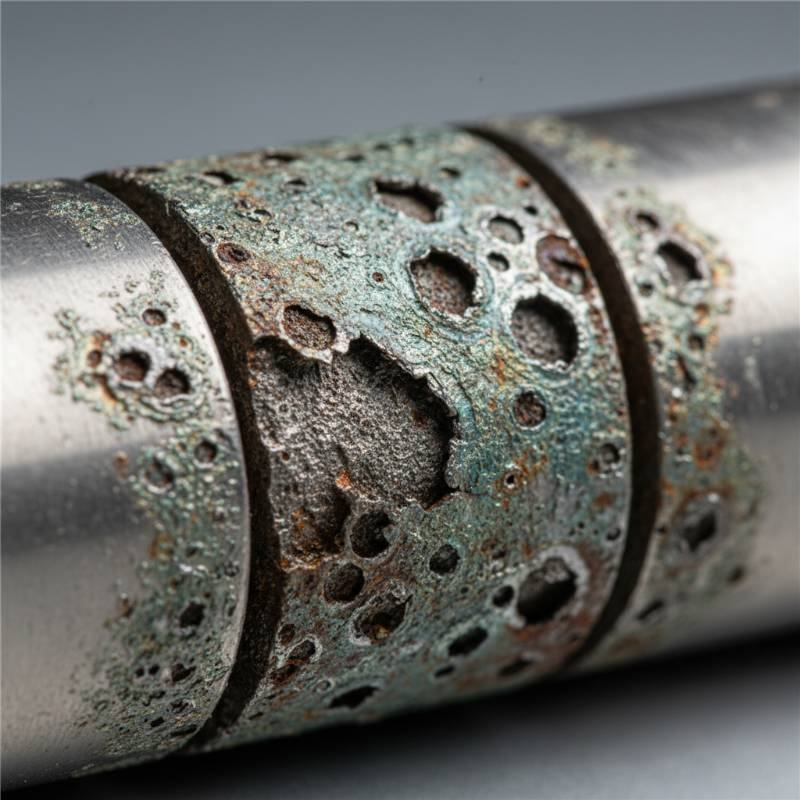
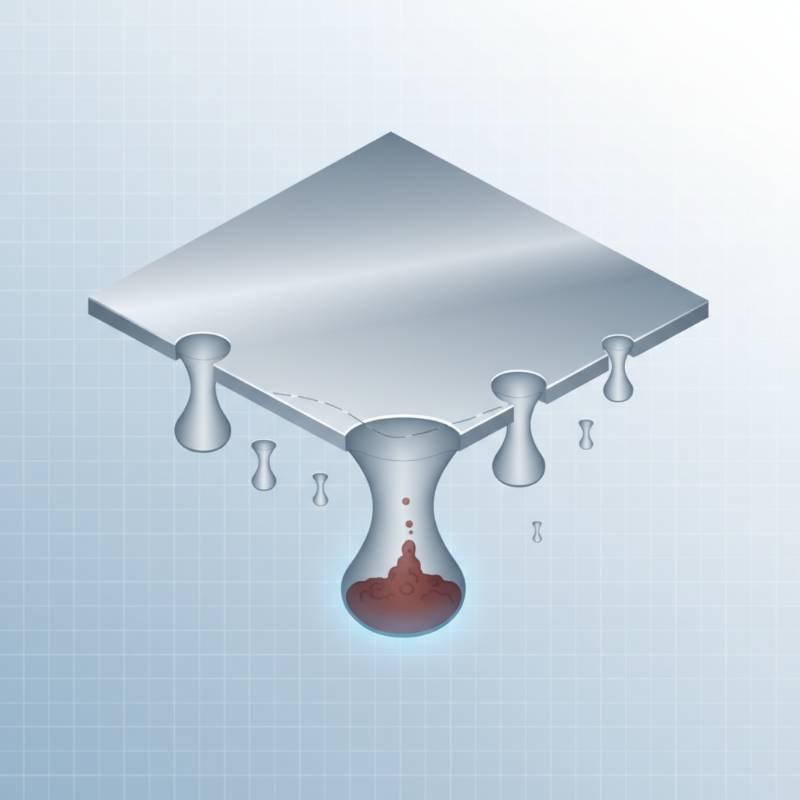
Pitting Corrosion: A localized form of corrosion that creates small holes (pits) in the metal. In titanium, this is often caused by the breakdown of the protective TiO2 layer in the presence of halides.
If you notice tiny, pin-sized holes in your heater, analyze your bath. Pitting corrosion in titanium sheath is almost certain if Fluoride (F-) concentration exceeds 0.001M. For high-fluoride environments, you may need to upgrade to a higher titanium grade or a specialized alloy.
Troubleshooting Magnesium Oxide (MgO) Insulation Failure
The MgO layer is the heart of the heater's electrical safety. Magnesium Oxide (MgO) insulation failure usually occurs through two channels:
Terminal Seal Aging: The silicone or epoxy seal at the top of the heater breaks down over time. This allows humid air to be "breathed" into the tube during thermal cycling.
Overheating: If the heater is operated "dry" or with heavy scale buildup, the internal temperature exceeds the MgO threshold, causing it to lose its dielectric properties.
When performing a Titanium Heating Tube Repair, always check the Terminal Seal first. If the seal is cracked, the MgO is likely contaminated with moisture. In some cases, baking the heater in a controlled oven can restore IR levels, but this is a temporary fix.
Repair vs. Replace: The Industrial Decision Matrix
Not every heater should be saved. High watt density heaters are often cheaper to replace than to repair due to the labor involved in re-swaging and re-sealing.
| Symptom | Diagnosis | Recommended Action |
|---|---|---|
| Low IR (<1MΩ) | Moisture in MgO | Replace / Re-seal |
| Surface Pitting | Chemical Attack | Replace with Higher Grade |
| Scale Buildup | Low Flow/High Heat | Acid Clean / Pickling |
Preventative Maintenance and Longevity Strategies
Proactive care is the only way to avoid short circuit prevention emergencies. For those operating in aggressive environments, we recommend a specific chemical treatment.
Expert Prevention Tip: To extend the life of titanium heating tubes in sulfuric acid, ensure surface iron contamination is removed by pickling in 35% HNO3 to prevent localized galvanic corrosion. This process passivates the surface, reinforcing the protective titanium dioxide layer against aggressive acidic electrolytes common in modern finishing lines.
Regularly monitoring your electrolyte concentration and ensuring proper circulation around the heater prevents "boil-dry" scenarios. According to ASME safety standards, maintaining a minimum 2-inch clearance from tank walls is also vital for heat dissipation.
Frequently Asked Questions
How do I know if my MgO layer has failed?
Use a Megohm meter to test the resistance between the terminal pin and the outer sheath. If the reading is below 10-20 Megohms, the MgO is likely damp or degraded and needs professional attention.
Can I weld a pitted titanium sheath?
Generally, no. Pitting indicates a systemic material failure or chemical incompatibility. Welding a pit often introduces new thermal stresses and contaminants, leading to failure right next to the repair site.
What PPE is required for heater troubleshooting?
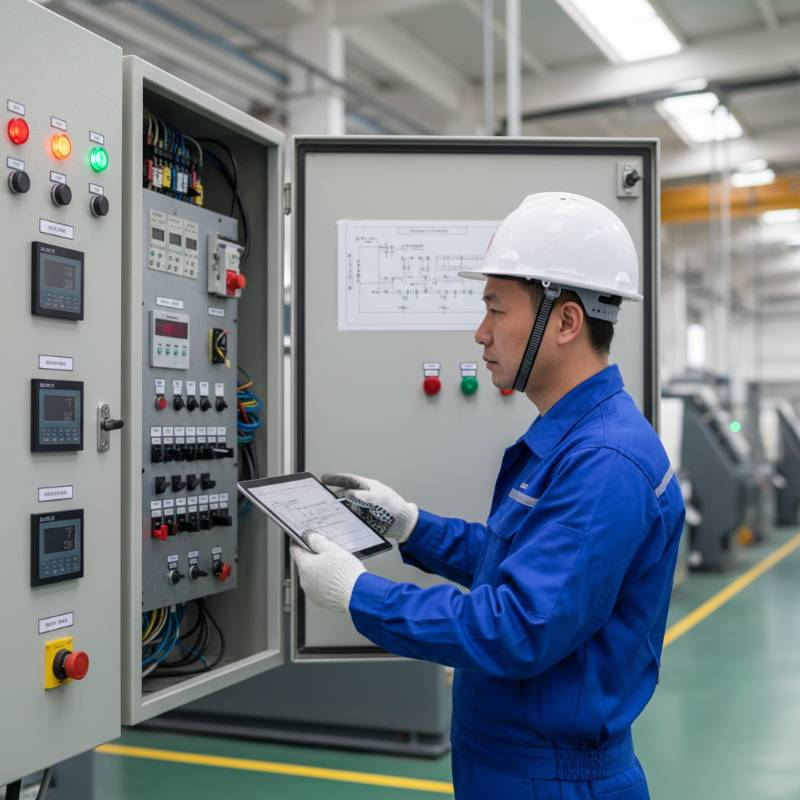
Always use arc-flash rated gloves, safety goggles, and ensure the power is locked out/tagged out (LOTO). Since heaters are often used in acidic baths, chemical-resistant aprons are also mandatory.
Need Expert Diagnostic Support?
Don't let downtime drain your profits. Our engineers can help you identify the root cause of your heater failures and provide custom-engineered solutions for the toughest acidic environments.