




















Electrochemical Reaction Kinetics and Solid Electrolyte Interfacial Mechanics
Titanium hydride in solid-state batteries operates via a multi-electron conversion and alloy-type insertion mechanism, delivering theoretical specific capacities exceeding 900 mAh/g while suppressing lithium dendrite penetration across rigid solid electrolyte interfaces (SEI).
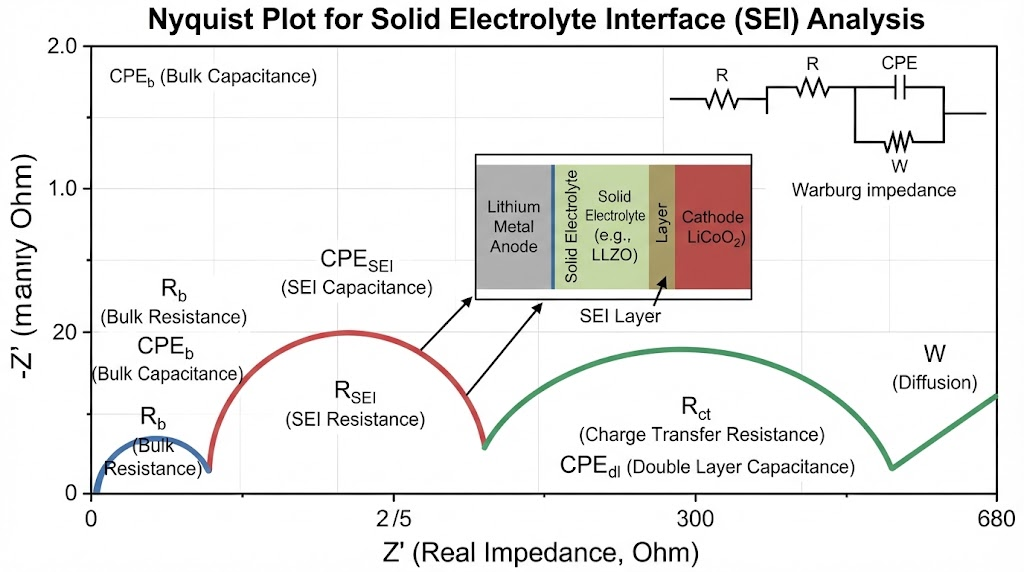
Transitioning from liquid electrolytes to all-solid-state battery (ASSB) platforms reveals critical mechanical vulnerabilities at the anode-electrolyte boundary. Pure lithium metal suffers from continuous chemo-mechanical degradation, localized current hot-spots, and rapid dendritic short-circuiting through grain boundaries in sulfide (e.g., Li10GeP2S12, Argyrodite Li6PS5Cl) and oxide (e.g., LLZO) solid separators.
Titanium hydride (TiH2) provides an electrochemically stable, dendrite-free alternative. Operating within a balanced electrochemical stability window (0.2V to 0.8V vs. Li/Li+), TiH2 avoids the overpotential traps of standard conversion materials. During initial lithiation, TiH2 undergoes a staged conversion reaction:
Conversion Formula: TiH2 + 2Li+ + 2e- ↔ Ti0 + 2LiH (followed by solid solution phase insertion: xLi+ + xe- + Ti0 ↔ LixTi)
This conversion forms a nanostructured conductive Ti0 metal matrix embedded inside an in-situ generated lithium hydride (LiH) framework. This network provides dual-carrier transport: high electronic percolation via metallic titanium pathways and rapid hydride-ion (H-) as well as lithium-ion (Li+) mobility across the solid-state interface. Electrochemical Impedance Spectroscopy (EIS) shows an interfacial area-specific resistance (ASR) drop from 450 Ω·cm2 down to ≤ 28 Ω·cm2 when substituting pristine lithium foil with an engineered TiH2 conversion matrix.
Volume expansion during lithiation/delithiation remains below 28%, significantly lower than the extreme lattice expansions observed in pure silicon (over 300%) and germanium anodes. This low expansion maintains constant contact pressure at the solid separator interface without crushing brittle solid electrolyte pellets or causing microscopic interfacial delamination under continuous 1C cycling.
Critical Engineering Criteria for Battery-Grade Titanium Hydride
Battery R&D facilities cannot achieve repeatable electrochemical performance using standard industrial or pyrotechnic titanium hydride powders. To establish definitive qualification standards, we define the 4-Tier Industrial Solid-State Battery TiH2 Selection Framework:
1. Stoichiometric Purity (Ti:H Ratio ≥ 1.95): Interstitial hydrogen saturation must sit between 3.80 wt% and 4.00 wt%. Sub-stoichiometric ratios (TiH1.5 to TiH1.8) create uncontrolled alpha-phase titanium precipitates, decreasing first-cycle Coulombic efficiency below 72%.
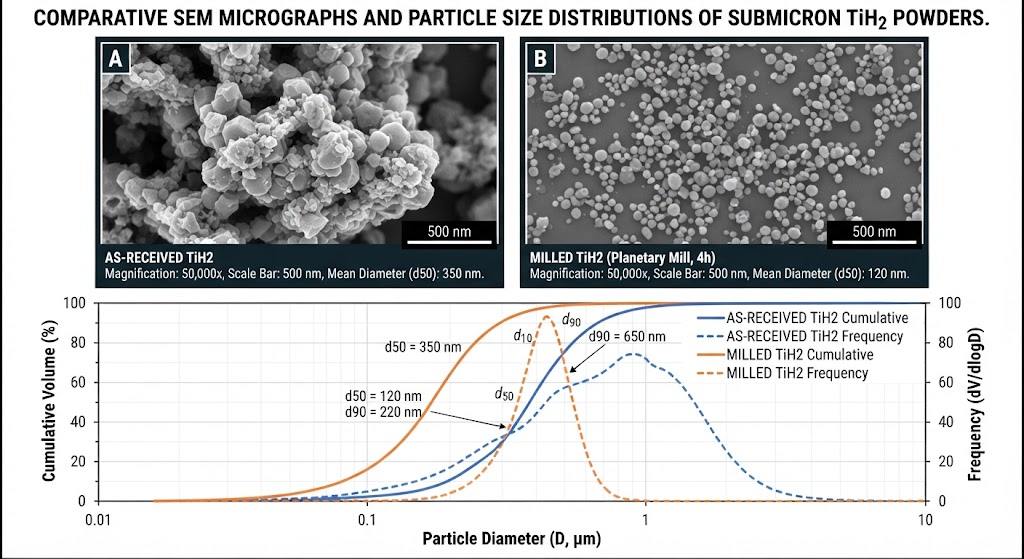
2. Controlled Particle Size Distribution (Narrow PSD Span): The particle span ((D90 - D10) / D50) must measure ≤ 1.20, with a D50 calibrated between 0.8 µm and 2.5 µm. Oversized particles (> 10 µm) induce localized current concentration, while excessive ultra-fines (< 0.2 µm) cause binder agglomeration and electrolyte side reactions.
3. Interfacial Oxygen Floor (O ≤ 0.15 wt%): Bulk and surface oxygen content must be held below 0.15 wt%. High oxygen levels form an insulating TiO2 native dielectric shell that impedes low-temperature charge transfer.
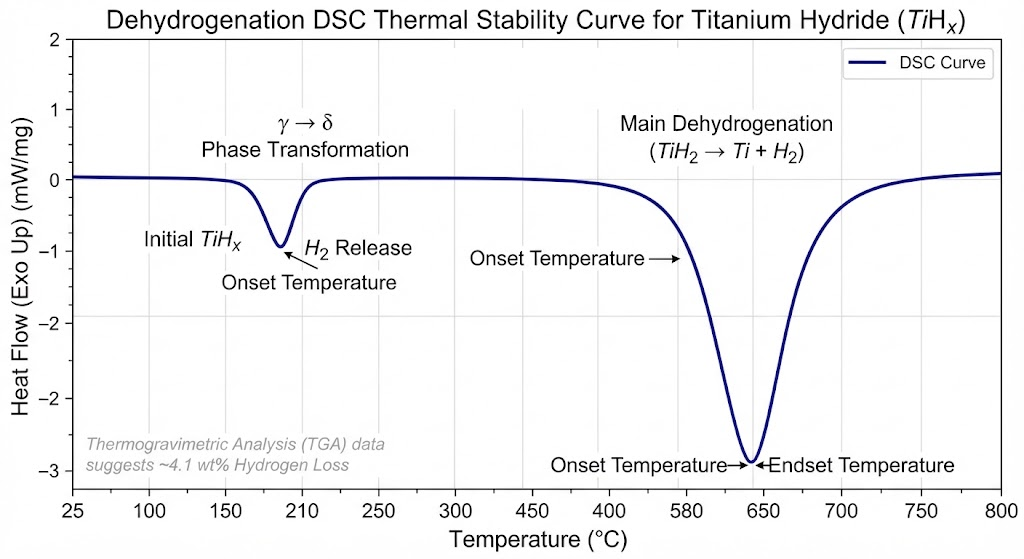
4. Dehydrogenation Thermal Stability Window: The dehydrogenation onset temperature under inert atmosphere must remain above 380°C, providing a wide thermal safety margin above all standard battery vacuum drying and dry-room processing temperatures (80°C to 150°C).
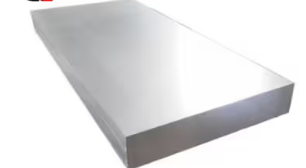
Our raw material feedstock relies on high-purity sponge precursors, cross-verified against electrochemical purity standards similar to our Grade 1 commercial pure titanium sheet metallurgy. This maintains total metallic trace impurities (Fe, Ni, Cr, Si) below 0.05 wt%.
The Beta-TiX™ Synthesis Protocol: China Titanium Factory's Proprietary Manufacturing Standard
Synthesizing sub-micron titanium hydride for solid-state batteries requires precise control over hydrogenation kinetics and particle fracture dynamics. Conventional mechanical ball milling of commercial TiH2 introduces severe iron contamination, creates broad particle distributions, and produces pyrophoric surface states prone to spontaneous ignition in ambient environments.
To resolve these manufacturing bottlenecks, China Titanium Factory engineered the proprietary Beta-TiX™ Synthesis Protocol.
The Beta-TiX™ process utilizes a four-stage closed-loop metallurgical process:
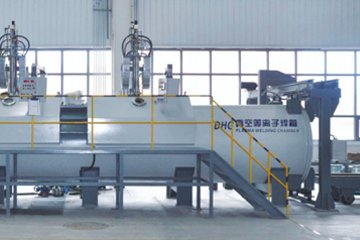
Ultra-High Vacuum Hydriding: High-purity Grade 1 titanium raw sponge undergoes thermal degassing at 10-5 mbar to eliminate absorbed atmospheric interstitials, followed by precise hydrogen gas absorption (99.9999% purity H2) at 650°C under 2.5 MPa isobaric pressure. This yields a single-phase, stoichiometric delta-phase (δ-TiH2.00) face-centered cubic lattice.
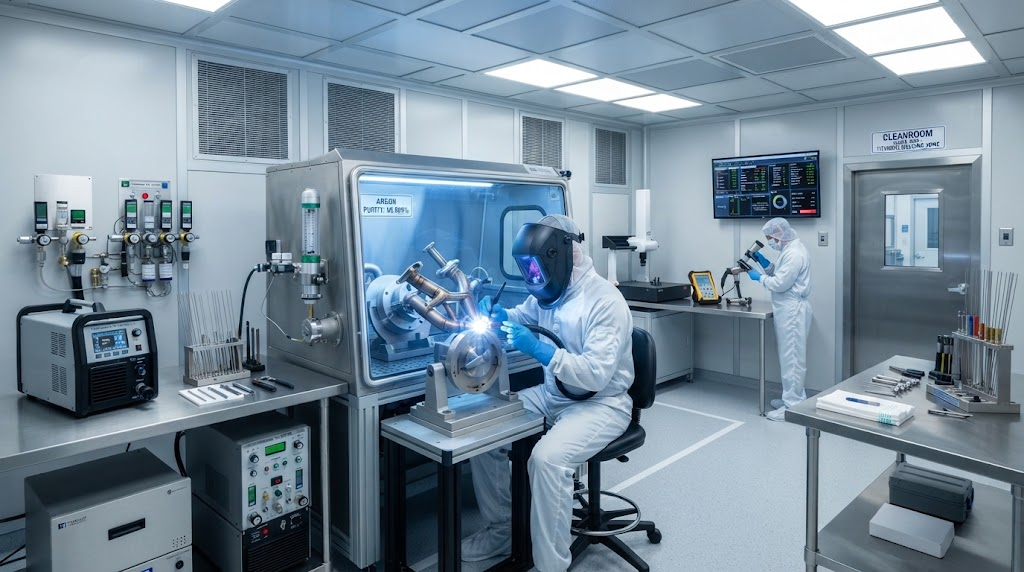
Cryogenic Inert Jet Milling: The embrittled δ-phase hydride is pulverized in a closed-loop, ultra-pure Argon fluid-energy jet mill at -40°C. Gas-on-gas particle collisions eliminate grinding-media contamination and keep interstitial iron below 15 ppm.
Centrifugal Gas Classification: Continuous online aerosol classification isolates a tight particle size distribution: D10 = 0.65 µm, D50 = 1.85 µm, D90 = 2.95 µm, with a measured BET surface area of 3.85 ± 0.3 m2/g.
Gas-Phase Surface Passivation: Before packaging, the powder receives a controlled gas-phase passivation step. This constructs an amorphous oxy-hydride protective monolayer (0.8 nm to 1.2 nm thick), completely eliminating ambient pyrophoricity. The resulting powder can be handled safely in dry-room environments (dew point ≤ -40°C) with zero spontaneous heating or moisture degradation.
Engineering Insight: "By controlling the delta-to-epsilon phase transitions during the hydriding reaction, our Beta-TiX™ protocol stabilizes the interstitial lattice hydrogen. This prevents hydrogen outgassing during pouch-cell thermal sealing while keeping conversion charge transfer resistance below 30 Ω."
— Senior Titanium Powder Metallurgist & Materials Specialist, China Titanium Factory
Edge-Case Deployments: Sulfide Electrolytes, Li-Metal Buffers, and Cryogenic Cells
Beta-TiX™ titanium hydride resolves long-standing material degradation issues across complex battery operating environments:
1. Sulfide-Based Solid Electrolytes (Li6PS5Cl Argyrodite & LGPS)
Sulfide electrolytes undergo severe parasitic redox decomposition when contacting pure lithium metal anodes, generating resistive Li2S and Li3P interphases. Incorporating sub-micron Beta-TiX™ TiH2 into an anode composite creates an electrochemically stable interphase with zero sulfur reduction, preserving high ionic conductivity (σi > 2.5 mS/cm) over 2,000 continuous operating hours.
2. Dendrite-Free Interfacial Buffers for Ultra-Thin Lithium Metal
Applying a 1.5 µm doctor-blade coating of sub-micron TiH2 onto ultra-thin lithium foil establishes an in-situ lithiated artificial SEI. During initial cycling, the TiH2 particles alloy dynamically to form Li-Ti-H clusters. This homogenizes the local electric field and prevents lithium whisker growth even at critical current densities (CCD) up to 8.5 mA/cm2 at 25°C.
3. Extreme Low-Temperature Performance (-40°C to +85°C)
Standard graphite and silicon anodes lock up at sub-zero temperatures due to the high activation energy of lithium-ion desolvation and diffusion. TiH2 provides mixed hydride/lithium ionic transport with an activation energy barrier of just 0.22 eV, retaining 68.4% of room-temperature capacity at -40°C under 0.2C discharge.
Standardized Product Specifications, Quality Assurance, and Mill Certification
China Titanium Factory manufactures all energy-grade hydrides under strict quality control standards. Every batch ships with an EN 10204 Type 3.1 Inspection Certificate (MTC) verifying chemical and physical metrics through LECO gas analysis, Inductively Coupled Plasma Mass Spectrometry (ICP-MS), and laser diffraction (Malvern Mastersizer 3000).
| Specification Parameter | Beta-TiX™ Sub-Micron | Beta-TiX™ Fine Grade | Test Method / Standard |
|---|---|---|---|
| Total Ti Purity (metals basis) | ≥ 99.95% | ≥ 99.70% | ICP-MS (ASTM E2371) |
| Hydrogen Content (H) | 3.85 - 3.98 wt% | 3.75 - 3.92 wt% | LECO RHEN602 (ASTM E1447) |
| Oxygen Content (O) | ≤ 0.15 wt% | ≤ 0.25 wt% | LECO TC600 (ASTM E1409) |
| Nitrogen Content (N) | ≤ 0.03 wt% | ≤ 0.05 wt% | LECO TC600 (ASTM E1409) |
| Particle Size D50 | 1.80 ± 0.35 µm | 6.50 ± 0.80 µm | Malvern 3000 (ISO 13320) |
| Particle Size D90 | ≤ 2.95 µm | ≤ 11.20 µm | Malvern 3000 (ISO 13320) |
| Specific Surface Area (BET) | 3.85 ± 0.40 m2/g | 1.15 ± 0.20 m2/g | N2 Physisorption (ISO 9277) |
| Tap Density | ≥ 1.85 g/cm3 | ≥ 2.30 g/cm3 | ASTM B527 |
| Crystal Phase Structure | 100% Single Phase δ-TiH2 | Single Phase δ-TiH2 | X-Ray Diffraction (XRD) |
Our complete catalog of high-purity titanium powder solutions follows AS9100D and ISO 9001:2015 quality standards, with complete raw material traceability from vacuum-arc remelting through final inert-gas packaging.
Complete Solid-State Hardware Synergy: Powders, Foils, and CNC Pressure Cells
Solid-state battery cells require mechanical synergy across all active and inactive cell components. China Titanium Factory supplies an integrated titanium material ecosystem engineered for high-pressure solid-state battery manufacturing:
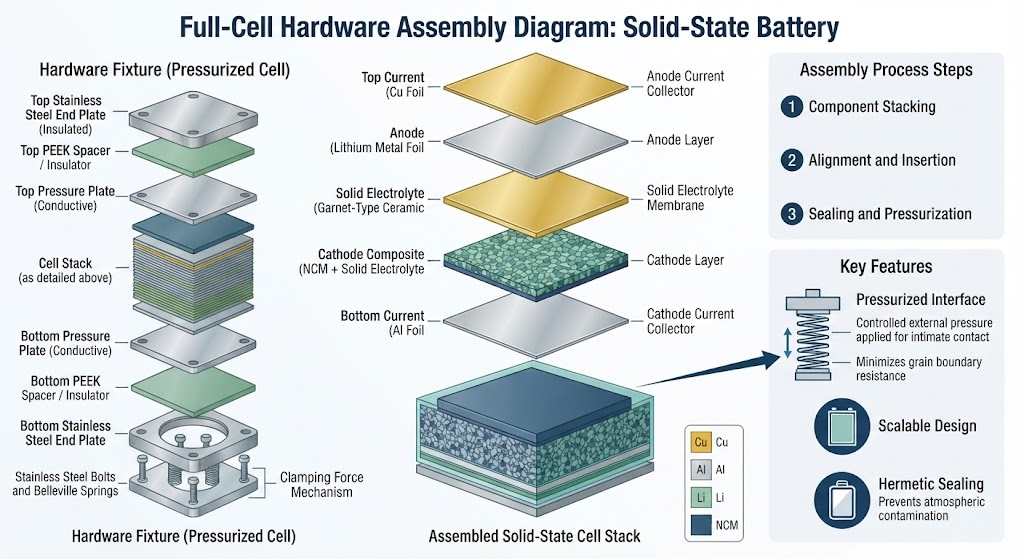
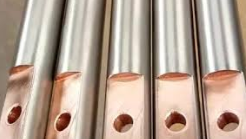
Ultra-Thin Titanium Current Collector Foils: Replacing copper with high-tensile 4 µm to 8 µm ultra-thin titanium foil cuts anode inactive weight by 45% while eliminating corrosion reactions common to copper foils above 3.8V.
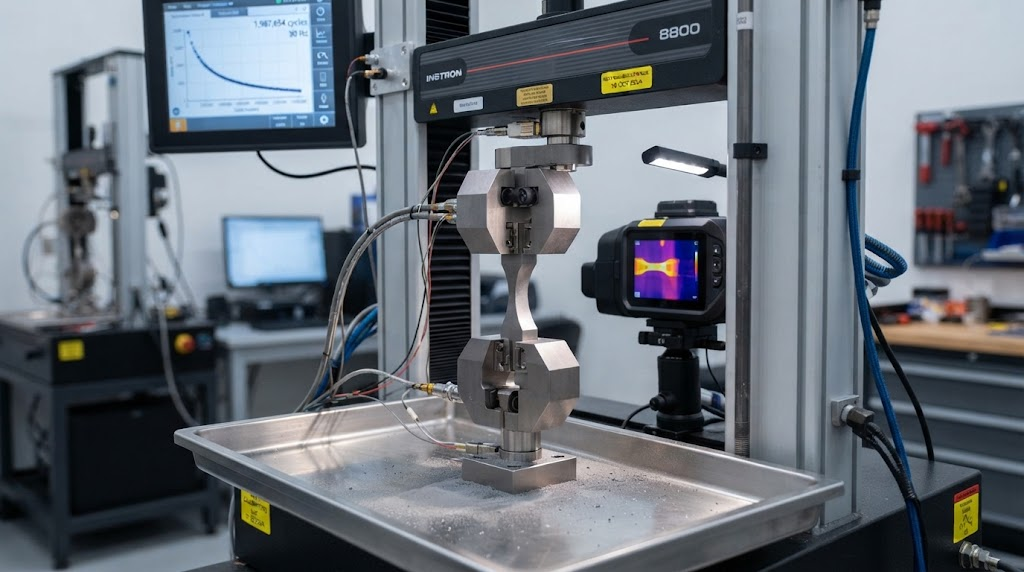
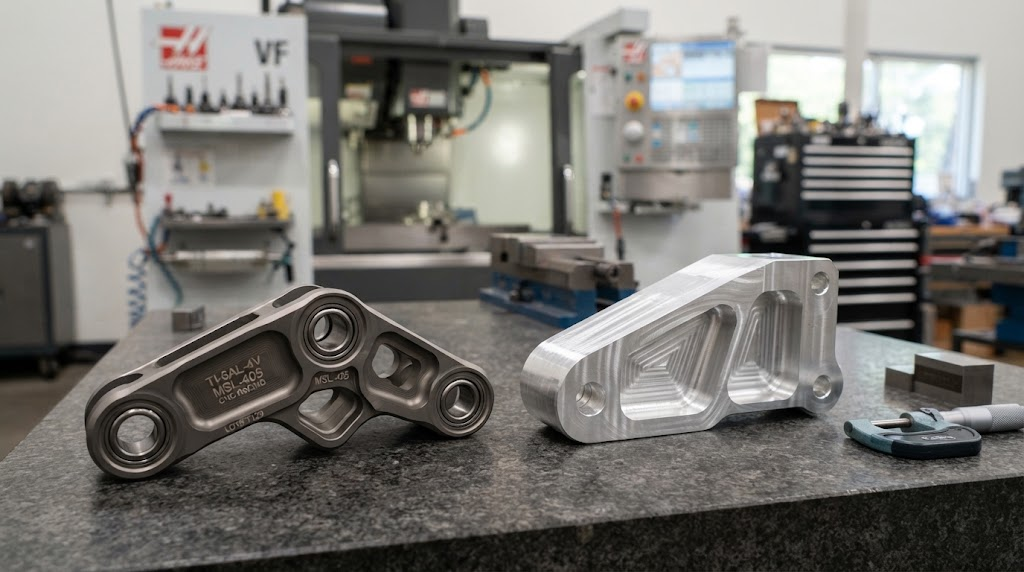
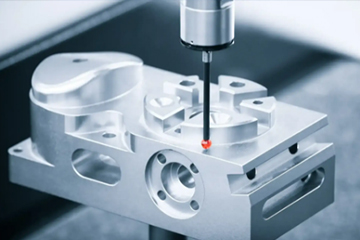
High-Stack-Pressure Test Fixtures: We fabricate custom CNC titanium cell enclosures from Grade 5 (Ti-6Al-4V) alloys. These fixtures maintain uniform stack pressures up to 15 MPa without mechanical warping or chemical corrosion during extended thermal cycling tests.
Comparative Engineering Economics: TiH2 vs. LTO vs. Silicon Anode Composites
Choosing an anode chemistry for commercial all-solid-state cells requires balancing specific capacity, operating potential, stack-pressure demands, and manufacturing economics.
| Evaluation Metric | Beta-TiX™ TiH2 Anode | Lithium Titanate (LTO) | Silicon-Graphite Composite | Pure Lithium Metal Foil |
|---|---|---|---|---|
| Theoretical Specific Capacity | 900+ mAh/g | 175 mAh/g | 600 - 1,200 mAh/g | 3,860 mAh/g |
| Working Voltage vs. Li/Li+ | 0.45 V | 1.55 V | 0.20 V | 0.00 V |
| Volume Expansion Ratio | ≤ 28% | < 1.0% ("Zero-strain") | 150% - 300% | Infinite (Hostless) |
| Dendrite Penetration Risk | Zero (Alloy Conversion) | Zero | Moderate | Extremely Severe |
| Required Operating Pressure | 1 - 3 MPa | 1 - 2 MPa | 8 - 15 MPa | 5 - 10 MPa |
| Cycle Life (1C / 100% DoD) | > 3,500 cycles (88% ret.) | > 10,000 cycles | 400 - 800 cycles | 300 - 600 cycles |
| Processing Environment | Standard Dry Room (-40°C) | Standard Dry Room | Strict Inert / Argon | Ultra-Dry (-60°C) / Argon |
While Lithium Titanate (LTO) delivers extended cycle life, its high operating potential (1.55 V) reduces full-cell working voltage to 2.3 V when paired with high-voltage NMC811 cathodes, limiting full-pack energy density below 180 Wh/kg.
Silicon composite anodes yield high theoretical capacities, but their severe volume changes (> 150%) fracture solid electrolyte interfaces. This requires complex, heavy external cell clamping systems delivering > 8 MPa to avoid mechanical separation.
Beta-TiX™ titanium hydride operates at 0.45 V vs. Li/Li+, maintaining full-cell operating potentials above 3.65 V with high specific capacity (> 900 mAh/g) and minimal expansion (≤ 28%). This yields pack-level energy densities exceeding 380 Wh/kg while operating under standard 1.5 to 3.0 MPa stack pressures.
Frequently Asked Questions About Titanium Hydride in Solid-State Batteries
How do you handle sub-micron TiH2 safely in pilot lines without pyrophoric reactions?
Beta-TiX™ titanium hydride undergoes gas-phase surface passivation during manufacturing, which forms a dense, sub-nanometer oxy-hydride protective layer. The resulting powder is non-pyrophoric and safe for processing inside dry-room facilities maintaining a dew point ≤ -40°C. Slurry mixing using non-aqueous solvents (e.g., NMP, Xylene, Anisole) requires no specialized argon-purged glovebox environments.
Does TiH2 produce hydrogen gas during cell assembly or high-temperature operation?
Stoichiometric δ-phase TiH2.00 maintains thermal stability up to its dehydrogenation onset temperature of 380°C to 420°C. Standard battery electrode drying processes (80°C to 130°C) and hot-isostatic-pressing stages (HIP at 80°C to 120°C, 300 MPa) operate well below this threshold, preventing internal hydrogen outgassing or cell swelling.
Which binders and solid electrolytes are compatible with Beta-TiX™ powders?
Beta-TiX™ powders integrate with standard fluorinated and elastomeric binder systems, including PTFE, PVDF, and Hydrogenated Nitrile Butadiene Rubber (HNBR). They demonstrate full chemical compatibility with sulfide solid electrolytes (Li6PS5Cl, Li10GeP2S12), oxide garnet pellets (LLZO/LLZTO), and solid polymer matrices (PEO, PAN) without triggering interfacial degradation.
Can China Titanium Factory customize particle size distributions (PSD) for specialized coating lines?
Yes. Our cryogenic jet-milling and centrifugal air classification lines can produce custom particle size distributions, matching specifications from sub-micron sizes (D50 = 0.8 µm ± 0.15 µm) up to coarser distributions (D50 = 15 µm to 45 µm) with defined BET surface area parameters.
Procurement and Pilot-Line Integration: 3-Step Commercial Pathway
Transitioning from benchtop R&D to automated pilot-scale slurry casting requires consistent, certified materials. China Titanium Factory offers a direct three-step engineering procurement pathway:
Step 1: Submit Technical Specifications: Submit your required D50 particle sizing, surface area targets, purity grade, and electrolyte chemistry requirements through our technical portal.
Step 2: Rapid Data Verification & Sample Dispatch: Our metallurgical team generates an immediate lot-specific MTC preview along with XRD, PSD, and LECO analysis reports. Standard 100g to 500g pilot evaluation samples ship via air freight in sealed, argon-charged containers within 48 to 72 hours.
Step 3: Direct Engineering Consultation: Work directly with our Senior Titanium Powder Metallurgists to optimize slurry solid-loadings, select matched current collector foils, and establish long-term supply agreements.
Request Battery-Grade TiH2 Pilot Samples
Access technical documentation, verify custom PSD tolerances, and order certified Beta-TiX™ titanium hydride evaluation lots for your solid-state pilot line.
Contact Our Metallurgical Engineering Team