


















The Role of MMO Anodes in Green Hydrogen Production
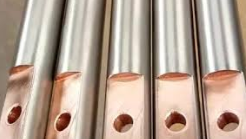
Titanium MMO mesh anodes are the critical component in Proton Exchange Membrane (PEM) electrolyzers, providing the necessary catalytic surface for the oxygen evolution reaction (OER) while withstanding highly acidic conditions. By utilizing a high-purity Grade 1 titanium substrate coated with Iridium-Tantalum (Ir-Ta) oxides, these anodes achieve low overpotential and exceptional durability, enabling efficient hydrogen production at high current densities.
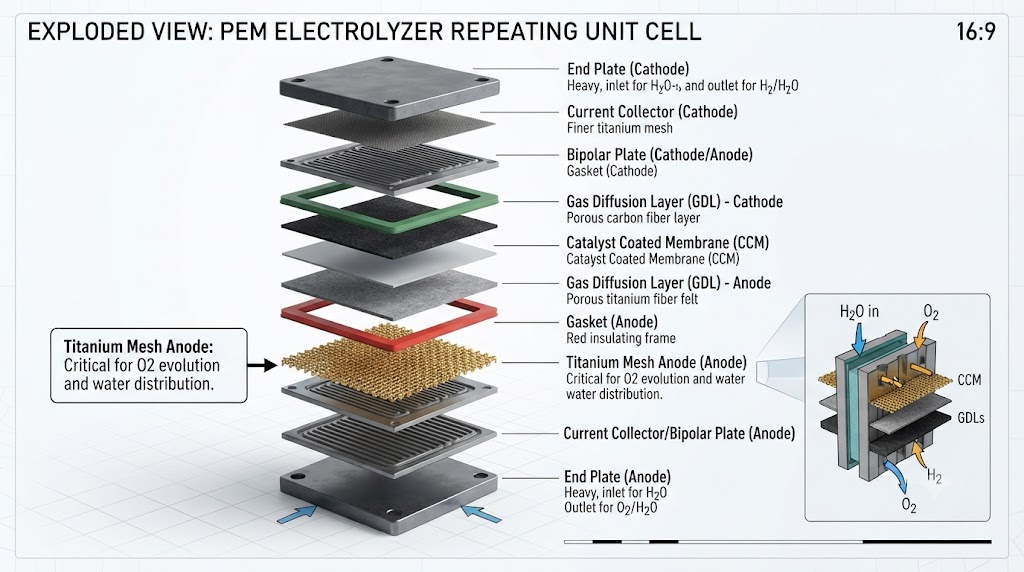
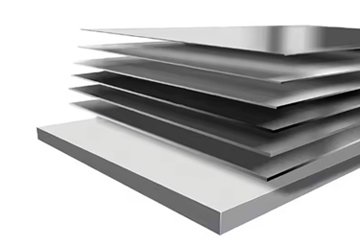
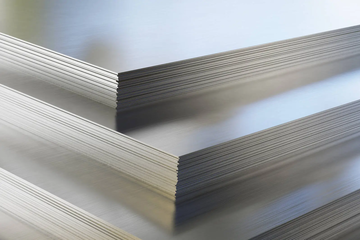
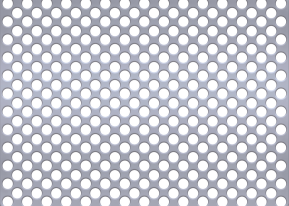
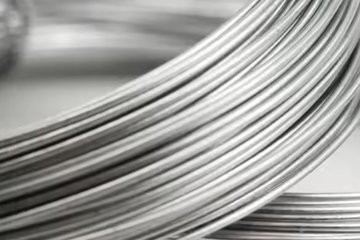
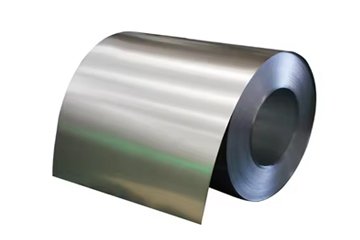
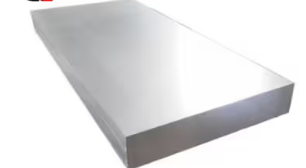
In our manufacturing experience at China Titanium Factory, the anode must facilitate rapid gas bubble detachment. Inefficient gas release increases the ohmic resistance, leading to energy loss. We utilize Titanium Grade 1 Sheets processed into expanded mesh to maximize surface area while maintaining structural rigidity.
As of 2026, the industry has shifted toward higher operating pressures (30-50 bar) and increased current densities (up to 3 A/cm²). This evolution demands anodes with superior catalyst adhesion and uniform current distribution to prevent localized "hot spots" that can degrade the membrane.
"The efficiency of a PEM stack is fundamentally limited by the OER kinetics at the anode. Precise control over the MMO microstructure is not a luxury; it is a requirement for achieving the LCOH (Levelized Cost of Hydrogen) targets of 2026." — Senior Electrochemical Engineer, China Titanium Factory
The CTF-Precision™ Coating Framework
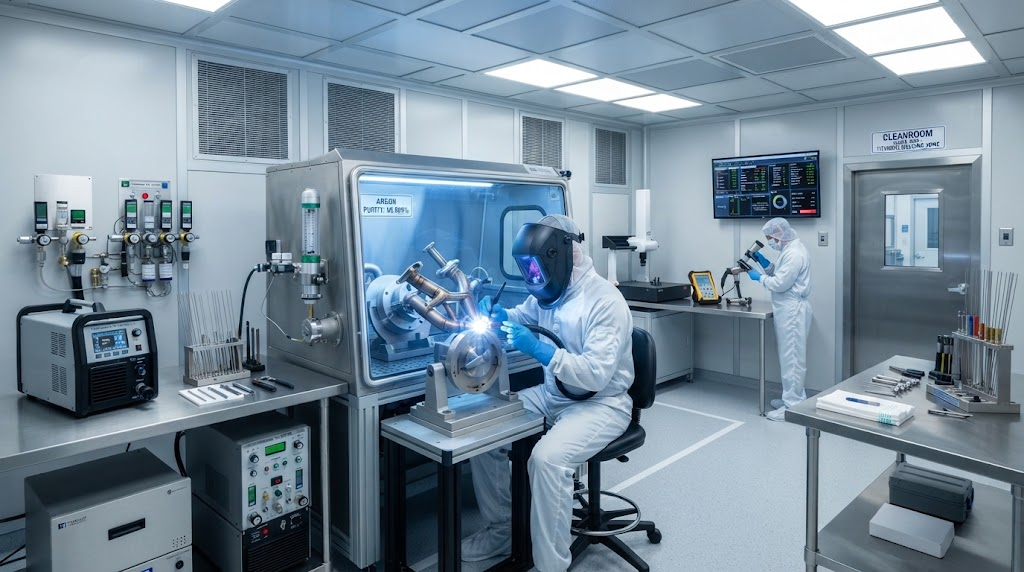
To ensure maximum catalyst utilization and lifespan, we employ the CTF-Precision™ Coating Framework. This proprietary 12-step thermal decomposition process ensures that the noble metal oxides are chemically bonded to the titanium substrate rather than just mechanically layered.
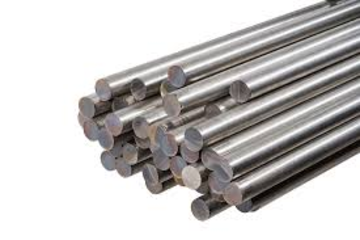
The process begins with aggressive acid etching of the Titanium Forgings or mesh substrates to create a high-anchor-profile surface. This is followed by the application of Ir-Ta precursor solutions in multiple thin layers, each followed by controlled atmospheric sintering. This layering technique prevents the formation of "mud-cracks" in the coating, which are common failure points in lower-quality electrodes.
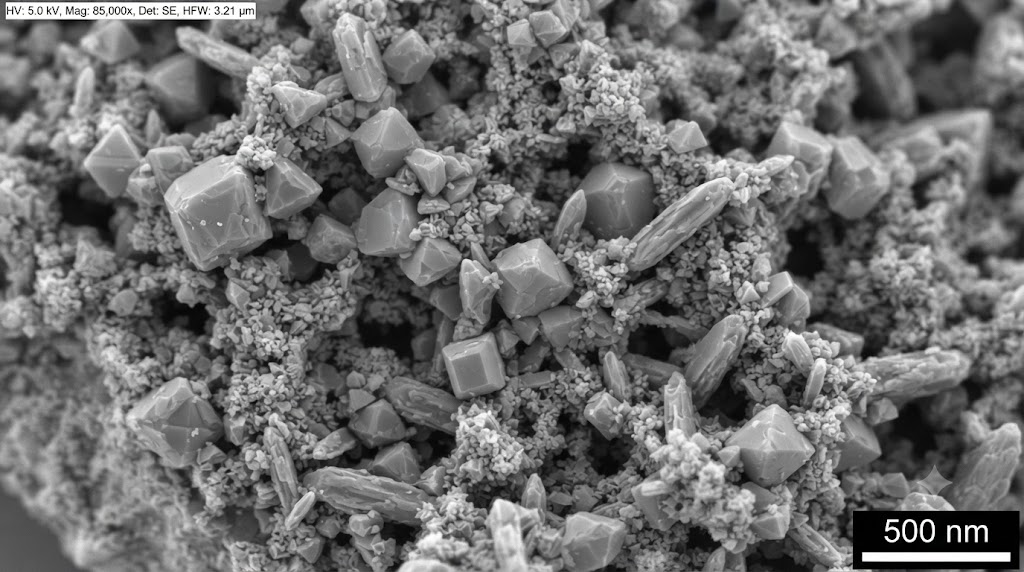
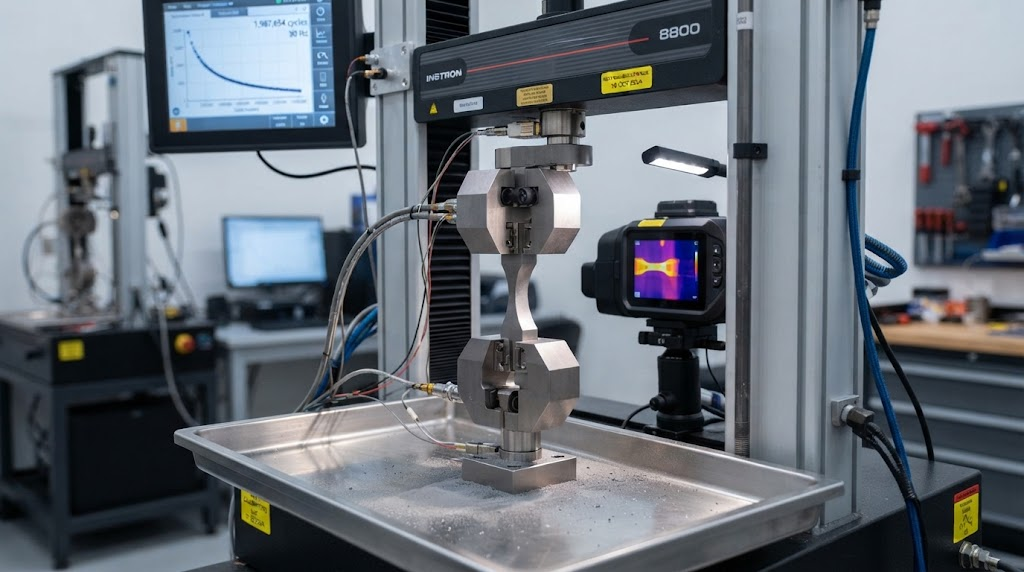
By strictly adhering to ASTM B265 standards for our substrates and maintaining ISO 9001:2015 certified production lines, we verify every batch through Electrochemical Impedance Spectroscopy (EIS) and Scanning Electron Microscopy (SEM) analysis.
Technical Specifications: Substrate and MMO Formulations
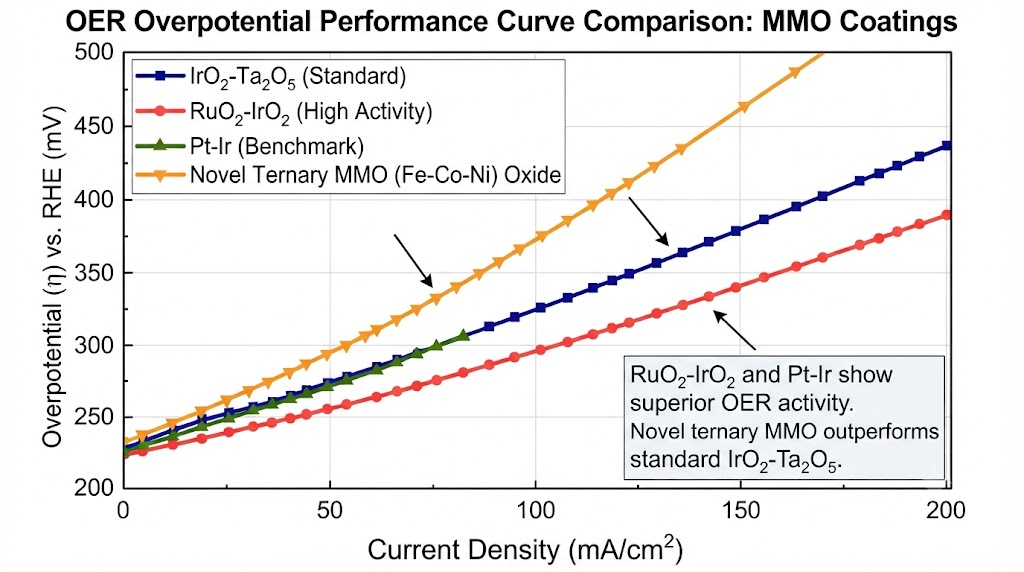
Choosing the right formulation is a balance between initial CAPEX and long-term OPEX. While Ruthenium-based coatings offer lower initial costs, they lack the stability required for the acidic environment (pH < 2) of a PEM cell. Our Iridium-Tantalum formulations are specifically engineered for these conditions.
| Feature | Ir-Ta Oxide (CTF Standard) | Ru-Ir Oxide |
|---|---|---|
| Environment Compatibility | Highly Acidic (PEM) | Alkaline / Neutral |
| OER Overpotential | < 300 mV @ 1 A/cm² | < 280 mV @ 1 A/cm² |
| Durability (ALT Testing) | > 60,000 Hours | < 15,000 Hours (in acid) |
| Typical Loading | 10 - 40 g/m² | 5 - 20 g/m² |
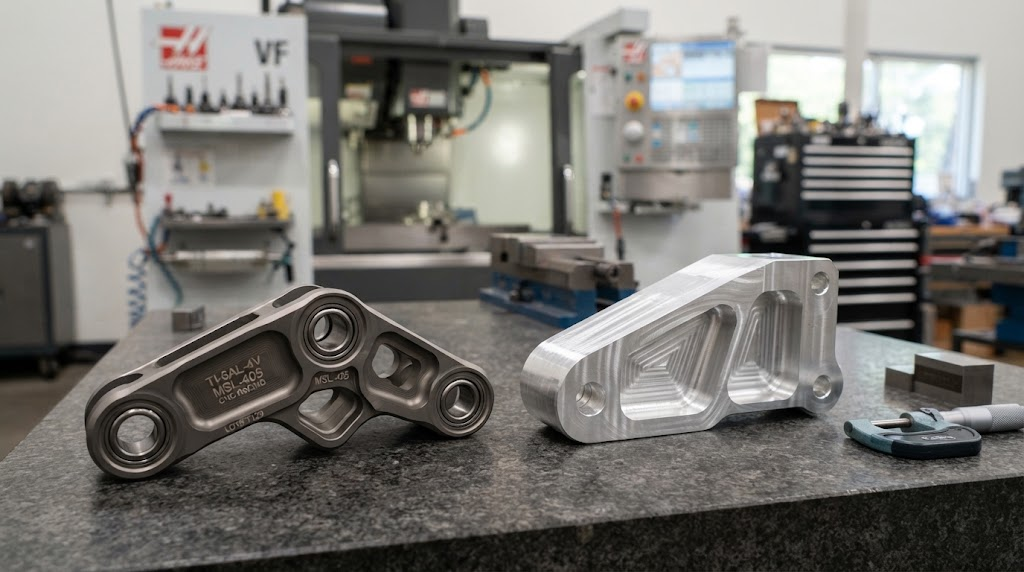
Our substrates are primarily Grade 1 Titanium due to its superior ductility and lower impurity levels (Iron, Oxygen), which prevents the formation of resistive oxide layers between the titanium and the MMO coating. For specialized high-pressure stacks, we also offer Custom CNC Machined Titanium Parts for flow field integration.
Interactive Service Life and Coating Thickness Calculator
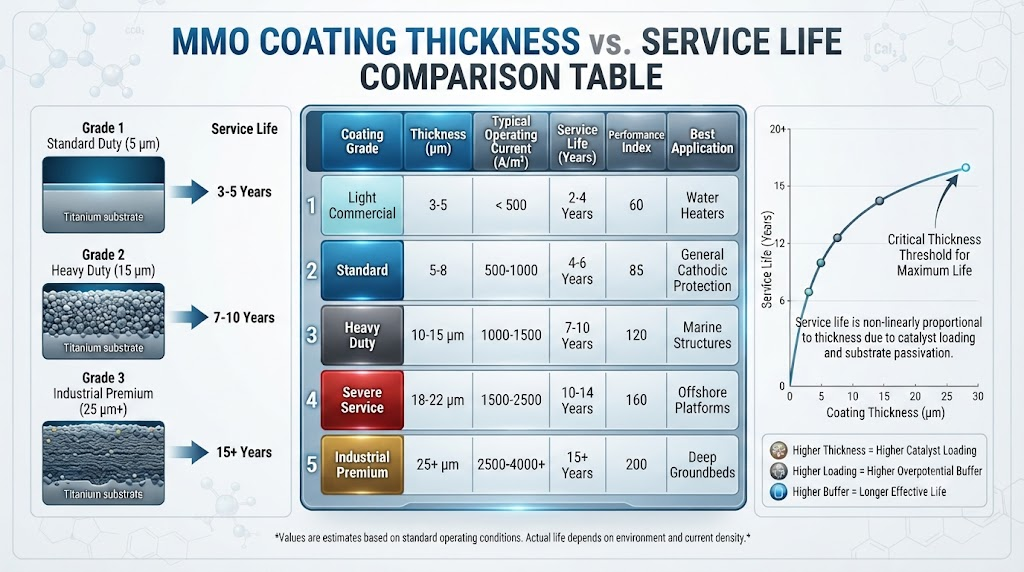
Engineers must calculate the "loading-to-life" ratio to ensure the stack meets its warranty period. In a PEM environment, the consumption rate of Iridium is approximately 1-2 milligrams per ampere-hour (mg/Ah) under standard conditions, though this varies based on current density and temperature.
When designing your stack, consider the Operational Flux Coefficient. If your current density is 2.5 A/cm², the catalyst turnover frequency increases, requiring a denser coating (e.g., 25-30 g/m²) to reach a 50,000-hour service life. China Titanium Factory provides detailed Accelerated Life Testing (ALT) data to help you match coating thickness to your specific stack performance profile.
Overcoming Challenges in PEM Electrolyzer Scaling
The primary challenge in 2026 is Iridium scarcity. With global green hydrogen targets reaching gigawatt scales, the demand for Iridium has surged. We address this through our "Gradient Loading Technique," where the highest concentration of catalyst is placed only on the active surfaces most exposed to the membrane, reducing overall noble metal usage by up to 20% without sacrificing performance.
Another hurdle is bubble shielding. At high current densities, oxygen bubbles can "blind" the anode surface. Our solution involves optimizing the mesh diamond aperture and strand angle. This geometry creates micro-turbulence that effectively "sweeps" bubbles away, maintaining a low bubble overpotential and higher system efficiency.
Case Study: 5MW Green Hydrogen Pilot Project Success
In late 2025, a European energy consortium integrated our Ir-Ta MMO titanium mesh anodes into a 5MW PEM pilot plant. The project required the anodes to operate at 2.2 A/cm² with a target degradation rate of less than 3 µV/hr.
The Results:After 12 months of continuous operation, the stack showed a voltage stability variance of only 0.8%. The SEM analysis of a sampled anode revealed 94% catalyst retention, proving the efficacy of our thermal decomposition bonding. This performance resulted in a 15% reduction in stack energy consumption compared to the client's previous supplier, primarily due to the optimized gas release geometry of our mesh.
Market Outlook 2026: Trends in Hydrogen Infrastructure
The hydrogen economy in 2026 is defined by the transition from pilot plants to gigafactories. This shift places immense pressure on the titanium supply chain. Procurement officers are increasingly bypassing middlemen and sourcing directly from integrated manufacturers like China Titanium Factory to ensure traceability and material purity.
We are seeing a trend toward larger electrode dimensions (up to 1.5m x 1.2m) and integrated bipolar plate/anode assemblies. Our capability to provide both the raw mesh and the finished, coated component significantly simplifies the assembly logistics for our global partners.
Frequently Asked Questions (FAQ)
What is the typical lead time for custom MMO mesh anodes?
For standard Grade 1 substrates with Ir-Ta coating, our lead time is typically 4-6 weeks. Custom CNC machined components or large-scale orders for gigawatt projects are scheduled via our rolling production forecast.
Can titanium anodes be recoated?
Yes. Provided the titanium substrate has not suffered significant mechanical damage or electrolytic thinning, we can strip the old coating and re-apply a fresh MMO layer, offering a cost-effective alternative to full replacement.
Do you provide material certifications?
Every shipment includes a Mill Test Certificate (MTC) to EN 10204 3.1, confirming the chemical composition of the titanium substrate and the loading density of the MMO coating.
Ready to Optimize Your PEM Stack?
Partner with China Titanium Factory for high-performance MMO anodes engineered for the 2026 Green Hydrogen market.