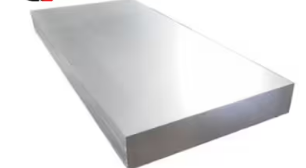
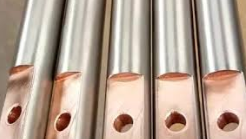
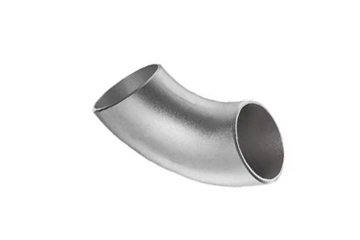
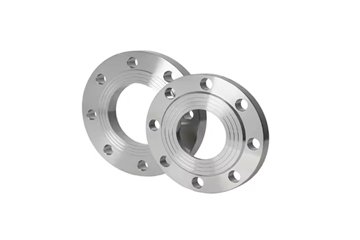
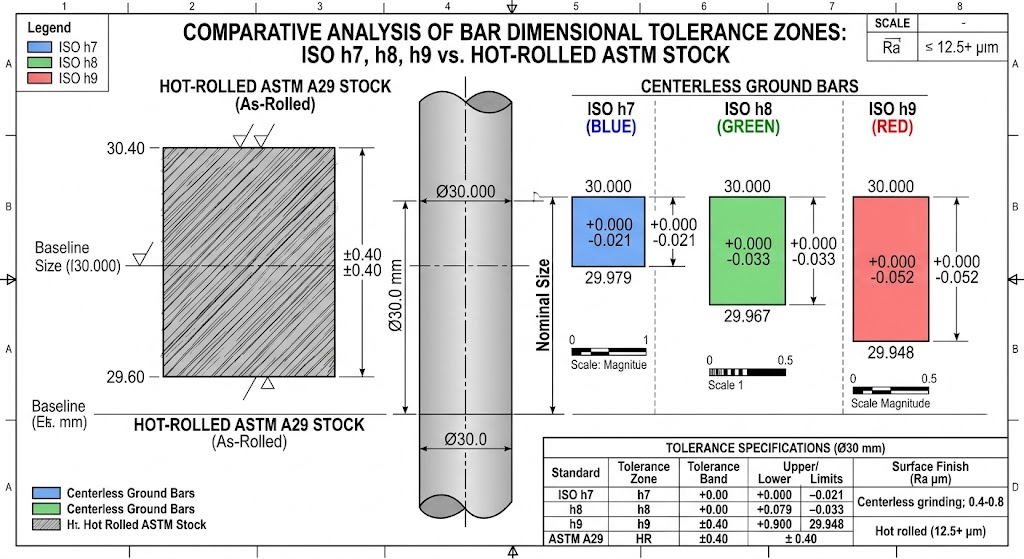
For Procurement Directors, Quality Assurance (QA) Managers, and Design Engineers in critical sectors, the decision between sourcing titanium directly from a mill or through a stocking distributor transcends mere unit price. This guide provides a granular Total Cost of Ownership (TCO) framework, analyzing the engineering, logistical, and financial implications of each procurement pathway to inform strategic material acquisition, focusing on applications such as Aerospace Grade Titanium Alloys and Medical Grade Titanium Implants.
The Total Cost of Ownership (TCO) for titanium procurement extends significantly beyond the initial unit price, encompassing critical factors such as logistics, comprehensive Quality Assurance (QA), inventory carrying costs, and the often-underestimated financial impact of extended lead times and non-conformance. Direct mill sourcing, exemplified by manufacturers like China Titanium Factory, offers unparalleled advantages for custom specifications, full melt batch traceability, and direct Design for Manufacturability (DFM) consultation, making it ideal for high-volume, long-lead projects with stringent control requirements. Conversely, stocking distributors provide immediate material availability, accommodate smaller Minimum Order Quantities (MOQs), and offer value-added processing, best suited for urgent or lower-volume, diverse material needs. Regardless of the sourcing channel, rigorous QA protocols—including AMS 2631 Class AA/A ultrasonic testing and verified alpha-case surface removal—are paramount to mitigating downstream manufacturing risks. A thorough understanding of titanium's precise operational boundaries (e.g., creep, galvanic corrosion, specific chemical taboos) is fundamental for optimal material selection and proactive failure prevention, directly influencing the overall TCO.
Direct Mill Sourcing: Advantages, Disadvantages, and TCO Impact
Stocking Distributor Sourcing: Advantages, Disadvantages, and TCO Impact
Operational Boundaries and Failure Prevention for Titanium Alloys
Design for Manufacturability (DFM) and Technical Consultation
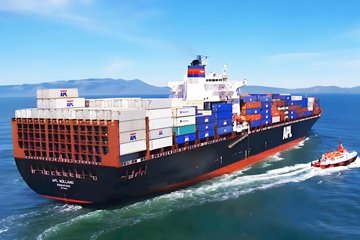
Logistics, Export Standards, and Packaging for Overseas Shipments
Partner with China Titanium Factory for Optimized Titanium Procurement
Technical Consultation & Mill Test Certificate (MTC) Requests
| Grade Code: | Ti-6Al-4V (Grade 5) |
| Standard Specifications: |
|
| Delivery Forms: |
|
| Critical Properties: |
|
| Machinability Rating: | Poor (approx. 20-30% of AISI B1112 steel) |
Direct engagement with a titanium mill offers distinct advantages for high-volume, custom, or highly specialized requirements. This section details the benefits, inherent challenges, and how these factors contribute to the overall TCO for direct mill procurement.
Custom Specifications: Mills can produce specific dimensions, unique metallurgical properties (e.g., controlled grain size, low interstitial levels), and Custom Titanium Forgings tailored to precise engineering drawings, reducing material waste and optimizing performance.
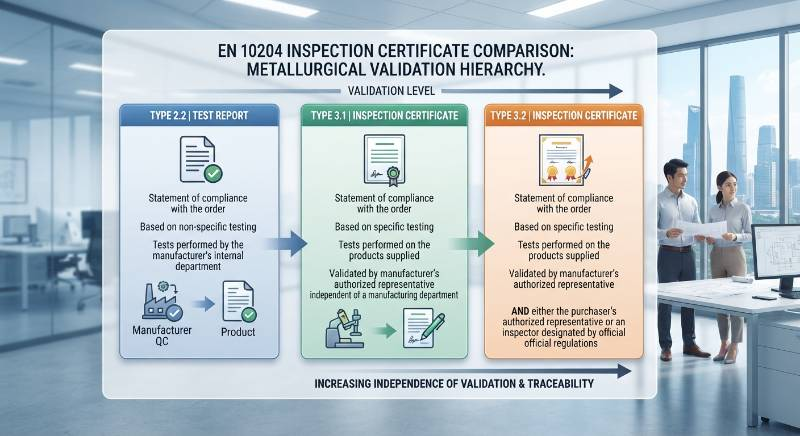
Full Traceability: Direct mill sourcing guarantees full Vacuum Arc Remelting (VAR) melt batch traceability, linking raw material from sponge to finished product via comprehensive documentation and EN 10204 3.1 Mill Test Certificates. This is critical for industries like aerospace and medical devices.
Technical Consultation & DFM: Direct access to metallurgical engineers for Design for Manufacturability (DFM) reviews, material selection guidance, and process optimization.
Cost Efficiency for Volume: For substantial order volumes, direct mill pricing often yields a lower unit cost over the project lifecycle due to economies of scale and reduced intermediary markups.
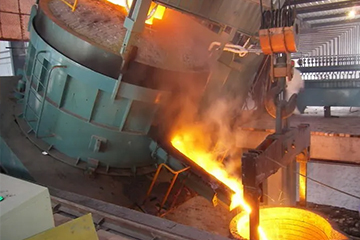
Quality Control: Direct oversight of the entire production process, from melting and forging to heat treatment and final Non-Destructive Testing (NDT), ensuring adherence to the most stringent quality standards like AMS 2631 Class AA/A ultrasonic inspection.
Higher Minimum Order Quantities (MOQs): Mills typically have higher MOQs compared to distributors, which can be a barrier for smaller projects or prototyping.
Longer Lead Times: Production cycles, especially for custom orders, necessitate longer lead times, requiring meticulous planning and inventory management.
Inventory Holding: To mitigate long lead times, buyers may need to hold larger inventories, increasing carrying costs.
While initial unit costs might appear higher for small quantities, direct mill sourcing significantly reduces hidden TCO elements such as incoming inspection failures, rework due to material inconsistencies, project delays from non-conformance, and warranty claims. Optimized material utilization through custom sizing and DFM consultation also minimizes scrap and machining time, contributing to overall cost reduction. However, higher inventory carrying costs and the financial impact of capital tied up during longer lead times must be factored in.
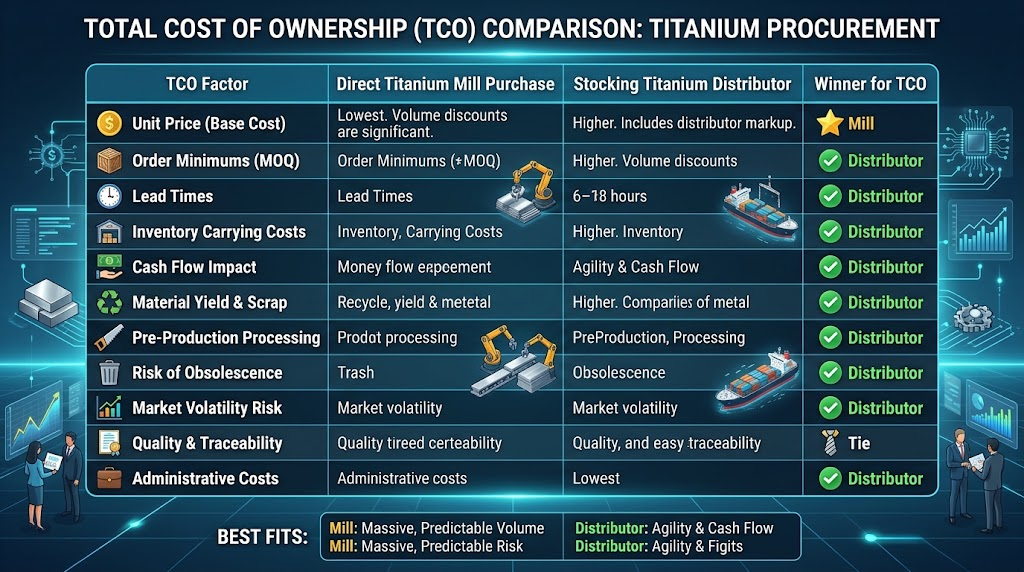
Stocking distributors serve a vital role by providing immediate access to a wide range of titanium products, often with value-added services. This section evaluates the operational efficiencies, potential cost premiums, and TCO implications associated with leveraging a distributor's inventory and services.
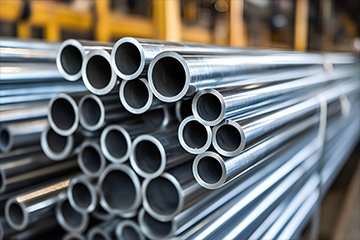
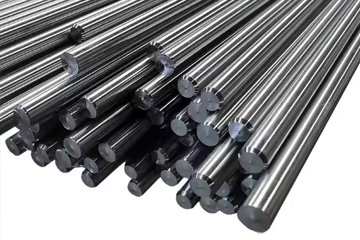
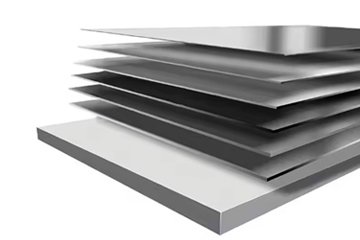
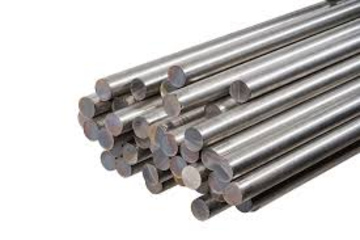
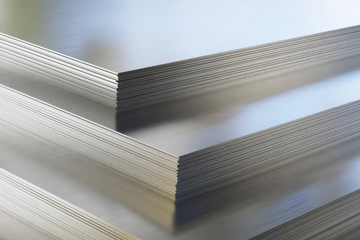
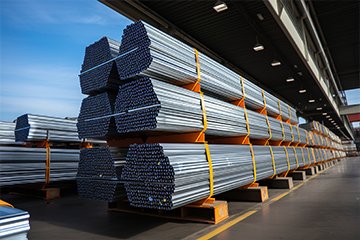
Immediate Availability: Distributors maintain extensive inventories of standard Titanium Bar Stock Specifications, plate, and sheet, enabling quick turnaround for urgent requirements.
Lower MOQs: They typically accommodate smaller order quantities, making them suitable for prototyping, small batch production, or urgent maintenance.
Value-Added Processing: Many distributors offer in-house cutting, shearing, and initial machining services, reducing the need for customers to perform these operations.
Diversified Inventory: Access to a broader range of grades and forms from multiple mills, providing flexibility in material selection.
Higher Unit Price: Distributors typically apply a markup to cover their inventory carrying costs, processing, and operational overhead, leading to a higher unit price compared to direct mill purchases for equivalent volume.
Limited Customization: Material is generally off-the-shelf, with limited options for custom dimensions or specific metallurgical property adjustments.
Traceability Complexity: While distributors provide MTCs, the chain of custody can be more complex, sometimes involving multiple layers of documentation if material has been re-processed or resold. Rigorous verification of the original mill MTC is essential.
Potential for Material Age/Storage Issues: While rare with reputable distributors, improper long-term storage or older stock can be a concern.
Distributor sourcing reduces inventory carrying costs for the buyer and minimizes the financial impact of long lead times for small, urgent orders. However, the higher unit price and potential for increased material waste (due to purchasing standard sizes that require further machining) can elevate the overall TCO for larger or ongoing projects. The increased burden of verifying multi-layered MTCs and potentially conducting additional incoming QA for critical applications also adds to the TCO.
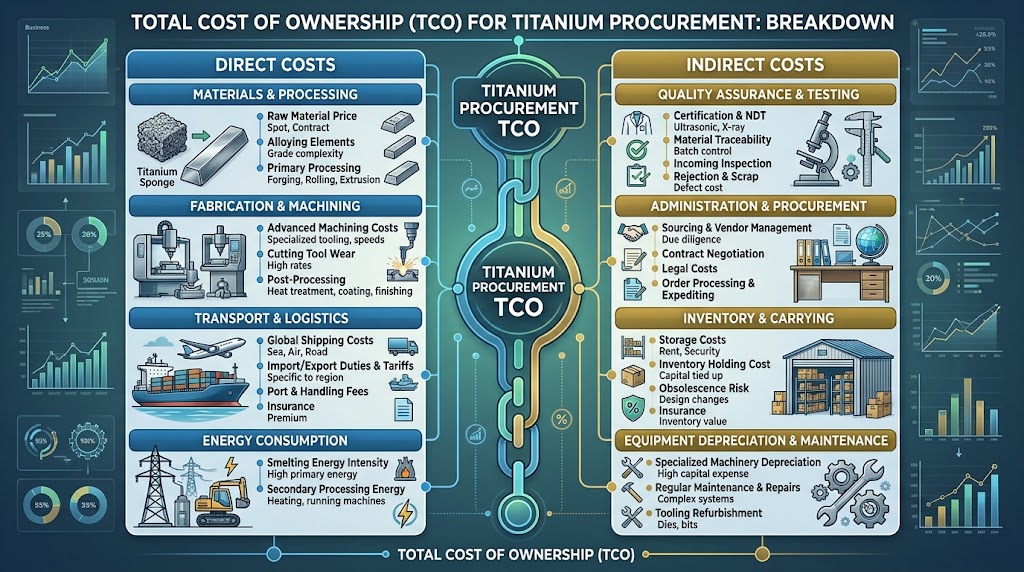
A comprehensive TCO model for titanium must extend beyond the invoice price. This section breaks down the quantifiable and qualitative cost elements, including material unit cost, landed cost, inventory carrying, quality assurance, and the often-overlooked financial impact of lead time and non-conformance.
Material Unit Cost: The base price per kilogram or pound.
Landed Cost: Includes freight, insurance, duties, customs brokerage fees, and any applicable tariffs. For international shipments, these can be substantial.
Inventory Carrying Costs: Capital tied up in inventory, storage space costs, insurance, obsolescence risk, and handling. This can represent 15-35% of the inventory value annually.
Quality Assurance Costs: Incoming inspection, NDT (e.g., AMS 2631 Class AA/A ultrasonic testing), destructive testing, MTC verification, supplier audits, and QA personnel salaries.
Processing & Machining Costs: Material preparation (cutting, cleaning), machining time, tool wear, and scrap generation. Optimized material forms (near-net shapes) from a mill can significantly reduce these.
Non-Conformance Costs: The financial impact of defective material, including rework, scrap, production delays, expedited shipping for replacement material, internal investigations, and potential warranty claims or reputational damage. This is often the largest hidden cost.
Lead Time Impact: The cost of capital tied up during long lead times, potential revenue loss from delayed product launches, and the cost of maintaining buffer inventory.
Administrative & Procurement Overhead: Supplier qualification, contract negotiation, order processing, and communication costs.
A thorough TCO analysis requires quantifying these elements to reveal the true economic advantage of a direct mill relationship, particularly for critical applications where material integrity and predictable supply chain performance are paramount.
Robust quality assurance and full traceability are non-negotiable for critical titanium applications. This section details the essential certifications, inspection protocols, and metallurgical controls necessary to mitigate supply chain risks and ensure material integrity.
Full Vacuum Arc Remelting (VAR) melt batch traceability is fundamental, linking raw material to finished product via EN 10204 3.1 Mill Test Certificates (MTCs) and internal lot numbers. This provides an unbroken chain of custody, critical for aerospace, defense, and Medical Grade Titanium Implants. Buyers must insist on MTCs issued directly by the primary melt facility, verifying chemical composition and mechanical properties against the exact ASTM/AMS standard and revision.
Ultrasonic Testing (UT): Mandatory AMS 2631 Class AA/A ultrasonic testing is required for critical applications to detect internal discontinuities, such as voids, inclusions, or cracks.
Dye Penetrant Inspection (DPI): Per ASTM E1417, used to detect surface-breaking defects.
Radiographic Inspection (RT): Per ASTM E1742, utilized for volumetric inspection as required for specific components.
Alpha-Case Removal: Verification of alpha-case surface removal (e.g., per ASTM F1472, AMS 2242) is crucial, particularly for Aerospace Grade Titanium Alloys and medical implants, as this brittle, oxygen-enriched layer can compromise fatigue life and biocompatibility.
Conducting regular supplier audits, especially for direct mill suppliers, ensures ongoing compliance with quality management systems (e.g., ISO 9001:2015, AS9100D, ISO 13485:2016) and verification of in-house NDT capabilities, mechanical testing, and chemical analysis. This proactive approach significantly mitigates supply chain risks.
Understanding titanium's precise operational limitations is critical for design engineers and QA managers. This section outlines specific environmental and mechanical boundaries, common failure modes, and proactive mitigation strategies to prevent premature component failure and associated costs.
Creep Deformation: Titanium alloys exhibit creep deformation above 400 °C (750 °F) for extended durations. Designs for high-temperature service must account for this, often requiring specific high-temperature alloys or modified designs.
Oxidation and Embrittlement: Rapid oxidation and subsequent embrittlement occur above 600 °C (1112 °F). This limits the upper service temperature for unprotected components in air.
Galvanic Corrosion: Titanium is susceptible to galvanic corrosion when coupled with dissimilar metals (e.g., steel, aluminum) in electrolyte environments (e.g., seawater). Proper electrical isolation, protective coatings, or compatible fastener materials are essential for prevention.
Stress Corrosion Cracking (SCC):
Fuming Nitric Acid: Avoid direct contact with fuming nitric acid (>90% concentration) as it can induce SCC in many titanium alloys.
Dry Chlorine Gas: Dry chlorine gas, especially at elevated temperatures, poses a severe SCC risk.
Certain Methanol Solutions: Specific methanol solutions, particularly when contaminated with halides or water, can also lead to SCC.
Hydrogen Embrittlement: Exposure to hydrogen-rich environments, especially under cathodic protection or in high-pressure hydrogen, can lead to hydrogen pickup and embrittlement.
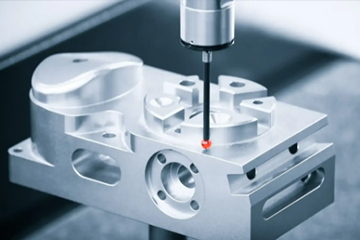
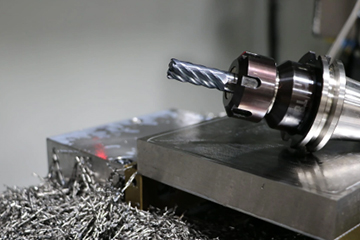
Machining Challenges: Titanium exhibits pronounced work-hardening and galling during machining due to its low thermal conductivity and chemical reactivity. This necessitates specific tooling geometries, low cutting speeds, high feed rates, and copious high-pressure coolant to mitigate tool wear and surface integrity issues.
Proactive material selection, rigorous design review, and a clear understanding of the application environment are critical to preventing these failure modes, which directly impact a component's lifecycle cost and reliability.
Integrating DFM principles early in the design phase, supported by direct mill technical consultation, can significantly reduce downstream manufacturing costs and enhance product performance. This section explores how expert input from the material producer optimizes designs for titanium's unique properties.
Collaborating with a direct mill partner like China Titanium Factory provides invaluable DFM support. Our metallurgical engineers can review technical drawings and propose modifications that:
Optimize Material Utilization: Suggesting near-net shape Custom Titanium Forgings or specific bar sizes to minimize material waste and machining time.
Enhance Machinability: Advising on optimal material conditions (e.g., annealed vs. solution treated and aged) or specific microstructures to improve chip formation and reduce tool wear.
Prevent Manufacturing Defects: Identifying potential stress concentration points or areas prone to residual stress buildup during processing, which could lead to cracking or distortion.
Ensure Compliance: Verifying that the proposed design and material selection meet all relevant ASTM, AMS, and ISO standards for the intended application.
Reduce Overall TCO: By addressing potential manufacturing challenges and material suitability early, DFM consultation prevents costly reworks, scrap, and delays, directly contributing to a lower Total Cost of Ownership.
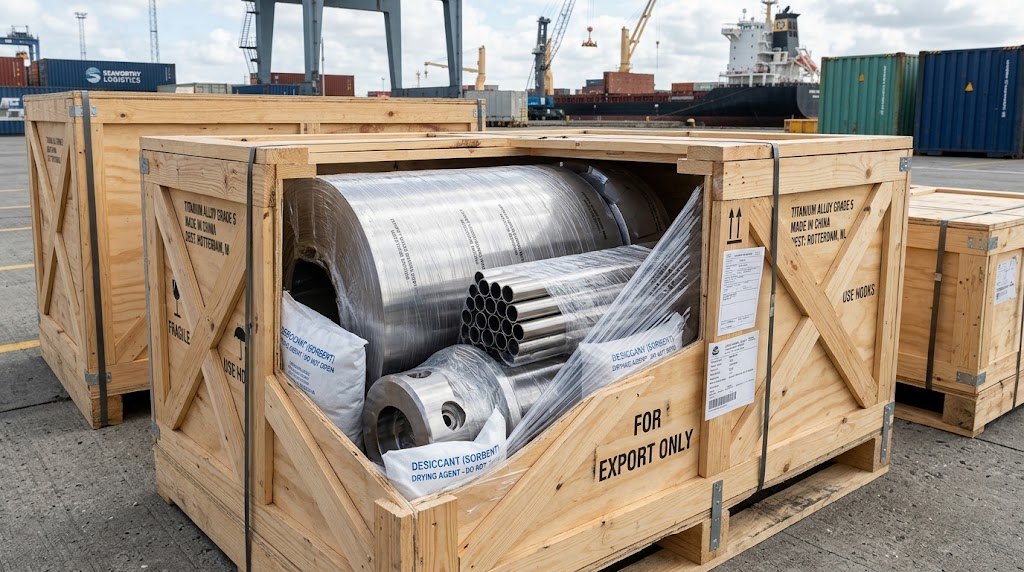
For international procurement, stringent logistics and packaging standards are essential to ensure material integrity upon arrival. This section details the critical requirements for export packaging, customs, and freight management to prevent damage and delays.
High-value titanium products demand robust export seaworthy packaging. This includes:
ISPM 15 Fumigated Wooden Crates: Compliance with International Standards for Phytosanitary Measures No. 15 (ISPM 15) for all wooden packaging materials to prevent pest dissemination, crucial for international trade.
PVC Shrink Sleeves: Individual titanium components are typically protected with PVC shrink sleeves or thick plastic films to guard against moisture, abrasion, and surface contamination during transit.
Desiccant Packs: Moisture-absorbing desiccant packs are strategically placed within sealed packaging to control humidity and prevent condensation, especially for long ocean voyages or shipments through varying climates.
Corrosion Inhibitors: For certain environments, volatile corrosion inhibitor (VCI) papers or emitters may be used to provide additional protection against surface oxidation.
Robust Strapping and Blocking: Heavy-duty steel or polyester strapping, coupled with internal blocking and bracing, ensures material stability within the crate, preventing movement and impact damage.
Selecting experienced freight forwarders familiar with high-value metal shipments and managing precise customs documentation, including Incoterms (e.g., DDP, CIF, FOB), is paramount to avoid delays and unforeseen costs. Clear labeling, packing lists, and proper hazardous material declarations (if applicable) are also essential.
Making an informed sourcing decision requires a structured approach that weighs project-specific requirements against the comprehensive TCO analysis. This section provides a framework to guide Procurement Directors and Design Engineers in selecting the optimal titanium supply channel.
Project Volume: High-volume, ongoing production runs.
Customization Needs: Requirements for specific dimensions, non-standard grades, or unique metallurgical properties.
Criticality of Application: Flight safety components, implantable medical devices, high-pressure chemical vessels where failure is catastrophic.
QA & Traceability Requirements: Strict adherence to AMS, ISO 13485, NACE standards, demanding full melt-batch traceability and advanced NDT.
Design Optimization: Early-stage DFM collaboration potential to reduce long-term costs.
Supply Chain Predictability: Desire for direct control and transparency over the entire production process.
Urgency: Immediate material requirements for emergency repairs or accelerated prototyping.
Order Size: Small quantities that do not meet mill MOQs.
Material Diversity: Need for a wide range of standard grades and forms without committing to large volumes.
Value-Added Services: Requirements for basic cutting or pre-machining services.
Inventory Management: Desire to minimize in-house inventory holding costs for non-critical items.
Ultimately, the optimal strategy may involve a hybrid approach, leveraging direct mill relationships for strategic, high-value components and utilizing distributors for tactical, immediate, or smaller-scale needs. The key is a diligent, data-driven TCO assessment.
China Titanium Factory offers direct mill advantages, including custom specifications, full traceability, advanced QA (AMS 2631 Class AA/A), and DFM consultation. Our expertise ensures a minimized TCO and maximized material performance for your critical applications. As a vertically integrated, world-class titanium mill with triple VAR melting capabilities, we control the entire production process from titanium sponge to finished product forms, adhering to ISO 9001:2015, AS9100D, and ISO 13485:2016 standards.
We specialize in providing certified material for Aerospace Grade Titanium Alloys and Medical Grade Titanium Implants, guaranteeing 100% melt-to-shipment traceability with EN 10204 3.1 Mill Test Certificates for every shipment. Contact us for a detailed consultation and drawing review to optimize your titanium procurement strategy.
For Procurement Directors, QA Managers, and Design Engineers requiring verifiable material integrity and optimized titanium solutions, China Titanium Factory provides direct access to our Senior Metallurgical Engineering team. We offer comprehensive DFM drawing reviews, detailed material selection guidance, and transparent discussions on operational boundaries.
All material supplied by China Titanium Factory is accompanied by full EN 10204 3.1 Mill Test Certificates, ensuring complete melt batch traceability, chemical composition verification, and mechanical property conformance to specified ASTM/AMS/ISO standards. Supplementary documentation, including AMS 2631 Class AA/A ultrasonic inspection reports and certified alpha-case depth reports, is available upon request for critical applications.
To initiate a technical discussion, submit your project specifications, or request certified samples, please contact our engineering department directly. We are committed to delivering the highest standards in titanium material supply and consultative support.


Contact Us
Room 21003, 10th Floor, Unit 2, Building 1, Xianning International Plaza, No.29 Xianning West Road, Beilin District, Xi'an City
Copyright © Xi'an Shiguang Jingyan Technology Co., Ltd. All Rights Reserved.