













Titanium vs Stainless Steel: The Lifecycle Cost Reality in 2026
Procurement strategies in 2026 have shifted decisively from minimizing CAPEX to maximizing Total Cost of Ownership (TCO). In chemical processing, the choice between titanium and stainless steel is no longer just about the invoice price of raw materials.
While 316L stainless steel remains a standard for mild environments, its susceptibility to chloride stress corrosion cracking (CSCC) and pitting creates massive OPEX burdens. Titanium, once viewed as an "exotic" expense, is now the primary choice for high-availability plants seeking to eliminate unplanned downtime.
Our metallurgical data confirms that while titanium may carry a higher upfront cost, its near-zero corrosion rate in oxidizing environments leads to a significantly higher Net Present Value (NPV) for the facility over its operational life.
Technical Performance Benchmarks: Corrosion and Strength
Titanium provides a unique immunity to corrosion due to its stable, protective oxide film. Unlike stainless steel, which relies on chromium for passivity, titanium's film reforms almost instantly when damaged in oxygen-rich environments.
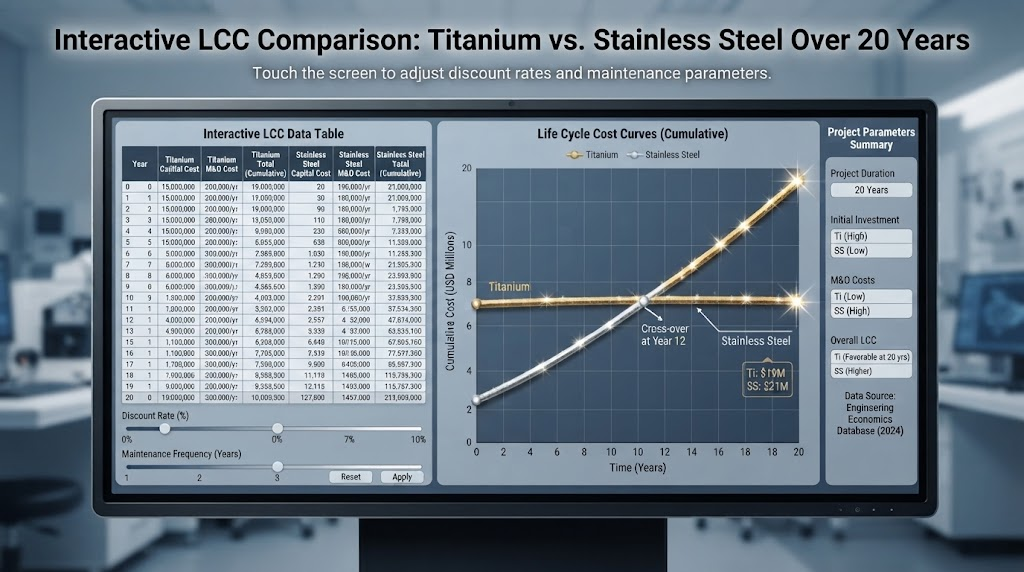
The Pitting Resistance Equivalent Number (PREN) is often used to grade stainless steels, but titanium exists on a different scale of immunity. In environments where 316L (PREN ~24) or even 904L (PREN ~35) suffer from localized attack, Titanium Grade 7 Technical Data shows zero weight loss even in boiling acidified chlorides.
| Property | Grade 2 Titanium | 316L Stainless Steel | 904L Stainless Steel |
|---|---|---|---|
| Density (g/cm³) | 4.51 | 8.00 | 8.05 |
| Yield Strength (MPa) | 275 - 450 | 205 | 220 |
| Corrosion Allowance | 0.0 mm | 1.5 - 3.0 mm | 0.5 - 1.5 mm |
| Max Temp (°C) | 315 (Standard) | 450 | 400 |
Engineering Insight: According to ASTM B265 standards, titanium's lower density means you require approximately 45% less mass of material to occupy the same volume as stainless steel, partially offsetting the higher price per kilogram.
The CTF Lifecycle Advantage Framework
To help chemical engineers quantify long-term value, we utilize The CTF Lifecycle Advantage Framework. This 5-pillar methodology evaluates more than just the purchase price:
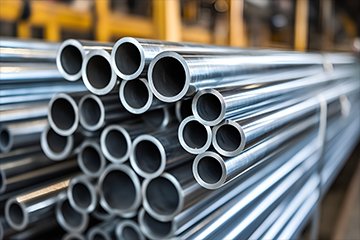
Material Immunity: Eliminating the "corrosion allowance" in design, allowing for thinner walls in Industrial Titanium Tubes.
Maintenance Elimination: Removing the need for scheduled inspections and weld repairs associated with pitting.
Weight Reduction: Lowering structural support requirements and shipping costs.
Energy Efficiency: Titanium's lack of a corrosion scale layer maintains high heat transfer coefficients over time.
Residual Value: High scrap recovery value (often 30-50% of original material cost) at the end of the plant life.
Economic Evaluation: Modeling the Break-Even Point
The standard Lifecycle Cost (LCC) formula used by our senior engineers is:
LCC = C + M + R - S
Where: C = Initial Cost, M = Maintenance, R = Replacement/Downtime, S = Scrap Value.
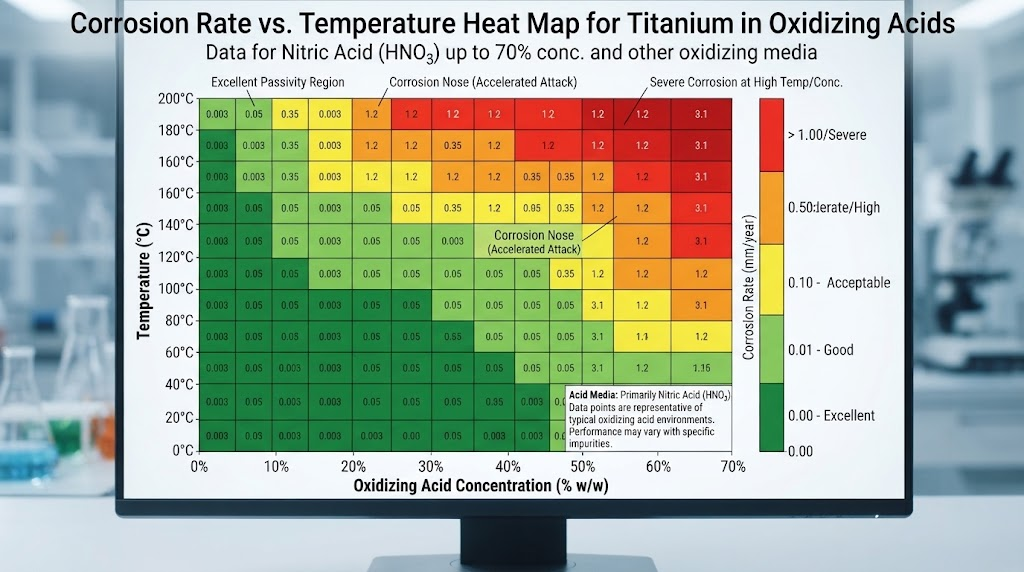
In a typical brine processing facility, a stainless steel heat exchanger may cost $50,000 initially but require replacement every 3 years. With a 10-year horizon, the cost of three replacements, labor, and lost production can exceed $400,000.
A titanium unit may cost $120,000 initially but lasts 20+ years with zero replacements. The "Break-Even Point" typically occurs between year 3 and year 5, after which the titanium installation generates pure profit through OPEX savings.
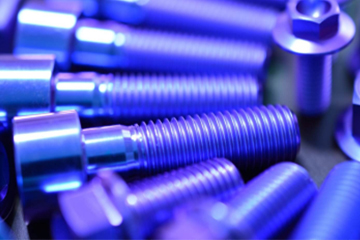
By sourcing Titanium Fasteners for Chemical Plants directly from our factory, engineers further reduce the risk of galvanic corrosion at critical joints, extending the system's MTBF (Mean Time Between Failures).
Application-Specific Suitability: Where Titanium is Non-Negotiable
Stainless steel fails rapidly in certain specific chemical environments where titanium thrives. Our CNC production data shows increased demand for Grade 2 and Grade 7 components in these sectors:
Wet Chlorine: Stainless steel suffers catastrophic failure; Titanium is the industry standard.
Brine and Seawater: Perfect for desalination and marine chemical cooling.
Nitric Acid: Titanium Grade 2 offers exceptional resistance up to boiling point.
Chlorine Dioxide: Essential for pulp and paper bleaching towers.
For applications involving high-temperature reducing acids, we recommend Grade 12 or Grade 7 (Palladium-stabilized) to prevent crevice corrosion. These alloys provide a safety margin that 316L cannot match, even with expensive coatings.
Case Study: 10-Year ROI in a Sulfuric Acid Environment
In 2021, a client replaced a 316L stainless steel shell-and-tube heat exchanger used for cooling diluted sulfuric acid. The 316L unit had a service life of only 22 months before leaking.
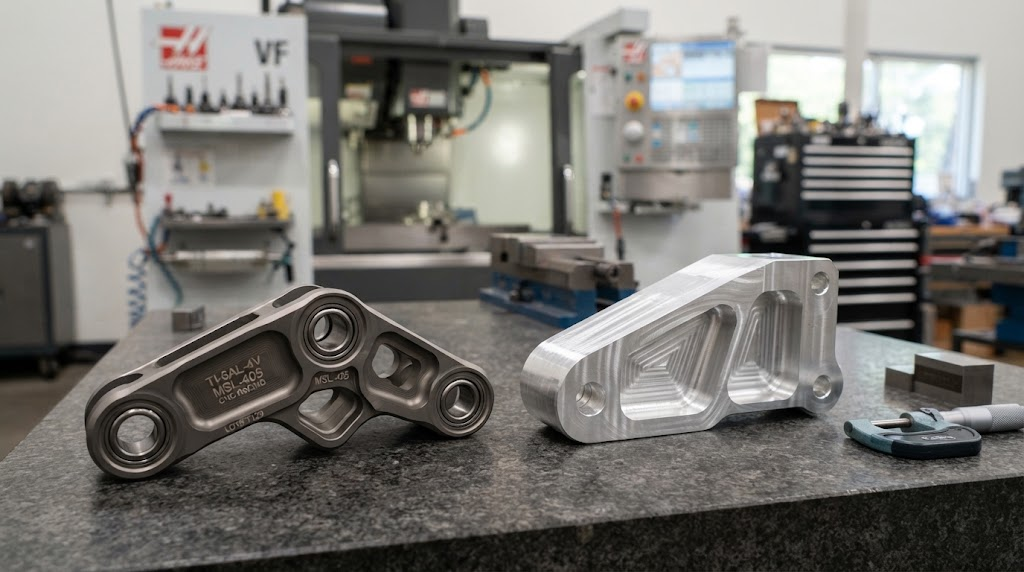
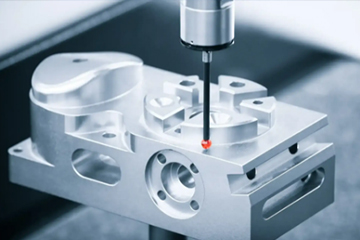
The Solution: China Titanium Factory provided a custom-engineered Grade 2 titanium exchanger with Custom CNC Machining Services for the tube sheets.
The Results (as of 2026):- Maintenance Savings: $85,000 (Eliminated 2 planned replacements). - Downtime Avoidance: 14 days of production recovered. - Current Status: Zero measurable wall thinning after 5 years of continuous service. - Total ROI: 285% compared to continuing with stainless steel.
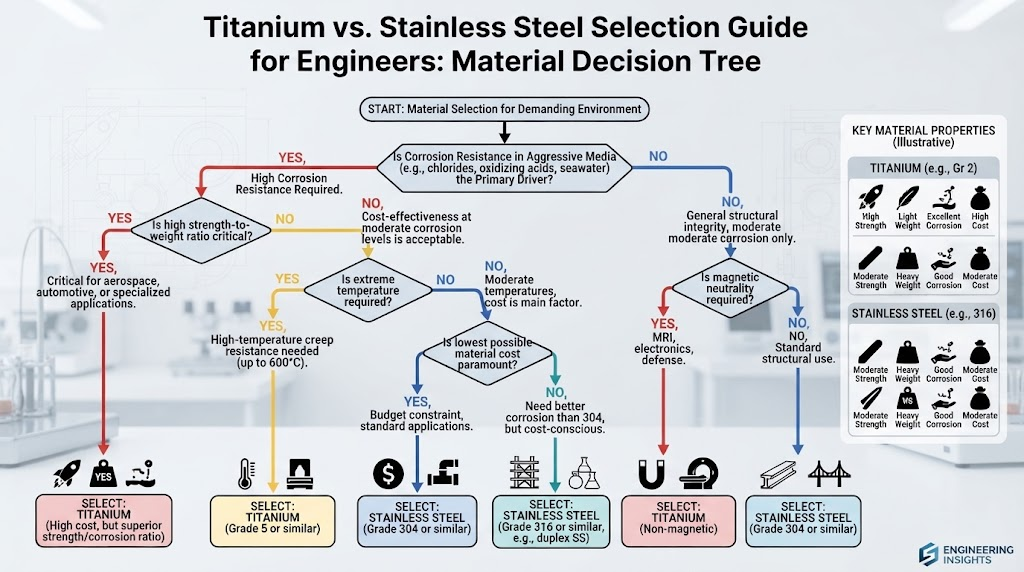
Decision Tree: Choosing the Right Alloy for Your Facility
To determine if you should upgrade to titanium, evaluate these three critical factors:
Chloride Concentration: If >1000 ppm at temperatures above 60°C, 316L will likely fail due to CSCC.
Fluid Velocity: Titanium's erosion-corrosion limit is >20 m/s, whereas stainless steel erodes above 3-5 m/s.
Required Design Life: If the plant life is >10 years, titanium's TCO is almost always lower.
Global Sourcing: Why China Titanium Factory is the Strategic Choice
The "Titanium Premium" is often inflated by complex supply chains. By working directly with China Titanium Factory, you bypass middleman markups and gain access to ISO 9001:2015 certified manufacturing.
We provide full traceability, including MTCs (Mill Test Certificates) compliant with ASME SB338. Our DDP (Delivered Duty Paid) shipping options ensure that the cost you see on the quote is the final cost at your facility door, simplifying the LCC calculation for procurement teams.
Frequently Asked Questions
Is titanium welding more difficult than stainless steel?
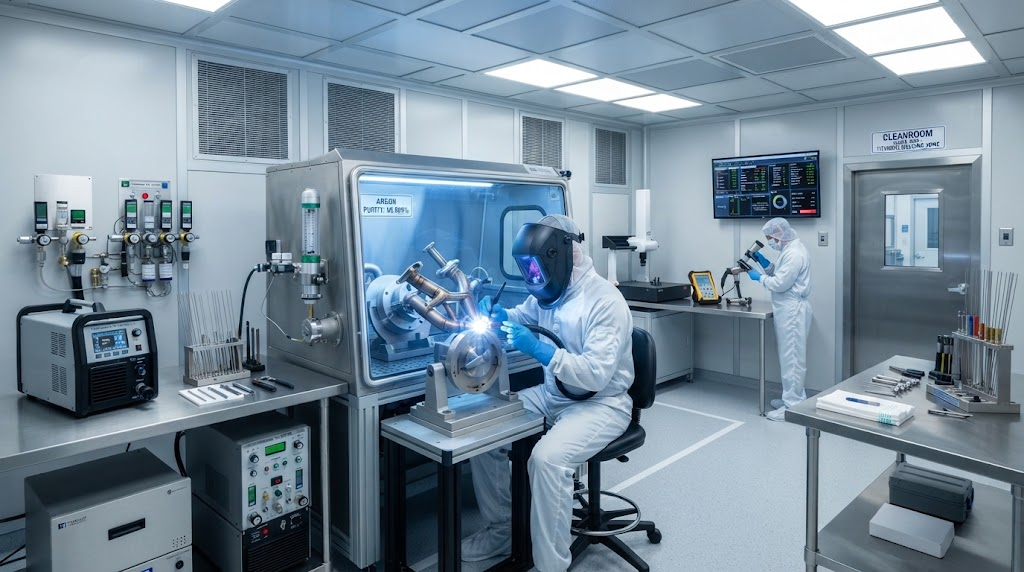
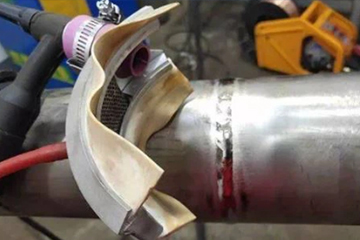
Titanium requires strict inert gas shielding (argon) to prevent embrittlement. While it requires different techniques, it is not "harder"—just different. We provide pre-machined weld preps to simplify your on-site installation.
What is the current price gap in 2026?
On a per-kilogram basis, titanium is 4-6x more expensive than 316L. However, due to density differences and the elimination of corrosion allowances, the finished component cost is typically only 1.8x to 2.5x higher.
Does titanium have scrap value?
Yes. Titanium is 100% recyclable. In your LCC model, you should factor in a residual value of roughly 30% of the current market price for clean solids/tubing at the end of the service life.
Optimize Your Plant ROI with Titanium
Stop paying for maintenance and start investing in immunity. Get a factory-direct quote for your chemical processing components today.
Request a Custom Quote