

















Choosing between titanium and stainless steel pipe fittings isn't just about comparing price tags. It’s about predicting failure. In harsh industrial environments—think desalination plants, offshore rigs, or chemical reactors—the wrong alloy choice leads to catastrophic leaks and unplanned downtime. At China Titanium Factory, we’ve seen how material fatigue costs companies millions when "cheaper" stainless steel fails prematurely.
Defining the Core: Understanding Titanium and Stainless Steel Alloys
Before diving into the mechanics, we must distinguish between the workhorse grades. Not all steel is created equal, and titanium comes in various "flavors" suited for specific pressures.
"We define industrial piping excellence by the synergy of metallurgy and environment. Grade 2 Titanium is the global standard for corrosion resistance, while 316L Stainless Steel remains the baseline for non-critical aqueous environments."
Grade 2 Titanium is commercially pure and offers the best balance of strength and ductility. Grade 5 (Ti-6Al-4V) is the "alpha-beta" alloy used when extreme tensile strength is required. On the flip side, 304 Stainless Steel is your general-purpose alloy, while 316L adds molybdenum to fight off pitting corrosion. If your system handles seawater or high-concentration acids, the gap between these materials widens instantly.
The T-S Selection Protocol: Our Proprietary 4-Point Material Assessment
At China Titanium Factory, we utilize the ELWC Framework to guide procurement. This isn't a suggestion; it’s our Golden Rule for high-stakes engineering.
Environment (E): Is there chloride, bleach, or salt spray? If yes, titanium moves to the top of the list.
Longevity (L): Is the system designed for a 5-year or 30-year lifecycle? Stainless often requires replacement every 3-7 years in marine settings.
Weight (W): Does the infrastructure have weight constraints (e.g., aerospace or floating platforms)?
Compliance (C): Does the project require ASME B16.9 or specific nuclear-grade certifications?
According to our analysis, if your environment scores high on the "E" and "L" factors, choosing stainless steel is effectively planning for a future leak.
Technical Performance: Strength-to-Weight Ratios and Thermal Conductivity
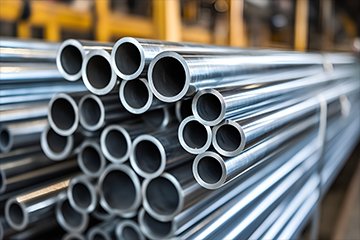
Titanium pipe fittings are roughly 45% lighter than their steel counterparts. This isn't just a fun fact. For offshore oil and gas platforms, reducing the "topside" weight of piping systems allows for more equipment or safer structural loads.
| Property | Titanium (Grade 2) | Stainless Steel (316L) |
|---|---|---|
| Density (g/cm³) | 4.51 | 8.00 |
| Tensile Strength (MPa) | 345 - 480 | 485 - 515 |
| Thermal Conductivity (W/m-K) | 16.4 | 16.3 |
| Max Temp (Continuous) | ~425°C | ~870°C |
While stainless steel has a higher maximum operating temperature before losing structural integrity, titanium excels in cryogenic applications and moderate-heat corrosive flows. Its lower thermal expansion rate also reduces stress on joints during thermal cycling.
Corrosion Resistance in Harsh Environments: Marine and Chemical Applications
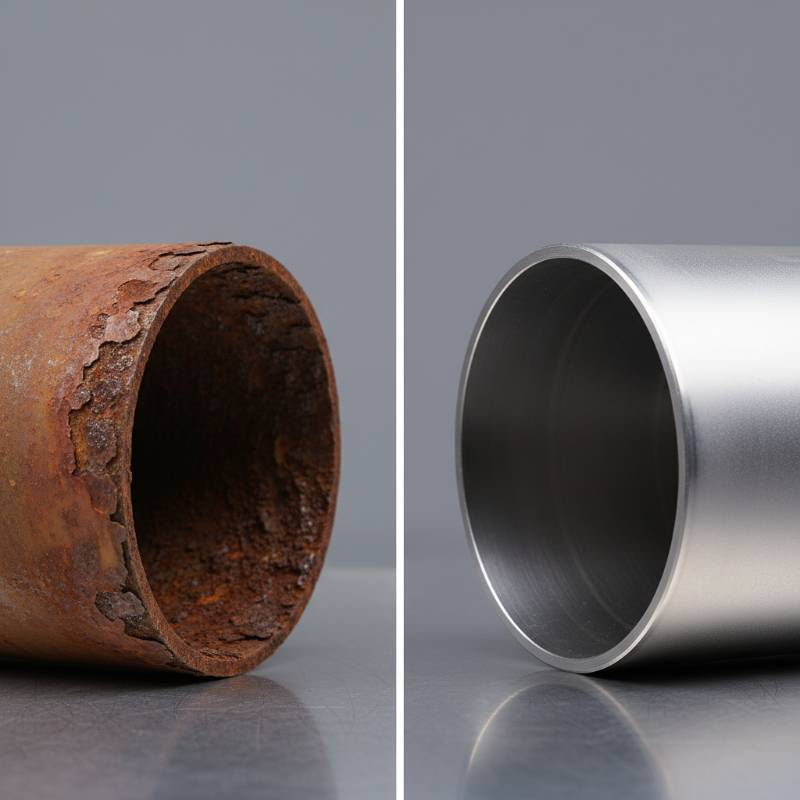
The "Titanium Advantage" is most visible when chlorides are present. Stainless steel suffers from Pitting and Chloride Stress Corrosion Cracking (CSCC). Once a pit starts in a 316L elbow, it’s a ticking time bomb. Titanium, however, forms a tenacious, self-healing oxide layer instantly upon exposure to oxygen.
In desalination infrastructure, titanium fittings are virtually immune to seawater corrosion. We’ve analyzed systems where titanium elbows showed zero wall-thinning after 20 years, whereas stainless components required three full replacement cycles in the same timeframe.
Economic Analysis: CAPEX vs. Total Cost of Ownership (TCO)
Let's talk money. Titanium is more expensive upfront. There is no getting around that. However, the initial capital expenditure (CAPEX) is a deceptive metric. To get the real picture, you must calculate the TCO.
Consider a chemical processing plant. Using titanium pipe fittings might cost 3x more initially. But if you factor in the cost of labor for replacements, the price of lost production during shutdowns, and the scrap value of titanium at end-of-life, titanium usually breaks even by year seven. In high-corrosion zones, the "Titanium ROI" is often reached in less than 36 months.
Industry-Specific Use Cases: From Offshore Rigs to Nuclear Cooling
Where does each material dominate? We see a clear divide in the global market:
Aerospace and Defense
Weight is everything. Titanium’s high strength-to-weight ratio makes it the only choice for hydraulic lines in modern aircraft. Every gram saved translates to fuel efficiency.
Offshore Oil and Gas
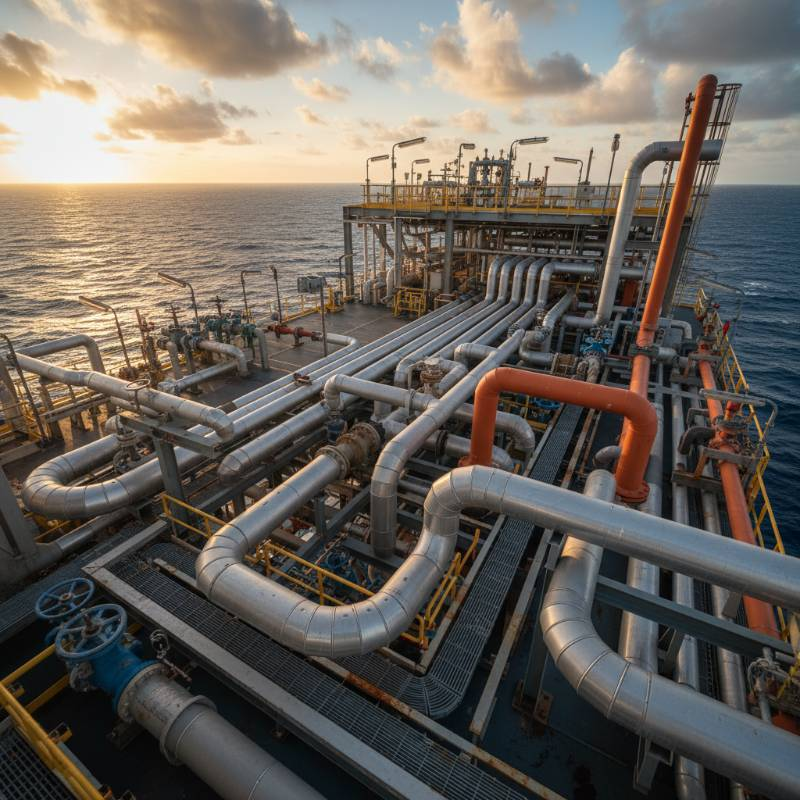
Subsea systems and "splash zones" on platforms are brutal. We recommend titanium for heat exchangers and firewater systems where reliability is non-negotiable. For more information on corrosion standards, refer to NACE International.
Compliance and Standards: Navigating ANSI/ASME Specifications
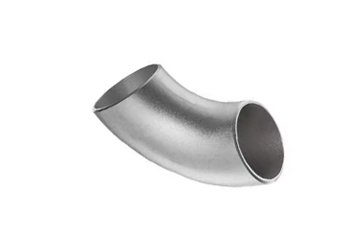
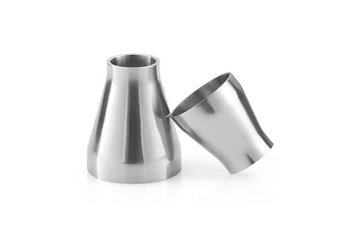
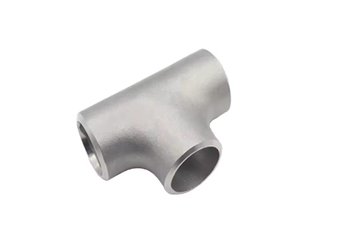
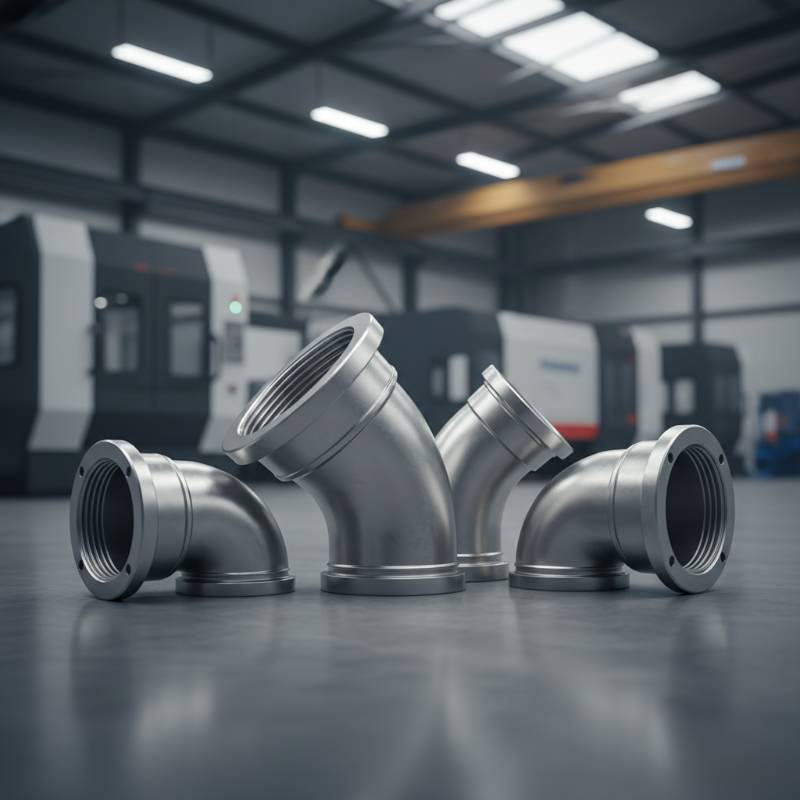
Whether you are ordering 90-degree elbows, equal tees, or concentric reducers, compliance is the baseline for safety. Most industrial piping follows ASME B16.9 for factory-made wrought butt-welding fittings. At China Titanium Factory, our production process ensures that every fitting meets these rigorous wall-thickness and pressure-rating tolerances.
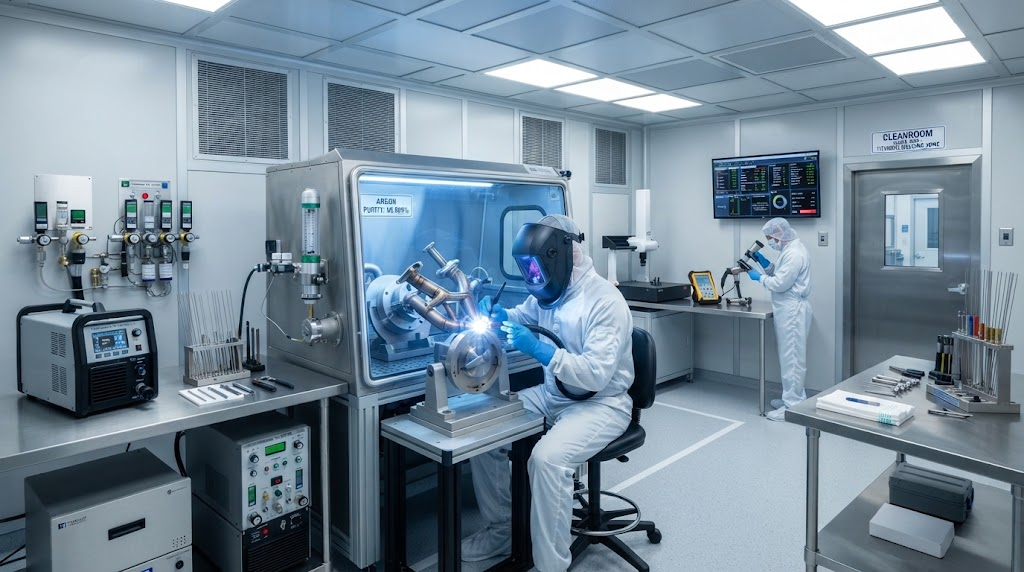
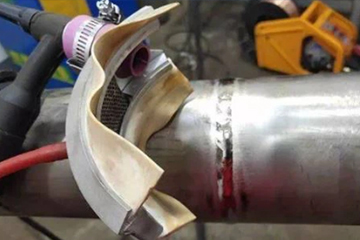
When transitioning from stainless to titanium, ensure your welding team is certified for inert gas shielding. Titanium is sensitive to "oxygen embrittlement" during the welding process—a mistake that can compromise an entire system's integrity.
Frequently Asked Questions About Titanium and Stainless Steel Fittings
Can you weld titanium pipe fittings directly to stainless steel?
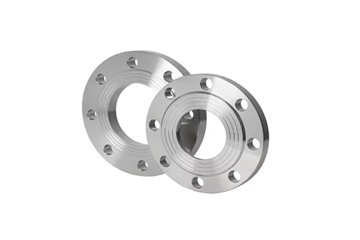
No. Direct welding creates brittle intermetallic compounds that will fail. You must use specialized transition joints or flanged connections to join these two dissimilar metals.
What is the typical lifespan of titanium fittings in seawater?
In most marine applications, titanium pipe fittings are considered "life-of-ship" or "life-of-plant" components, often lasting 40+ years with zero maintenance.
Is titanium always better than stainless steel?
Not necessarily. For low-pressure, ambient-temperature water systems or indoor food processing where corrosion isn't a factor, 304 or 316L stainless steel is much more cost-effective.
Ready to Optimize Your Piping System?
Don't let material failure stall your operations. Our engineering team can provide a full TCO analysis for your specific environment.
Get a Technical Quote Today