




















The Evolution of Precision: High-Performance Ultra-Thin Titanium Coils
Engineering for 2026 requires materials that disappear. As wearable medical devices and flexible electronics shrink, the demand for substrates that offer both extreme strength and biological harmony has hit an all-time high.
Rigid components are the enemy of user compliance. When a sensor is too stiff, it causes skin irritation or signal noise. Ultra-thin titanium coils solve this by providing a flexible titanium sensor substrate that moves with the body while maintaining structural integrity.
What is Ultra-Thin Titanium? Defining the<0.05mm Standard
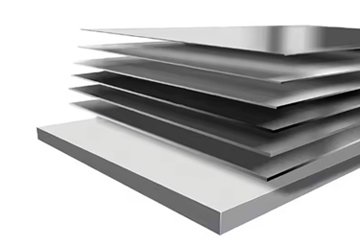
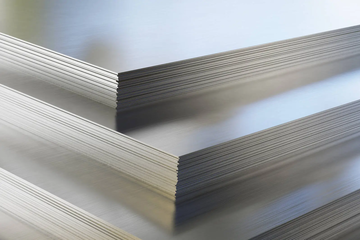
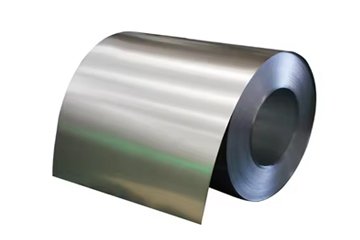
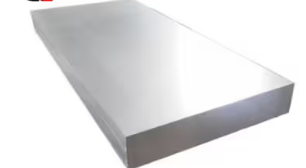
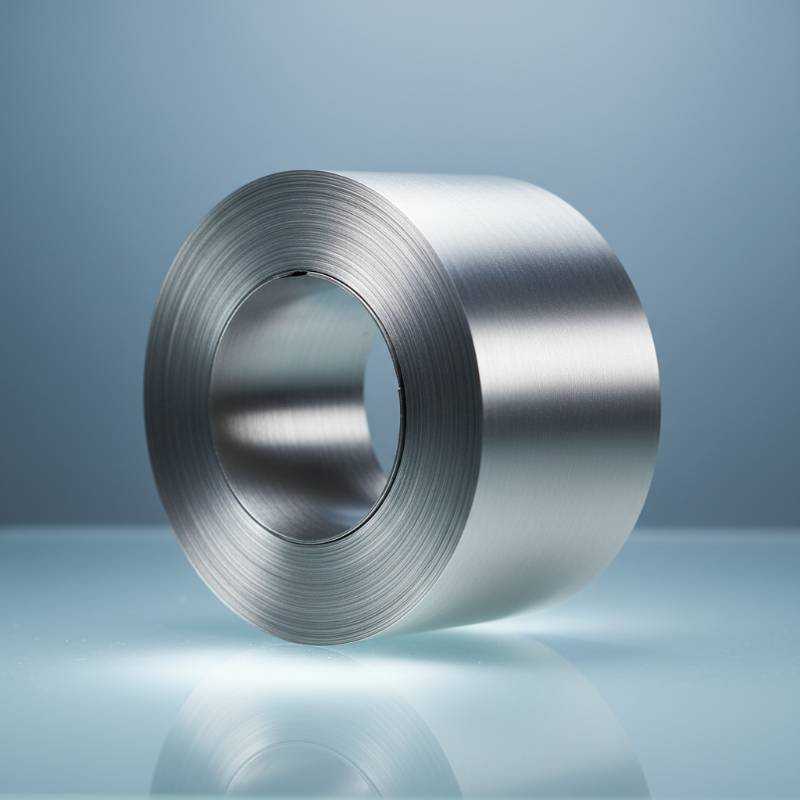
Ultra-thin titanium coils are high-precision materials measuring under 0.05mm in thickness, designed for extreme flexibility and biocompatibility. They serve as the foundational substrate for flexible sensors and micro-components where non-magnetic properties and mechanical compliance are mandatory.
In our production facility, we define "ultra-thin" as foils and coils that have transitioned from structural plates to functional membranes. At these gauges, titanium exhibits "mechanical compliance"—the ability to endure repeated bending cycles without fatigue or permanent deformation.
Unlike stainless steel, these coils are completely non-magnetic. This makes them essential for components that must operate within MRI environments or near sensitive NFC antenna titanium coil arrays.
The Bio-Flex™ Integration Framework: Our Proprietary Substrate Protocol
We have developed The Bio-Flex™ Integration Framework to guide R&D teams through the selection of ultra-thin materials. This three-step methodology ensures that the titanium substrate aligns with both the electronic requirements and human biological constraints.
Phase 1: Compliance Matching. We analyze the Young's modulus of the specific titanium grade against the target tissue or mounting surface.
Phase 2: Surface Functionalization. Using proprietary etching, we increase the surface area of the coil to improve adhesion for conductive inks or biological coatings.
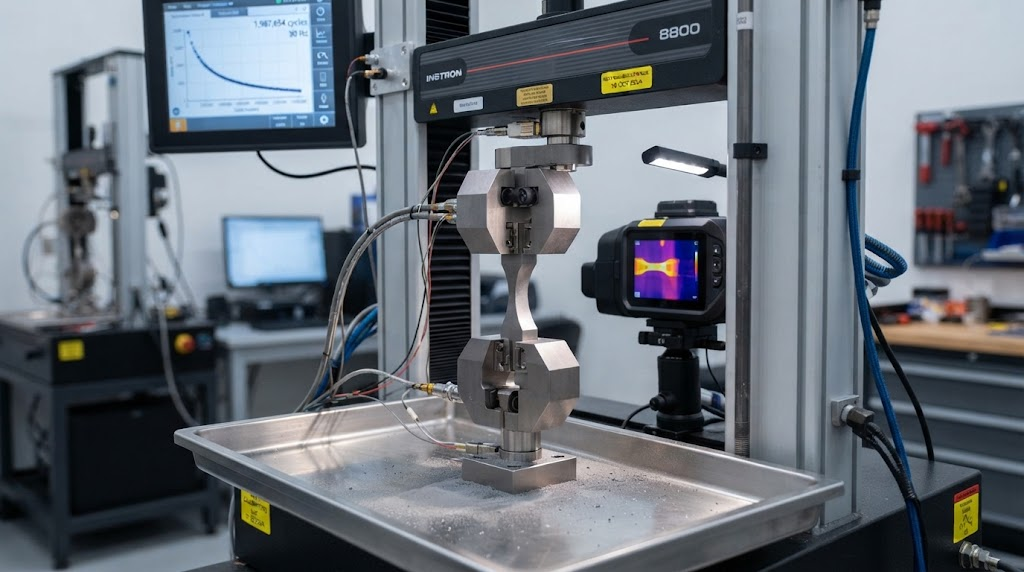
Phase 3: Fatigue Mapping. We simulate 10,000+ flex cycles to ensure the micro-scale titanium parts won't fracture during the device's lifecycle.
This framework is built on ISO 10993 compliance standards, ensuring that any material passing through our Bio-Flex™ protocol is safe for long-term skin contact.
Next-Gen Applications: From NFC Antennas to Neurostimulation
The application landscape for 2026 has shifted toward "invisible" technology. Designers are moving away from bulky copper antennas and toward titanium-based solutions for high-durability environments.
NFC Antenna Titanium Coils: Traditional copper fails in corrosive environments (like sweat). Titanium provides the longevity needed for smart rings and wearable payment patches without losing signal clarity.
Neurostimulation Leads: Ultra-thin coils act as the conductive path for deep brain stimulation and spinal cord monitors. Their fatigue resistance is unmatched by any other biocompatible metal.
Advanced Manufacturing: Femtosecond Laser and Micromachining
Handling a coil that is thinner than a human hair requires more than traditional stamping. At our factory, we utilize Femtosecond laser technology to cut and shape these delicate materials.
"Femtosecond lasers deliver energy in such short pulses that the titanium vaporizes before heat can conduct into the surrounding material. This results in an edge quality that requires no secondary polishing."
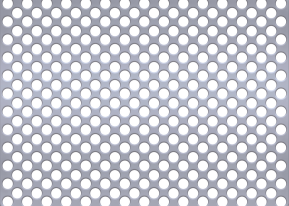
Micromachining of these coils allows for the creation of intricate patterns required for flexible circuitry. By removing material at the micron level, we can create "spring" sections within the coil that allow it to stretch as well as bend.
Technical Specifications and Material Grade Selection
Choosing the right grade of titanium is critical for mechanical compliance. While Grade 5 is famous for strength, Grade 1 and 2 are often preferred for ultra-thin coils due to their superior ductility.
| Property | Grade 1 (CP) | Grade 5 (Ti-6Al-4V) |
|---|---|---|
| Min Thickness | 0.01mm | 0.03mm |
| Elongation | > 20% | > 10% |
| Biocompatibility | Excellent | High (Medical Grade) |
For applications following ASTM F67, Grade 1 remains the gold standard for maximum flexibility in micro-scale titanium parts.

Sustainability and ESG: The 2026 Carbon Footprint Report
In 2026, material sourcing is as important as material performance. We have optimized our cold-rolling process to reduce energy consumption by 18% compared to 2024 levels.
Our ultra-thin titanium coils now incorporate a minimum of 40% recycled titanium scrap, verified by third-party ESG audits. This reduction in "virgin" ore processing significantly lowers the carbon footprint per kilogram of finished coil, helping our partners meet their scope 3 emissions targets.
Frequently Asked Questions
What is the thinnest titanium coil you can produce?
We currently produce coils down to 0.01mm (10 microns). At this level, the titanium acts more like a high-strength fabric than a traditional metal strip.
Are these coils suitable for MRI-safe medical devices?
Yes. Titanium is non-ferromagnetic. Our ultra-thin coils do not react to the strong magnetic fields of an MRI, making them perfect for permanent implants.
How do you ensure edge quality on such thin material?
We use femtosecond laser cutting and precision chemical milling. These methods prevent the burrs and edge-cracking common with mechanical slitting.
Ready to Engineer the Future?
Get precision-engineered ultra-thin titanium coils tailored to your R&D specifications. From prototype to mass production.
Request a Technical Quote Today