Protecting your water heaters from corrosion is crucial for extending their lifespan. The unsung hero in this battle is the anode rod, a vital component designed to sacrifice itself to save your tank. But when it comes to selecting between an aluminum anode and a magnesium anode, which one is the right choice for your home? This comprehensive guide will delve into the nuances of aluminum anode rods and magnesium anode rods, helping you make an informed decision.
Understanding the Sacrificial Anode: Why Your Water Heater Needs One
Every tank-style water heater is susceptible to corrosion. The metal tank, exposed to water, can slowly degrade over time due to electrochemical reactions. This is where the sacrificial anode comes into play. Made from a more electrochemically active metal than the steel of your water heater tank, the anode rod attracts corrosive elements in the water, sacrificing itself to protect the tank. Without a functioning anode rod, your water heater's lifespan would be significantly shorter lifespan.
Aluminum or Magnesium: The Core Differences
The primary decision homeowners face is whether to install an aluminum anode rod or a magnesium anode rod. Both serve the same purpose as a sacrificial anode, but their chemical properties and performance characteristics differ, making each suitable for specific water conditions.
Magnesium Anode Rods: The Aggressive Protector
Magnesium anode rods are generally considered more active than aluminum. This higher electrochemical potential means they will sacrifice themselves more readily, offering superior protection to your water heaters. They are particularly effective in areas with soft water. In soft water conditions, the water has fewer dissolved minerals, which can make it more corrosive. The aggressive nature of magnesium anode rods helps to counteract this corrosivity, ensuring the tank remains protected.
However, the high reactivity of magnesium anode rods can sometimes lead to a common complaint: a sulfur smell, often described as a rotten egg odor, emanating from the hot water. This occurs when sulfate-reducing bacteria, naturally present in some water supplies, react with the hydrogen gas produced by the magnesium anode rod. If you experience a rotten egg smell, especially in your hot water, a magnesium anode rod might be the culprit.
Aluminum Anode Rods: The Balanced Defender
Aluminum anode rods, often combined with a small amount of zinc (aluminum/zinc anode rods), are less electrochemically active than magnesium. This means they sacrifice themselves at a slower rate, potentially leading to a longer lifespan for the anode rod itself. They are often recommended for areas with hard water, where the higher mineral content in the water can reduce the corrosivity and thus the need for a highly active sacrificial anode.
One significant advantage of aluminum anode rods is their reduced likelihood of causing a sulfur smell or rotten egg odor. If you've had issues with a rotten egg smell from your hot water in the past, switching to an aluminum anode rod might be a viable solution. While they might offer slightly less aggressive protection than magnesium in certain scenarios, their balance of protection and odor prevention makes them a popular choice for many homeowners.
Matching Your Anode Rod to Your Water Conditions
The type of water in your home plays a pivotal role in determining whether an aluminum anode or magnesium anode is best for your water heaters. Understanding your water quality can save you from premature tank failure and unpleasant odors.
Soft Water and Magnesium Anodes
As mentioned, soft water tends to be more corrosive. For this reason, magnesium anode rods are generally the preferred choice in soft water areas. Their higher reactivity ensures that the sacrificial anode effectively protects the tank from the aggressive nature of soft water. However, be mindful of the potential for a sulfur smell, especially if your water source is known to have high sulfate levels.
Hard Water and Aluminum Anodes
In contrast, hard water contains more dissolved minerals, which can form a protective scale on the inside of the water heaters tank, reducing its susceptibility to corrosion. In these conditions, aluminum anode rods often provide sufficient protection without the risk of a rotten egg smell. The slightly slower sacrificial rate of aluminum anode rods can also mean a longer lifespan for the anode rod itself.
Addressing the Rotten Egg Smell in Hot Water
If you're experiencing a persistent rotten egg or sulfur smell from your hot water, it's a strong indicator that your anode rod might be reacting with bacteria in your water supply. While a magnesium anode rod is often the cause, switching to an aluminum anode rod is a common and effective solution to mitigate this issue. In some cases, a zinc-aluminum anode rod can also be used, as the zinc helps to further reduce the odor-causing reactions.
Anode Rod Lifespan and Maintenance
Regardless of whether you choose an aluminum anode or magnesium anode, regular inspection and replacement of your anode rod are critical for the longevity of your water heaters. The anode rod is designed to corrode, and over time, it will be consumed. A depleted anode rod leaves your tank vulnerable to corrosion, leading to a significantly shorter lifespan for your entire unit.
The lifespan of an anode rod varies depending on water quality, hot water usage, and the type of anode rod installed. Generally, anode rods should be inspected every 3-5 years, or more frequently if you have particularly aggressive water. If you notice a sulfur smell or a reduction in hot water quality, it might be time to check your anode rod.
Water Heaters and the Critical Role of Anode Rods
Modern water heaters are sophisticated appliances designed to provide reliable hot water for decades. However, the constant exposure to water creates an environment where corrosion is inevitable. The steel tank that holds your hot water is particularly vulnerable to this electrochemical process. Without proper protection, the tank walls can develop pinhole leaks, leading to catastrophic failure and the need for premature replacement.
This is where the ingenious concept of the sacrificial anode comes into play. Installed inside your water heaters, this rod is made from a metal that is more electrochemically active than the steel tank. When corrosive elements in the water seek out metal to attack, they preferentially target the anode rod rather than the tank walls. This process, known as galvanic protection, effectively extends the life of your water heaters by years or even decades.
The choice between aluminum anode rods and magnesium anode rods becomes crucial because different water conditions require different levels of protection. Understanding how your specific water chemistry interacts with these metals can mean the difference between a water heater that lasts 8-12 years and one that fails prematurely, resulting in a shorter lifespan and unexpected replacement costs.
The Science Behind Galvanic Protection
The principle behind sacrificial anode protection is rooted in electrochemistry. When two different metals are placed in an electrolyte (in this case, water), they form a galvanic cell. The more active metal (the anode) will corrode preferentially, protecting the less active metal (the cathode, which is your tank). This process continues until the anode rod is consumed, at which point the tank itself becomes vulnerable to corrosion.
The effectiveness of this protection depends on several factors, including the electrochemical potential difference between the anode rod and the tank, the conductivity of the water, and the surface area of the anode. Magnesium anode rods have a higher electrochemical potential than aluminum anode rods, making them more aggressive protectors but also causing them to be consumed more quickly in certain water conditions.
Soft Water Challenges and Solutions
Soft water presents unique challenges for water heaters and their protective systems. Water is considered "soft" when it contains low levels of dissolved minerals, particularly calcium and magnesium. While soft water is often preferred for household use because it doesn't leave mineral deposits on fixtures and makes soap more effective, it can be more corrosive to metal surfaces.
The lack of dissolved minerals in soft water means there's less natural buffering against corrosion. Additionally, soft water tends to have a lower pH, making it more acidic and therefore more aggressive toward metal surfaces. This increased corrosivity means that water heaters in soft water areas require more robust protection from their anode rod.
Magnesium anode rods are typically the preferred choice for soft water conditions because of their higher driving voltage. This higher electrochemical potential ensures that the sacrificial anode can effectively protect the tank even in the more aggressive soft water environment. However, this increased activity can sometimes lead to unwanted side effects, particularly the production of hydrogen gas that can contribute to a sulfur smell in your hot water.
Managing Soft Water Corrosion
Homeowners with soft water should be particularly vigilant about anode rod maintenance. The more aggressive nature of soft water means that magnesium anode rods may be consumed more quickly than in hard water areas. Regular inspection every 2-3 years is recommended, rather than the standard 3-5 year interval suggested for average water conditions.
If you have soft water and are experiencing a persistent rotten egg smell from your hot water, you may need to consider alternative solutions. While magnesium anode rods provide superior protection, the odor issue might necessitate switching to an aluminum anode rod or implementing additional water treatment measures.
Hot Water Quality and Anode Rod Performance
The quality of your hot water is directly influenced by the type and condition of your anode rod. When functioning properly, the sacrificial anode works silently in the background, ensuring that your hot water remains clean, odor-free, and safe for household use. However, when problems arise, they often manifest first in the quality of your hot water.
One of the most common complaints related to anode rod performance is the development of a sulfur smell or rotten egg odor in the hot water. This distinctive smell is typically caused by the interaction between hydrogen gas produced by the anode rod and sulfate-reducing bacteria that may be present in the water supply or water heaters tank.
The temperature of hot water also plays a role in anode rod performance. Higher water temperatures accelerate chemical reactions, including the corrosion process that the sacrificial anode is designed to control. This means that water heaters set to higher temperatures may consume their anode rod more quickly, potentially leading to a shorter lifespan for the protective element.
Temperature Considerations
Most residential water heaters are set to operate between 120°F and 140°F (49°C to 60°C). At these temperatures, both aluminum anode rods and magnesium anode rods function effectively. However, if your hot water temperature is set higher for specific applications, you may need to inspect and replace your anode rod more frequently.
Interestingly, very high temperatures can sometimes help eliminate the bacteria responsible for sulfur smell production. Some homeowners temporarily raise their hot water temperature to 160°F (71°C) for a few hours to kill sulfate-reducing bacteria, though this should be done with caution and proper safety measures.
Understanding and Eliminating Sulfur Smell
The dreaded sulfur smell emanating from hot water is one of the most frustrating issues homeowners face with their water heaters. This distinctive rotten egg odor is not only unpleasant but can also make your hot water virtually unusable for drinking, cooking, or bathing. Understanding the root cause of this sulfur smell is crucial for implementing an effective solution.
The sulfur smell typically results from a complex interaction between your anode rod, water chemistry, and naturally occurring bacteria. When magnesium anode rods react with water, they produce hydrogen gas as a byproduct of the galvanic protection process. This hydrogen gas can serve as food for sulfate-reducing bacteria (SRB) that may be present in your water supply or have colonized your water heaters tank.
These bacteria consume the hydrogen gas and sulfates in the water, producing hydrogen sulfide gas as a waste product. Hydrogen sulfide is the compound responsible for the characteristic rotten egg smell. The problem is often more pronounced with magnesium anode rods because they produce more hydrogen gas than aluminum anode rods due to their higher electrochemical activity.
Factors Contributing to Sulfur Smell
Several factors can contribute to the development of a sulfur smell in your hot water system. Water temperature plays a significant role, as sulfate-reducing bacteria thrive in warm environments but are less active at very high temperatures. Water heaters set to lower temperatures (below 120°F) may be more prone to bacterial growth and subsequent odor development.
The source of your water also matters. Well water is more likely to contain sulfate-reducing bacteria and higher levels of sulfates compared to municipal water supplies. Additionally, water heaters that are used infrequently may develop stagnant conditions that promote bacterial growth, leading to a more pronounced rotten egg smell when the hot water is finally used.
Solutions for Sulfur Smell
If you're dealing with a persistent sulfur smell, several solutions can help eliminate the problem. The most straightforward approach is often switching from a magnesium anode rod to an aluminum anode rod. Aluminum anode rods produce less hydrogen gas, reducing the food source for sulfate-reducing bacteria and often eliminating the rotten egg odor.
Another option is to install an aluminum-zinc anode rod. The zinc component has antimicrobial properties that can help suppress bacterial growth while still providing galvanic protection for your water heaters. This type of anode rod offers a middle ground between the aggressive protection of magnesium and the odor-reducing properties of aluminum.
Dealing with Rotten Egg Odor in Hot Water
The unmistakable rotten egg smell in hot water is more than just an inconvenience—it's a clear indicator that something is amiss with your water heaters system. This odor, scientifically known as hydrogen sulfide, can make your hot water unpalatable and create an unpleasant environment throughout your home. Understanding why this rotten egg smell develops and how to eliminate it is essential for maintaining a comfortable living environment.
The rotten egg odor is most commonly associated with magnesium anode rods, though it can occasionally occur with other types of anode rod as well. The smell is typically more noticeable in hot water than cold water because heat releases more hydrogen sulfide gas into the air, making it more detectable to your nose. This is why many homeowners first notice the problem when taking a hot shower or running hot water at the kitchen sink.
The intensity of the rotten egg smell can vary depending on several factors, including the concentration of sulfate-reducing bacteria, the amount of sulfates in your water, the temperature of your hot water, and how long the water has been sitting in the tank. Water heaters that are used infrequently may develop stronger odors because the stagnant conditions allow bacteria to multiply and produce more hydrogen sulfide.
Health and Safety Considerations
While the rotten egg smell is primarily a nuisance, it's important to understand the health and safety implications. Low levels of hydrogen sulfide, such as those typically found in residential hot water systems, are generally not harmful to health. However, the odor can be so unpleasant that it makes the water unusable for drinking, cooking, or bathing.
In rare cases, very high concentrations of hydrogen sulfide can pose health risks, but this is extremely uncommon in residential water heaters. If you notice a very strong rotten egg smell that doesn't improve with standard remediation measures, it may be worth having your water tested by a professional to rule out other sources of contamination.
Immediate and Long-term Solutions
For immediate relief from rotten egg odor, you can try flushing your water heaters by draining several gallons of hot water from the tank. This can help remove stagnant water and reduce the concentration of hydrogen sulfide. However, this is typically only a temporary solution, and the odor will likely return unless the underlying cause is addressed.
The most effective long-term solution for eliminating rotten egg smell is usually replacing your magnesium anode rod with an aluminum anode rod. This change reduces the production of hydrogen gas that feeds the sulfate-reducing bacteria, often eliminating the odor problem entirely. While you may sacrifice some level of tank protection compared to magnesium, the improvement in water quality is usually worth the trade-off.
Preventing Shorter Lifespan Through Proper Anode Rod Selection
One of the most costly consequences of improper anode rod selection or maintenance is a significantly shorter lifespan for your water heaters. A typical residential water heater is designed to last 8-12 years with proper maintenance, but without adequate protection from a functioning sacrificial anode, this lifespan can be cut in half or even more dramatically reduced.
The relationship between anode rod performance and water heater longevity is direct and significant. When the anode rod is consumed and no longer provides galvanic protection, the steel tank becomes the primary target for corrosive elements in the water. This leads to the development of rust, scale buildup, and eventually, pinhole leaks that necessitate complete unit replacement.
The choice between aluminum anode rods and magnesium anode rods can significantly impact the lifespan of both the anode rod itself and the water heater tank. In some water conditions, using the wrong type of anode rod can result in inadequate protection, leading to premature tank failure and a shorter lifespan than expected.
Economic Impact of Premature Failure
The economic impact of a shorter lifespan for your water heaters extends beyond just the cost of replacement. When a water heater fails prematurely, it often does so catastrophically, potentially causing water damage to your home. The cost of emergency replacement, potential water damage repairs, and the inconvenience of being without hot water can far exceed the minimal cost of proper anode rod maintenance.
Regular inspection and timely replacement of your anode rod is one of the most cost-effective maintenance tasks you can perform. The cost of a replacement anode rod, whether aluminum or magnesium, is typically less than $50, while a new water heater can cost $1,000 or more, not including installation.
Signs of Inadequate Protection
Several warning signs can indicate that your anode rod is no longer providing adequate protection, potentially leading to a shorter lifespan for your water heaters. These include rusty or discolored hot water, unusual noises from the tank (such as popping or rumbling), reduced hot water capacity, and visible signs of corrosion on the tank exterior.
If you notice any of these symptoms, it's crucial to inspect your anode rod immediately. A severely corroded or completely consumed anode rod should be replaced promptly to prevent further damage to the tank. In some cases, if the tank has already begun to corrode significantly, replacement of the entire water heater may be necessary to avoid a catastrophic failure.
Professional Installation and Maintenance Guidelines
Proper installation and maintenance of your anode rod are crucial for maximizing the protection of your water heaters and ensuring optimal performance. Whether you choose aluminum anode rods or magnesium anode rods, following best practices for installation and maintenance will help you avoid common problems and extend the life of your system.
The installation process for an anode rod requires careful attention to detail. The rod must be properly threaded into the tank's designated port, typically located on the top of the unit. Over-tightening can damage the threads or the tank, while under-tightening can lead to leaks. Most manufacturers recommend using a specific torque specification to ensure proper installation without damage.
When replacing an existing anode rod, it's important to inspect the old rod carefully. The condition of the removed rod can provide valuable insights into your water chemistry and help you make an informed decision about whether to stick with the same type of anode rod or switch to a different material. If the old rod shows signs of rapid consumption, you may need to consider more frequent replacement intervals or a different type of sacrificial anode.
Inspection Schedule and Procedures
Regular inspection of your anode rod is essential for preventing a shorter lifespan for your water heaters. The recommended inspection interval varies depending on your water conditions, but a general guideline is every 3-5 years for average conditions, every 2-3 years for soft water or aggressive water conditions, and annually for very aggressive water or high-usage situations.
During inspection, look for signs of significant corrosion, reduction in rod diameter, or complete consumption of the anode rod. A good rule of thumb is to replace the rod when it has been reduced to less than 1/2 inch in diameter or when the core wire is exposed for more than 6 inches. If you're experiencing issues like sulfur smell or rotten egg odor, inspection should be performed immediately, regardless of the scheduled interval.
Professional vs. DIY Installation
While some homeowners are comfortable performing anode rod replacement themselves, others prefer to hire a professional plumber. The decision often depends on factors such as accessibility of the anode rod, the homeowner's comfort level with plumbing tasks, and the specific requirements of the water heater model.
Professional installation ensures that the job is done correctly and can help identify other potential issues with your water heaters. A qualified technician can also provide valuable advice about whether aluminum anode rods or magnesium anode rods are best suited for your specific water conditions and usage patterns.
Cost Analysis: Aluminum vs Magnesium Anode Rods
When considering the choice between aluminum anode rods and magnesium anode rods, cost is often a significant factor for homeowners. However, the true cost comparison goes beyond just the initial purchase price and must include factors such as longevity, replacement frequency, and the potential costs associated with water heater failure due to inadequate protection.
In terms of initial cost, aluminum anode rods and magnesium anode rods are generally comparable, with prices typically ranging from $20 to $60 depending on the size, brand, and specific alloy composition. Aluminum anode rods may sometimes be slightly less expensive, but the difference is usually minimal and shouldn't be the primary deciding factor.
The more significant cost consideration is the replacement frequency. In aggressive water conditions, particularly soft water, magnesium anode rods may be consumed more quickly than aluminum anode rods. This could result in more frequent replacements and higher long-term costs. However, this must be balanced against the superior protection that magnesium provides, which could prevent costly tank failure and extend the overall life of your water heaters.
Long-term Economic Benefits
The most significant economic benefit of proper anode rod selection and maintenance is the prevention of premature water heater failure. A water heater that fails due to inadequate protection from a depleted or inappropriate anode rod can result in costs far exceeding the price of regular anode rod replacement.
Consider that a typical residential water heater replacement costs between $1,000 and $3,000, including installation. If proper anode rod maintenance can extend the life of your water heater by even just a few years, the return on investment is substantial. Additionally, avoiding the inconvenience and potential water damage associated with unexpected water heater failure provides additional value that's difficult to quantify but certainly significant.
Hidden Costs of Poor Water Quality
Another cost consideration is the impact of poor water quality on your daily life and other household systems. If you're dealing with a persistent sulfur smell or rotten egg odor due to an inappropriate anode rod choice, you may find yourself purchasing bottled water for drinking and cooking, using alternative methods for bathing, or even temporarily relocating while the problem is resolved.
The rotten egg smell can also affect the resale value of your home if potential buyers encounter the odor during showings. Addressing water quality issues promptly by selecting the appropriate anode rod type can help maintain your home's value and marketability.
Aluminum vs Magnesium Anode Rod Comparison
To help you make an informed decision between aluminum anode rods and magnesium anode rods, we've compiled a comprehensive comparison table that highlights the key differences between these two types of sacrificial anode protection systems.
Characteristic
Magnesium Anode Rods
Aluminum Anode Rods
Best Water Type
Soft water conditions
Hard water conditions
Protection Level
Superior galvanic protection
Good protection, less aggressive
Sulfur Smell Risk
Higher risk of rotten egg odor
Lower risk of sulfur smell
Lifespan
Faster consumption in aggressive water
Longer lasting in most conditions
Cost
Comparable initial cost
Comparable initial cost
Maintenance Frequency
Every 2-4 years depending on water
Every 3-6 years in most conditions
Hot Water Quality
May affect taste/odor in some conditions
Generally neutral impact on hot water
This comparison clearly shows that the choice between aluminum or magnesium anode rod depends heavily on your specific water conditions and priorities. If you have soft water and prioritize maximum tank protection, magnesium anode rods are typically the better choice. However, if you've experienced sulfur smell issues or have hard water, aluminum anode rods may be more suitable for your water heaters.
Troubleshooting Common Anode Rod Problems
Even with proper selection and installation, anode rod systems can sometimes develop problems that affect the performance of your water heaters and the quality of your hot water. Understanding how to identify and address these issues can help you maintain optimal protection and avoid a shorter lifespan for your system.
Persistent Sulfur Smell Despite Aluminum Anode
While switching from magnesium anode rods to aluminum anode rods typically resolves sulfur smell issues, some homeowners may continue to experience a rotten egg odor even after the change. This can occur if sulfate-reducing bacteria have become well-established in the water heaters tank or if there are other sources of hydrogen sulfide in the water supply.
In such cases, additional measures may be necessary. These can include temporarily raising the hot water temperature to 160°F for several hours to kill bacteria, flushing the tank completely, or installing a zinc-aluminum anode rod that provides antimicrobial properties. In severe cases, professional disinfection of the water heaters tank may be required.
Rapid Anode Rod Consumption
If you find that your anode rod is being consumed much faster than expected, it may indicate particularly aggressive water conditions that require a different approach. This is more common with magnesium anode rods in very soft water or water with high chloride content.
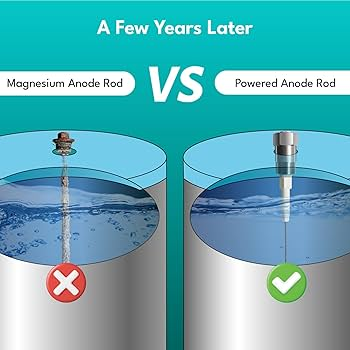
Solutions for rapid consumption include switching to a different type of anode rod, installing multiple anode rods if your water heater has multiple ports, or considering water treatment options to reduce the aggressiveness of your water supply. In some cases, powered anode rods that use electrical current rather than galvanic action may be a better long-term solution.
No Improvement in Water Quality
If you've replaced your anode rod but continue to experience poor hot water quality, the problem may not be related to the anode rod at all. Other potential causes include sediment buildup in the tank, problems with the water supply, or issues with other components of the water heaters system.
A professional inspection can help identify the root cause of persistent water quality issues and determine whether additional maintenance or repairs are needed beyond anode rod replacement.
Environmental Impact and Sustainability
When choosing between aluminum anode rods and magnesium anode rods, it's worth considering the environmental impact of your decision. Both materials have different environmental footprints in terms of production, use, and disposal, which may influence your choice if sustainability is a priority for your household.
From a production standpoint, both aluminum and magnesium require significant energy to extract and refine. However, aluminum has the advantage of being highly recyclable, with recycled aluminum requiring only about 5% of the energy needed to produce new aluminum from ore. Magnesium is also recyclable, though the recycling infrastructure is less developed than for aluminum.
The longevity of your anode rod choice also has environmental implications. If aluminum anode rods last longer in your specific water conditions, they may be the more environmentally friendly choice due to reduced replacement frequency. Conversely, if magnesium anode rods provide better protection and extend the life of your water heaters, preventing premature replacement, they may be the more sustainable option overall.
Disposal and Recycling
When it comes time to dispose of a spent anode rod, both aluminum and magnesium can be recycled through appropriate metal recycling programs. However, the corroded state of a used anode rod may limit recycling options, and many homeowners simply dispose of them with regular household waste.
To minimize environmental impact, consider taking spent anode rods to a metal recycling facility that accepts mixed metals. Some plumbing contractors also have recycling programs for old anode rods and other plumbing components.
Frequently Asked Questions About Aluminum vs Magnesium Anode Rods
Q: How do I know if I should choose aluminum or magnesium anode rods?
A: The choice between aluminum or magnesium anode rod primarily depends on your water type and any existing issues with your hot water. If you have soft water, magnesium anode rods typically provide better protection. If you have hard water or are experiencing a sulfur smell or rotten egg odor, aluminum anode rods are usually the better choice.
Q: Can I switch from magnesium to aluminum anode rods?
A: Yes, you can switch from magnesium anode rods to aluminum anode rods at any time. This is actually a common solution for homeowners experiencing sulfur smell issues. The switch is straightforward and doesn't require any modifications to your water heaters.
Q: Will switching anode rod types affect my water heater warranty?
A: Generally, switching between different types of anode rod will not affect your water heater warranty, as long as you use a properly sized anode rod designed for your specific model. However, it's always wise to check your warranty documentation or contact the manufacturer if you have concerns.
Q: How often should I replace my anode rod?
A: The replacement frequency depends on your water conditions and the type of anode rod. Generally, inspect your anode rod every 3-5 years, or every 2-3 years if you have soft water. Replace the rod when it's reduced to less than 1/2 inch in diameter or when the core wire is exposed for more than 6 inches.
Q: What happens if I don't replace my anode rod?
A: If you don't replace a depleted anode rod, your water heaters tank will lose its galvanic protection and become vulnerable to corrosion. This can lead to rust, leaks, and ultimately a shorter lifespan for your entire water heater, potentially requiring premature replacement.
Q: Can I install multiple anode rods in my water heater?
A: If your water heater has multiple anode rod ports, you can install multiple rods for enhanced protection. This is sometimes recommended for very aggressive water conditions or larger tanks. However, most residential water heaters have only one anode rod port.
Q: Is it normal for my hot water to smell like rotten eggs?
A: While a rotten egg smell is not uncommon, it's not normal and indicates an issue that should be addressed. This sulfur smell is typically caused by the interaction between your anode rod and bacteria in the water. Switching to an aluminum anode rod often resolves this issue.
Q: Do aluminum anode rods provide less protection than magnesium?
A: Aluminum anode rods are less electrochemically active than magnesium anode rods, which means they provide protection at a different rate. In many water conditions, aluminum provides adequate protection while offering benefits like reduced odor potential and longer lifespan. The "best" protection depends on your specific water chemistry and conditions.
Expert Recommendations and Best Practices
Based on extensive research and field experience, plumbing professionals and water heater manufacturers have developed specific recommendations for anode rod selection and maintenance. These expert insights can help you make the best decision for your specific situation and avoid common pitfalls that can lead to a shorter lifespan for your water heaters.
Most experts agree that water testing is the most reliable way to determine which type of anode rod will perform best in your specific conditions. A comprehensive water analysis can reveal the pH, mineral content, chloride levels, and other factors that influence anode rod performance. This information allows for a more scientific approach to the aluminum or magnesium decision rather than relying on general guidelines alone.
For homeowners who are unsure about their water conditions, many experts recommend starting with magnesium anode rods if no odor issues are present, as they provide the most aggressive protection. If sulfur smell or rotten egg odor develops, switching to aluminum anode rods is typically the next step.
Professional Installation vs. DIY
While anode rod replacement is within the capabilities of many homeowners, professionals often recommend having the work done by a qualified plumber, especially for the first replacement. A professional can assess the overall condition of your water heaters, check for other potential issues, and ensure proper installation of the new anode rod.
Professional installation also provides an opportunity to discuss your specific water conditions and usage patterns with an expert who can provide personalized recommendations for anode rod type and replacement intervals.
Preventive Maintenance Programs
Many plumbing professionals recommend establishing a preventive maintenance program for your water heaters that includes regular anode rod inspection and replacement. This proactive approach can help identify potential issues before they become serious problems and ensure that your sacrificial anode is always providing optimal protection.
A typical preventive maintenance program might include annual visual inspection of the water heater, testing of the hot water quality, and scheduled anode rod replacement based on your specific water conditions and usage patterns.