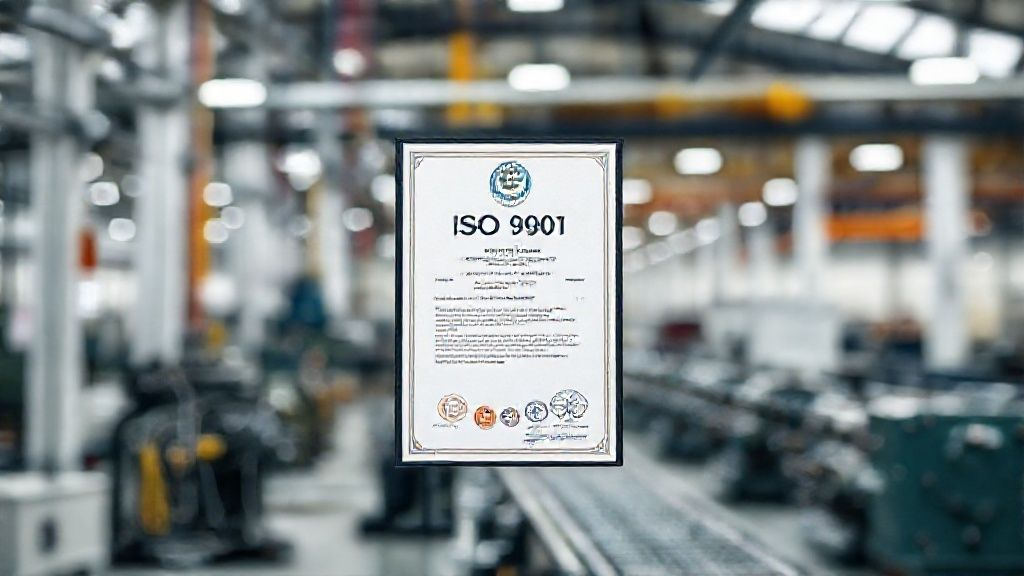
ISO 9001 Certification: Essential for ensuring consistent quality, operational efficiency, and adherence to international benchmarks in titanium anode manufacturing.
Strategic Sourcing from China: Offers advantages including competitive pricing, substantial manufacturing capacity, and advanced technological integration, but requires diligent vetting.
Vetting Process: Manufacturers must be evaluated on ISO 9001 compliance, production capabilities, quality control, R&D investment, and international export experience.
Technical Precision: Customization of substrate materials, active coating compositions, and design is critical for optimizing anode performance in specific industrial applications.
Global Procurement: A streamlined process from RFQ to logistics and post-delivery support is vital for efficient international sourcing.
The Fundamental Role and Diverse Applications of Titanium Anodes
ISO 9001 Certification: A Cornerstone of Quality in Anode Manufacturing
Strategic Advantages of Engaging Chinese Titanium Anode Manufacturers
Methodology for Identifying and Vetting Reputable Manufacturers
Technical Specifications, Customization, and Performance Metrics
Establishing Strategic Partnerships for Long-Term Anode Supply
The global industrial landscape demands high-performance, reliable components for critical processes. Titanium anodes, essential for numerous electrochemical applications, represent a significant investment. Sourcing these specialized components requires meticulous attention to quality, performance, and supplier credibility.
This guide provides a comprehensive framework for businesses and engineers seeking to identify and engage reputable ISO 9001 certified titanium anode manufacturers in China. It addresses the complexities of international procurement, emphasizing quality assurance, technical specifications, and strategic partnership development.

Titanium anodes are critical components in a wide array of industrial processes, distinguished by their exceptional corrosion resistance, high electrical conductivity, and catalytic activity. Their core function involves facilitating electrochemical reactions efficiently and reliably.
These anodes typically consist of a titanium substrate coated with various active materials. The choice of coating dictates the anode's specific electrochemical properties and suitability for different applications.
Definition: Titanium Anode
A titanium anode is an electrode made from a titanium substrate, typically coated with noble metal oxides (e.g., Mixed Metal Oxide - MMO) or platinum. It serves as the positive terminal in an electrolytic cell, facilitating various electrochemical reactions due to its high corrosion resistance and catalytic properties.
The versatility of titanium anodes stems from their material composition and diverse coating options. Different types are engineered for optimal performance in specific environments.
Mixed Metal Oxide (MMO) Anodes: These anodes feature coatings of ruthenium oxide, iridium oxide, or a mixture, offering excellent catalytic activity and stability. They are widely used in chlor-alkali production, electroplating, and wastewater treatment.
Platinized Titanium Anodes: Coated with a thin layer of platinum, these anodes provide high corrosion resistance and superior catalytic properties, making them ideal for electrodialysis, cathodic protection, and precious metal recovery.
Lead Dioxide (PbO2) Coated Anodes: Offering high oxygen evolution overpotential, these are suitable for applications requiring strong oxidizing conditions, such as organic electrochemical synthesis.
Key industrial sectors heavily rely on these anodes for their operational efficiency and longevity. These include chemical manufacturing, environmental protection, and infrastructure maintenance.
The optimal selection of a titanium anode type is contingent upon the specific electrochemical reaction, electrolyte composition, current density, and desired anode lifespan. Consultation with material science experts is recommended to ensure performance and cost-efficiency.
In the high-stakes environment of industrial manufacturing, quality assurance is not merely beneficial; it is imperative. ISO 9001 certification serves as a globally recognized benchmark for quality management systems.
For titanium anode manufacturers, adherence to ISO 9001 standards signifies a commitment to consistent product quality, operational efficiency, and continuous improvement. This is particularly crucial when sourcing components that directly impact process integrity and safety.
Definition: ISO 9001
ISO 9001 is an internationally recognized standard for quality management systems (QMS). It provides a framework for organizations to ensure they consistently meet customer and regulatory requirements and enhance customer satisfaction through effective application of the system, including processes for improvement. (Source: ISO.org)
Partnering with ISO 9001 certified manufacturers offers significant advantages for global procurement teams. These benefits extend beyond simple product quality to encompass broader supply chain reliability.
Consistent Product Quality: Rigorous process controls ensure each anode meets specified technical parameters and performance expectations.
Reduced Risk: Minimizes the likelihood of defects, operational failures, and costly rework, safeguarding project timelines and budgets.
Enhanced Efficiency: Standardized procedures lead to optimized manufacturing processes, reducing waste and improving delivery reliability.
Global Recognition: Facilitates international trade by demonstrating adherence to universally accepted quality standards, simplifying supplier vetting.
Organizations like China Titanium Factory prioritize such certifications, underscoring their commitment to delivering superior products for demanding industrial applications.
China has emerged as a dominant force in global manufacturing, particularly for specialized industrial components like titanium anodes. Its robust manufacturing ecosystem offers compelling advantages for international buyers.
These benefits extend beyond mere cost savings, encompassing technological prowess, production scale, and comprehensive supply chain support.
The decision to source from Chinese manufacturers is often driven by a combination of economic and operational factors that collectively optimize procurement strategies.
| Advantage Category | Description |
|---|---|
| Cost-Efficiency | Competitive pricing structures due to economies of scale, efficient production processes, and lower labor costs, without compromising quality for certified manufacturers. |
| Manufacturing Capacity | Access to extensive production facilities capable of handling large-volume orders and complex custom specifications, ensuring scalability for diverse project needs. |
| Technological Advancements | Significant investment in R&D and advanced manufacturing technologies, leading to innovative coating formulations and improved anode designs. |
| Robust Supply Chain | Well-developed logistics infrastructure and a dense network of raw material suppliers, ensuring efficient delivery and reduced lead times. |
However, realizing these advantages requires careful due diligence and a structured approach to supplier selection. The emphasis remains on identifying manufacturers that uphold international quality standards, such as those verified by ISO 9001.
The process of selecting a titanium anode manufacturer in China necessitates a systematic and rigorous vetting methodology. This ensures that potential suppliers not only meet technical specifications but also adhere to ethical and quality standards.
A comprehensive evaluation minimizes procurement risks and establishes a foundation for long-term successful partnerships. This due diligence is paramount for maintaining supply chain integrity.
Prospective buyers should assess manufacturers across several critical dimensions, moving beyond initial price quotes to evaluate holistic capabilities.
ISO 9001 Compliance: Verification of valid and current ISO 9001 certification from an accredited body. This is a foundational requirement.
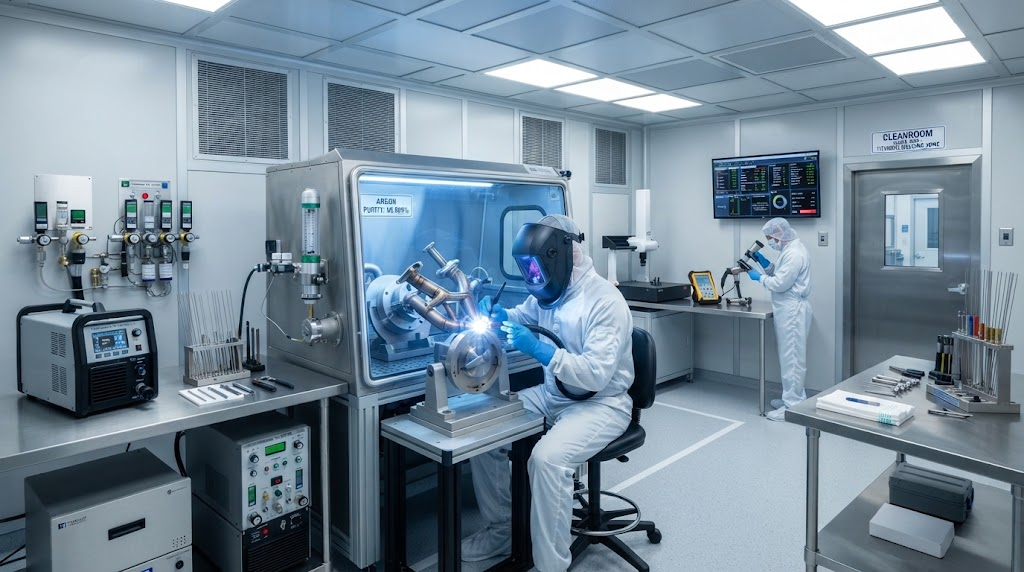
Production Capabilities: Assessment of manufacturing scale, technological infrastructure, and capacity to handle specific order volumes and customization requirements.
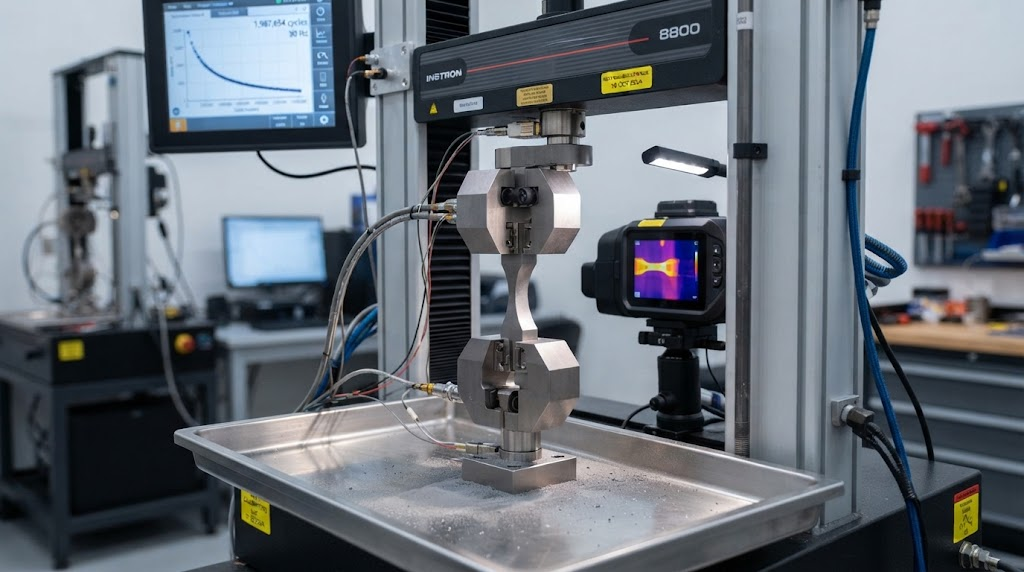
Quality Control Protocols: Examination of in-house testing procedures, equipment calibration, and adherence to industry standards (e.g., ASTM, NACE for cathodic protection).
Research and Development (R&D): Evaluation of investment in R&D, indicating innovation capabilities and adaptability to evolving technological demands.
Export Experience and Logistics: Proven track record of international shipments, understanding of customs procedures, and efficient global logistics management.
Customer References: Requesting and verifying references from existing international clients to gauge past performance and reliability.
Platforms like China Titanium Factory often provide detailed information on their manufacturing processes and quality assurances, facilitating this initial assessment.

The efficacy of a titanium anode is fundamentally determined by its technical specifications and the ability to customize these to precise application requirements. Understanding these parameters is crucial for optimal performance and longevity.
From substrate purity to coating composition and design, each element plays a vital role in the anode's electrochemical behavior and durability.
When specifying titanium anodes, several key technical aspects must be considered to ensure suitability for the intended industrial process.
Substrate Material: Typically Grade 1 or Grade 2 titanium, selected for its corrosion resistance and mechanical strength.
Active Coating Composition: Specifies the type of noble metal oxides (e.g., IrO2, RuO2, Pt) and their blend ratios, directly influencing catalytic activity and selectivity.
Coating Thickness/Loading: Measured in g/m² or microns, this impacts anode lifespan and initial cost. Thicker coatings generally offer longer service life.
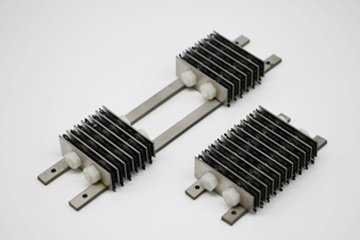
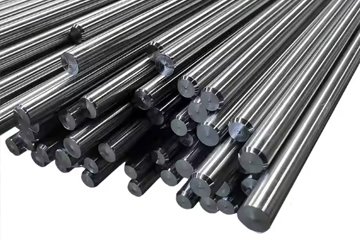
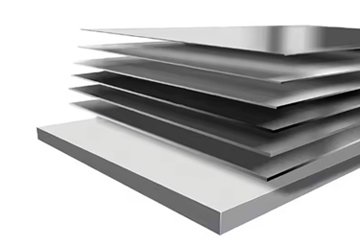
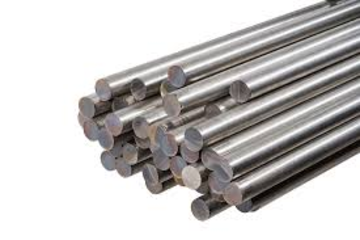
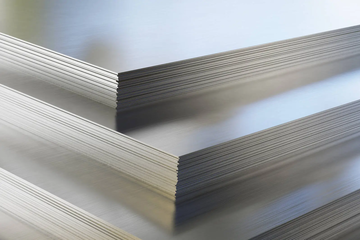
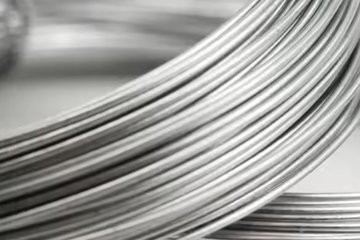
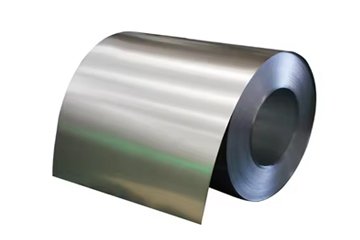
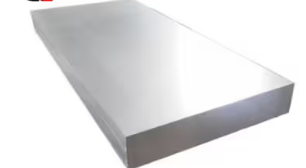
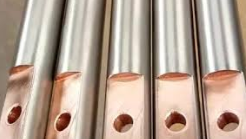
Anode Geometry and Design: Available in various forms, including plates, rods, mesh, and tubes, to optimize surface area and current distribution for specific reactor configurations.
Operating Conditions: Anodes must be designed to withstand specific electrolyte pH, temperature, current density, and presence of corrosive elements.
The ability of a manufacturer to offer bespoke solutions based on these parameters is a hallmark of a capable and responsive supplier. Specialized manufacturers often excel in this area.
Optimizing anode performance involves a delicate balance between coating formulation, geometric design, and understanding the electrochemical environment. Manufacturers providing comprehensive technical support and testing data can significantly reduce project risks and enhance operational efficiency.
Real-world applications demonstrate the tangible benefits of high-quality titanium anodes. Examining successful deployments provides valuable insights into performance and reliability across diverse industrial environments.
Concurrently, the global emphasis on sustainability necessitates a focus on environmentally responsible manufacturing practices within the anode production lifecycle.
While specific client details remain confidential, the general applications of titanium anodes showcase their critical role:
Chlor-Alkali Production: MMO anodes significantly improve energy efficiency and reduce environmental impact compared to traditional graphite electrodes.
Wastewater Treatment: Customized anodes enable advanced oxidation processes for effective removal of persistent organic pollutants, ensuring compliance with environmental regulations.
Cathodic Protection: Platinized titanium anodes protect pipelines and marine structures from corrosion, extending asset lifespan and reducing maintenance costs. (Further reading: NACE International)
Responsible manufacturers are increasingly adopting practices that minimize their environmental footprint. This includes optimizing resource utilization and managing waste effectively.
Elements of sustainable manufacturing in anode production include:
Energy Efficiency: Implementing energy-saving technologies in coating application and heat treatment processes.
Waste Reduction: Optimizing material usage and recycling scrap titanium to minimize waste generation.
Environmental Compliance: Adhering to stringent local and international environmental regulations regarding emissions and effluent discharge.
Navigating international procurement requires a clear understanding of the entire supply chain, from initial inquiry to final delivery. An efficient process is key to timely project execution and cost control.
Manufacturers with established export departments and robust logistics networks can significantly simplify this complex process for international buyers.
A well-defined procurement process ensures transparency, minimizes delays, and manages expectations effectively.
Request for Quotation (RFQ): Submission of detailed technical specifications and quantity requirements to potential suppliers.
Technical and Commercial Review: Evaluation of proposals, including technical feasibility, pricing, lead times, and payment terms.
Contract Negotiation: Finalization of terms, including quality guarantees, delivery schedules, and dispute resolution mechanisms.
Production and Quality Inspection: Monitoring manufacturing progress and conducting pre-shipment inspections to verify product quality.
International Logistics and Customs: Management of freight forwarding, shipping, and customs clearance, often handled by experienced manufacturers or their partners.
Post-Delivery Support: After-sales service, technical assistance, and warranty support.
Reputable manufacturers, such as those featured on China Titanium Factory's contact page, often provide dedicated support throughout these stages, ensuring a seamless experience.
The field of electrochemical technology is continuously evolving, driving innovations in titanium anode design and application. Staying abreast of these trends is crucial for long-term strategic planning and competitive advantage.
Future developments promise enhanced efficiency, greater durability, and expanded versatility for these critical industrial components.
Research and development efforts are concentrated on several key areas that will define the next generation of titanium anodes.
Novel Coating Materials: Exploration of new catalytic materials and nano-structured coatings to improve activity, selectivity, and lifespan.
Advanced Manufacturing Techniques: Implementation of additive manufacturing (3D printing) for complex anode geometries and optimized surface areas.
Smart Anodes: Integration of sensors for real-time monitoring of performance, degradation, and operational parameters, enabling predictive maintenance.
Energy Storage Applications: Development of anodes for next-generation batteries and supercapacitors, leveraging titanium's unique properties. (See also: ScienceDirect on Titanium Anodes)
Manufacturers investing in R&D are better positioned to offer cutting-edge solutions. Regularly reviewing insights from industry leaders and specialized blogs, such as the China Titanium Factory blog, can provide updates on these developments.

The successful procurement of titanium anodes extends beyond a single transaction; it involves cultivating strategic, long-term partnerships. Such relationships are built on trust, consistent quality, and mutual understanding of industrial demands.
Engaging with ISO 9001 certified Chinese manufacturers offers a pathway to securing reliable, high-performance anode solutions tailored to specific operational requirements.
Prospective clients are encouraged to initiate detailed consultations. This allows for a thorough discussion of project specifications, technical challenges, and potential customized solutions. Manufacturers like China Titanium Factory are equipped to provide the expertise and manufacturing capabilities required for demanding applications.
By prioritizing certified suppliers, conducting rigorous vetting, and fostering open communication, businesses can ensure a stable and high-quality supply chain for their titanium anode needs, contributing to sustained operational excellence and innovation.
ISO 9001 certification indicates that a manufacturer has implemented a robust quality management system (QMS) that meets international standards. For titanium anode production, this signifies consistent product quality, efficient operational processes, and a commitment to continuous improvement, reducing the risk of defects and ensuring reliability in industrial applications.
Chinese titanium anode manufacturers offer several strategic advantages, including competitive pricing due to economies of scale, vast manufacturing capacities, advanced technological integration, and comprehensive supply chain ecosystems. These factors enable cost-effective procurement without compromising on quality, especially from ISO 9001 certified suppliers.
Key vetting criteria include verifying ISO 9001 certification, assessing manufacturing capabilities and capacity, scrutinizing quality control protocols, evaluating investment in research and development (R&D), confirming international export experience, and requesting customer references. A thorough evaluation ensures a reliable and high-quality partnership.
Yes, customization is a critical aspect of titanium anode manufacturing. Reputable suppliers can tailor anode designs, substrate materials (e.g., Grade 1 or 2 titanium), and active coating compositions (e.g., MMO, platinized) to meet precise operational parameters such as electrolyte type, current density, temperature, and specific electrochemical reactions. This ensures optimal performance and extended service life.
The global procurement process typically involves submitting a Request for Quotation (RFQ), followed by technical and commercial reviews, contract negotiation, production with quality inspections, and finally, international logistics and customs clearance. Experienced manufacturers often provide comprehensive support throughout these stages, including post-delivery assistance and technical support.



Contact Us
Room 21003, 10th Floor, Unit 2, Building 1, Xianning International Plaza, No.29 Xianning West Road, Beilin District, Xi'an City
Copyright © Xi'an Shiguang Jingyan Technology Co., Ltd. All Rights Reserved.