





















Unlocking the Potential: Can Titanium Anodes Be Recoated?
Industrial operations often rely on specialized components. Titanium anodes are crucial in many electrochemical processes. These anodes are known for their strength and corrosion resistance.
However, their active coatings degrade over time. This degradation impacts performance and efficiency. A common question arises for engineers and manufacturers: can titanium anodes be recoated?
The definitive answer is yes. Titanium anodes can often be recoated. This process extends their operational lifespan significantly. Recoating offers a viable alternative to costly replacements.
This guide explores the feasibility, processes, and benefits of anode recoating. It provides essential insights for maintaining critical industrial infrastructure.

Understanding Titanium Anodes: Their Vital Role and Wear Indicators
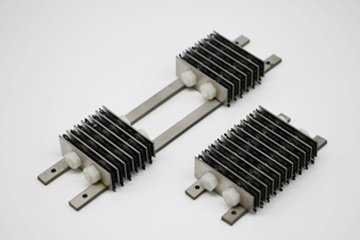
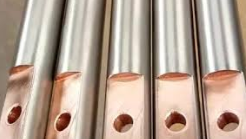
Titanium anodes serve as electrodes in various industrial applications. They are critical in processes like electroplating, water treatment, and cathodic protection. Their inert titanium substrate supports an active catalytic coating.
This coating facilitates electrochemical reactions. Common coatings include Mixed Metal Oxides (MMO), platinum, and iridium oxides. These materials offer high conductivity and corrosion resistance.
Definition: Titanium Anode
A titanium anode is an electrode made from a titanium substrate. It is coated with an electrocatalytic material. This design provides high stability and efficiency in diverse electrochemical processes.
Over time, these active coatings degrade. This degradation occurs due to electrochemical wear, mechanical abrasion, or chemical attack. Identifying anode wear is crucial for timely maintenance.
Signs of overuse or degradation include:
Increased cell voltage.
Reduced current efficiency.
Visible coating erosion or discoloration.
Formation of passive films on the anode surface.
Monitoring these indicators helps determine when recoating is necessary. Early detection prevents significant operational disruptions. It also maintains process integrity.
The Titanium Anode Recoating Process: A Step-by-Step Technical Overview
Recoating titanium anodes involves a precise, multi-stage process. Each step is critical for ensuring proper adhesion and optimal performance of the new coating. This technical overview provides a practical guide.
It covers everything from initial assessment to final quality control. Chinatitaniumfactory.com offers expert services in this specialized area. They ensure high-quality recoating results.
Initial Assessment and Surface Preparation: The Foundation of Success
Thorough inspection marks the first stage. Experts examine the anode for structural integrity and corrosion. They assess any damage to the titanium substrate. This initial step determines recoating feasibility.
Next comes cleaning. This removes contaminants like organic matter, scale, and old coating residues. Chemical cleaning, often with strong acids, dissolves impurities. Mechanical cleaning methods, such as wire brushing, also play a role.
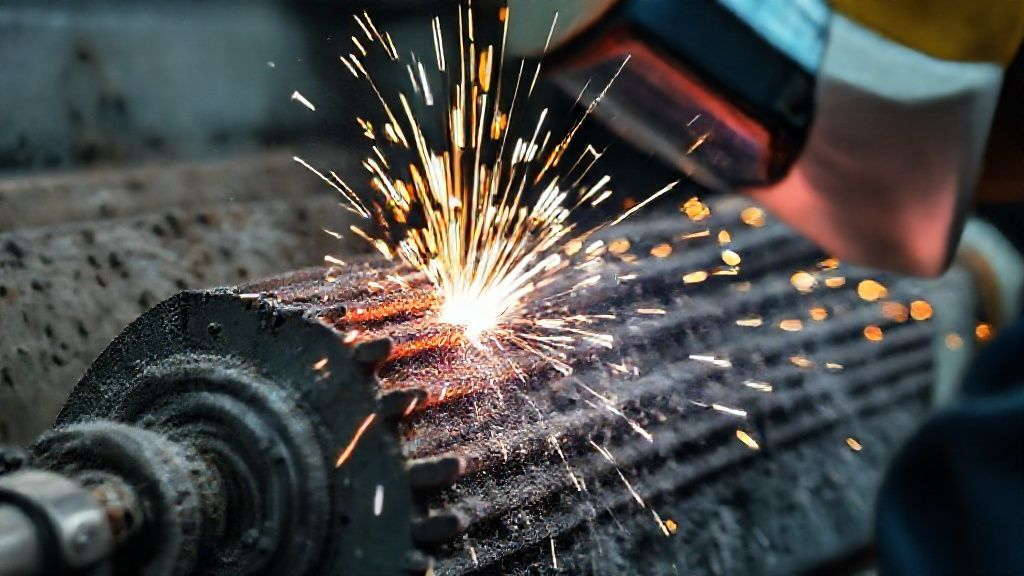
Surface preparation is paramount for coating adhesion. Etching roughens the titanium surface. This creates a larger surface area for bonding. Acid etching, using hydrofluoric or oxalic acid, is a common technique.
Finally, abrasive blasting prepares the substrate. This removes any remaining old coating and further roughens the surface. It ensures a clean, active surface ready for the new coating. Proper substrate preparation is non-negotiable for a durable recoat.
Applying the New Coating: Methods, Materials, and Technologies
Applying the new coating requires specialized methods. These methods ensure even distribution and strong adhesion. Common techniques include thermal spray, electrodeposition, and chemical deposition.
Thermal spray methods, such as plasma spray or HVOF, apply molten coating material. Electrodeposition uses an electric current to deposit the coating. Chemical deposition involves chemical reactions on the anode surface.
The choice of coating material depends on the application. Mixed Metal Oxide (MMO) coatings are highly popular. They consist of noble metal oxides like ruthenium oxide and iridium oxide. These offer excellent electrocatalytic activity and durability.
Platinum-coated titanium anodes are also used. They provide high corrosion resistance and catalytic properties. The specific blend of oxides is tailored to the process requirements. This ensures optimal performance.
After coating, a curing process stabilizes the material. This often involves heat treatment. Final quality control checks verify coating thickness, adhesion, and uniformity. This ensures the recoated anode meets all specifications.
The Economic and Performance Benefits of Recoating Titanium Anodes
Recoating titanium anodes offers significant advantages. These benefits extend beyond simple cost savings. They encompass operational efficiency and environmental sustainability. This makes recoating a smart industrial strategy.
Recoating vs. New Anodes: A Comprehensive Cost-Benefit Analysis
The primary driver for recoating is economic. Purchasing new titanium anodes represents a substantial capital expenditure. Recoating, conversely, typically costs a fraction of a new unit. This difference can lead to significant savings for businesses.
Consider the long-term value. A well-recoated anode can perform comparably to a new one. It often achieves similar operational lifespans. This extends the return on investment for the original anode infrastructure.
The table below provides a comparative overview.
| Factor | Recoating Existing Anode | Purchasing New Anode |
|---|---|---|
| Initial Cost | Lower (typically 30-60% of new) | Higher (full capital expenditure) |
| Operational Lifespan | Restored to near-new or equivalent | New, full lifespan |
| Lead Time | Generally shorter than new manufacturing | Longer, involves manufacturing and shipping |
| Environmental Impact | Reduced waste, less raw material extraction | Higher, new material consumption |
| Performance | Can be optimized to current needs | Standard new performance |
This comparison highlights the financial and strategic advantages. Companies save money and reduce their environmental footprint. This aligns with modern sustainability goals.
Extending Anode Lifespan and Enhancing Operational Efficiency
Recoating directly extends the lifespan of dimensionally stable anodes (DSAs). This reduces the frequency of anode replacement. Less downtime means more consistent and reliable operation.
Furthermore, recoating can enhance anode efficiency. Modern coating formulations may offer improved catalytic activity. This leads to lower power consumption in electrochemical cells. Lower power consumption translates to reduced operating costs.

Improved durability is another benefit. Expert recoating services ensure a robust new coating. This coating resists wear and chemical attack. Consequently, it maintains consistent performance over a longer period.
For example, a study on MMO anode degradation highlights the potential for lifespan extension through optimized recoating strategies. ScienceDirect provides detailed research on this topic. This contributes to overall operational stability and profitability.
When to Recoat and When to Replace: Critical Decision Factors
Deciding between recoating and replacing an anode is a strategic choice. It depends on several critical factors. Anode damage assessment is key to this decision. Not all anodes are suitable for recoating.
Consider the following criteria:
Substrate Integrity: The titanium substrate must be structurally sound. Severe corrosion, cracks, or deformation make recoating impractical.
Original Design: Some complex anode designs may be more challenging or costly to recoat. Simple plate or mesh anodes are often ideal candidates.
Cost-Benefit Analysis: Compare the cost of recoating versus a new anode. Include potential downtime and logistical expenses.
Urgency: Recoating usually has a shorter turnaround time than manufacturing new anodes. This can be critical for urgent needs.
A damaged substrate often necessitates replacement. If the titanium base itself is compromised, a new anode is the safer, more reliable option. However, if only the active coating is depleted, recoating is highly feasible.
Ultimately, the decision balances economic factors, operational requirements, and the physical condition of the anode. A thorough evaluation ensures the right choice for sustained performance.
Choosing the Right Recoating Service Provider: A Practical Guide
Selecting a reliable recoating service provider is crucial. The quality of the recoating directly impacts anode performance and lifespan. Businesses must consider several key factors during this selection process.
Look for providers with extensive experience in titanium anode recoating. Experience ensures they understand the nuances of surface preparation and coating application. Chinatitaniumfactory.com has a proven track record in delivering high-quality solutions.
Key factors to consider include:
Technical Expertise: Does the provider employ skilled metallurgists and coating specialists?
Quality Assurance: What inspection and testing protocols do they have in place? Look for ISO certifications.
Materials Used: Do they use high-grade coating materials, such as specific MMO formulations?
Turnaround Times: Can they meet your operational deadlines? Discuss typical lead times.
Customer Support: Do they offer pre- and post-service consultation?
Request case studies or client testimonials. These provide insight into a provider's capabilities. They also demonstrate their commitment to customer satisfaction. A reputable provider will be transparent about their processes and results.
For example, a report by the National Association of Corrosion Engineers (NACE) emphasizes the importance of certified coating applicators for critical industrial components. This underscores the need for expert services.
Choosing the right partner guarantees a successful recoating project. It secures your investment in titanium anodes for years to come. Ensure they align with your operational standards and budget.
Frequently Asked Questions (FAQs) About Titanium Anode Recoating
What is the typical lifespan of a recoated titanium anode?
The lifespan of a recoated titanium anode is comparable to a new anode. It depends on the application, current density, and coating type. High-quality recoating can restore anodes to near-original performance. This means several years of reliable operation.
Is recoating environmentally friendly?
Yes, recoating is generally more environmentally friendly than replacement. It reduces the need for new raw material extraction. It also minimizes industrial waste. This aligns with sustainable manufacturing practices and resource conservation.
Can all types of titanium anodes be recoated?
Most titanium anodes with a sound substrate are suitable for recoating. This includes MMO, platinum, and iridium-coated anodes. However, severely damaged or structurally compromised anodes may require replacement. A professional assessment is always recommended.
What are the safety considerations for recoating?
Recoating involves handling strong acids, abrasive materials, and high temperatures. Therefore, it requires specialized facilities and trained personnel. Adherence to strict safety protocols, including PPE and ventilation, is essential. Reputable service providers prioritize safety compliance.
Conclusion: Secure Your Anode Investment with Smart Recoating Strategies
Titanium anode recoating is a proven, cost-effective solution. It significantly extends the operational life of critical industrial components. This process offers substantial economic and performance benefits.
By understanding the recoating process, businesses can make informed decisions. They can optimize their anode maintenance strategies. This approach minimizes downtime and maximizes efficiency.
Investing in expert recoating services secures your existing anode infrastructure. It reduces capital expenditures on new equipment. Furthermore, it supports sustainable industrial practices.
Embrace smart recoating strategies to ensure long-term anode performance. This protects your operational investment. It also enhances overall system reliability.
Ready to Optimize Your Anode Performance?
Don't let anode degradation impact your operations or budget. Discover how professional recoating services can extend the life of your titanium anodes, improve efficiency, and save significant costs.
Get a Recoating Consultation