






















Corrosion poses a silent but significant threat to vital infrastructure and equipment worldwide. From residential water heaters to complex marine vessels and industrial processing plants, metal assets are constantly exposed to environmental degradation. This pervasive problem can lead to costly repairs, operational failures, and safety hazards.
Fortunately, a proven solution exists: sacrificial anodes. These unassuming components act as the first line of defense, safeguarding more valuable metals through an electrochemical process. Understanding their function, types, and, critically, their lifespan is essential for effective corrosion prevention.
This comprehensive guide explores everything you need to know about sacrificial anode lifespan. We detail the factors influencing their longevity, how to identify depletion, and best practices for maintenance and replacement. Proactive management ensures the continuous protection of your investments.
Understanding Sacrificial Anodes: Your First Line of Defense
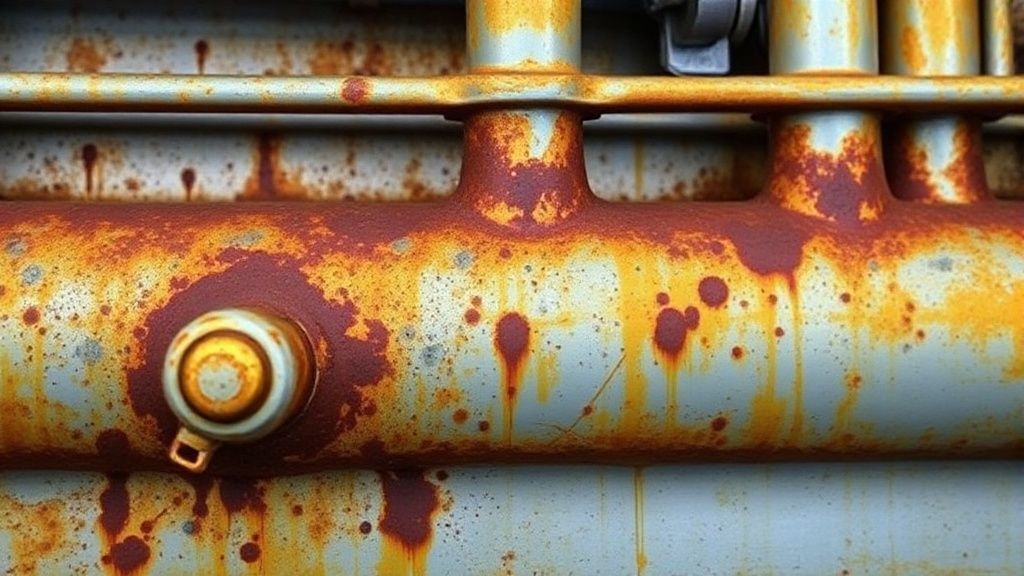
A sacrificial anode is a critical component in cathodic protection systems. It actively prevents corrosion by sacrificing itself. This method protects more valuable metal structures from degradation.
Sacrificial Anode: A highly active metal that is electrically connected to a less active metal. It corrodes preferentially, thereby protecting the less active metal from corrosion through galvanic action.
This process relies on the principle of galvanic corrosion. When two dissimilar metals are in contact within an electrolyte, a natural electrical current forms. The more active metal corrodes, while the less active metal remains protected.
Sacrificial anodes are made from metals like magnesium, aluminum, or zinc. These metals are more electrochemically active than the steel or iron they protect. They draw the corrosive current away from the protected asset. Over time, the anode slowly depletes, requiring replacement.
This electrochemical protection is vital for many applications. It safeguards water heaters, marine hulls, pipelines, and underground tanks. Experts like those at China Titanium Factory understand these complex corrosion challenges. They provide solutions tailored to specific industrial needs.
Choosing the Right Anode: Magnesium, Aluminum, or Zinc?
Selecting the correct sacrificial anode material is paramount for effective protection. Each type offers distinct properties. They are optimized for specific environmental conditions and protected assets.
Magnesium Anodes: High Current in Resistive Water
Magnesium anodes are highly electrochemically active. They generate a strong protective current. This makes them ideal for environments with higher electrical resistance. Freshwater conditions, like those in residential water heaters or some RV applications, benefit greatly from magnesium anodes. Their aggressive protective action is very effective.
Aluminum Anodes: Versatility for Saltwater and Brackish Conditions
Aluminum anodes offer a balanced performance. They are suitable for both saltwater and brackish water environments. They provide a good current output and have a longer lifespan than zinc in many marine applications. Aluminum anodes are often alloyed with indium or zinc to prevent passivation. This ensures consistent performance. They are widely used on boat hulls, outdrives, and heat exchangers.
Zinc Anodes: The Classic Choice for Saltwater
Zinc anodes are the traditional choice for saltwater applications. They provide reliable protection in highly conductive environments. Their lower driving voltage makes them less prone to overprotection. This can sometimes occur with magnesium. Zinc anodes are commonly found on ships, offshore structures, and docks. They are less effective in freshwater due to passivation.
Choosing the right material ensures maximum efficiency. It also prolongs the life of your equipment. For specialized industrial applications, custom anode products may be necessary. These are often designed for unique environmental demands.
| Anode Type | Primary Application | Key Characteristic |
|---|---|---|
| Magnesium | Freshwater (water heaters, RVs) | High current output, effective in resistive water |
| Aluminum | Saltwater, Brackish water (marine vessels) | Balanced performance, longer life in marine settings |
| Zinc | Saltwater (hulls, offshore structures) | Reliable in highly conductive saltwater, lower voltage |
How Long Do Sacrificial Anodes Really Last?
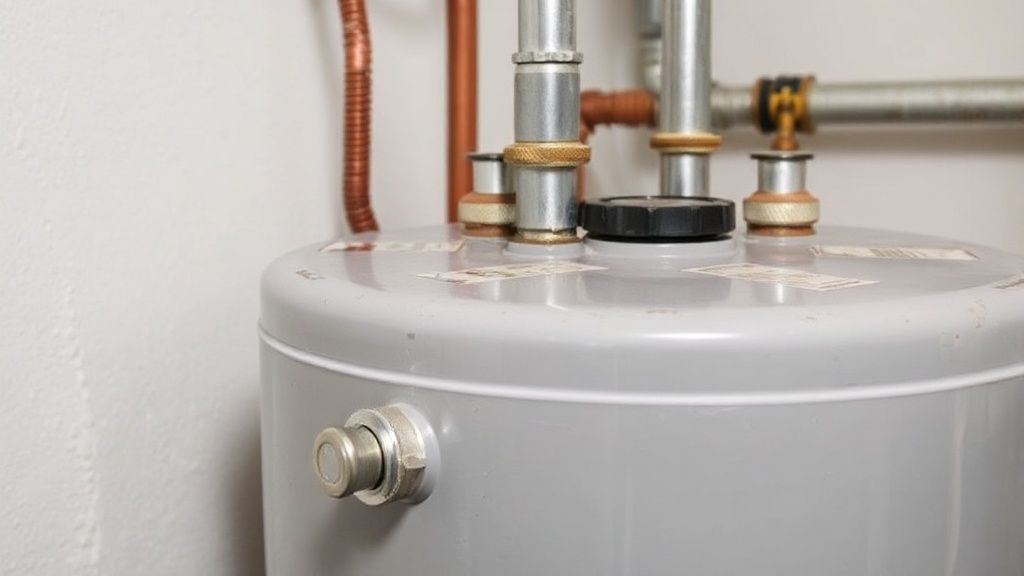
The core question for any asset owner is, "How long will my sacrificial anode last?" There is no single, fixed answer. Anodes are designed to deplete, and their lifespan is inherently variable. It depends on many factors.
For residential water heaters, a magnesium anode typically lasts between three to five years. This is a general guideline. Some may last longer, while others deplete much faster. High water usage or aggressive water conditions can shorten this significantly.
Marine anodes, protecting boat hulls or engines, also have variable lifespans. They typically last one to two boating seasons. Constant immersion in highly corrosive saltwater accelerates their consumption. Regular checks are essential for all applications.
Industrial applications, due to their scale and specific environments, require tailored assessment. Lifespan can range from a few months to several years. This depends on the system's design and operational parameters. Proactive monitoring prevents unexpected failures.
The key takeaway is that an anode's longevity is not guaranteed. It is influenced by a complex interplay of environmental and operational factors. Understanding these variables is crucial for effective corrosion management.
The Variables: What Shortens or Extends Your Anode's Life?
Many critical factors dictate how quickly a sacrificial anode depletes. These variables affect the rate of electrochemical reaction. Being aware of them helps predict and manage anode lifespan more effectively.
Water Quality: Hardness, pH, and Conductivity
The chemical composition of the water is a primary driver. Hard water, rich in minerals, can cause scale buildup on anodes. This reduces their effectiveness. High levels of dissolved solids increase water conductivity. This leads to faster anode consumption. Chlorine and other aggressive chemicals also accelerate depletion rates.
The pH level of water also plays a role. Highly acidic or alkaline water can alter the anode's performance. For instance, magnesium anodes perform better in slightly harder water. Zinc and aluminum prefer higher conductivity environments like saltwater. For more on water quality, refer to the EPA's drinking water standards.
Water Temperature and Usage Patterns
Higher water temperatures generally increase the rate of chemical reactions. This includes the galvanic corrosion process. A water heater constantly operating at high temperatures will consume its anode faster. Similarly, frequent hot water usage means more water cycling through the tank. This exposes the anode to fresh corrosive elements more often.
Anode Material and Size
As discussed, different anode materials have varying electrochemical potentials. Magnesium is more active than aluminum or zinc. This means it offers stronger protection but may deplete faster under certain conditions. The physical size of the anode also matters. Larger anodes contain more material. They can provide protection for a longer duration.
Environmental Conditions and Current Demand
For marine applications, salinity is a major factor. Saltwater is highly conductive, leading to rapid anode consumption. Stray electrical currents in marinas can also drastically shorten anode life. The overall current demand of the protected structure is crucial. A larger or more complex metal structure requires more protective current. This accelerates anode depletion.
Understanding these variables allows for better planning. It ensures continuous cathodic protection. Expert consultation can help determine the optimal anode strategy for complex systems.
Is Your Anode Failing? Recognizing the Warning Signs
Identifying a depleted or failing sacrificial anode is crucial. Early detection prevents significant and costly corrosion damage. Several common indicators signal that your anode may need attention.
The "Rotten Egg" Smell in Hot Water
One of the most common signs, especially in water heaters, is a sulfurous or "rotten egg" smell. This odor results from a reaction between magnesium anodes and sulfates in the water. Sulfate-reducing bacteria convert sulfates into hydrogen sulfide gas. While not directly indicating anode depletion, it often suggests a highly active magnesium anode system. This activity means the anode is working hard and may deplete faster.
Discolored Water or Rust Particles
If your hot water appears rusty or discolored, it is a serious warning sign. This indicates that the sacrificial anode is no longer protecting the tank lining. The steel tank itself has begun to corrode. This can lead to leaks and tank failure. Immediate inspection and replacement are necessary.
Decreased Hot Water Efficiency or Leaks
While less direct, persistent corrosion can impact a system's efficiency. Leaks are the most severe sign of anode failure. A leaking water heater tank means the corrosion has progressed through the tank wall. This usually necessitates a full replacement of the unit. For marine vessels, visible rust streaks or pitting on protected metal areas indicate anode inadequacy.
Visible Corrosion on Protected Components
For external anodes on marine vessels or pipelines, visible corrosion on the protected metal itself is a clear indicator. If you see pitting, rust, or significant degradation on your boat's propellor, stern drive, or hull, your anodes are likely spent. Regular visual checks are essential for these applications.
Ignoring these warning signs can lead to extensive damage and costly repairs. Proactive inspection prevents these severe consequences.
DIY or Professional? A Guide to Anode Inspection and Replacement
Inspecting and replacing sacrificial anodes is a crucial maintenance task. The decision to perform it yourself or hire a professional depends on your skill level and the complexity of the system.
DIY Anode Inspection and Replacement (Water Heaters)
For many homeowners, replacing a water heater anode is a feasible DIY project. You will need basic tools like a socket wrench, plumber's tape, and a new anode rod. Always turn off the water supply and power to the water heater first. Drain several gallons of water from the tank to reduce pressure. Then, carefully unscrew the old anode rod.
Inspect the old anode. If it is less than half its original diameter, it needs replacement. Install the new anode, ensuring a tight seal with plumber's tape. This process typically takes an hour or two. Always consult your water heater's manual for specific instructions and safety precautions.
Marine Anode Replacement (DIY vs. Professional)
Replacing marine anodes on smaller boats can often be a DIY task. Ensure the boat is out of the water. Visually inspect all anodes (hull, propellor, shaft, trim tabs). Replace any that are significantly eroded. Ensure good electrical contact with the protected metal. For complex marine systems or larger vessels, professional assistance is highly recommended. This ensures proper bonding and comprehensive protection.
When to Call a Professional
Complex industrial systems, large marine vessels, or underground pipelines require specialized knowledge. These installations often involve precise calculations and specific safety protocols. Incorrect installation can lead to inadequate protection or even accelerated corrosion. Professionals have the tools and expertise to assess, install, and maintain these critical systems. They can also perform cathodic protection surveys. For advanced corrosion solutions, consulting specialists is always the safest bet.
Safety is paramount. If you are unsure about any step, always defer to a certified technician. This protects both you and your valuable assets.
Best Practices for Anode Maintenance and Corrosion Prevention
Maximizing the efficiency and lifespan of your sacrificial anodes requires proactive maintenance. Integrating anodes into a broader corrosion prevention strategy ensures long-term asset integrity. Here are expert recommendations:
Establish Regular Inspection Schedules
Do not wait for warning signs. For water heaters, inspect the anode annually, especially after the third year. Marine anodes should be checked at least once a season or during routine haul-outs. Industrial systems require inspections based on their specific operating conditions and risk assessments. Documenting inspection dates helps track anode depletion rates.
Ensure Proper Installation and Electrical Contact
Anodes must have excellent electrical contact with the protected metal. Any coating, paint, or corrosion between the anode and the structure will impede its function. Clean the mounting surface thoroughly before installation. Use appropriate fasteners and ensure they are tightened to specification. For water heaters, ensure the anode rod is fully submerged and correctly threaded.
Understand the Impact of Water Softeners
Water softeners replace hard minerals with sodium ions. This increases water conductivity. This can accelerate anode depletion, especially for magnesium anodes. If you have a water softener, consider switching to an aluminum anode or increasing inspection frequency. This helps mitigate the increased activity.
Integrate into a Holistic Corrosion Prevention Strategy
Sacrificial anodes are one tool in a comprehensive approach. Combine them with protective coatings, proper material selection, and insulated fittings. This multifaceted strategy offers superior protection. For example, titanium components offer inherent corrosion resistance. They can complement anode systems in highly aggressive environments. The Association for Materials Protection and Performance (AMPP) provides extensive resources on integrated corrosion control.
By adhering to these best practices, you extend asset life. You also enhance reliability and reduce overall maintenance costs.
The Investment: Why Regular Anode Replacement Pays Off
The cost of replacing a sacrificial anode is minimal compared to the potential damage it prevents. This small, proactive investment yields significant long-term financial savings and extends asset life.
Avoiding Costly Repairs and Replacements
Consider a water heater. A new anode rod costs a fraction of replacing an entire water heater. Neglecting anode replacement can lead to tank perforation. This results in leaks, water damage, and the need for a completely new unit. For marine vessels, corroded props, shafts, or hulls can cost thousands in repairs. These expenses far outweigh the cost of regular anode changes.
Extending Equipment Lifespan and Enhancing Reliability
Sacrificial anodes are designed to protect the integrity of your equipment. By consistently replacing them, you ensure continuous protection against galvanic corrosion. This significantly extends the operational life of your assets. It also enhances their reliability. Equipment failures due to corrosion can lead to costly downtime, especially in industrial settings. Proactive maintenance minimizes these risks.
Quantifiable Return on Investment (ROI)
The ROI on sacrificial anode replacement is easily quantifiable. A $50 anode can protect a $1,000 water heater for several years. It can prevent a $5,000 boat repair. This makes anode replacement one of the most cost-effective preventative maintenance actions available. It safeguards your investments against the relentless forces of corrosion.
Global leaders in material science, like China Titanium Factory, emphasize the importance of preventative measures. They offer high-quality materials and components that contribute to system longevity. This reduces the total cost of ownership over time.
Solving Anode Problems: A Quick Troubleshooting Guide
Even with best practices, issues with sacrificial anodes can arise. Knowing how to troubleshoot common problems ensures continuous protection.
Anode Depleting Too Quickly
If your anode is consuming faster than expected, consider the environmental factors. High water conductivity, increased temperature, or stray electrical currents are common culprits. For water heaters, check water quality. Consider switching to an aluminum anode if you have a water softener. For marine applications, investigate stray current sources in your marina. Ensure all electrical connections are properly bonded.
Persistent "Rotten Egg" Smell Despite Replacement
A new anode may not immediately eliminate the sulfurous smell. The bacteria causing the smell might still be present. Flushing the water heater tank thoroughly can help. Some specialized aluminum/zinc anodes are designed to mitigate this odor. If the problem persists, consult a plumber to check for other issues.
Difficulty Removing or Installing Anode Rods
Anode rods can seize in place, especially in older water heaters. Use a breaker bar for leverage. Apply penetrating oil around the threads. Ensure the water heater is completely drained and depressurized. When installing, apply plumber's tape or sealant to the threads to prevent leaks. Do not overtighten, but ensure a snug fit.
Visible Corrosion Even With New Anodes
If corrosion persists despite new anodes, the issue might be deeper. Check for proper electrical continuity between the anode and the protected structure. Ensure the anode material is appropriate for the environment. In marine settings, consider the overall bonding system. Seek professional advice for persistent corrosion issues. This ensures effective cathodic protection.
Anodes in Action: Real-World Success Stories
The effectiveness of sacrificial anodes is proven across countless applications. These real-world examples highlight their critical role in preventing damage.
Residential Water Heater Longevity
A family in a hard water region consistently replaced their water heater's magnesium anode every three years. Their neighbor, with an identical unit, neglected this maintenance. After eight years, the family's water heater was still functioning perfectly. The neighbor's unit developed a severe leak, requiring a costly full replacement. The proactive anode replacement saved hundreds of dollars and inconvenience.
Commercial Marine Fleet Protection
A commercial fishing fleet operating in aggressive saltwater conditions implemented a rigorous anode replacement schedule. They utilized high-quality aluminum anodes, sourced from reliable global manufacturers. This schedule involved quarterly inspections and immediate replacement of depleted anodes. Over five years, the fleet reported significantly reduced corrosion-related repairs. Propellers, shafts, and rudders showed minimal wear. This led to substantial operational savings and extended vessel life.
Pipeline Integrity in Harsh Environments
An oil and gas company deployed sacrificial anodes along an underground pipeline in a highly corrosive soil environment. Regular monitoring confirmed the anodes were actively sacrificing. They protected the steel pipeline from external corrosion. This preventative measure averted potential leaks, environmental contamination, and massive repair costs. The anodes ensured the pipeline's operational integrity for decades.
These stories underscore the tangible benefits of diligent anode maintenance. They demonstrate how a small investment in protection yields enormous returns.
Estimate Your Anode's Life: An Interactive Tool (Concept)
Predicting the exact lifespan of a sacrificial anode can be challenging. An interactive online calculator could simplify this process for users. This tool would empower individuals and businesses to make informed maintenance decisions.
Users would input key variables specific to their situation. These inputs would include:
Anode material (Magnesium, Aluminum, Zinc)
Application type (Water Heater, Marine, Industrial)
Water hardness or salinity levels
Average water temperature
Usage frequency (e.g., hot water gallons per day, hours immersed)
Size or surface area of protected metal
Based on these inputs, the calculator would provide a personalized projection. It would estimate the anode's remaining service life. It could also suggest an optimal inspection and replacement schedule. Such a tool would be invaluable for proactive maintenance planning. It would help users anticipate anode depletion before problems arise. This further reinforces the importance of informed corrosion prevention.
Your Top Questions About Sacrificial Anodes, Answered
Can I extend my anode's life?
While an anode is designed to deplete, you can optimize its performance. Ensure proper installation and good electrical contact. Choose the correct anode material for your specific environment. Regular inspections prevent premature failure. Addressing factors like stray currents in marine environments also helps.
What happens if I don't replace a depleted anode?
If a sacrificial anode is not replaced, the protected metal will begin to corrode. For a water heater, this means the steel tank will rust and eventually leak. For marine vessels, propellers, shafts, and hulls will suffer pitting and structural damage. This leads to costly repairs or complete equipment replacement.
Are all anode rods for water heaters the same?
No, water heater anode rods come in different materials and lengths. Magnesium is common for most freshwater. Aluminum/zinc alloys are available for specific water conditions, like those causing a "rotten egg" smell. Always choose an anode compatible with your water heater model and local water chemistry.
How often should I inspect marine anodes?
Marine anodes should be inspected at least once a season or every six months, whichever comes first. For boats in active use, especially in saltwater, more frequent checks are advisable. Replace them when they are 50% or more depleted. Some experts recommend checking every 3-4 months for continuous immersion.
Can I use a different type of anode than what came with my equipment?
Yes, often you can. For water heaters, switching from magnesium to aluminum/zinc might help with odor issues. For marine applications, ensure the new anode material is suitable for your water type (fresh, brackish, saltwater). Always verify compatibility and consult product guidelines or a professional if unsure. Using an incompatible anode can lead to ineffective protection or accelerated corrosion.
Protect Your Assets with Superior Corrosion Solutions
Don't leave your valuable equipment vulnerable to corrosion. Proactive anode management is key to extending lifespan and preventing costly damage. For high-quality titanium anodes and custom corrosion prevention solutions, trust the expertise of China Titanium Factory. Our global leadership and technical proficiency ensure reliable protection for your most critical assets.
Contact Our Experts Today