Corrosion engineers frequently encounter the 'black box' problem with Mixed Metal Oxide (MMO) anodes. While the exterior looks identical across manufacturers, the electrochemical performance is dictated by a microscopic layer of noble metal oxides. Selecting the wrong coating ratio or a sub-par cable connection doesn't just reduce efficiency—it leads to premature passivation and catastrophic system failure in critical Oil & Gas or marine infrastructure.
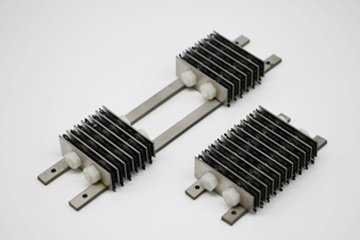
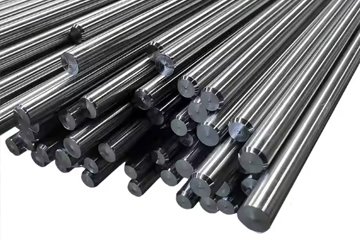
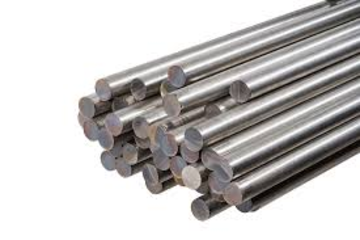
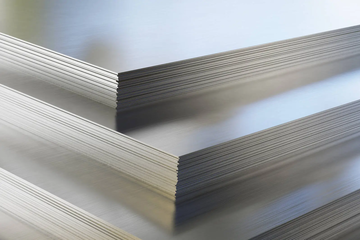
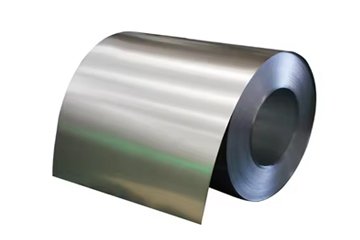
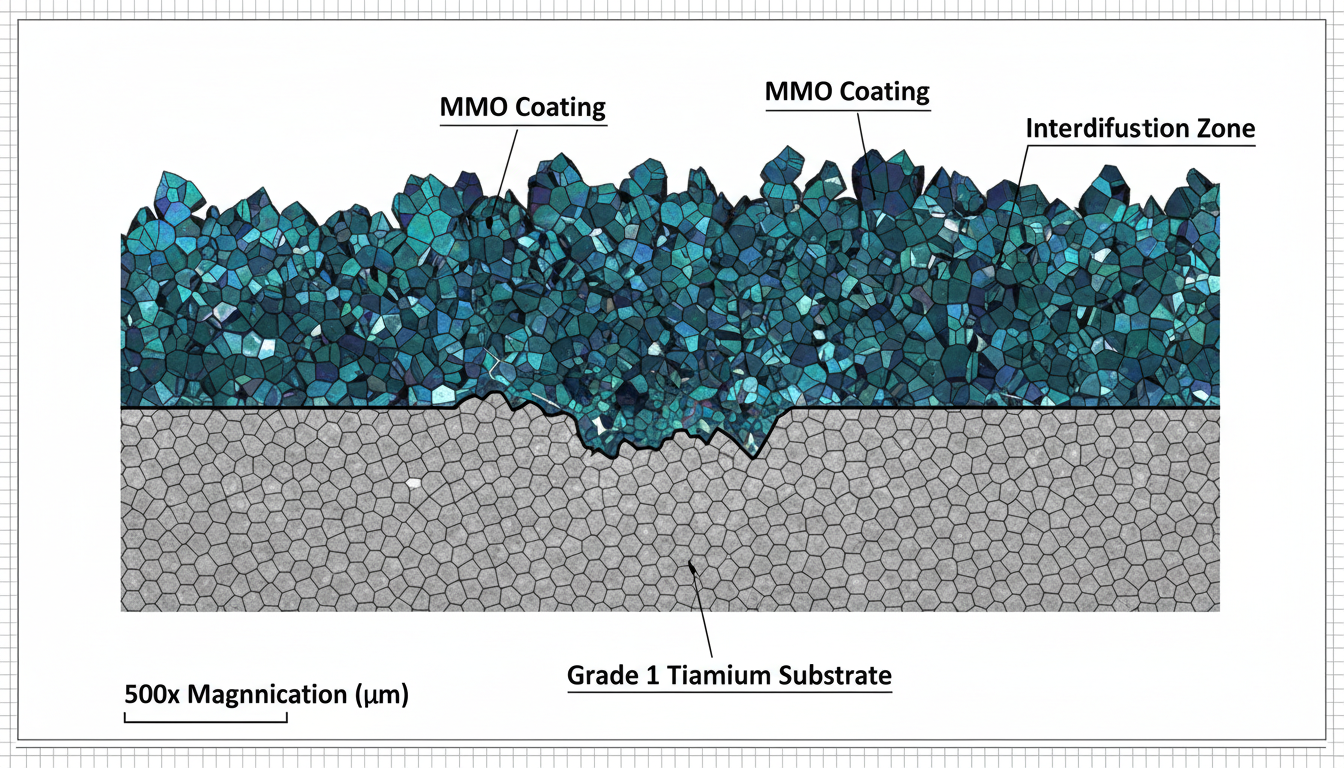
MMO anodes are not a monolithic material. They are a composite system where the titanium substrate provides the mechanical structure and the coating provides the electrochemical activity.
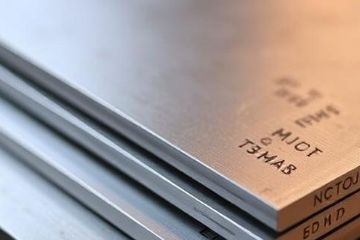
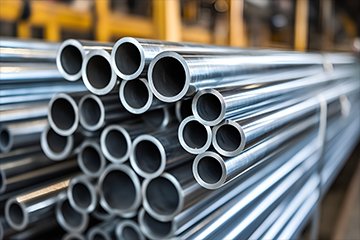
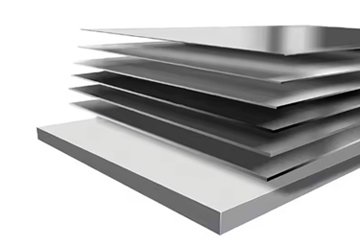
Titanium Substrate: Must comply with ASTM B265 Grade 1 or 2. Grade 1 is preferred for complex shapes (ribbons, wire) due to its higher ductility, while Grade 2 is the standard for tubular or plate anodes. Any impurities in the titanium lattice will lead to localized pitting under high current density.
The Oxide Coating: A thermal decomposition process applies layers of Iridium Oxide (IrO2), Ruthenium Oxide (RuO2), and Tantalum Oxide (Ta2O5). These are 'dimensionally stable,' meaning the anode dimensions remain constant throughout its life, unlike graphite or high-silicon cast iron.
Selecting the coating chemistry is an exercise in matching the dominant electrochemical reaction of the environment.
| Environment | Primary Reaction | Ideal Catalyst Ratio | Max Current Density (A/m²) | Typical Design Life |
|---|---|---|---|---|
| Seawater | Chlorine Evolution | High RuO2 / Low IrO2 | 600 - 1000 | 15 - 20 Years |
| Brackish Water | Mixed Cl₂ / O₂ | Balanced RuO2 / IrO2 | 100 - 300 | 20 Years |
| Freshwater/Soil | Oxygen Evolution | High IrO2 / Ta2O5 | 50 - 100 | 20 - 50 Years |
| Concrete (Rebar) | Oxygen Evolution | High IrO2 | 0.01 - 0.05 | 50+ Years |
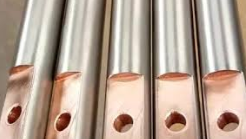
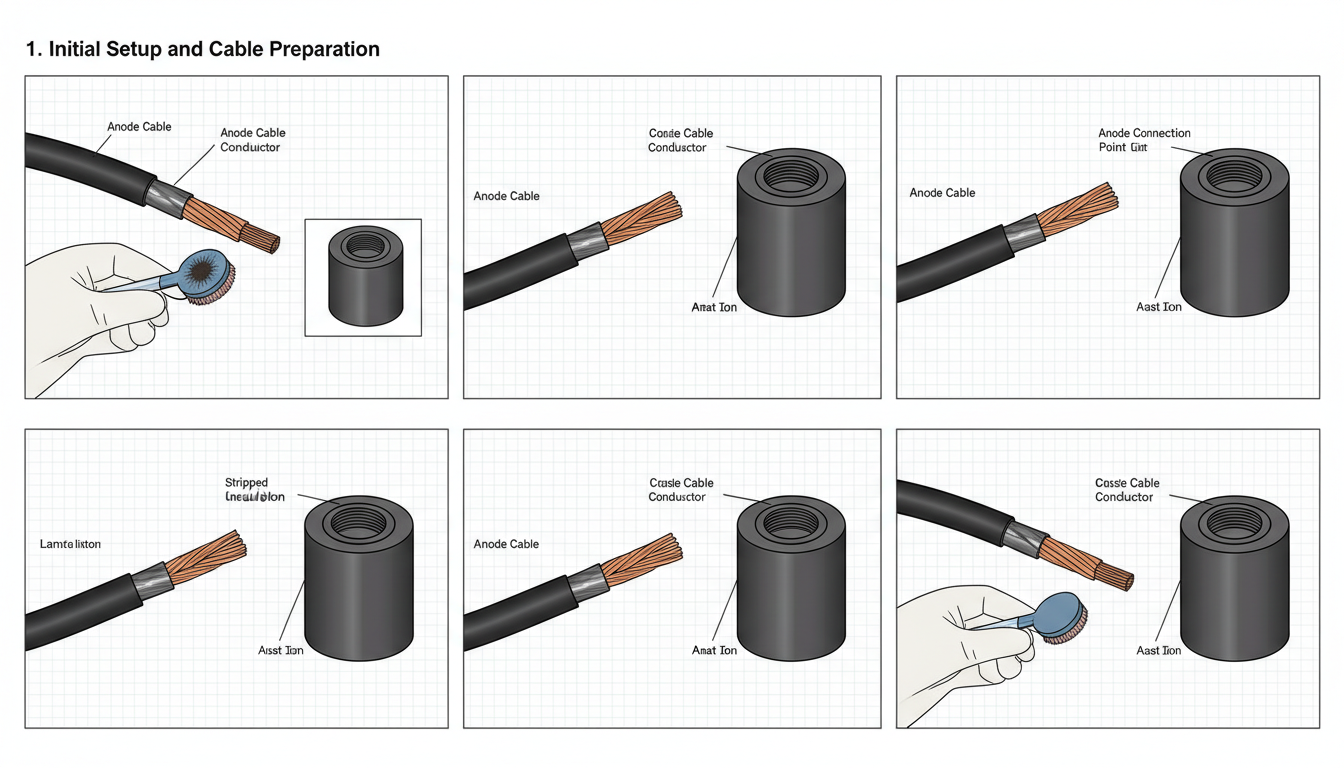
The most common failure point in an ICCP system is the anode-to-cable joint. If the seal fails, moisture ingress causes the copper cable to corrode rapidly, creating an open circuit. Standard soldering is insufficient for high-amperage MMO applications.
Mechanical Connection: Use a heavy-duty hydraulic crimp or a 'cold-welded' friction fit. This ensures a low-resistance (less than 0.001 ohm) electrical path.
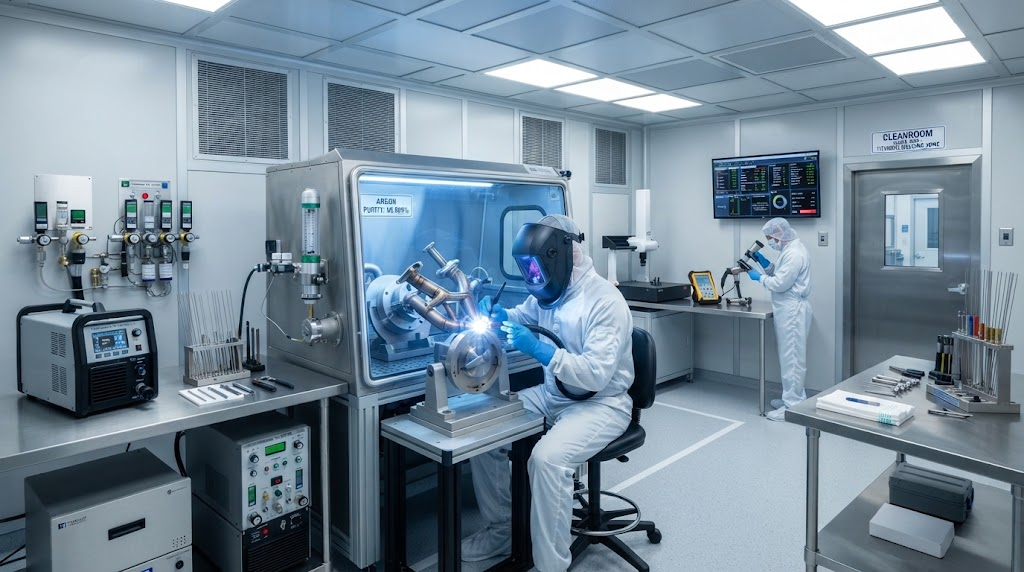
Primary Seal: Multi-layer adhesive-lined heat shrink tubing (Polyolefin) overlapping the anode and the cable insulation by at least 50mm.
Secondary Encapsulation: A specialized resin or mastic-filled canister. The resin must be chemically resistant to the chlorine gas generated at the anode surface.
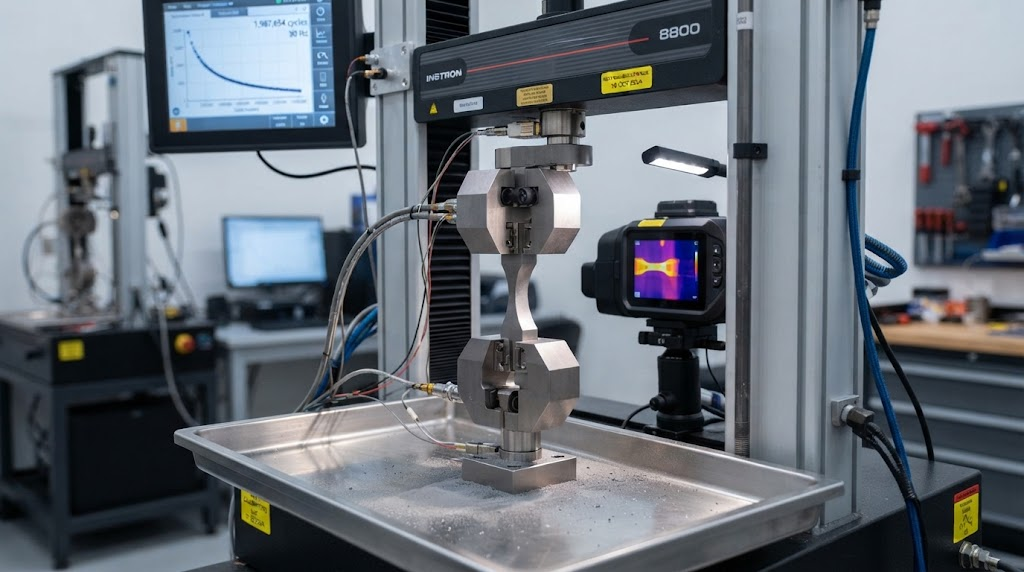
Testing: Every connection must undergo a Pull Test (to 150% of rated tension) and a Helium Leak Test or high-pressure water immersion test to ensure hermetic integrity.
| Parameter | Generic / Commercial Grade | Premium Engineered Grade |
|---|---|---|
| Coating Loading | < 5g/m² (Variable) | Certified 6g - 15g/m² (Environment specific) |
| Substrate Prep | Simple Degreasing | Mechanical Grit Blast + Acid Etch |
| Thermal Cycles | 2-3 Rapid Cycles | 10-15 Gradual Annealing Cycles |
| NACE TM0108 Testing | Not Provided / Spot Check | Full Batch Accelerated Life Test (ALT) |
| Connection Resistance | < 0.01 Ohm | < 0.001 Ohm |
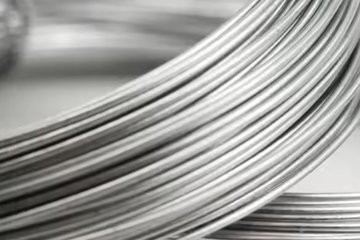
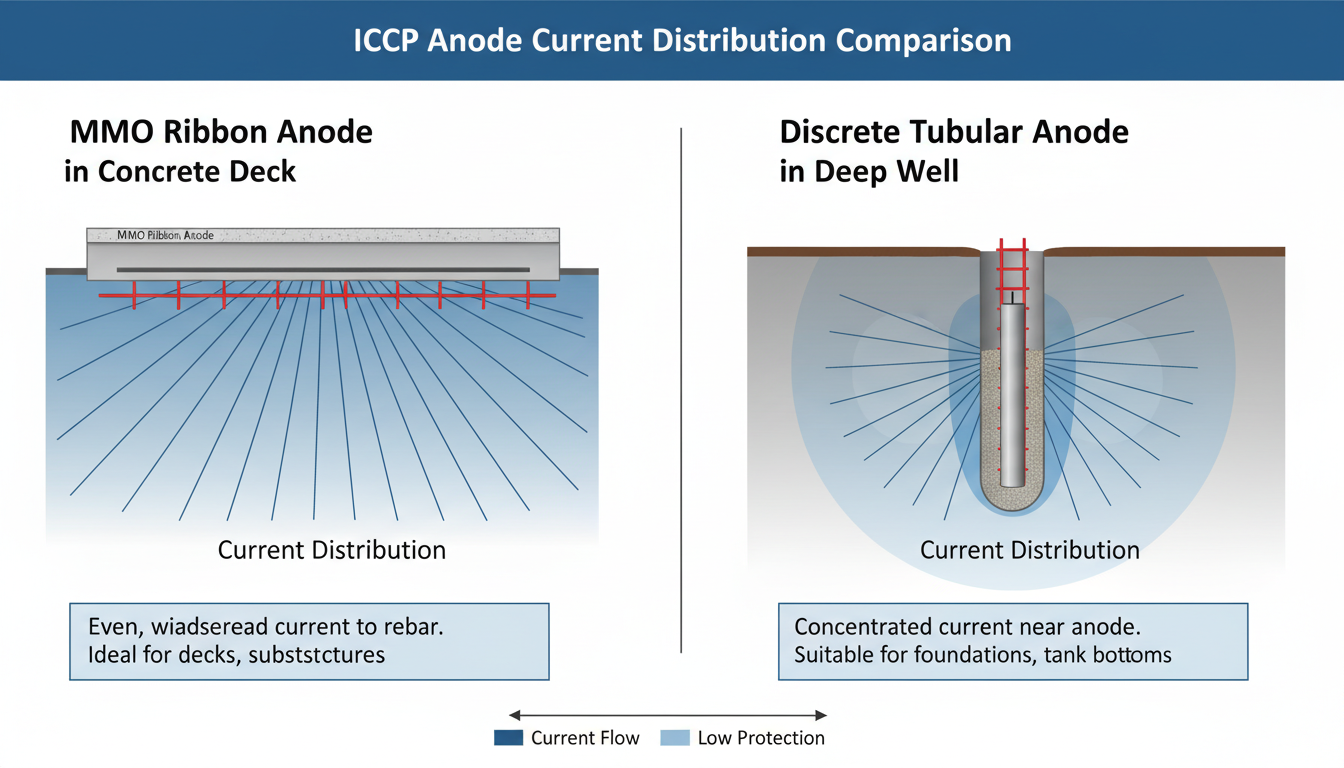
In soil applications, MMO wire or tubular strings are typically installed in deep wells (30m to 150m). The use of Calcined Petroleum Coke Breeze is mandatory. This carbonaceous backfill acts as the primary anode, transferring the current from the MMO surface to the soil. This prevents the MMO coating from over-stressing and lowers the overall circuit resistance.
For offshore assets, MMO 'sled' anodes or 'disk' anodes are mounted directly to the structure. Dielectric shields (typically epoxy or fiberglass) must be installed behind the anode to prevent 'over-protection' of the steel immediately adjacent to the anode, which can cause hydrogen embrittlement in high-strength steels.
Can MMO anodes be used in reverse?
No. Applying a negative charge to an MMO anode will cause the titanium substrate to hydride and the coating to delaminate within hours.
What causes 'Passivation' of an MMO anode?
Passivation occurs when the noble metal oxide coating is consumed or damaged, allowing a non-conductive titanium dioxide (TiO2) layer to grow on the substrate. This effectively shuts down current flow. This is usually caused by operating above the rated current density for the specific electrolyte.
Does the coating thickness determine the current output?
No. The surface area and the electrolyte conductivity determine the current output. The coating thickness (loading) determines the longevity of the anode.
How do I verify the coating quality onsite?
While you cannot measure thickness easily onsite, an X-Ray Fluorescence (XRF) analyzer can identify the presence and ratio of Iridium and Ruthenium to ensure it matches the technical submittal.
Switching from High-Silicon Cast Iron (HSCI) to MMO typically results in a 30% reduction in installation costs due to the lower weight and smaller footprint of MMO anodes. Furthermore, the lower driving voltage required by MMO catalysts reduces power consumption at the transformer rectifier by approximately 15-20% over the life of the system.
Request a customized electrochemical performance calculation and coating specification sheet for your next offshore or pipeline project.
Get Started


Contact Us
Room 21003, 10th Floor, Unit 2, Building 1, Xianning International Plaza, No.29 Xianning West Road, Beilin District, Xi'an City
Copyright © Xi'an Shiguang Jingyan Technology Co., Ltd. All Rights Reserved.