






















Understanding Titanium Anode Coatings: Platinum vs. Mixed Metal Oxide (MMO)
In the world of electrochemistry, the substrate is only half the story. The coating determines the efficiency. Selecting between platinum and MMO for your titanium electrodes is a high-stakes decision that dictates the lifespan of your system and the purity of your output. These coatings transform raw titanium into Dimensionally Stable Anodes (DSA), preventing the substrate from dissolving while facilitating specific chemical reactions.
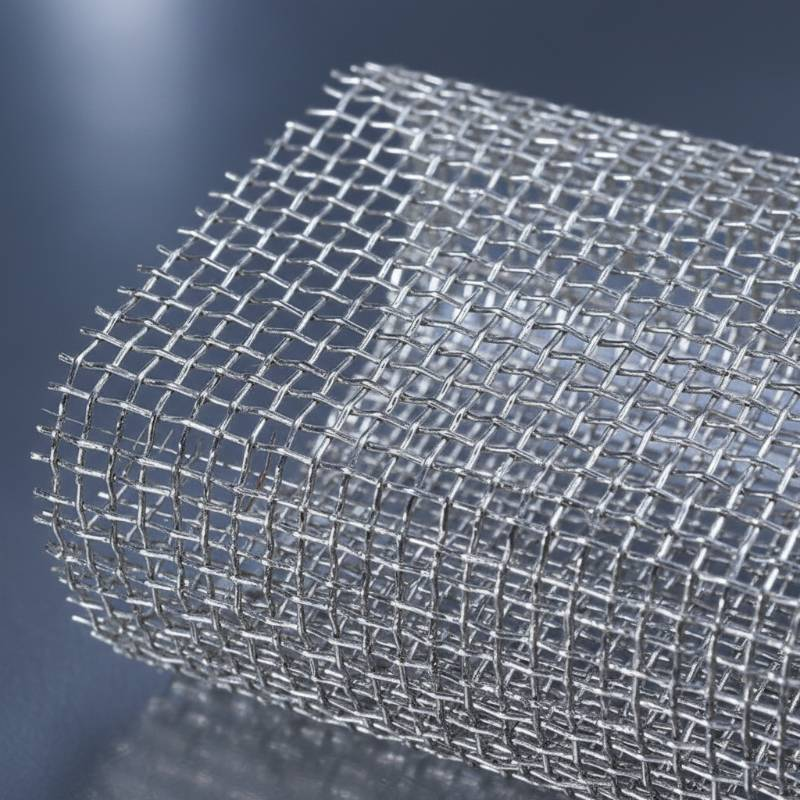
The Substrate-Coating Integrity Principle: At China Titanium Factory, we define the "Golden Rule" of anode selection: The coating must be chosen for the reaction, while the substrate is chosen for the environment. Never compromise on the catalyst to save on the carrier.
Platinized Titanium Anodes: Precision and High-Purity Performance
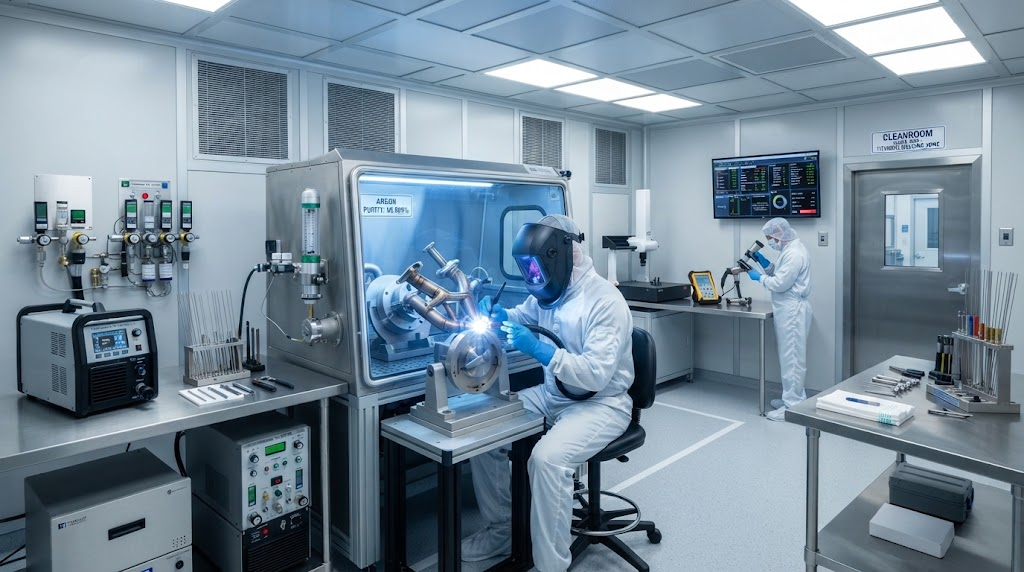
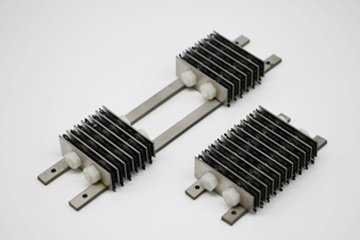
Platinized anodes feature a thin layer of pure platinum, typically applied via electrodeposition or thermal decomposition. This noble metal coating is prized for its extreme chemical stability. It doesn't migrate. It doesn't contaminate. In high-precision electroplating, such as gold or rhodium finishing, platinum's inert nature ensures the electrolyte remains pristine.
The Role of Platinum Layer Thickness
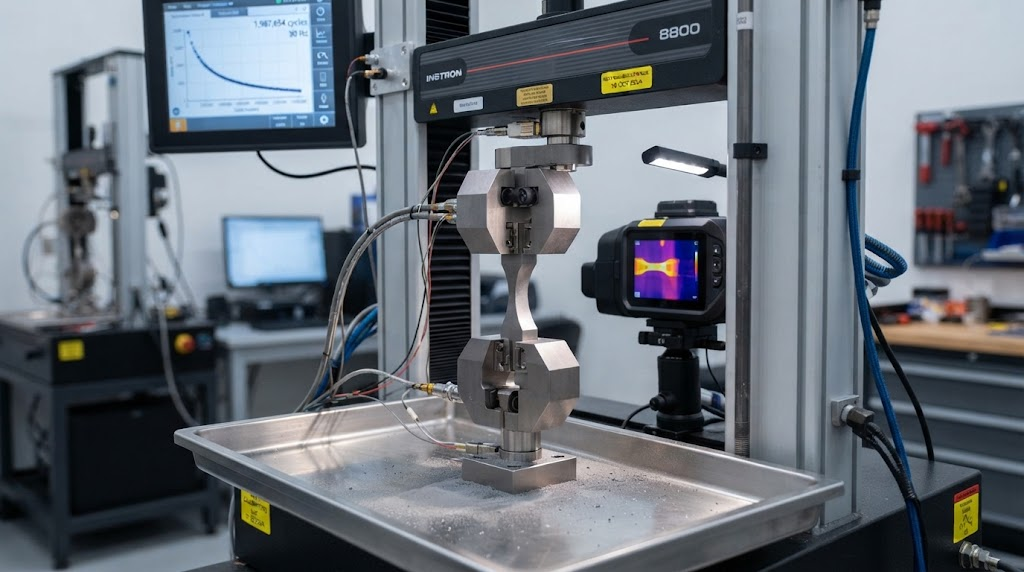
Standard thicknesses range from 0.5 microns to 5 microns. At China Titanium Factory, our analysis shows that for high current density applications, a thicker layer isn't just a luxury—it's a safeguard against "pinhole" corrosion. If the platinum layer is breached, the titanium substrate will passivate, effectively shutting down the current flow. This is why our platinum coated titanium anodes undergo rigorous adhesion testing before shipment.
Mixed Metal Oxide (MMO) Anodes: The Industrial Standard for Durability
MMO coatings are sophisticated cocktails of Iridium (IrO2), Ruthenium (RuO2), and Tantalum (Ta2O5) oxides. Unlike platinum, which is a single metal, MMO is an engineered catalyst. These coatings are specifically tuned for either oxygen evolution or chlorine evolution.
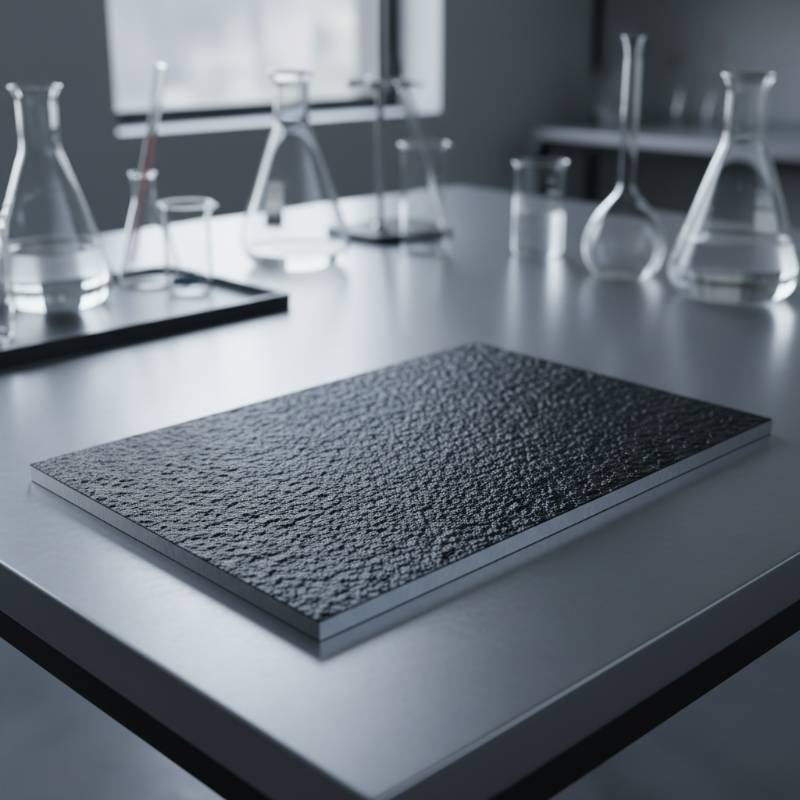
MMO is the workhorse of industrial electrochemistry. It thrives where platinum might fail, particularly in acidic or chloride-rich environments. The IrO2/Ta2O5 blend provides exceptional resistance to low pH, making it the preferred choice for MMO titanium anodes used in soil and seawater cathodic protection.
The Anode-Life Efficiency Matrix (ALEM) Protocol
To remove the guesswork from procurement, we developed The Anode-Life Efficiency Matrix (ALEM) Protocol. This methodology evaluates three critical vectors: Electrolyte Aggressiveness, Current Density, and Target Service Life. According to our research, over-specifying coating thickness is as economically damaging as under-specifying it. The ALEM Protocol calculates the precise "sweet spot" where the coating degradation rate matches the planned maintenance cycle of the facility.
Technical Comparison: Performance Metrics and Electrolyte Compatibility
When comparing titanium anodes, the numbers don't lie. MMO generally offers a lower overpotential for oxygen evolution, which translates directly to lower energy consumption.
| Feature | Platinized Titanium | MMO (Ir-Ta/Ru-Ti) |
|---|---|---|
| Typical Thickness | 0.5 - 5.0 µm | 6 - 12 g/m² (Oxide loading) |
| Current Density | Up to 75 A/dm² | Up to 100 A/dm² |
| Primary Environment | High purity, low acidity | Highly acidic, saline |
| Service Life | Moderate (Thickness dependent) | High (up to 20 years) |
For more in-depth data on electrocatalytic coating performance, refer to the research published by ScienceDirect on DSA longevity.
Application-Specific Selection: Where Each Coating Excels
Context is king. A high-performance anode in a wastewater plant is a failure in a medical device lab. Here is how we categorize the selection:
Cathodic Protection (ICCP)
For cathodic protection of buried pipelines or offshore rigs, MMO is the undisputed champion. Its ability to handle high current output in seawater and carbonaceous backfill is unmatched. Industry standards from AMPP (formerly NACE) frequently cite MMO as the benchmark for reliability in harsh environments.
Precision Electroplating
Platinum remains the gold standard for hard chrome plating and precious metal recovery. Because it does not shed oxides into the bath, it prevents contamination of the plated layer. If you are working with jewelry, medical electronics, or aerospace components, platinum is your choice.
Sustainability and ROI: The Long-Term Economics of Anode Selection
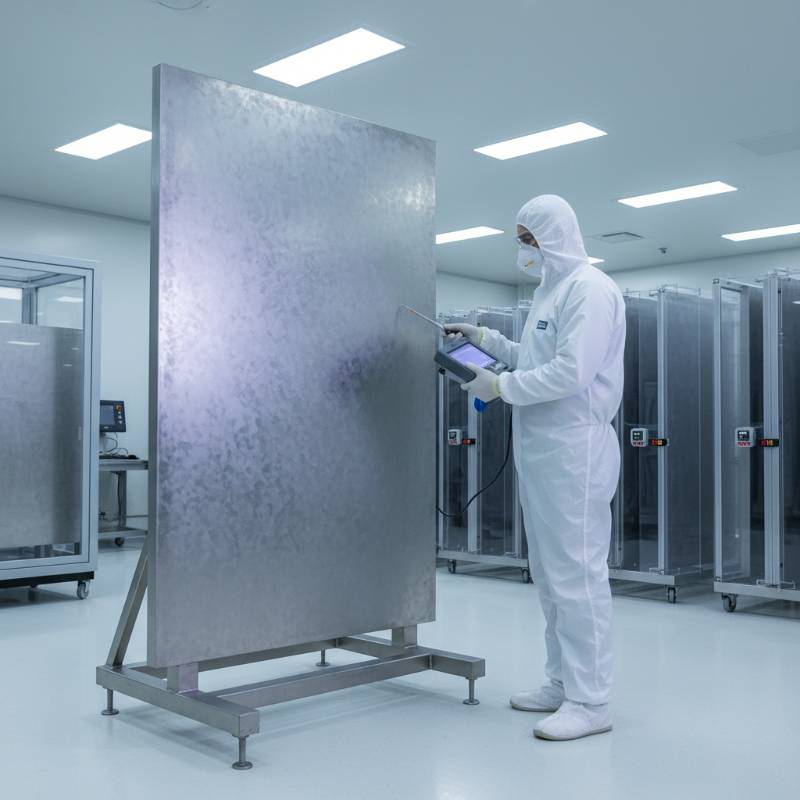
Procurement often looks at the initial price tag, but the cost per ampere-hour is the real metric. MMO typically offers a lower TCO (Total Cost of Ownership) because it can be recoated. At China Titanium Factory, we offer recoating services that reuse the titanium substrate, reducing waste and cutting costs by up to 40% compared to buying new anodes. This approach aligns with modern sustainable electrochemistry goals by minimizing the carbon footprint of titanium mining and processing.
Frequently Asked Questions about Platinum and MMO Anodes
How long do MMO anodes last compared to platinum?
Typically, MMO anodes are designed for a service life of 10 to 20 years in cathodic protection, whereas platinized anodes' life is strictly tied to the thickness of the platinum layer and the current density used. Under heavy load, a thin platinum layer may wear down in 2-3 years.
Can I use MMO in a fluoride-containing electrolyte?
Fluoride is the "kryptonite" of titanium. It attacks the titanium substrate directly. Neither MMO nor platinum can fully protect the titanium if fluoride concentrations are high (typically >50 ppm). In such cases, specialized interlayer coatings are required.
Is platinum coating better for sodium hypochlorite generation?
No. MMO (specifically Ruthenium-based) is far superior for sodium hypochlorite generation due to its lower chlorine evolution potential. It is more energy-efficient and has a longer lifespan in brine solutions than platinum.
Ready to Optimize Your Electrochemical Process?
Don't guess on your coating specifications. Use our ALEM Protocol to find the perfect balance of performance and price.