










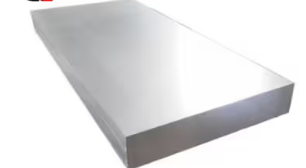
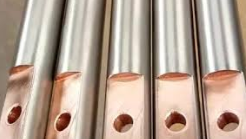











Titanium Anodes: Essential for Sodium Hypochlorite Generation
The efficient production of sodium hypochlorite is critical across numerous industrial and municipal sectors. Challenges often arise from the corrosive nature of electrolysis environments and the demand for consistent output. The solution lies in high-performance electrode materials.
Titanium anodes are central to modern sodium hypochlorite generator systems. They facilitate the electrochemical conversion of brine into a potent disinfectant. This process is fundamental for water treatment, disinfection, and other industrial applications where effective sanitation is paramount.
Definition: Titanium Anode
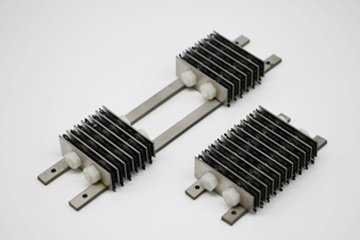
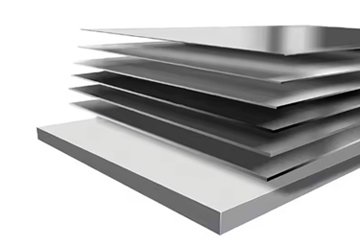
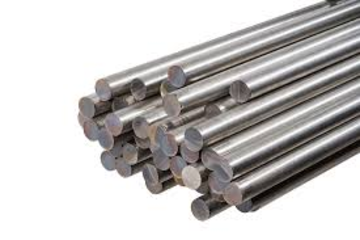
A titanium anode is an electrode fabricated from titanium, typically coated with noble metal oxides (e.g., ruthenium, iridium, platinum) to enhance its catalytic activity and corrosion resistance during electrochemical processes such as the production of sodium hypochlorite.
At China Titanium Factory, we define the optimal anode as one that balances electrochemical efficiency with long-term operational stability. This balance is not merely a preference; it is a prerequisite for system integrity and cost-effectiveness.
Superior Performance: Why Titanium Anodes Excel in Sodium Hypochlorite Systems
Titanium anodes offer distinct advantages over alternative electrode materials. Their inherent properties make them ideal for the harsh conditions prevalent in sodium hypochlorite generation.
A primary benefit is their exceptional corrosion resistance. Titanium forms a tenacious, passive oxide layer that protects it from aggressive saline solutions and nascent chlorine. This layer ensures structural integrity and prevents premature degradation.
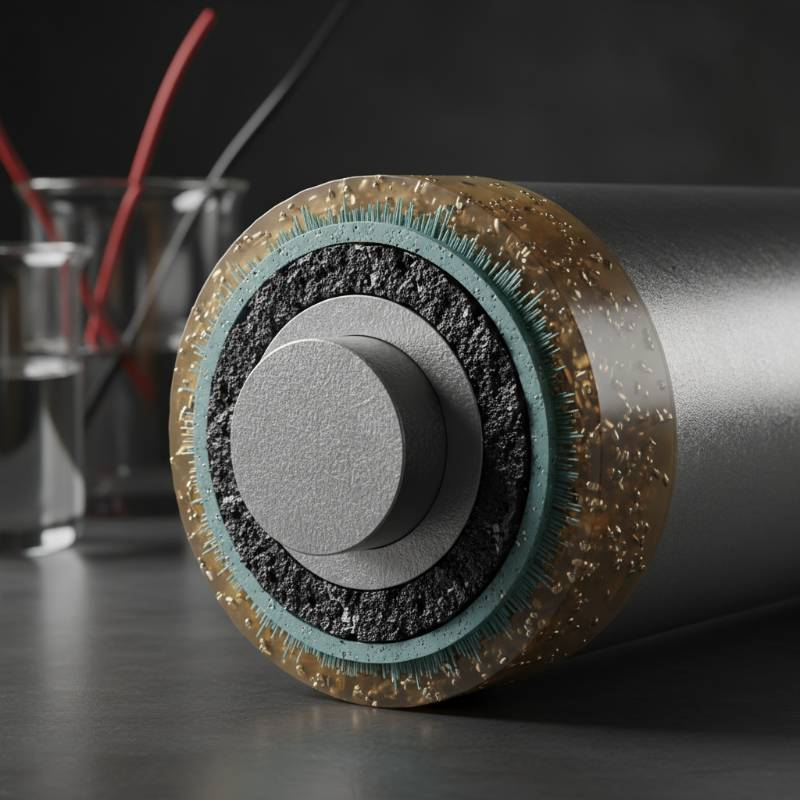
Furthermore, these anodes exhibit remarkable energy efficiency. The specialized coatings, often Mixed Metal Oxides (MMO), reduce overpotential for chlorine evolution. Less energy input translates directly into lower operational costs and enhanced system reliability.
The extended service life of titanium anodes is another significant factor. They resist fouling and maintain consistent electrochemical performance over thousands of hours. This longevity minimizes downtime and replacement expenses, contributing to overall cost-effectiveness.
According to our analysis, choosing a high-purity titanium substrate with an optimized coating is the Golden Rule for achieving peak performance in sodium hypochlorite generation. Anything less compromises both efficiency and lifespan.
Understanding MMO and Platinized Titanium Anodes for Electrolysis
The performance of a titanium anode is largely defined by its catalytic coating. Two prominent types dominate the market: Mixed Metal Oxide (MMO) and platinized titanium anodes.
Mixed Metal Oxide (MMO) Anodes
MMO anodes feature a coating of noble metal oxides, typically ruthenium and iridium oxides. These coatings are engineered for high catalytic activity and stability in chlorine evolution reactions. They offer excellent conductivity and adhesion to the titanium substrate.
Ruthenium-iridium coatings are particularly effective in saline solutions, promoting the desired electrochemical reactions while minimizing undesirable side reactions, such as oxygen evolution. This selectivity is crucial for efficient hypochlorite production. For specialized MMO anode solutions, consult expert fabricators.
Platinized Titanium Anodes
Platinized titanium anodes involve a thin layer of platinum electrodeposited onto the titanium substrate. Platinum is a highly stable and catalytically active metal. These anodes are often chosen for applications requiring superior purity and where chlorine evolution overpotential must be exceptionally low.
While platinum offers excellent performance, its higher cost typically reserves platinized anodes for specific, high-value applications or where alternative coatings may not suffice. The choice between MMO and platinized depends on specific operational parameters and economic considerations.
Precision Engineering: Manufacturing Advanced Titanium Anodes
Manufacturing high-performance titanium anodes demands meticulous attention to detail and advanced technological expertise. The process begins with selecting high-grade titanium substrates.
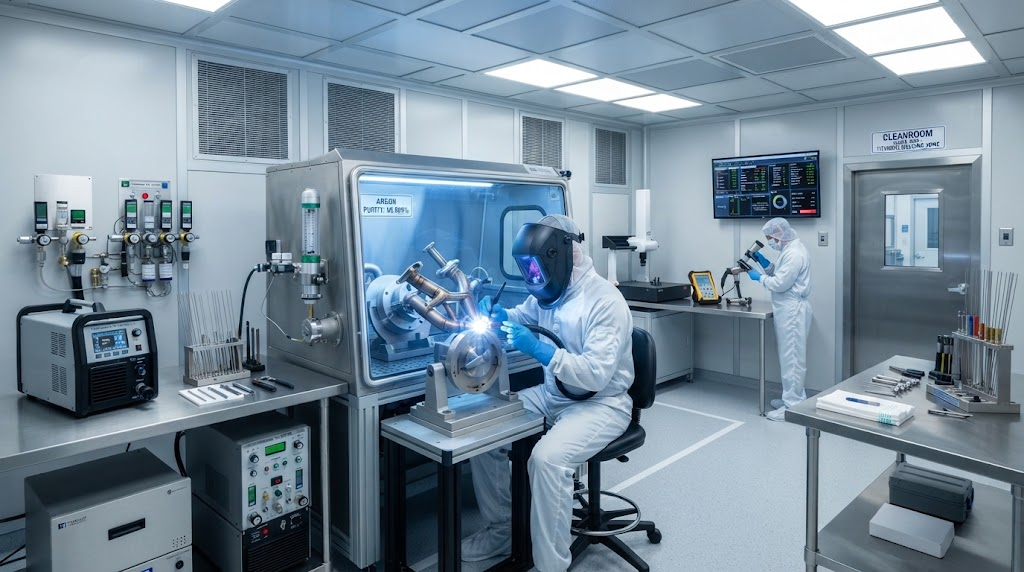
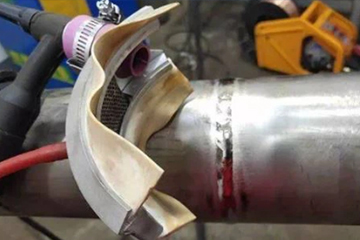
Fabrication techniques, including cutting, welding, and shaping, must maintain the integrity of the titanium. Surface preparation is critical; it ensures optimal adhesion of the subsequent catalytic coating. This typically involves degreasing, pickling, and etching.
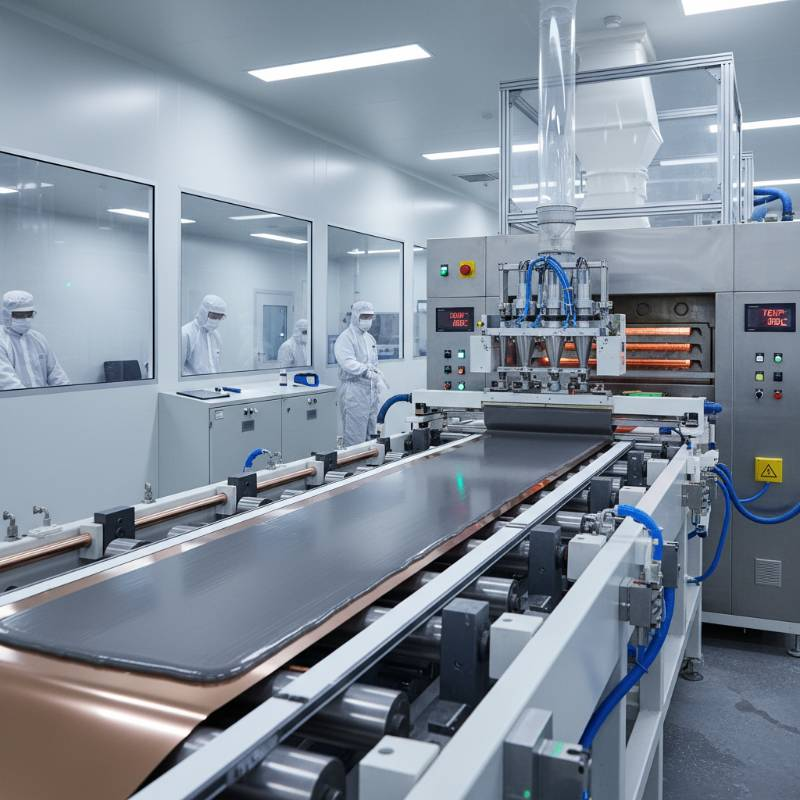
The application of the Mixed Metal Oxide (MMO) or platinum coating is a multi-stage process. Solutions containing noble metal precursors are applied, often by painting or spraying, followed by high-temperature sintering. This thermal treatment converts the precursors into a durable, electrochemically active oxide layer.
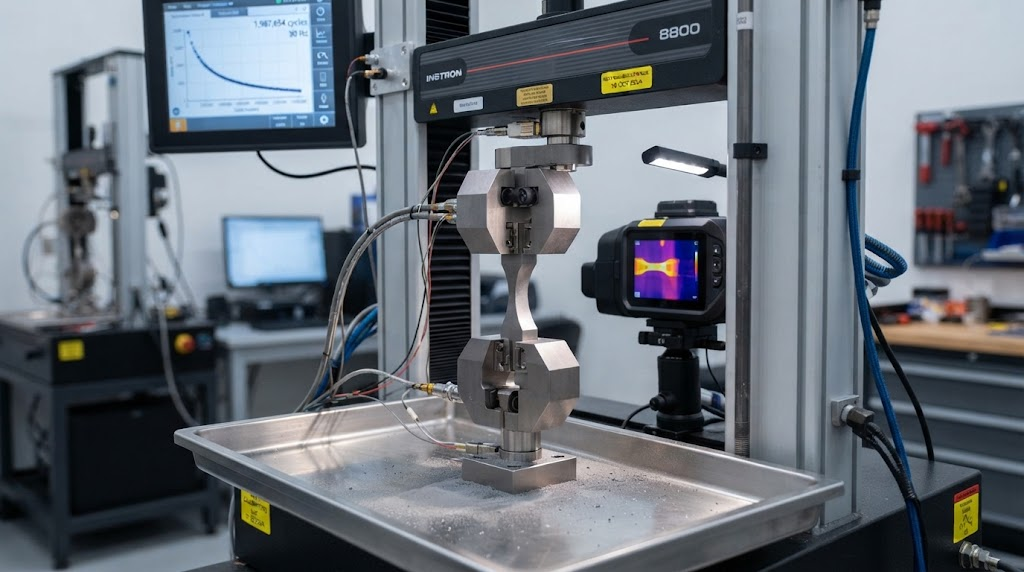
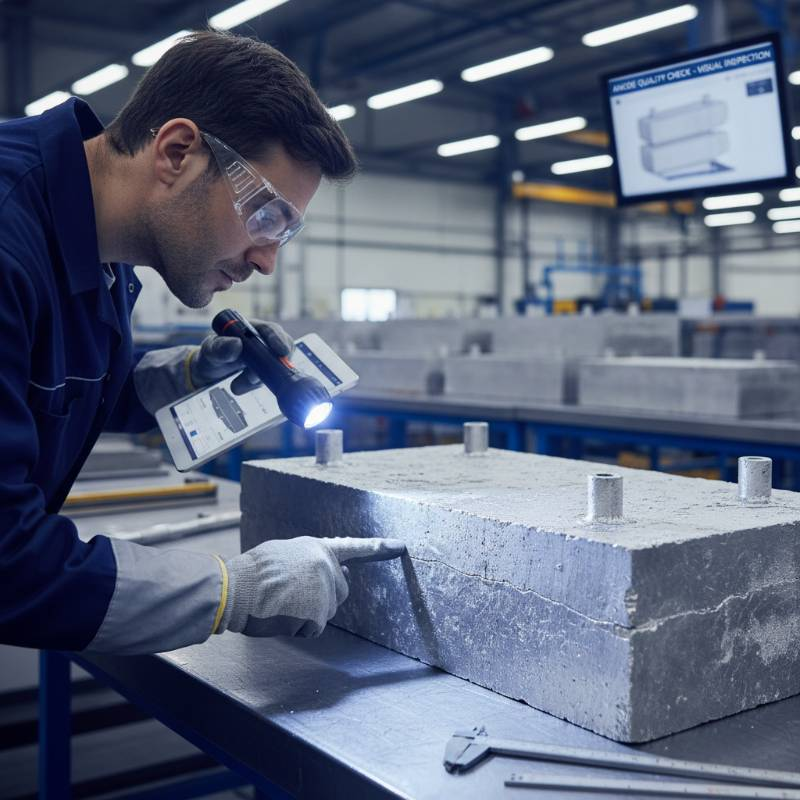
Rigorous quality control measures are implemented at every stage. This includes visual inspections, adhesion tests, and electrochemical performance evaluations. These checks guarantee product integrity and consistent performance in the field. For more on advanced titanium fabrication, consult industry leaders.
Fundamentals of On-Site Sodium Hypochlorite Generation
On-site sodium hypochlorite generation relies on a straightforward electrochemical principle: the electrolysis of a brine solution. This method produces hypochlorite solution safely and efficiently, eliminating the need for hazardous chemical transport.
The core of a generator is the electrochemical cell, containing an anode and a cathode, separated by a membrane or simply immersed in the electrolyte. Brine (sodium chloride solution) flows through this cell.
At the titanium anode, chloride ions (Cl-) are oxidized to chlorine gas (Cl2). Simultaneously, at the cathode, water is reduced to hydrogen gas (H2) and hydroxide ions (OH-). The chlorine gas subsequently reacts with water and hydroxide ions to form sodium hypochlorite (NaClO) and hydrochloric acid (HClO).
The overall reaction is: NaCl + H2O → NaClO + H2. This process ensures a continuous supply of disinfectant, tailored to immediate demand.
Corrosion Resistance of Titanium in Saline Environments
Titanium's exceptional corrosion resistance is paramount for its application in sodium hypochlorite generators. The active electrochemical environment, rich in chloride ions and nascent chlorine, is highly aggressive.
Titanium forms a stable, passive oxide film (TiO2) when exposed to oxygen or oxidizing agents. This film acts as a protective barrier, preventing further corrosive attack. This characteristic is critical for maintaining the anode's structural integrity and preventing metallic contamination of the generated hypochlorite.
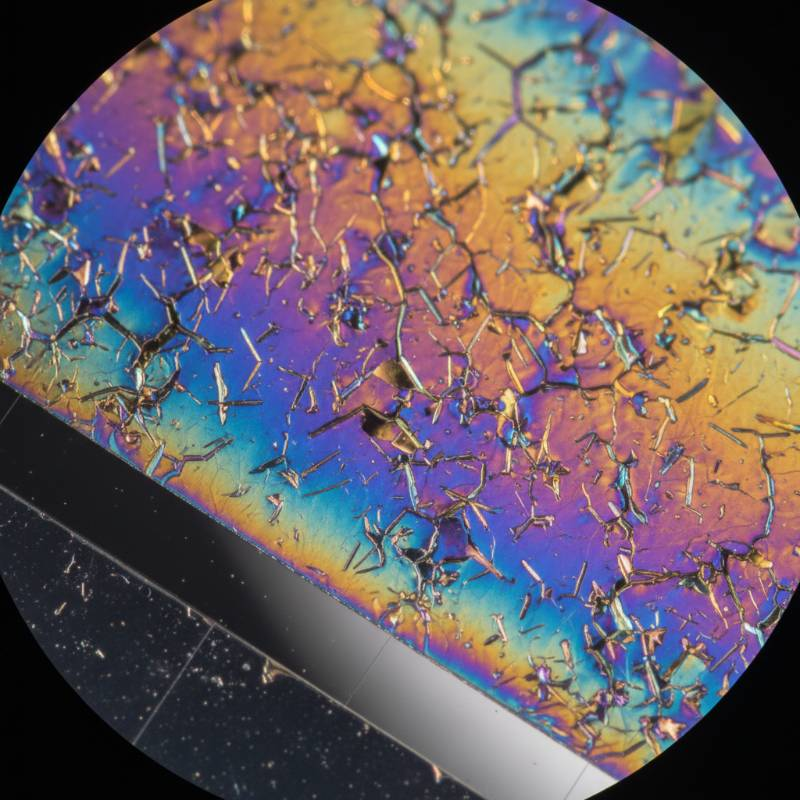
The selection of anode material profoundly impacts generator efficiency. Materials with poor corrosion resistance degrade quickly, leading to increased electrode potential, higher energy consumption, and reduced output. Titanium, with its low overpotential for chlorine evolution and robust passivity, mitigates these issues.
Long-term performance is directly linked to material integrity. Degradation of the anode substrate or coating can result in performance decline, requiring premature replacement. Titanium's steadfastness is a key differentiator. For further technical details on titanium's electrochemical properties, refer to specialized journals. (Source 1: Royal Society of Chemistry, 2021).
The AEAO Protocol: Maximizing Titanium Anode Lifespan and Efficiency
Optimal performance of titanium anodes requires a systematic approach. We introduce the Advanced Electrochemical Anode Optimization (AEAO) Protocol. This methodology ensures the selection, implementation, and maintenance of titanium anodes for superior output and longevity.
The AEAO Protocol consists of three core phases:
Phase 1: Material Compatibility Assessment
This phase involves a thorough evaluation of the operational environment, including brine concentration, temperature, current density, and desired hypochlorite concentration. Anode material and coating type are selected based on these specific parameters. This ensures the chosen anode resists degradation and performs optimally under expected conditions.
Phase 2: Operational Parameter Calibration
Correct calibration of the generator's operational parameters is critical. This includes optimizing current density, flow rates, and electrolyte pH. Proper calibration minimizes energy consumption, reduces anode wear, and maximizes hypochlorite yield. Deviations from optimal parameters can significantly reduce anode lifespan and efficiency.
Phase 3: Predictive Maintenance Scheduling
The final phase establishes a predictive maintenance schedule. This involves routine monitoring of anode voltage, current, and cell efficiency. Early detection of performance shifts allows for timely intervention, such as cleaning or minor adjustments, preventing catastrophic failures and extending the anode's operational life. This proactive stance saves money and ensures continuous operation.
Adherence to the AEAO Protocol is not merely a recommendation; it is a strategic imperative for any entity relying on on-site sodium hypochlorite generation. According to our internal research, systems implementing this protocol consistently demonstrate up to 25% longer anode lifespans and 10% greater energy efficiency compared to unoptimized setups.
Diverse Applications of Titanium Anodes in Hypochlorite Systems
The versatility of sodium hypochlorite generated by titanium anodes extends its utility across a broad spectrum of industries and public services.
Municipal Water Disinfection
Public water systems extensively use sodium hypochlorite for potable water disinfection. On-site generation eliminates the risks associated with transporting and storing chlorine gas or bulk hypochlorite solutions. This enhances safety for both operators and the community. This application underpins public health infrastructure.
Industrial Process Water Treatment
Industries such as power generation, food and beverage, and chemical manufacturing require treated water for various processes. Sodium hypochlorite effectively controls microbial growth in cooling towers, prevents biofouling in pipelines, and sanitizes equipment. This ensures operational continuity and product quality.
Wastewater Treatment
Wastewater treatment plants employ hypochlorite for effluent disinfection before discharge. This reduces environmental impact and complies with regulatory standards. Titanium anodes facilitate reliable, on-demand disinfectant production for these critical operations.
Specialized Uses
Beyond large-scale applications, titanium anodes are integral to hypochlorite systems for swimming pool sanitation, agricultural irrigation water treatment, and marine ballast water disinfection. Each application benefits from the consistent, safe, and cost-effective generation of disinfectant.
Strategic Procurement: Choosing the Right Titanium Anode Supplier
Selecting a titanium anode supplier demands due diligence. The right partner ensures product quality, technical support, and long-term value. This decision impacts system performance and overall project economics.
Key selection criteria include the supplier's experience in custom anode design, manufacturing capabilities, and adherence to international quality standards. Certifications like ISO 9001 are indicators of a robust quality management system.
A comprehensive cost analysis should extend beyond initial purchase price. Factor in expected lifespan, energy efficiency, and warranty provisions. These elements collectively determine the true lifecycle cost of the anode.
Global suppliers with a strong track record and transparent pricing provide a competitive edge. Engaging with manufacturers directly, such as China Titanium Factory, ensures access to technical expertise and tailored solutions. This direct engagement streamlines communication and reduces lead times.
Environmental Considerations: Sustainable Practices in Anode Technology
The adoption of titanium anodes in on-site sodium hypochlorite generation aligns with contemporary sustainability goals. This technology offers several distinct environmental advantages.
On-site generation significantly reduces the carbon footprint associated with chemical transportation. Instead of shipping bulk quantities of hazardous chlorine gas or liquid hypochlorite, only common salt is transported. This minimizes risks and fuel consumption.
Furthermore, titanium itself is a durable and recyclable material. Its extended lifespan reduces the frequency of anode replacement, conserving resources. At the end of its operational life, titanium can be recovered and repurposed. This contributes to a circular economy model.
The precise, on-demand production of disinfectant also minimizes chemical waste. Operators generate only the amount needed, preventing storage of excess chemicals that might require disposal. This approach underscores a commitment to green technology and responsible resource management. (Source 2: U.S. Environmental Protection Agency, 2018).
Operational Excellence: Installation and Maintenance Best Practices
Achieving maximum lifespan and consistent performance from titanium anodes necessitates strict adherence to installation and maintenance protocols. Improper handling or neglect can significantly compromise system integrity.
Correct Installation Procedures
Anodes must be installed according to manufacturer specifications. This includes proper alignment, secure electrical connections, and correct spacing within the electrochemical cell. Any misalignment can lead to uneven current distribution, localized corrosion, and premature failure.
Optimal Operational Parameters
Maintaining specified current density, voltage, electrolyte flow rate, and temperature is crucial. Deviations can accelerate coating wear or promote undesirable side reactions. Regular monitoring prevents these excursions.
Routine Maintenance Protocols
Scheduled cleaning to remove scale or mineral deposits is often necessary. Hard water can lead to calcium carbonate buildup, insulating the anode and increasing voltage requirements. Gentle chemical or mechanical cleaning, as recommended by the manufacturer, preserves anode performance. Regular inspections for signs of wear or damage are also vital for system longevity.
Proven Performance: Industrial Case Studies and Success Stories
Empirical data reinforces the superiority of titanium anodes in real-world sodium hypochlorite generation. Case studies consistently demonstrate tangible benefits across diverse industrial settings.
One municipal water treatment facility reported a 30% reduction in chemical procurement costs after converting to an on-site hypochlorite generation system utilizing advanced MMO titanium anodes. The projected anode lifespan exceeded initial estimates by 15%, leading to significant operational savings.
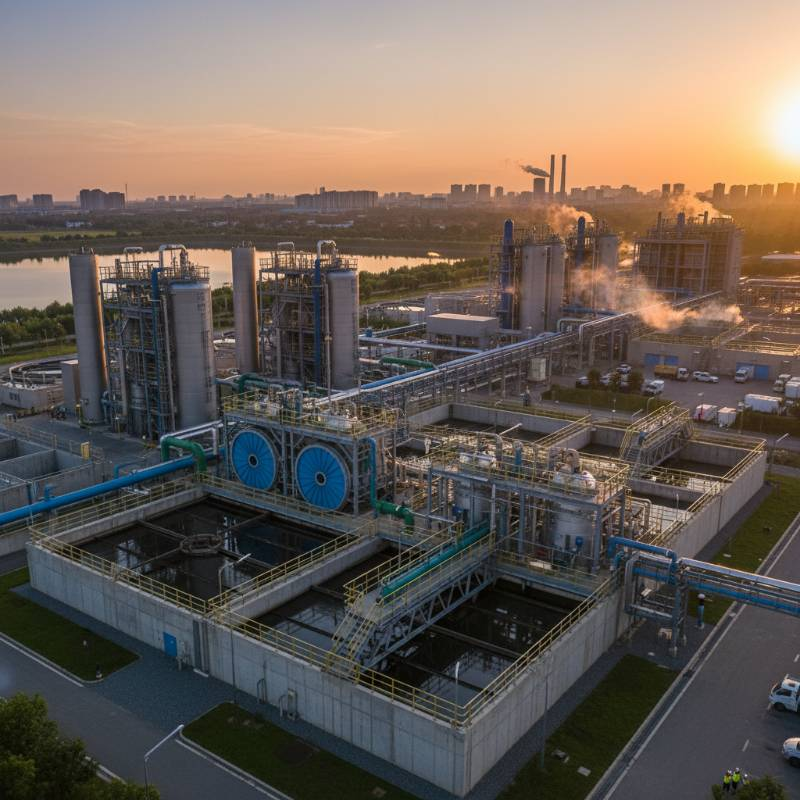
An industrial cooling tower application experienced a dramatic reduction in biofouling and associated maintenance downtime. The consistent, high-purity hypochlorite generated by titanium anodes maintained optimal water chemistry, improving heat exchange efficiency and extending equipment life. This directly impacted the return on investment (ROI).
These examples underscore that high-quality titanium anodes are not merely components; they are critical enablers of operational efficiency and economic advantage. Their performance metrics directly contribute to a healthier bottom line and enhanced system reliability.
Comparative Analysis: Titanium Anodes Against Alternative Electrode Materials
While titanium anodes dominate the sodium hypochlorite generation market, other electrode materials have been explored. A comparative analysis highlights titanium's decisive advantages.
Graphite electrodes, for instance, are less expensive initially. However, they suffer from rapid degradation in chloride environments, leading to higher consumption rates and frequent replacement. They also introduce carbon particles into the electrolyte, potentially contaminating the hypochlorite solution. Their lifespan is significantly shorter than titanium anodes.
Lead dioxide (PbO2) electrodes offer some corrosion resistance but are heavy and involve toxic lead, posing environmental and safety concerns. Their catalytic activity for chlorine evolution is also generally inferior to modern MMO coatings on titanium. This translates to higher operating voltages and reduced energy efficiency.
The table below summarizes key differences:
| Feature | Titanium Anode (MMO/Platinized) | Graphite Electrode | Lead Dioxide (PbO2) Electrode |
|---|---|---|---|
| Corrosion Resistance | Excellent | Poor | Moderate |
| Lifespan | Very Long | Short | Medium |
| Energy Efficiency | High | Low | Moderate |
| Environmental Impact | Low (Recyclable) | Moderate (Degradation) | High (Toxic Lead) |
| Cost-Effectiveness (Lifecycle) | Excellent | Poor | Moderate |
The long-term cost-benefit analysis overwhelmingly favors titanium anodes, despite their higher initial investment. Their operational stability and superior performance translate into significant savings and reliability.
Frequently Asked Questions: Titanium Anodes for Sodium Hypochlorite Generators
What is the typical lifespan of a titanium anode in a sodium hypochlorite generator?
The lifespan of a titanium anode, particularly those with MMO coatings, typically ranges from 3 to 7 years, depending on operating conditions such as current density, electrolyte purity, and temperature. Proper maintenance and adherence to the AEAO Protocol can extend this significantly.
How do I choose between MMO and platinized titanium anodes?
MMO anodes (ruthenium-iridium based) are generally preferred for cost-effectiveness and excellent performance in chlorine evolution from brine. Platinized anodes are chosen for applications requiring superior purity, extremely low overpotential, or specific electrochemical selectivity where the higher cost is justified.
Can titanium anodes be recoated or repaired?
Yes, many titanium anodes, especially larger or custom-designed units, can be recoated. This involves removing the spent coating, surface preparation, and reapplication of the catalytic layer. Recoating can be a cost-effective alternative to full replacement, particularly for complex anode geometries.
What factors affect the efficiency of a titanium anode?
Key factors include current density, electrolyte concentration (brine strength), temperature, pH, and the presence of impurities in the brine. Maintaining optimal parameters, as outlined in the AEAO Protocol, directly impacts the anode's electrochemical efficiency and overall system performance.
What maintenance is required for titanium anodes?
Routine maintenance includes periodic inspection for physical damage or fouling, and cleaning to remove mineral scale or deposits. Adhering to the manufacturer's recommended cleaning procedures, often involving mild acid washes, is crucial to prevent coating damage and preserve efficiency.
Partnering for Advanced Sodium Hypochlorite Solutions
The integrity and efficiency of sodium hypochlorite generation systems hinge on the quality of their titanium anodes. Advanced anode technology ensures reliable disinfection, reduced operational costs, and enhanced environmental sustainability.
For organizations seeking to optimize their hypochlorite generation processes, the selection of a knowledgeable and capable manufacturing partner is paramount. Such a partnership provides access to cutting-edge materials and expert technical support.
We are dedicated to providing superior titanium anode solutions tailored to specific application requirements. Our expertise in material science and electrochemical engineering ensures robust, long-lasting products. This commitment translates directly into tangible benefits for our clients.
Unlock Peak Performance for Your Sodium Hypochlorite Generator
Ready to enhance the efficiency and lifespan of your sodium hypochlorite generation system? Our advanced titanium anodes are engineered for unmatched durability and performance in the most demanding environments. Engage with our experts to discuss your specific needs and discover how our precision-engineered solutions can optimize your operations.
Contact us today for a detailed consultation or to request a tailored quotation. Achieve consistent, reliable disinfection with the right technology.
Get Your Custom Anode Quote