























Your water heater is a vital home appliance. Its longevity often depends on a small, yet crucial, component: the anode rod. This guide equips homeowners, DIY enthusiasts, and property managers.
It provides the knowledge to identify critical signs that indicate your water heater's anode rod needs attention. This ensures optimal performance and extends the life of your unit.
The Unsung Hero: What is a Water Heater Anode Rod?
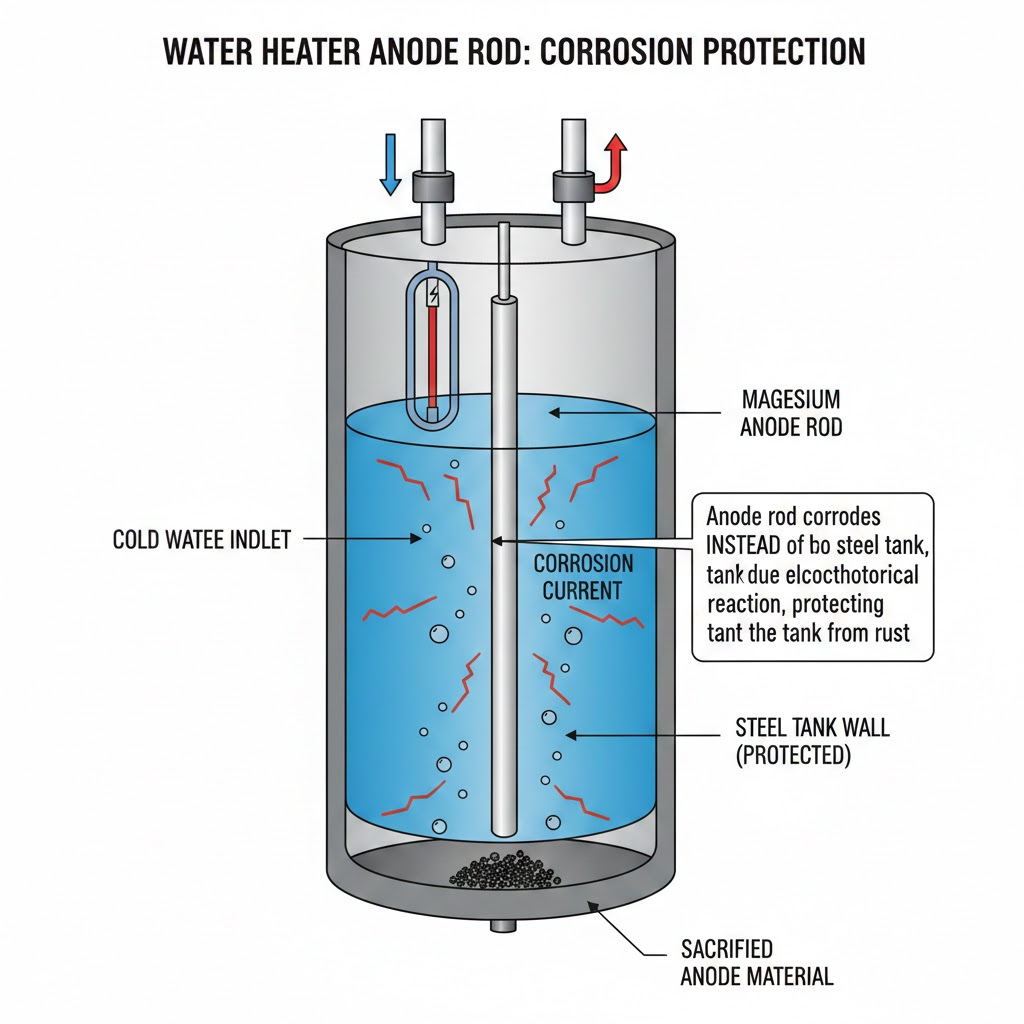
The anode rod is a critical component inside your water heater tank. It actively protects the tank lining from corrosion. This small but mighty rod is often called a "sacrificial anode."
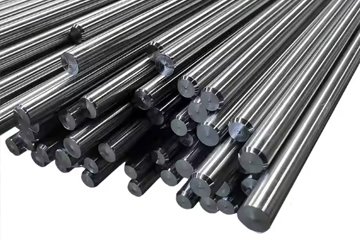
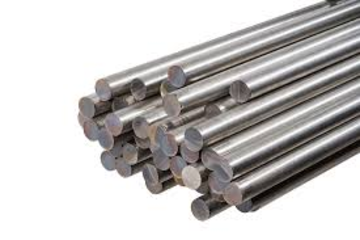
It works through a process known as galvanic corrosion. The anode rod, typically made of magnesium, aluminum, or zinc, is more electrically active than the steel tank. Water acts as an electrolyte.
The anode rod corrodes first, sacrificing itself to protect the tank. This engineering marvel significantly extends the lifespan of your water heater.
Galvanic Corrosion: An electrochemical process where two dissimilar metals are immersed in an electrolyte, leading to the preferential corrosion of the more active (anodic) metal.
Understanding such material interactions is key to preventing wear. Experts in advanced metal solutions, like those at China Titanium Factory, apply similar principles to ensure product longevity even in challenging environments.
Key Indicators: Recognizing a Failing Anode Rod
Identifying early warning signs of a deteriorating anode rod is crucial. Timely intervention can prevent costly damage to your water heater. Here are the most common indicators.
The Distinctive Odor: Why Your Hot Water Smells Like Rotten Eggs
A sulfurous, rotten egg smell from your hot water is a classic sign. This often occurs when the anode rod, especially a magnesium one, reacts with sulfate-reducing bacteria in your water supply.
The reaction produces hydrogen sulfide gas. This gas is responsible for the unpleasant odor. It indicates the anode rod is actively corroding and may need replacement.
For more insights into water quality and its impact on appliances, refer to resources from the U.S. Environmental Protection Agency (EPA).
Rusty or Discolored Hot Water: A Visible Warning
If your hot water appears rusty or discolored, it's a serious indicator. This means the anode rod is likely depleted. The tank's steel interior is now exposed and corroding.
Initially, you might notice orange or brown water. This rust can stain fixtures and laundry. Addressing this promptly prevents further tank deterioration.

Reduced Hot Water Efficiency or Pressure: Performance Decline
While not a direct sign, a failing anode rod can contribute to these issues. Over time, sediment can accumulate at the bottom of the tank. This reduces heating efficiency.
A corroded anode rod can break apart, adding to this sediment. This buildup can also restrict water flow. The result is reduced hot water pressure or longer heating times.
Unusual Noises: The Sounds of Deterioration
Water heaters often make sounds. However, increased popping, rumbling, or banging can signal sediment buildup. A depleted anode rod can exacerbate this issue.
These noises occur as heating elements struggle to heat water through layers of sediment. The sediment can also trap steam, causing explosive bursts. This indicates a need for inspection and flushing.
Visible Corrosion Around Your Water Heater Connections
External corrosion around fittings or connections is a secondary indicator. While often from leaks, it can hint at internal issues. These include anode rod failure leading to overall tank compromise.
Any visible rust or leaks should prompt an immediate inspection. This prevents potential water damage and ensures safe operation.
The Science of Sacrifice: Why Anode Rods Deteriorate
Anode rods are designed to deteriorate. Their lifespan depends on several factors. Water chemistry plays a significant role.
Hard water, rich in minerals, can accelerate corrosion. High levels of chlorine or other dissolved solids also speed up the process. Water usage patterns affect wear too.
A heavily used water heater requires its anode rod to work harder. The inherent galvanic process ensures the anode rod sacrifices itself. This protects the steel tank from rust.
Typical anode rods last between three to five years. Regular inspection helps determine their remaining protective capacity.
Selecting the Right Protector: Types of Anode Rods Explained
Choosing the correct anode rod is vital for effective corrosion prevention. Different materials suit different water conditions. Understanding these options is key.
Magnesium rods offer excellent protection, especially in soft water. Aluminum rods are a good all-around choice. They perform well in moderately hard water.
Aluminum/zinc alloy rods are effective against rotten egg smells. They are suitable for water with high sulfate content. Powered anode rods offer a long-term, low-maintenance solution.
They use an external power source to prevent corrosion. These are ideal for challenging water conditions or for extended protection.
Powered Anode Rod: An electronic device that uses a low-voltage electrical current to provide continuous cathodic protection to the water heater tank, eliminating the need for periodic replacement.
For specialized applications requiring extreme corrosion resistance, materials like titanium are invaluable. China Titanium Factory offers global leadership in custom titanium fabrication, providing reliable solutions for demanding industrial needs.
Consider this comparison:
| Type of Anode Rod | Best For | Pros | Cons |
|---|---|---|---|
| Magnesium | Soft water, general protection | Most active, best protection | Faster depletion, can react with sulfates (smell) |
| Aluminum | Moderately hard water | Good balance of protection and lifespan | Less active than magnesium, can cause sediment |
| Aluminum/Zinc | Hard water, sulfur smell | Helps reduce sulfur odor | Less active than magnesium, zinc content varies |
| Powered | All water types, long-term solution | Longest lifespan, no smell issues, constant protection | Higher upfront cost, requires electrical outlet |
Proactive Maintenance: Inspecting and Replacing Your Anode Rod
Empower yourself with actionable steps for water heater maintenance. This includes inspecting and replacing your anode rod. Safety protocols are paramount.
Determine when a DIY approach is feasible. Also know when professional expertise is essential. This ensures both safety and correct installation.
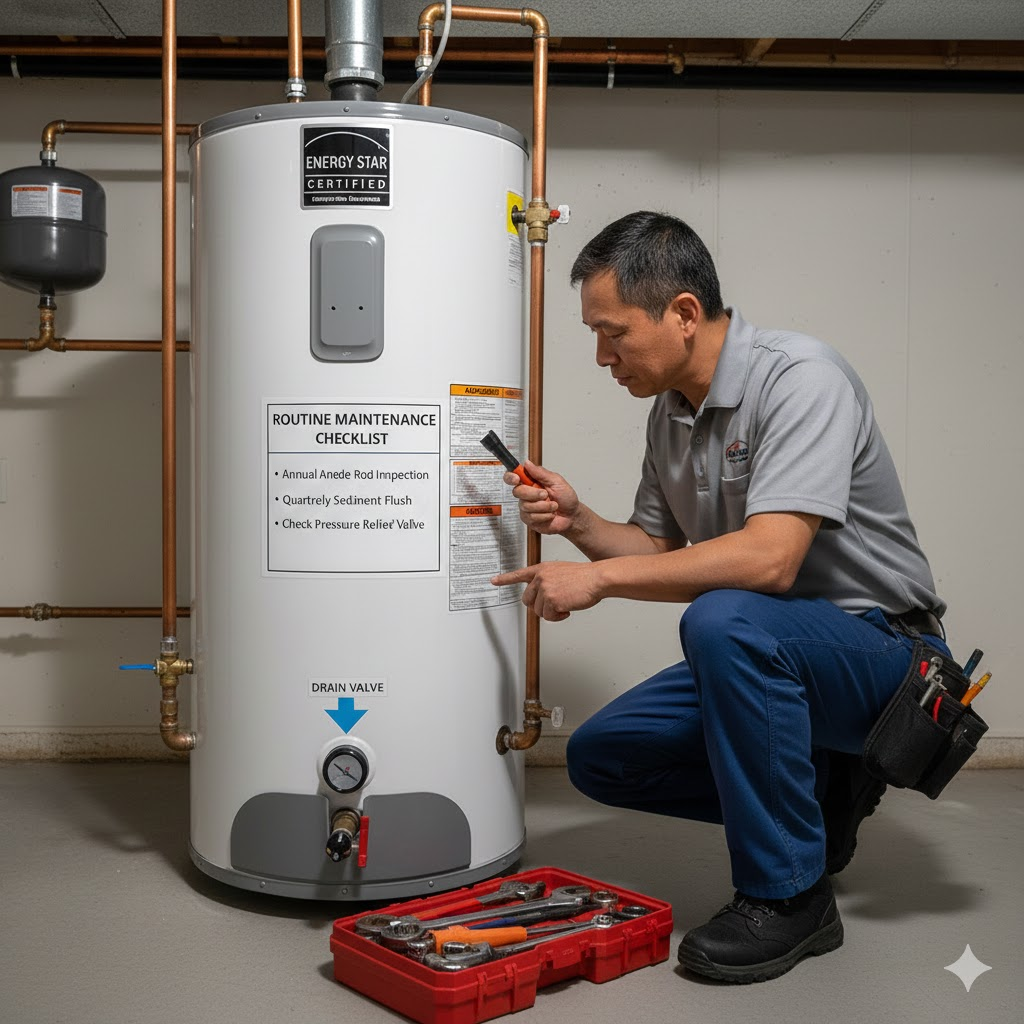
Safety First: Essential Precautions Before You Begin
Before any work, prioritize safety. Turn off the water heater's power supply (gas or electric). Shut off the cold water supply valve to the unit.
Drain some water from the tank to relieve pressure. This prevents scalding and flooding. Always wear appropriate safety gear, including gloves and eye protection.
A Step-by-Step Guide to Anode Rod Inspection
Locate the anode rod, usually on top of the water heater. It may be under a plastic cap or integrated with the hot water outlet.
Use a socket wrench to remove it. Carefully pull the rod out. Inspect it for pitting, thinning, or excessive corrosion.
If more than 6 inches of the core wire are exposed, replacement is necessary. Reinstall or replace, ensuring a tight, leak-free seal.
DIY vs. Professional: Making the Right Replacement Decision
DIY anode rod replacement is possible for experienced homeowners. It requires basic plumbing tools and careful adherence to safety.
However, if you are unsure, lack tools, or encounter difficulties, hiring a certified professional is best. They ensure correct installation and identify other potential issues.
For complex custom fabrication or industrial maintenance, professional expertise is always recommended. This guarantees reliable outcomes.
Understanding the Investment: Anode Rod Replacement Costs
The cost of an anode rod varies by type, typically $30-$100. Professional installation adds labor costs, ranging from $100-$300.
This investment is small compared to replacing an entire water heater. Neglecting the anode rod can lead to premature tank failure. This results in significantly higher expenses.
Extending Longevity: Comprehensive Water Heater Care
Beyond anode rod replacement, a holistic approach to water heater maintenance is key. Regular tank flushing removes sediment. This improves efficiency and prevents damage.
Consider water quality testing. This helps you understand your water's impact on appliances. A water softener can mitigate hard water effects, further prolonging life.
These preventative measures significantly extend your unit's operational life. They also maintain its efficiency. Regular check-ups are always a wise decision.

The Broader Impact: Efficiency, Environment, and Your Wallet
A neglected anode rod has significant implications. It impacts not only your water heater's health. It also affects your energy bills and environmental footprint.
An inefficient water heater uses more energy. This increases utility costs. Premature replacement of units generates more waste. This contributes to environmental burden.
Proper maintenance contributes to greater energy efficiency. It reduces waste. It aligns with sustainable home practices. This saves you money in the long run.
For more information on energy-efficient appliance maintenance, consult resources from the U.S. Department of Energy.
Frequently Asked Questions About Water Heater Anode Rods
Here are quick, authoritative answers to common questions about water heater anode rods. These will help clarify doubts and reinforce best practices.
How often should I inspect or replace my water heater's anode rod?
It is recommended to inspect your anode rod every 1-2 years. Replacement is typically needed every 3-5 years. This depends on water quality and usage.
Harder water or heavy usage may require more frequent checks. Softer water might allow for slightly longer intervals.
Can I operate my water heater without an anode rod?
Operating a water heater without an anode rod is highly discouraged. The tank's interior will quickly corrode. This leads to premature tank failure and leaks.
The anode rod is the primary defense against rust. Removing it drastically shortens your water heater's lifespan. This will lead to costly repairs or replacement.
What happens if I don't replace a failing anode rod?
Neglecting a failing anode rod leads to severe consequences. The water heater tank will begin to rust. This contaminates your hot water with sediment and rust particles.
Ultimately, the tank will corrode through. This causes leaks and necessitates full water heater replacement. This is a significantly more expensive outcome.
Ensuring Longevity: The Simple Act of Anode Rod Maintenance
Proactive anode rod maintenance is profoundly important. It is a simple act with significant returns. It protects your water heater, ensuring consistent hot water.
It also helps you avoid costly future repairs. This commitment to reliable home solutions reflects a broader dedication to quality and durability.
Just as China Titanium Factory is a global leader in providing robust, long-lasting titanium products, your home appliances also benefit from expert care and high-quality components.
By understanding and addressing the signs of a failing anode rod, you safeguard your investment. You ensure comfort and efficiency for years to come.