Ru-Ir coatings excel in neutral to alkaline solutions, primarily for chlorine evolution and chlor-alkali processes, offering high activity and cost-effectiveness for specific applications.
Ir-Ta coatings demonstrate superior stability and activity in highly acidic environments, making them ideal for oxygen evolution reactions (OER) in PEM electrolyzers and harsh chemical synthesis.
The primary difference lies in their electrochemical performance and corrosion resistance across varying pH conditions, dictating their suitability for different industrial applications.
Cost considerations extend beyond initial investment to include operational efficiency and long-term durability, influencing the total cost of ownership for each coating type.
Selecting the appropriate coating requires a detailed analysis of the specific electrochemical reaction, operating environment, and desired electrode lifespan.
The Critical Choice: Understanding Advanced Electrochemical Coatings
Direct Comparison: Unpacking the Differences Between Ru-Ir and Ir-Ta Coatings
Key Applications and Industry Use Cases for Each Coating Type
Cost Analysis: Initial Investment Versus Long-Term Operational Value
Choosing the Right Coating: A Practical Decision-Making Framework
Environmental Impact and Sustainability Aspects of Ru-Ir and Ir-Ta Coatings
Maintenance, Troubleshooting, and Best Practices for Optimal Performance
Future Trends and Innovations in Electrochemical Coating Technology
Conclusion: Making an Informed Choice for Your Electrochemical Needs
Advanced electrochemical coatings play a pivotal role in optimizing numerous industrial processes, from chemical production to energy conversion. These specialized materials enhance electrode performance, extending lifespan and improving efficiency in demanding environments. The choice of coating directly impacts process economics and environmental footprint. Among the various options, Ruthenium-Iridium (Ru-Ir) and Iridium-Tantalum (Ir-Ta) coatings stand out as two prominent classes for diverse applications. Understanding what is the difference between Ru-Ir and Ir-Ta coating is fundamental for engineers and researchers in materials science and electrochemistry. This guide provides a detailed comparison to facilitate informed decision-making for specific electrochemical needs.
Ruthenium-Iridium (Ru-Ir) coatings are a type of Mixed Metal Oxide (MMO) coating primarily composed of ruthenium dioxide (RuO2) and iridium dioxide (IrO2). These coatings are typically applied to a titanium substrate through thermal decomposition or electrodeposition processes. The precise ratio of Ru to Ir can be adjusted to optimize performance for specific reactions. Historically, Ru-Ir coatings emerged as an improvement over earlier platinum-group metal electrodes, offering enhanced catalytic activity and durability. They are particularly renowned for their high activity towards the chlorine evolution reaction (CER). This makes them a cornerstone in the chlor-alkali industry. Their primary characteristics include excellent electrocatalytic activity, good electrical conductivity, and reasonable stability in neutral to alkaline environments. However, their performance can degrade in highly acidic conditions due to the dissolution of ruthenium oxide. For more information on specialized coatings, resources like Chinatitaniumfactory.com offer detailed guides on custom anode solutions.
Iridium-Tantalum (Ir-Ta) coatings consist of iridium dioxide (IrO2) and tantalum pentoxide (Ta2O5) applied to a titanium substrate. Similar to Ru-Ir, they are often fabricated using thermal decomposition, allowing for precise control over the oxide layer structure and composition. Tantalum acts as a stabilizer, improving the coating's structural integrity and corrosion resistance. The distinct advantage of Ir-Ta coatings lies in their superior stability and performance in aggressive, highly acidic environments. This makes them exceptionally well-suited for the oxygen evolution reaction (OER), which is prevalent in proton exchange membrane (PEM) electrolyzers for green hydrogen production. Their robust nature allows them to withstand corrosive conditions where other MMO coatings might rapidly degrade. This resilience ensures a longer operational lifespan and consistent performance, even under high current densities and low pH levels.
The incorporation of tantalum in Ir-Ta coatings significantly enhances the coating's resistance to dissolution in strongly acidic media, a critical factor for applications such as PEM water electrolysis. This protective effect is due to the formation of a stable tantalum oxide matrix that supports the active iridium oxide, preventing its rapid degradation under harsh conditions.
Understanding the fundamental distinctions between Ru-Ir and Ir-Ta coatings is essential for optimal electrode selection. Their performance characteristics vary significantly based on the operating environment and the specific electrochemical reaction. A direct comparison highlights their respective strengths and limitations. The primary difference often revolves around their stability in different pH ranges and their catalytic activity for specific reactions. Ru-Ir typically excels in neutral to alkaline conditions for chlorine evolution, while Ir-Ta is the preferred choice for oxygen evolution in acidic media.
For detailed specifications on various anode coatings and their applications, explore the resources available at Chinatitaniumfactory.com's titanium anodes section.
The selection of Ru-Ir or Ir-Ta coatings is highly dependent on the specific industrial process and its operating conditions. Each coating type has carved out niches where its unique properties are best utilized. Misapplication can lead to premature electrode failure and inefficient operations.
Ru-Ir Coating Applications:
Chlor-Alkali Industry: These coatings are indispensable for the production of chlorine gas, caustic soda (NaOH), and hydrogen gas through the electrolysis of brine solutions. Their high activity for CER at near-neutral pH is critical.
Water Treatment: Used in electrochlorination systems for disinfection, producing hypochlorite from saltwater or brine.
Electrolytic Production of Chlorates/Perchlorates: Involves electrochemical oxidation in neutral to alkaline solutions.
Ir-Ta Coating Applications:
PEM Water Electrolysis: Crucial for efficient and stable oxygen evolution in highly acidic proton exchange membrane (PEM) electrolyzers, a key technology for green hydrogen production.
Electro-synthesis in Acidic Media: Employed in various chemical synthesis processes requiring robust OER catalysts under corrosive acidic conditions.
Electrowinning of Metals: Where metal recovery from acidic leach solutions involves oxygen evolution at the anode.
Evaluating electrochemical coatings involves several critical performance metrics that dictate their suitability and longevity. Overpotential, current density, and long-term stability are paramount. These factors directly influence energy consumption and operational costs.
Overpotential: This refers to the extra voltage required to drive an electrochemical reaction beyond its thermodynamic potential. Lower overpotential signifies higher energy efficiency. Ir-Ta coatings typically exhibit low overpotential for OER in acidic media, while Ru-Ir coatings show excellent performance for CER.
Current Density: The amount of current passed per unit area of the electrode. Coatings must maintain stability and activity at desired current densities, which can range from moderate to very high in industrial applications.
Long-Term Stability: The ability of the coating to resist degradation over extended periods of operation. This is influenced by factors such as substrate corrosion, coating dissolution, and mechanical erosion.
Degradation mechanisms for Ru-Ir coatings often involve the dissolution of ruthenium oxide, especially in highly acidic environments or under anodic polarization. Conversely, Ir-Ta coatings are engineered to resist such dissolution, offering superior stability in harsh acidic conditions. Researchers at institutions like the National Renewable Energy Laboratory (NREL) continually investigate these aspects to enhance electrode lifespan.
The economic viability of using Ru-Ir or Ir-Ta coatings extends beyond their initial purchase price. A comprehensive cost analysis must consider both upfront investment and long-term operational expenses. Precious metals like ruthenium and iridium contribute significantly to the initial material cost. Manufacturing processes, including substrate preparation and coating application, also factor into the initial investment. However, these costs are often offset by the operational benefits. High energy efficiency, characterized by lower overpotential, directly translates to reduced electricity consumption over the electrode's lifespan. The durability and extended lifespan of the chosen coating minimize the frequency of electrode replacement and associated downtime. This can lead to substantial savings in maintenance and labor costs, ultimately improving the return on investment (ROI). For a detailed consultation on cost-effective coating solutions tailored to specific project needs, contacting experts at Chinatitaniumfactory.com is recommended.
Selecting the optimal electrochemical coating requires a systematic approach, considering various technical and economic factors. A practical decision-making framework can guide engineers and project managers through this complex process. This framework helps align coating properties with specific application demands. Key criteria should include the operating environment, desired reaction, and anticipated operational lifespan. Each factor plays a crucial role in determining the most suitable and cost-effective coating solution.

Identify the Primary Electrochemical Reaction: Is it chlorine evolution (CER), oxygen evolution (OER), or another process? This immediately narrows down options based on catalytic activity.
Determine the Operating pH and Temperature: Highly acidic or alkaline conditions will strongly favor one coating over the other due to stability differences.
Assess Current Density Requirements: High current densities demand coatings with robust adhesion and excellent conductivity to prevent rapid degradation.
Consider Desired Lifespan and Durability: For long-term, continuous operations in harsh environments, coatings with superior corrosion resistance are preferable, even if they have a higher initial cost.
Evaluate Budget and Total Cost of Ownership: Balance initial investment with projected energy savings, maintenance, and replacement costs over the electrode's lifetime.
For novel electrochemical processes or highly specific operating conditions, experimental validation is often invaluable. Bench-scale testing can provide critical data on coating performance and degradation rates under actual process parameters, complementing theoretical and literature-based selections.
The environmental footprint of electrochemical coatings is a growing concern, particularly due to the reliance on precious metals. Both ruthenium and iridium are rare and expensive elements, necessitating careful consideration of their sourcing, use, and potential for recycling. Sustainable practices are becoming increasingly important in the materials science sector. Manufacturing processes for these coatings can also have environmental implications, including energy consumption and waste generation. Efforts are focused on developing more efficient and cleaner coating techniques to minimize these impacts. The long-term durability of these coatings contributes to sustainability by extending the lifespan of electrodes, thereby reducing the need for frequent replacement and the associated resource consumption. Responsible sourcing and the implementation of effective recycling programs for spent electrodes are crucial for mitigating the environmental impact of precious metal-based coatings. Organizations like the American Chemical Society's Green Chemistry Institute advocate for such sustainable approaches.
To ensure the longevity and optimal performance of Ru-Ir and Ir-Ta coated electrodes, adherence to best practices in maintenance and operation is critical. Even the most robust coatings can degrade prematurely if not properly managed. Regular monitoring and timely intervention can prevent significant operational issues.
Regular Inspection: Periodically inspect electrodes for signs of physical damage, pitting, or coating delamination. Early detection can prevent widespread failure.
Maintain Optimal Operating Conditions: Strictly adhere to recommended pH, temperature, and current density ranges. Deviations can accelerate coating degradation.
Prevent Fouling: Implement strategies to minimize the accumulation of impurities or precipitates on the electrode surface, which can lead to passivation and reduced activity.
Proper Shutdown Procedures: Follow guidelines for shutting down and restarting electrochemical cells to avoid thermal or electrochemical shock to the coatings.
Troubleshooting often involves analyzing voltage fluctuations, current efficiency drops, or changes in product purity. These indicators can signal issues such as coating wear, substrate corrosion, or electrolyte contamination. Consulting expert guidance, such as that provided by Chinatitaniumfactory.com's blog, can offer solutions to common electrode performance challenges.
The field of electrochemical coating technology is dynamic, with continuous research and development aimed at improving performance, reducing costs, and enhancing sustainability. Future trends point towards novel material compositions, advanced manufacturing techniques, and expanded application areas. Innovations are driven by the demand for more efficient and environmentally friendly industrial processes.
Nanostructured Coatings: Development of coatings with nanometer-scale features to increase active surface area and improve catalytic activity.
Ternary and Quaternary Alloys: Exploration of more complex mixed metal oxides to fine-tune catalytic properties and stability for specific reactions.
Additive Manufacturing: Utilizing techniques like 3D printing to create electrodes with intricate geometries and optimized mass transport characteristics.
Precious Metal Reduction: Research into strategies to minimize the loading of expensive precious metals while maintaining or improving performance, including the use of non-precious metal co-catalysts.
These advancements promise to further refine the capabilities of Ru-Ir and Ir-Ta type coatings, as well as introduce entirely new classes of electrode materials. The drive towards green hydrogen production and electrochemical CO2 conversion will particularly fuel innovation in OER and HER (hydrogen evolution reaction) catalysts. For further insights into cutting-edge research, scientific journals like Catalysis Science & Technology frequently publish relevant studies.

The distinction between Ru-Ir and Ir-Ta coatings is not merely academic; it represents a critical choice with significant implications for industrial efficiency, cost-effectiveness, and environmental sustainability. Each coating offers distinct advantages tailored to specific electrochemical environments and reactions. The key to successful application lies in a thorough understanding of their inherent properties. Ru-Ir coatings are generally the preferred solution for chlorine evolution in neutral to alkaline media, providing high catalytic activity and stability in these conditions. Conversely, Ir-Ta coatings are engineered for superior robustness and activity in highly acidic environments, making them ideal for oxygen evolution reactions such as those found in PEM electrolyzers. Ultimately, the answer to what is the difference between Ru-Ir and Ir-Ta coating dictates their optimal deployment. A meticulous evaluation of operating parameters, desired performance metrics, and long-term economic factors is essential for selecting the coating that best aligns with project goals and ensures operational success. For tailored electrochemical solutions, consider reaching out to the experts at Chinatitaniumfactory.com.
Ru-Ir coatings exhibit high electrocatalytic activity and stability for the chlorine evolution reaction (CER) in neutral to alkaline brine solutions, which are typical conditions in the chlor-alkali industry. Their composition, often a mixed metal oxide of ruthenium and iridium, is optimized for this specific reaction, leading to efficient chlorine gas production.
PEM water electrolysis operates in highly acidic environments where the oxygen evolution reaction (OER) occurs. Ir-Ta coatings offer exceptional stability and resistance to corrosion in these harsh acidic conditions, largely due to the stabilizing effect of tantalum oxide. This ensures a durable and efficient anode for continuous hydrogen production.
While Ru-Ir coatings can function in mildly acidic conditions, their performance and lifespan are significantly reduced in highly acidic environments. The ruthenium oxide component of the coating can dissolve under strong acidic anodic polarization, leading to rapid degradation and loss of activity. For highly acidic applications, Ir-Ta coatings are generally a more robust choice.
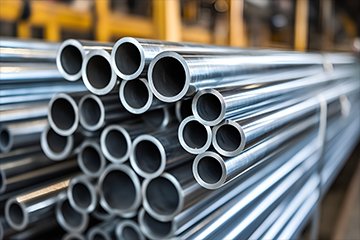
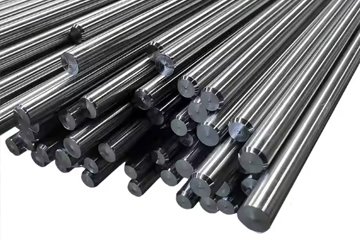
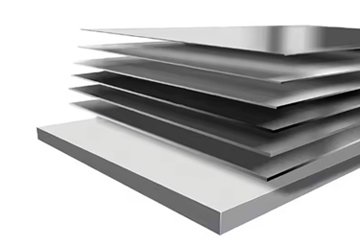
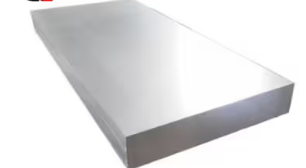
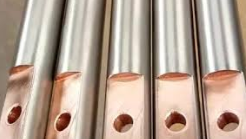
The titanium substrate provides mechanical strength, electrical conductivity, and corrosion resistance for the overall electrode. It acts as a stable base onto which the active Ru-Ir or Ir-Ta coating is applied. The titanium itself forms a passive oxide layer, preventing further corrosion and ensuring good adhesion of the precious metal oxide coating.
Struggling with electrode performance or seeking the ideal coating for your industrial application? Consult with experts to find the perfect Ru-Ir or Ir-Ta solution designed for efficiency and durability.
Request a Consultation


Contact Us
Room 21003, 10th Floor, Unit 2, Building 1, Xianning International Plaza, No.29 Xianning West Road, Beilin District, Xi'an City
Copyright © Xi'an Shiguang Jingyan Technology Co., Ltd. All Rights Reserved.