



















The Critical Role of Titanium Bipolar Plates in PEM Electrolyzers
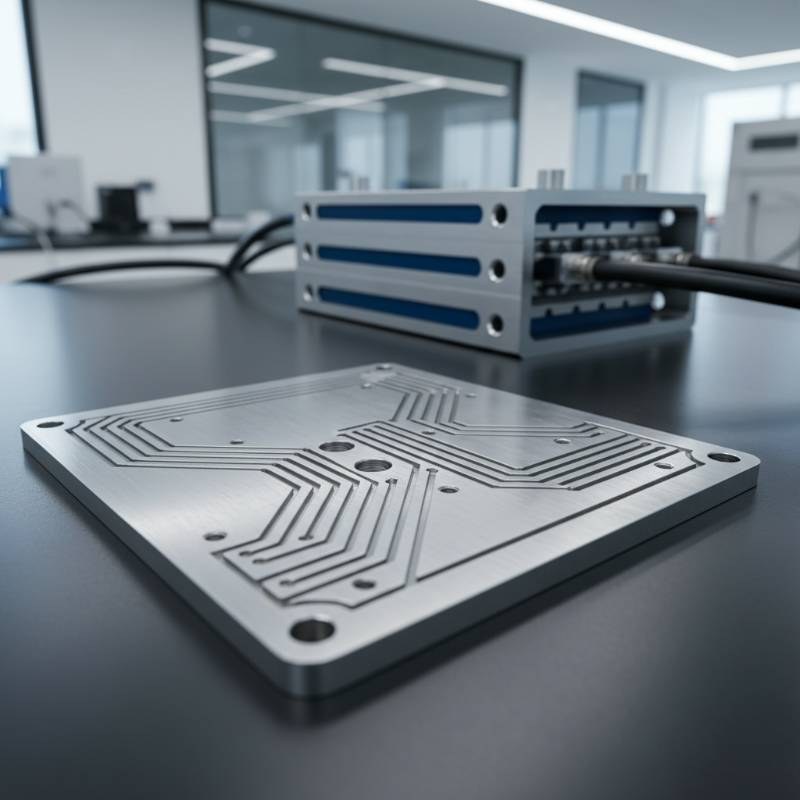
Proton Exchange Membrane (PEM) electrolyzers are the heartbeat of the green hydrogen economy. At the center of this technology lies the Titanium Bipolar Plate. These components aren't just structural; they are multi-functional workhorses responsible for current collection, gas distribution, and heat management.
As of 2026, the demand for high-efficiency hydrogen production has pushed PEM Electrolyzer Components to their physical limits. A bipolar plate must facilitate the flow of water and the exit of hydrogen and oxygen while maintaining a perfect electrical connection across the stack. If the plate fails, the stack fails. It’s that simple.
Material Science: Why Titanium is the Gold Standard for PEM Environments
The interior of a PEM electrolyzer is a hostile, acidic environment. Most metals dissolve here. Titanium doesn't. Its natural ability to form a stable, protective oxide layer provides titanium corrosion resistance that outclasses stainless steel and nickel alloys in high-voltage, low-pH settings.
"Titanium’s electrochemical stability ensures that metal ions do not migrate into the membrane, a common failure mode known as 'membrane poisoning' which can permanently degrade stack performance."
However, that same oxide layer increases Interfacial Contact Resistance (ICR). To solve this, experts at China Titanium Factory utilize advanced surface coating technologies like Platinum or Gold-TiN. These coatings maintain conductivity while the titanium core provides the structural integrity and longevity required for decadal operation.
The Precision Sealing Challenge: Flatness and Gas Integrity
Hydrogen is the smallest molecule in the universe. It finds every exit. In a PEM stack, hundreds of plates are compressed together. If a titanium plate's flatness is even slightly off, the local pressure distribution becomes uneven.
Uneven pressure creates "micro-gaps." These gaps lead to gas leakage and internal cross-over. Beyond the loss of efficiency, hydrogen leaking into the oxygen stream creates a safety hazard. High-performance stacks require plates with flatness tolerances often measured in microns. According to recent research by the U.S. Department of Energy, sealing integrity is the leading factor in stack lifespan extension in 2026.
Advanced Manufacturing: Micro-channel Machining and Surface Finishing
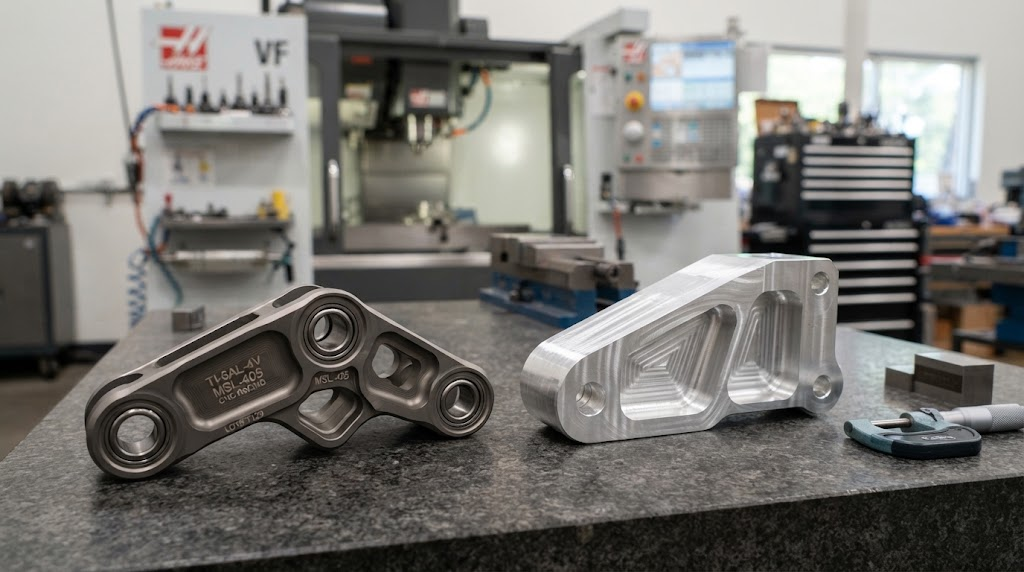
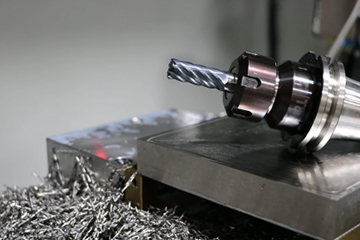
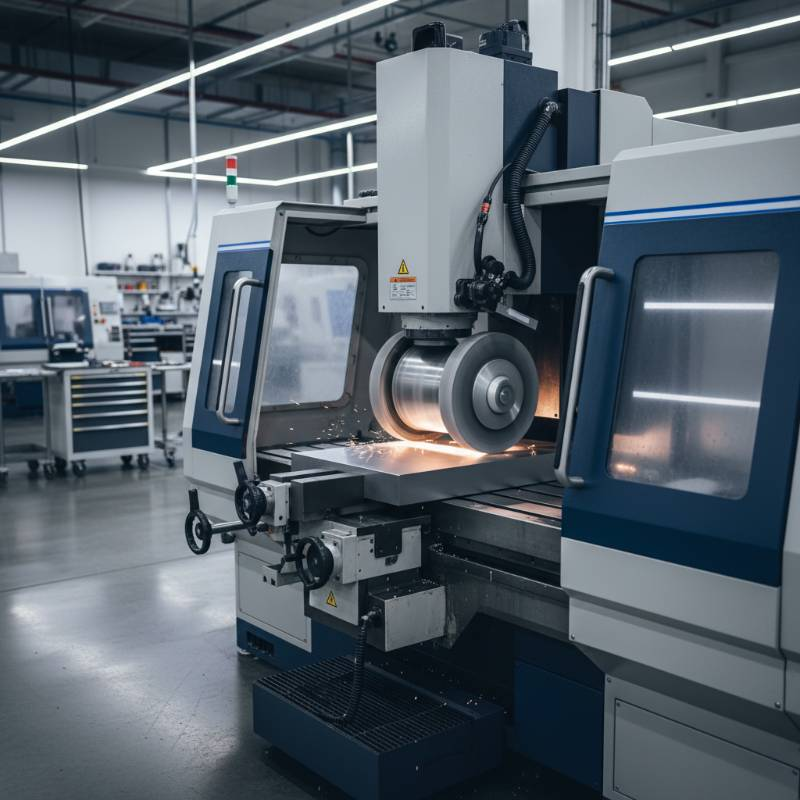
How do you machine a 0.5mm thick plate without warping it? Traditional CNC milling creates heat and mechanical stress that twists thin titanium sheets into Pringles. The solution is high-precision Micro-channel Machining Titanium using specialized Grinders.
A Grinder removes material with significantly less localized stress than a cutting tool. This allows us to maintain strict control over plate deformation. Furthermore, the surface finish is critical. We target a Ra 0.2-0.8 roughness. Why? A surface that is too smooth won't hold the coating; a surface that is too rough creates "peaks" that can pierce the delicate Proton Exchange Membrane under compression.
The Ti-Flow™ 4-Step Integrity Protocol
At China Titanium Factory, we don't just "make" plates. We follow the Ti-Flow™ Integrity Protocol to ensure every component survives 50,000+ hours of service:
Stress-Relieved Substrate Selection: We use only Grade 1 or Grade 2 titanium that has undergone vacuum annealing to eliminate internal stresses.
Precision Grinding for Flatness: Utilizing high-speed surface grinders to achieve < 0.02mm flatness across the entire active area.
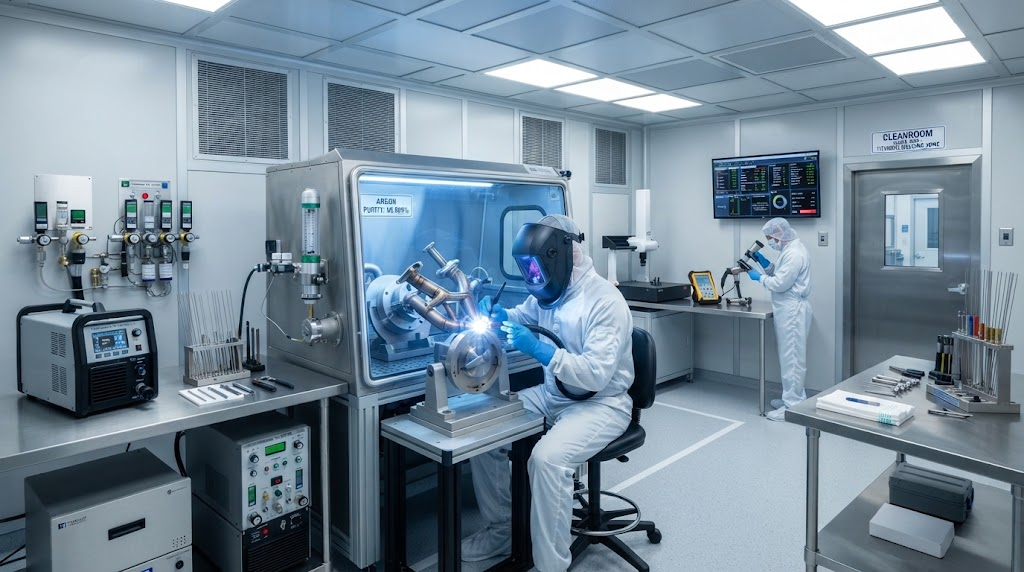
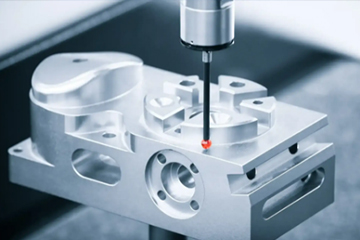
Micro-channel Geometry Verification: 3D laser scanning ensures flow field depth and width are within 1% of design specs.
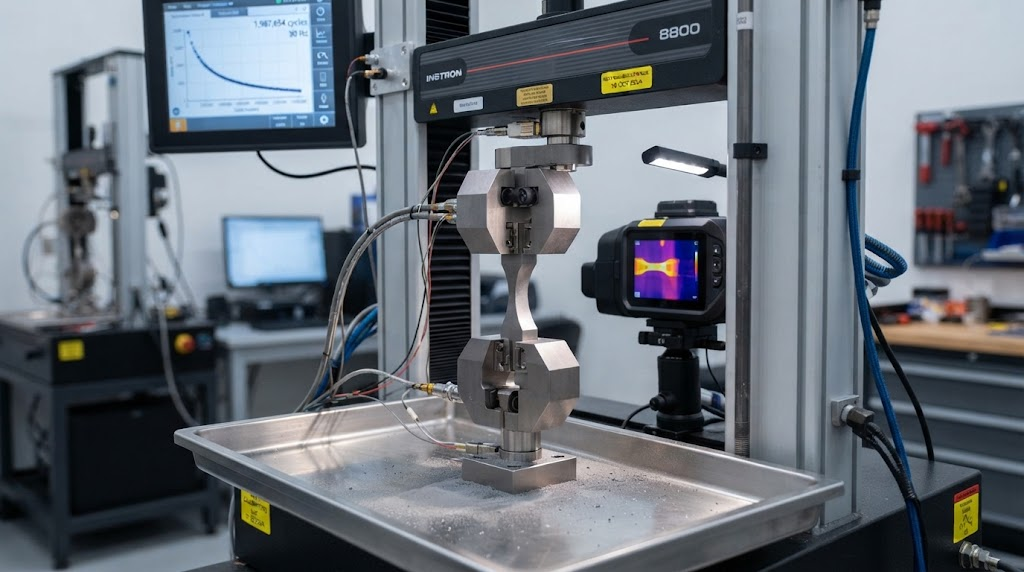
Electrochemical Stress Testing: Random batch testing in simulated PEM environments to verify coating adhesion and corrosion resistance.
Titanium vs. Graphite: Choosing the Right Substrate for 800V EV Fuel Cells
Graphite has long been the "cheap" choice. But in the world of 800V EV fuel cells, volume is the enemy. Graphite plates are thick and brittle. They crack under the vibration of a moving vehicle. Titanium is different.
Titanium plates are incredibly thin—often less than half the thickness of graphite alternatives. This allows for a much tighter stack pitch. For an EV manufacturer, this means a smaller battery/fuel cell pack volume and a massive jump in energy density. When you're designing for a 2026 model year performance vehicle, every millimeter saved in the chassis is a win for range and aerodynamics.
Total Cost of Ownership (TCO) and the Circular Economy
Titanium has a higher upfront cost. There's no hiding that. However, the TCO calculator favors titanium when you factor in stack longevity. A graphite-based stack might require a full overhaul every 3 years; a titanium stack can often double that interval.
Furthermore, titanium fits perfectly into the circular economy. Unlike composite materials, titanium bipolar plates are 100% recyclable. At the end of the electrolyzer's life, the plates can be stripped of their coatings and remelted, retaining nearly 90% of their original material value. This is a critical metric for ESG-compliant industrial projects in 2026.
Procurement Guide: Sourcing Industrial-Grade Bipolar Plates
If you are a procurement manager, don't just look at the price per unit. Evaluate production readiness. Does the supplier have the capacity for gigawatt-scale orders? Check for industrial certifications like ISO 9001 and IATF 16949 (for automotive).
Ensure your supplier provides full material traceability. In the hydrogen sector, "cheap" titanium often contains impurities that lead to premature pitting corrosion. Demand the mill test report (MTR) for every batch.
Frequently Asked Questions
Why choose titanium over graphite for 800V EV fuel cells?
Titanium plates are preferred because they are extremely thin and highly impact-resistant. This allows manufacturers to significantly reduce the overall volume of the fuel cell stack while simultaneously increasing the energy density, which is critical for the space constraints of 800V EV platforms.
What is the ideal surface roughness for a bipolar plate?
The "Golden Rule" for PEM applications is a Ra between 0.2 and 0.8. This range provides enough surface area for coating adhesion without being so aggressive that it damages the membrane during stack compression.
How does plate flatness affect hydrogen leakage?
Poor flatness leads to uneven mechanical loading on the gaskets. This creates low-pressure zones where hydrogen gas can bypass the seal. High-precision grinding is the primary way to mitigate this risk.
Ready to Optimize Your Hydrogen Stack?
Don't let poor plate tolerances compromise your efficiency. Partner with the experts in precision titanium manufacturing.
Consult Our Engineering Team