
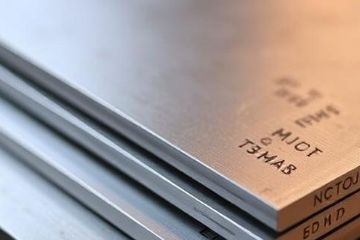
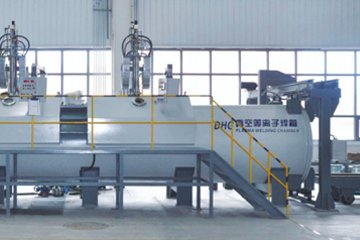


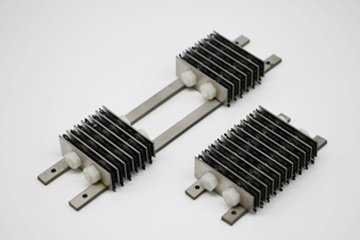











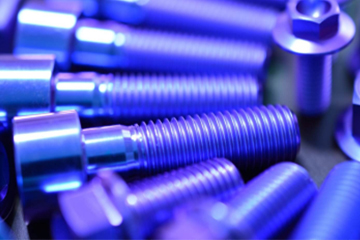




Anodizing titanium is a fascinating electrochemical process that transforms ordinary titanium surfaces into stunning, colorful masterpieces while dramatically enhancing their functional properties. This advanced surface treatment technique not only creates vibrant interference colors ranging from deep blues to brilliant golds but also significantly boosts corrosion resistance, making it invaluable across aerospace, medical, automotive, and decorative applications.
Whether you're a professional manufacturer looking to enhance product durability, an artist seeking to create unique colored titanium pieces, or an engineer working on high-performance components, mastering titanium anodizing techniques opens up endless possibilities for both functional and aesthetic improvements. This comprehensive guide covers everything from basic principles to advanced professional techniques, ensuring you achieve consistent, high-quality results.
Quick Overview: Titanium anodizing creates colors through light interference in controlled oxide layers, not dyes or pigments. The process is environmentally friendly, produces no toxic waste, and results in colors that are integral to the metal surface.
What is Anodizing Titanium?
Anodizing titanium is an electrochemical process that deliberately thickens the naturally occurring oxide layer on titanium surfaces through controlled electrical current application. Unlike conventional coating methods that apply external materials, anodizing modifies the existing titanium surface to create an integral oxide layer that becomes part of the metal itself.
The process works by submerging titanium parts in an electrolyte solution (typically sulfuric acid or phosphoric acid) and applying a controlled DC voltage. This electrical energy drives oxygen ions from the electrolyte into the titanium surface, forming a transparent, crystalline oxide layer whose thickness determines the resulting color through optical interference phenomena.
Key Characteristics of Anodized Titanium:
Interference Colors: Colors result from light wave interference, not pigments
Integral Layer: Oxide becomes part of the titanium structure
Controllable Thickness: Voltage directly controls oxide thickness and color
Transparent Layer: Maintains titanium's metallic luster underneath
Environmentally Safe: No toxic chemicals or waste products
The anodizing titanium process differs significantly from aluminum anodizing in that titanium's oxide layer grows much more slowly and produces colors through interference rather than dye absorption. This makes titanium anodizing more predictable and repeatable, with colors that are inherently fade-resistant and permanent.
Why Anodize Titanium?
Anodizing titanium offers compelling advantages that make it essential for high-performance applications across multiple industries. The process enhances titanium's already impressive properties while adding aesthetic versatility that opens new design possibilities.
Enhanced Corrosion Resistance
The anodizing titanium process creates a significantly thicker, more uniform oxide layer compared to natural oxidation. This enhanced barrier provides superior protection against environmental factors including saltwater, industrial chemicals, and atmospheric corrosion. In marine environments, anodized titanium components can last decades longer than untreated alternatives, making it invaluable for offshore equipment, marine hardware, and coastal infrastructure.
Exceptional Aesthetic Appeal
The unique ability to produce vibrant, fade-resistant colors makes anodized titanium highly sought after in jewelry, architectural applications, and consumer products. Unlike painted or plated finishes, anodized colors are integral to the surface and won't chip, peel, or wear away under normal use. The metallic luster beneath the transparent oxide layer creates depth and richness impossible to achieve with conventional coloring methods.
Increased Surface Hardness and Wear Resistance
The anodic oxide layer significantly increases surface hardness, making anodized titanium more resistant to scratching, galling, and wear. This property is particularly valuable in precision mechanical components, surgical instruments, and high-wear applications where maintaining dimensional accuracy is critical.
Biocompatibility Enhancement
For medical applications, anodizing titanium can improve biocompatibility by creating a more stable, inert surface that reduces ion release and tissue reaction. This makes anodized titanium ideal for implants, surgical tools, and medical devices requiring long-term body contact.
Electrical Insulation Properties
The oxide layer created during titanium anodizing provides excellent electrical insulation, making it useful for electronic applications where electrical isolation is required while maintaining mechanical strength and corrosion resistance.
Unique Advantages of Titanium and Anodizing Types
Beyond aesthetic and corrosion benefits, anodizing titanium leverages the metal's exceptional base properties while offering different process variations for specific applications.
Exceptional Properties of Titanium
| Property | Titanium Value | Comparison | Anodizing Benefit |
|---|---|---|---|
| Strength-to-Weight Ratio | Comparable to steel at 45% less weight | Superior to aluminum and steel | Maintains while adding surface protection |
| Corrosion Resistance | Excellent in most environments | Better than stainless steel | Enhanced by thicker oxide layer |
| Biocompatibility | Non-toxic, hypoallergenic | Superior to most metals | Improved surface stability |
| Temperature Performance | Stable to 600°C (1112°F) | Better than aluminum | Oxide layer remains stable |
Types of Titanium Anodizing
Type 2 Anodizing (Wear Resistance Type)
The primary purpose of Type 2 anodizing titanium is to increase wear resistance and surface hardness. This process typically creates a thicker oxide layer with minimal color changes, appearing as dull gray or maintaining the natural titanium color. It's primarily used for industrial components requiring enhanced surface hardness and abrasion resistance, such as aerospace fasteners, medical instruments, and precision machinery parts.
Type 3 Anodizing (Color Type)
Also known as "decorative anodizing," Type 3 focuses on producing vibrant interference colors by controlling oxide layer thickness. This type of anodized titanium is relatively thin and primarily used for aesthetic purposes in jewelry, artworks, architectural elements, and color-coding applications. The process allows precise color control through voltage adjustment, making it ideal for applications where specific colors are required.
Hybrid Anodizing
Advanced titanium anodizing processes can combine elements of both Type 2 and Type 3 to achieve enhanced wear resistance with controlled coloration. This approach is increasingly used in high-end applications where both functional and aesthetic properties are important.
The Science Behind Anodizing
Understanding the scientific principles behind anodizing titanium is essential for achieving consistent, high-quality results and troubleshooting process variations.
Electrochemical Process Fundamentals
The titanium anodizing process involves controlled electrochemical oxidation where titanium acts as the anode (positive electrode) in an electrolytic cell. When DC voltage is applied, oxygen ions from the electrolyte migrate to the titanium surface, combining with titanium atoms to form titanium dioxide (TiO₂) according to the reaction:
Chemical Reaction:
Ti + 2H₂O → TiO₂ + 4H⁺ + 4e⁻
Titanium + Water → Titanium Dioxide + Hydrogen Ions + Electrons
Color Formation Mechanism
The spectacular colors in anodized titanium result from thin-film optical interference, a phenomenon where light waves reflect from both the top surface of the oxide layer and the oxide-metal interface. When these reflected waves interact, they either reinforce (constructive interference) or cancel (destructive interference) specific wavelengths, creating the perceived color.
The relationship between oxide thickness and color follows the optical interference equation, where the oxide thickness must equal specific fractions of light wavelengths to produce particular colors. This is why voltage control is so critical in titanium anodizing – voltage directly controls oxide growth rate and final thickness.
Key Process Variables
| Variable | Effect on Process | Typical Range | Control Method |
|---|---|---|---|
| Voltage | Controls oxide thickness and color | 10-100V DC | Precision power supply |
| Current Density | Affects growth rate and uniformity | 0.1-2.0 A/dm² | Surface area calculation |
| Temperature | Influences oxide structure | 15-25°C (59-77°F) | Cooling/heating systems |
| Time | Determines final oxide thickness | 5-60 minutes | Process timing control |
| Electrolyte Concentration | Affects conductivity and growth rate | 10-20% acid solution | Solution preparation |
Electrolyte Chemistry
The choice of electrolyte significantly impacts the anodizing titanium process and final results. Common electrolytes include:
Sulfuric Acid (H₂SO₄): Most common, produces bright colors with good uniformity
Phosphoric Acid (H₃PO₄): Creates more matte finishes, better for thick oxide layers
Mixed Acid Solutions: Combine benefits of different acids for specific applications
Anodized Titanium Color and Voltage Chart
One of the most valuable aspects of titanium anodizing is the predictable relationship between applied voltage and resulting color. This comprehensive chart provides precise voltage ranges for achieving specific colors in your anodizing projects.
Important Note: Colors may vary slightly based on surface finish, electrolyte type, temperature, and viewing conditions. Always test on sample pieces before processing final parts.
| Voltage Range (DC) | Primary Color | Color Description | Typical Applications | Process Notes |
|---|---|---|---|---|
| 10-15V | Bronze/Brown | Warm metallic bronze to dark brown | Jewelry, decorative hardware | Easy to achieve, very stable |
| 16-20V | Dark Purple | Deep purple with metallic undertones | Artistic applications, accents | Transition zone, monitor carefully |
| 21-25V | Light Purple | Bright purple to violet | Consumer electronics, jewelry | Popular color, good repeatability |
| 26-30V | Dark Blue | Deep blue to navy | Aerospace components, tools | Professional appearance |
| 31-38V | Light Blue | Bright blue to sky blue | Medical devices, sporting goods | Highly visible, attractive |
| 39-46V | Silver/Gray | Metallic silver with slight blue tint | Industrial applications | Subtle color change |
| 47-54V | Yellow/Gold | Bright yellow to rich gold | Luxury items, awards | Striking appearance |
| 55-63V | Rose Gold/Pink | Pink to rose gold | Fashion jewelry, decorative | Narrow voltage window |
| 64-72V | Purple (Second Order) | Magenta to deep purple | Artistic, high-end applications | Second interference order |
| 73-82V | Blue/Teal | Teal to electric blue | Automotive, consumer goods | Very popular range |
| 83-92V | Green | Emerald to forest green | Military, outdoor equipment | Distinctive color |
| 93-100V | Yellow-Green | Lime to yellow-green | Safety equipment, visibility | High voltage, monitor safety |
Voltage Safety Considerations
Higher voltages (above 80V) require additional safety precautions and may produce less uniform colors on complex geometries. Always use appropriate electrical safety equipment and follow proper lockout/tagout procedures.
Factors Affecting Color Consistency
Surface Finish: Polished surfaces produce more vibrant colors than brushed or bead-blasted finishes
Part Geometry: Edges and corners may anodize differently due to current density variations
Electrolyte Age: Fresh electrolyte produces more consistent results
Temperature Control: Maintain consistent temperature throughout the process
Current Density: Uniform current distribution ensures even color development
Step-by-Step Guide to Anodizing Titanium
This comprehensive guide provides detailed instructions for successfully anodizing titanium parts, from initial preparation through final finishing. Follow each step carefully to achieve professional-quality results.
Step 1: Surface Preparation and Cleaning
Objective: Remove all contaminants and create a uniform surface for consistent anodizing.
Detailed Process:
Initial Cleaning: Degrease parts using acetone, isopropyl alcohol, or specialized titanium cleaners to remove oils, fingerprints, and organic contaminants
Mechanical Preparation: If desired finish requires it, sand or polish parts to achieve the target surface texture. Remember that the final anodized appearance will reflect the base surface quality
Chemical Etching (Optional): For maximum adhesion and uniformity, etch parts in a solution of hydrofluoric acid (HF) and nitric acid (HNO₃). Warning: This requires specialized safety equipment and training
Final Rinse: Thoroughly rinse with distilled water to remove all cleaning residues
Drying: Air dry or use clean, lint-free cloths. Avoid touching cleaned surfaces with bare hands
Critical Success Factor: Surface cleanliness is the most important factor for uniform anodizing. Any contamination will result in uneven color or poor adhesion.
Step 2: Electrolyte Preparation
Objective: Prepare the proper electrolyte solution for consistent anodizing results.
Standard Sulfuric Acid Electrolyte:
Safety First: Wear appropriate PPE including acid-resistant gloves, safety glasses, and apron
Mixing Procedure: Always add acid to water, never water to acid. Mix 10-20% sulfuric acid with distilled water
Temperature Control: Maintain electrolyte temperature between 15-25°C (59-77°F) for optimal results
Solution Testing: Check pH and conductivity to ensure proper concentration
Alternative Electrolytes:
Phosphoric Acid: 10-15% solution for matte finishes
Mixed Acid: Combination solutions for specific color effects
Step 3: Equipment Setup and Electrical Connections
Objective: Establish proper electrical connections and process control for safe, effective anodizing.
Equipment Requirements:
DC Power Supply: Variable voltage (0-100V), current capacity appropriate for part size
Anodizing Tank: Acid-resistant material (polypropylene, PVDF, or glass)
Cathode: Lead, stainless steel, or titanium sheet
Fixtures: Titanium or aluminum wire for part suspension
Connection Procedure:
Part Mounting: Secure titanium part to positive (anode) connection using titanium wire
Cathode Placement: Position cathode to ensure uniform current distribution
Immersion: Slowly lower part into electrolyte, ensuring complete coverage
Initial Settings: Set power supply to desired voltage with current limiting
Step 4: Anodizing Process Execution
Objective: Control the electrochemical process to achieve desired oxide thickness and color.
Process Control:
Voltage Ramp: Gradually increase voltage to target level over 2-5 minutes to prevent burning
Current Monitoring: Watch current density (typically 0.1-2.0 A/dm²) for process stability
Time Control: Maintain target voltage for specified time (typically 15-45 minutes)
Visual Monitoring: Observe color development through process
Process Parameters by Color:
| Target Color | Voltage (V) | Time (min) | Current Density (A/dm²) |
|---|---|---|---|
| Bronze | 12-15 | 15-30 | 0.2-0.5 |
| Purple | 20-25 | 20-35 | 0.3-0.7 |
| Blue | 30-35 | 25-40 | 0.4-0.8 |
| Gold | 50-55 | 30-45 | 0.5-1.0 |
Step 5: Color Development and Control
Objective: Fine-tune the anodizing process to achieve precise color matching.
Color Monitoring Techniques:
Visual Inspection: Use consistent lighting conditions for color evaluation
Test Coupons: Process small samples first to verify color before full production
Voltage Adjustment: Make small voltage changes (±2V) for color fine-tuning
Time Extension: Longer processing times can intensify colors within limits
Pro Tip: Colors appear different when wet versus dry. Always evaluate final color after complete drying and under intended use lighting conditions.
Step 6: Sealing and Finishing
Objective: Enhance durability and corrosion resistance of the anodized layer.
Sealing Options:
Hot Water Sealing: Immerse in distilled water at 95-100°C for 15-30 minutes
Steam Sealing: Expose to steam for enhanced pore closure
Chemical Sealing: Use nickel acetate or other sealing solutions for maximum durability
No Sealing: Some applications benefit from unsealed anodized surfaces
Final Processing:
Rinse: Thoroughly rinse with distilled water
Dry: Air dry or use clean, warm air
Inspect: Check for color uniformity and surface defects
Package: Protect finished parts from scratching and contamination
Equipment and Materials Required
Successful titanium anodizing requires proper equipment selection and setup. This section provides detailed specifications for both professional and hobbyist applications.
Essential Equipment
| Equipment | Specifications | Professional Grade | Hobbyist Alternative | Estimated Cost |
|---|---|---|---|---|
| DC Power Supply | 0-100V, 0-50A, ±1% regulation | Programmable laboratory supply | Variable bench supply | $500-$5,000 |
| Anodizing Tank | Acid-resistant, appropriate size | PVDF or polypropylene | Glass or plastic container | $100-$1,000 |
| Temperature Control | ±2°C accuracy | Chiller/heater system | Ice bath or heating pad | $200-$2,000 |
| Ventilation | Acid-resistant fume extraction | Dedicated fume hood | Outdoor setup or fan | $500-$5,000 |
| Safety Equipment | PPE, eyewash, spill kit | Complete safety station | Basic PPE kit | $200-$1,000 |
Materials and Consumables
Chemical Requirements:
Sulfuric Acid (H₂SO₄): 96-98% concentration, reagent grade
Distilled Water: High purity for electrolyte preparation and rinsing
Cleaning Solvents: Acetone, isopropyl alcohol, or specialized degreasers
Sealing Solutions: Nickel acetate or other sealing chemicals (optional)
Setup Considerations
Workspace Requirements:
Ventilation: Adequate fume extraction to handle acid vapors safely
Electrical Safety: GFCI protection, proper grounding, emergency shutoffs
Spill Containment: Secondary containment for all chemical storage and processing
Emergency Equipment: Eyewash stations, safety showers, neutralizing agents
Quality Control Equipment:
Multimeter: For voltage and current monitoring
Thermometer: Accurate temperature measurement
pH Meter: Electrolyte condition monitoring
Color Standards: Reference samples for color matching
Troubleshooting Tips
Even experienced operators encounter challenges in titanium anodizing. This comprehensive troubleshooting guide addresses common issues and their solutions.
Color-Related Issues
Problem: Uneven or Patchy Colors
Symptoms: Color varies across the part surface, streaking, or blotchy appearance
Causes and Solutions:
Poor Surface Preparation: Re-clean parts thoroughly, ensure complete degreasing
Uneven Current Distribution: Adjust cathode placement, improve part positioning
Contaminated Electrolyte: Replace or filter electrolyte solution
Temperature Variations: Improve temperature control and circulation
Electrical Contact Issues: Check all connections, ensure good contact resistance
Problem: Wrong Color Achieved
Symptoms: Color doesn't match expected result for applied voltage
Causes and Solutions:
Voltage Calibration: Verify power supply accuracy with calibrated meter
Electrolyte Concentration: Check and adjust acid concentration
Processing Time: Ensure adequate time for oxide layer development
Surface Finish Effects: Consider base surface texture impact on color appearance
Process-Related Issues
Problem: Excessive Current or Sparking
Symptoms: High current draw, visible sparking, burning at contact points
Immediate Actions:
Reduce voltage immediately
Check for short circuits
Verify proper electrolyte concentration
Inspect electrical connections
Problem: No Color Development
Symptoms: Part remains natural titanium color despite processing
Diagnostic Steps:
Electrical Continuity: Verify current flow through the circuit
Electrolyte Activity: Check for proper chemical reaction
Surface Contamination: Re-examine cleaning procedures
Voltage Application: Confirm adequate voltage and time
Quality Issues
| Problem | Likely Cause | Prevention | Correction |
|---|---|---|---|
| Pitting or Etching | Excessive current density | Control current, improve agitation | Reduce voltage, check setup |
| Dull or Matte Finish | Contaminated electrolyte | Regular electrolyte maintenance | Replace electrolyte solution |
| Color Fading | Inadequate sealing | Proper sealing procedures | Re-seal or re-anodize |
| Edge Effects | High current density at edges | Mask sharp edges | Mechanical finishing |
Preventive Measures
Regular Maintenance: Schedule routine equipment calibration and electrolyte testing
Process Documentation: Record parameters for successful runs
Sample Testing: Always test process on samples before production runs
Environmental Control: Maintain consistent temperature and humidity
Safety Precautions
Titanium anodizing involves electrical hazards and corrosive chemicals that require strict safety protocols. This section provides comprehensive safety guidelines for safe operation.
Critical Safety Warning
Anodizing involves concentrated acids and high voltages. Improper handling can result in severe chemical burns, electrical shock, or death. Always follow proper safety procedures and use appropriate personal protective equipment.
Personal Protective Equipment (PPE)
| PPE Item | Specification | Purpose | Replacement Schedule |
|---|---|---|---|
| Safety Glasses | Chemical splash protection, side shields | Eye protection from acid splashes | Replace if damaged or scratched |
| Face Shield | Full face coverage, acid-resistant | Additional face protection | Inspect regularly for cracks |
| Chemical Gloves | Nitrile or neoprene, acid-resistant | Hand and arm protection | Replace after each use or if damaged |
| Apron | Acid-resistant material, full coverage | Body protection from splashes | Clean after each use |
| Respirator | Acid gas cartridge, NIOSH approved | Respiratory protection from vapors | Replace cartridges per schedule |
| Safety Shoes | Chemical-resistant, non-slip | Foot protection, electrical safety | Inspect regularly for damage |
Chemical Safety
Sulfuric Acid Handling:
Storage: Store in original containers, away from incompatible materials
Mixing: Always add acid to water, never water to acid
Spill Response: Neutralize with sodium bicarbonate, contain and clean up immediately
Disposal: Follow local regulations for acid waste disposal
Emergency Procedures:
Acid Contact Emergency Response:
Skin Contact: Immediately flush with copious amounts of water for 15+ minutes
Eye Contact: Flush eyes with water for 15+ minutes, seek immediate medical attention
Inhalation: Move to fresh air, seek medical attention if breathing difficulties occur
Ingestion: Do not induce vomiting, rinse mouth, seek immediate medical attention
Electrical Safety
Power Supply Safety:
GFCI Protection: All electrical equipment must be GFCI protected
Lockout/Tagout: Implement proper LOTO procedures for maintenance
Grounding: Ensure proper grounding of all equipment
Emergency Shutoff: Install easily accessible emergency stop switches
High Voltage Precautions:
Voltage Limits: Never exceed equipment ratings or safety limits
Insulation: Maintain proper insulation on all electrical connections
Wet Conditions: Never handle electrical equipment with wet hands
Training: Ensure all operators are trained in electrical safety
Facility Safety Requirements
Ventilation:
Fume Extraction: Minimum 100 CFM per square foot of tank surface
Air Changes: Minimum 10 air changes per hour in work area
Emergency Ventilation: Backup ventilation systems for power failures
Emergency Equipment:
Eyewash Stations: Within 10 seconds travel time from work area
Safety Showers: For full body decontamination
Spill Kits: Acid neutralization and cleanup materials
Fire Suppression: Appropriate for electrical and chemical fires
Cost Analysis and Service Options
Understanding the economics of titanium anodizing helps in making informed decisions about in-house processing versus outsourcing to professional services.
In-House Processing Costs
| Cost Category | Initial Investment | Annual Operating Cost | Cost per Part (Est.) |
|---|---|---|---|
| Basic Hobbyist Setup | $2,000-$5,000 | $500-$1,000 | $5-$15 |
| Small Production Setup | $10,000-$25,000 | $2,000-$5,000 | $2-$8 |
| Professional System | $50,000-$150,000 | $10,000-$25,000 | $1-$5 |
Professional Service Options
Service Types and Pricing:
Job Shop Services: $25-$100 per part depending on size and complexity
Production Services: $5-$25 per part for volume orders
Specialty Finishes: $50-$200 per part for custom colors or treatments
Factors Affecting Service Costs:
Part Size and Complexity: Larger, more complex parts cost more
Color Requirements: Standard colors cost less than custom matches
Volume: Higher volumes typically reduce per-part costs
Quality Requirements: Aerospace or medical grade adds premium
Turnaround Time: Rush orders incur additional charges
Decision Matrix: In-House vs. Outsource
| Factor | In-House Advantage | Outsource Advantage | Recommendation |
|---|---|---|---|
| Volume | High volume (>1000 parts/year) | Low volume (<100 parts/year) | Break-even around 500 parts/year |
| Quality Control | Direct control over process | Professional expertise | Depends on internal capabilities |
| Flexibility | Immediate processing capability | No equipment maintenance | Consider lead time requirements |
| Investment | Long-term cost savings | No capital investment | Evaluate ROI over 3-5 years |
Return on Investment Analysis
ROI Calculation Example:
Scenario: 500 parts per year, $15 outsource cost vs. $5 in-house cost
Annual Savings: 500 × ($15 - $5) = $5,000
Equipment Investment: $25,000
Payback Period: $25,000 ÷ $5,000 = 5 years
5-Year ROI: ($25,000 - $25,000) ÷ $25,000 = 0% (break-even)
Frequently Asked Questions (FAQ)
Q: Can titanium be anodized to true red or black colors?
A: No, titanium anodizing produces colors through optical interference, which cannot create true red or black. The interference color spectrum is limited to bronze, purple, blue, gold, and green tones. True red or black requires alternative coating methods like PVD or painting.
Q: How durable is anodized titanium compared to other finishes?
A: Anodized titanium is extremely durable because the color is integral to the oxide layer, not a surface coating. It won't chip, peel, or flake like paint. However, the thin oxide layer can be worn away by aggressive abrasion. Properly anodized titanium can last decades in normal use.
Q: What titanium grades can be anodized?
A: Most commercially pure titanium grades (Grades 1-4) anodize excellently. Titanium alloys like Grade 5 (Ti-6Al-4V) can also be anodized but may produce slightly different colors due to alloying elements. Grade 2 titanium is most commonly used for decorative anodizing.
Q: Can anodized titanium be re-anodized or stripped?
A: Yes, the anodized layer can be removed through chemical etching or mechanical polishing, allowing re-anodizing. This makes it possible to change colors or repair damaged finishes. However, each stripping cycle removes a small amount of base material.
Q: Is titanium anodizing environmentally safe?
A: Titanium anodizing is relatively environmentally friendly compared to many other finishing processes. It uses no heavy metals, produces no toxic waste products, and the resulting finish is completely inert. Proper acid handling and disposal are the main environmental considerations.
Q: How does surface finish affect anodized colors?
A: Surface finish significantly impacts color appearance. Polished surfaces produce bright, vibrant colors with high reflectivity. Brushed or bead-blasted surfaces create more matte, pastel colors. The base surface texture is preserved and enhanced by anodizing.
Q: What's the difference between Type 2 and Type 3 titanium anodizing?
A: Type 2 anodizing focuses on wear resistance and creates thicker, harder oxide layers with minimal color change. Type 3 anodizing is designed for decorative colors and creates thinner layers optimized for specific interference colors. Type 2 is functional, Type 3 is aesthetic.
Q: Can anodized titanium be welded or machined?
A: Anodized areas should not be welded as the oxide layer interferes with weld quality. The anodized layer must be removed from weld zones. Light machining is possible but will remove the anodized layer. Heavy machining requires re-anodizing of affected areas.
Conclusion
Titanium anodizing represents one of the most versatile and valuable surface treatment technologies available today. This comprehensive guide has covered the complete spectrum from basic principles to advanced professional techniques, providing you with the knowledge needed to successfully implement anodizing in your applications.
The unique combination of enhanced corrosion resistance, stunning aesthetic appeal, and improved mechanical properties makes anodized titanium an excellent choice for applications ranging from aerospace components to luxury consumer goods. The predictable relationship between voltage and color, combined with the process's environmental friendliness, positions titanium anodizing as a preferred finishing method for the future.
Key Takeaways:
Process Control: Success depends on meticulous attention to surface preparation, electrical parameters, and environmental conditions
Safety First: Proper safety protocols are essential when working with acids and electrical equipment
Quality Consistency: Standardized procedures and regular equipment maintenance ensure repeatable results
Economic Considerations: Evaluate in-house versus outsourced processing based on volume and quality requirements
Whether you're implementing a small-scale hobbyist setup or designing a full production facility, the principles and techniques outlined in this guide provide the foundation for successful titanium anodizing operations. Remember that mastery comes through practice, careful observation, and continuous improvement of your processes.
For additional technical support, equipment recommendations, or custom anodizing services, please visit our Services page or contact our technical team. We're committed to helping you achieve the highest quality results in your titanium anodizing projects.
Ready to Get Started? Contact our technical experts for personalized guidance on your specific anodizing requirements. We offer consultation services, equipment recommendations, and custom processing solutions to meet your unique needs.