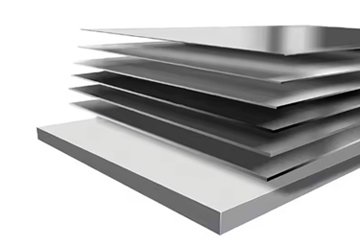
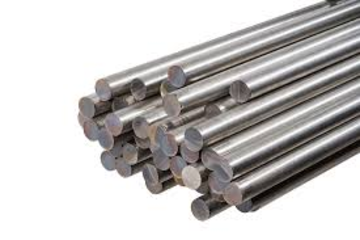
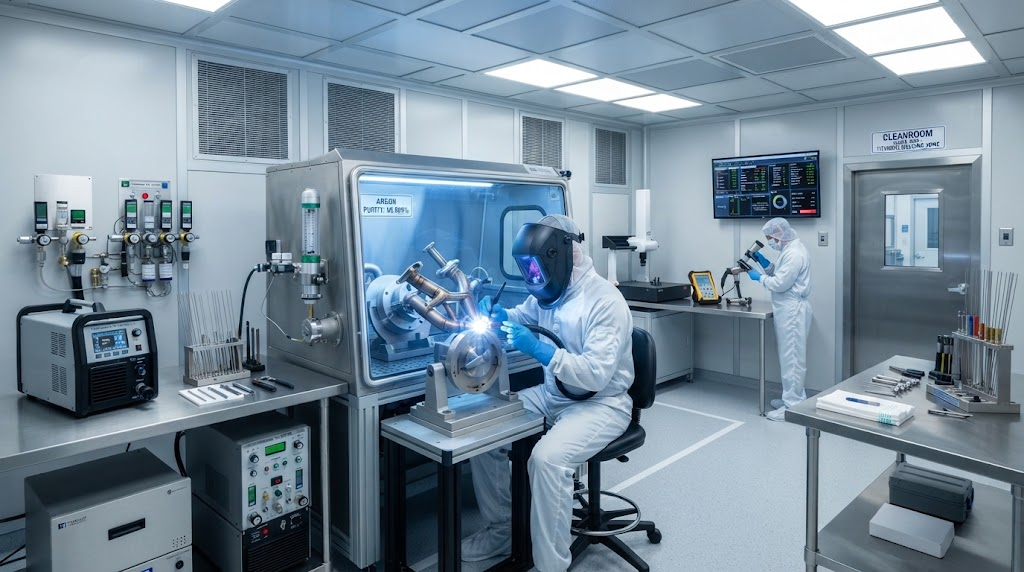
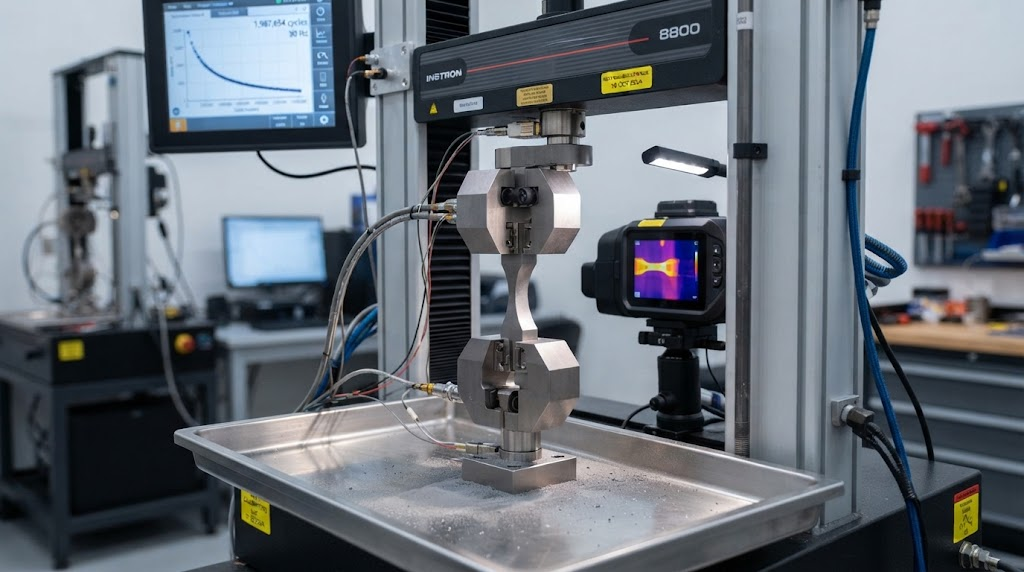
Electrode Function: Titanium electrodes are vital for efficient chlorine generation in saltwater pools.
Quality Matters: High-quality replacement electrodes directly impact pool sanitation, system efficiency, and longevity.
Compatibility: Ensure precise compatibility with the existing chlorinator model to guarantee optimal performance.
Selection Criteria: Evaluate material purity, coating thickness, cell design, and warranty for informed purchasing decisions.
Maintenance: Regular cleaning and proper care significantly extend electrode lifespan and maintain peak efficiency.
The efficacy of a saltwater pool chlorinator hinges critically upon the performance of its titanium electrodes. These components are central to the electrolytic process that converts dissolved salt into hypochlorous acid, the primary sanitizer for pool water.
Over time, these electrodes degrade due to the harsh chemical environment and continuous operation, necessitating periodic replacement to maintain optimal pool sanitation. Selecting the appropriate replacement electrodes is not merely a maintenance task; it is a strategic decision that impacts water quality, system efficiency, and operational costs.
This comprehensive guide provides an authoritative framework for understanding, selecting, and maintaining replacement titanium electrodes, ensuring superior performance for any saltwater pool chlorination system.
Understanding Replacement Titanium Electrodes for Saltwater Pool Chlorinators
The Critical Role of High-Quality Electrodes in Pool Sanitation
Navigating Electrode Compatibility: A Comprehensive Buyer's Guide
Key Factors for Selecting Optimal Replacement Titanium Electrodes
A Technical Guide to Replacing Saltwater Chlorinator Electrodes
Common Issues and Expert FAQs for Saltwater Chlorinator Electrodes
Ensuring Peak Performance: Your Investment in Superior Pool Sanitation
Titanium electrodes serve as the fundamental operational components within saltwater pool chlorination systems. They facilitate the electrolysis process, a chemical reaction essential for chlorine generation from dissolved sodium chloride (salt) in pool water.
This process converts chloride ions into hypochlorous acid (HOCl), the active sanitizer. The integrity of these titanium electrodes directly dictates the efficiency and effectiveness of this critical function.
Over time, the specialized coatings on the anode replacement electrodes, typically composed of mixed metal oxides (MMO) such as ruthenium and iridium, naturally wear away. This degradation diminishes the electrode's catalytic activity and reduces the system's ability to produce adequate chlorine.
Timely anode replacement is therefore imperative to sustain consistent water quality and prevent the proliferation of pathogens and algae in the pool.
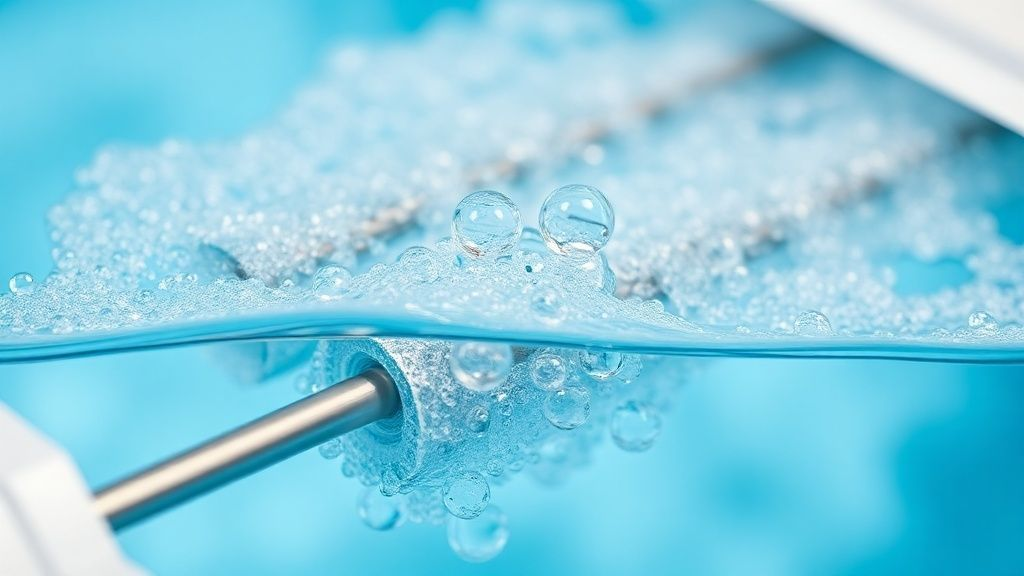
Definition: Electrolysis Process
The electrolysis process in saltwater pool chlorinators involves passing an electric current through a saline solution (pool water). This causes a chemical reaction where chloride ions (Cl-) are oxidized at the anode to produce chlorine gas (Cl2), which then dissolves to form hypochlorous acid (HOCl), the active sanitizing agent.
The selection of high-quality electrodes is paramount for achieving effective pool sanitation. Inferior or worn electrodes compromise the chlorinator efficiency, leading to insufficient chlorine output and potential water quality issues.
A poorly performing cell necessitates increased run times, thereby consuming more energy and accelerating wear on other system components. This translates to higher operational costs and a reduced electrode lifespan.
Conversely, premium electrodes, such as those offered by Chinatitaniumfactory.com, ensure consistent and efficient chlorine generation, contributing to superior water quality maintenance. They are engineered for durability, offering extended service life and reliable performance under varying pool conditions.
Investing in quality replacement electrodes protects the overall health of the pool and optimizes the return on investment in the chlorination system.
Maintaining balanced pool water chemistry, particularly pH and calcium hardness levels, is crucial for maximizing electrode lifespan. High calcium hardness can lead to scaling on electrode plates, impeding efficiency and accelerating wear. Regular cleaning and chemical balance checks are non-negotiable for optimal electrode longevity.
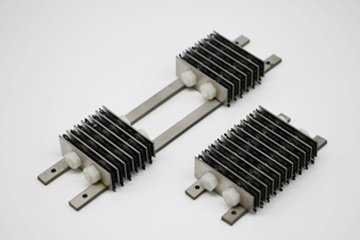
Ensuring proper chlorinator compatibility is a critical step when selecting replacement electrodes. Electrodes are not universally interchangeable; they vary significantly in design, dimensions, and electrical specifications to match specific chlorinator brands and models.
Key considerations include the number of plates, plate dimensions, terminal connections, and cell housing design. Disregarding compatibility can lead to improper fit, reduced efficiency, or even damage to the chlorinator system.
Understanding electrode types and their respective coating technologies is also essential. The most common coatings are ruthenium and iridium, often used in mixed metal oxide (MMO) formulations.
Each coating offers distinct advantages in terms of catalytic activity, durability, and cost-effectiveness. Reputable manufacturers, such as Chinatitaniumfactory.com, provide detailed specifications to aid in precise replacement cell selection.
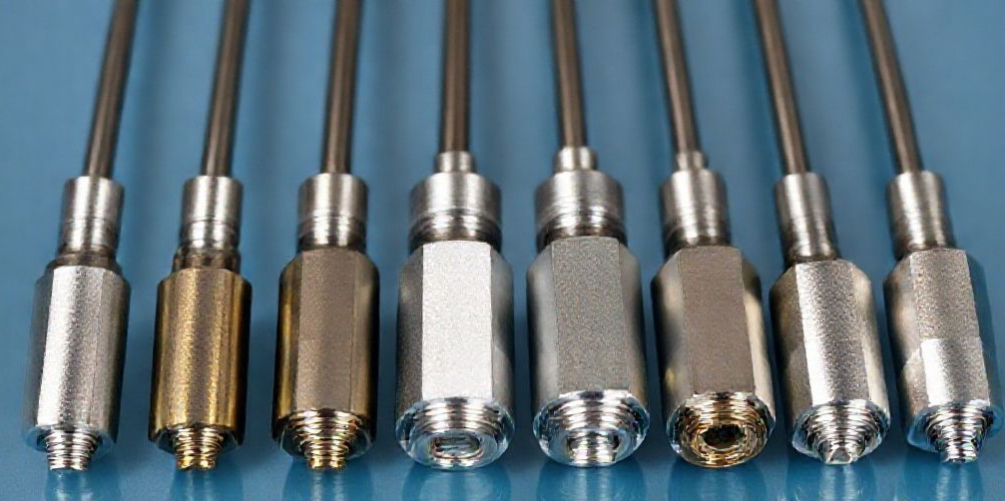
| Coating Type | Characteristics | Typical Application |
|---|---|---|
| Ruthenium Coated Electrodes | Excellent catalytic activity; good balance of performance and cost. | Standard residential and light commercial chlorinators. |
| Iridium Coated Electrodes | Superior durability and corrosion resistance; higher initial cost. | High-demand commercial pools; systems requiring maximum lifespan. |
| Mixed Metal Oxide (MMO) | Combinations for optimized performance characteristics. | Most modern chlorinator cells. |
The informed selection of replacement titanium electrodes involves evaluating several technical specifications and performance metrics. These factors collectively determine the electrode's efficiency, longevity, and overall value.
Material Purity Standards: The base titanium material must be of high purity (e.g., Grade 1 or 2) to ensure structural integrity and corrosion resistance. Impurities can lead to premature failure.
Coating Thickness Importance: The thickness of the catalytic MMO coating directly correlates with the electrode's lifespan. Thicker coatings generally offer longer service life, though this must be balanced with initial cost.
Cell Design Efficiency: The physical configuration of the electrode plates within the cell (e.g., parallel plates, concentric tubes) affects water flow, current distribution, and overall chlorine generation efficiency.
Warranty Considerations: A robust warranty indicates manufacturer confidence in product quality and offers protection against premature defects. Compare warranty periods across different brands.
Price-Performance Ratio: Evaluate the initial cost against the expected lifespan and performance. A lower-priced electrode with a shorter lifespan may prove more expensive in the long run due to frequent replacements.
Reputable suppliers like Chinatitaniumfactory.com provide detailed specifications for their electrodes, allowing for a transparent comparison of these critical factors. For further technical specifications on electrode performance, refer to industry standards and research from organizations like the Water Quality Association (WQA).
Replacing saltwater chlorinator electrodes requires adherence to specific procedures to ensure safety and optimal functionality. While some proficient DIY enthusiasts may undertake this task, professional installation is often recommended, especially for complex systems.
Always consult the chlorinator manufacturer's manual for specific instructions and safety warnings applicable to the model. Safety procedures are paramount.
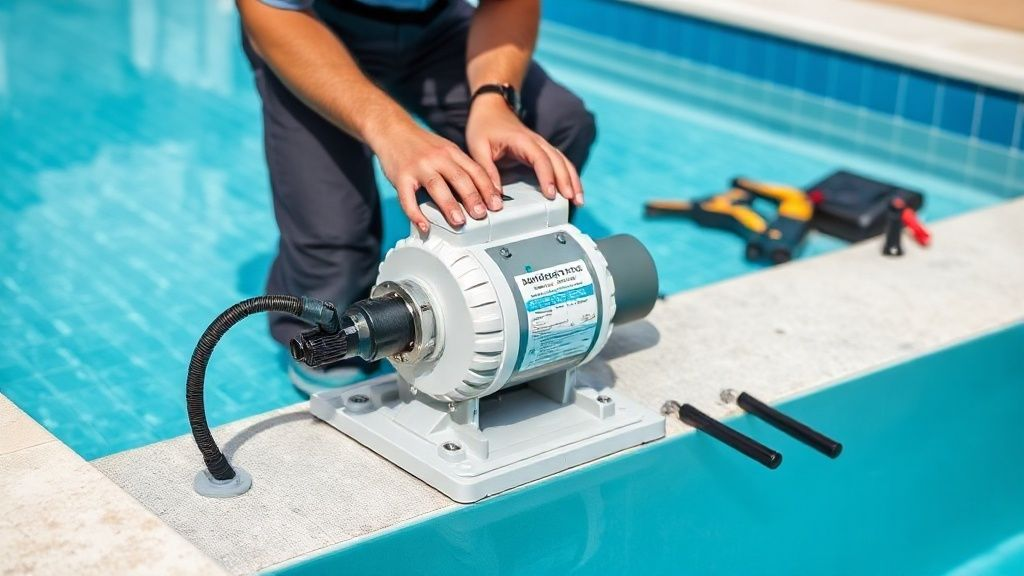
The following steps outline a general electrode installation guide:
Preparation: Turn off all power to the pool pump and chlorinator at the circuit breaker. Close the appropriate valves to isolate the chlorinator cell from the main plumbing.
Disconnection: Disconnect the electrical cables from the chlorinator cell. Carefully unthread or unclamp the cell from the plumbing unions.
Cell Disassembly (if applicable): For cells where electrodes are individually replaceable, carefully open the cell housing according to manufacturer instructions. For integrated cell replacements, proceed to the next step.
Electrode Removal: Remove the old electrodes or the entire old cell. Inspect the housing for any debris or damage.
New Electrode Installation: Install the new electrodes or the new cell, ensuring correct orientation and secure connections. Use new O-rings or gaskets if provided.
Reassembly and Testing: Reconnect the cell to the plumbing and electrical system. Slowly open the isolation valves, check for leaks, and then restore power. Monitor the chlorinator's operation and chlorine production.
For complex installations or troubleshooting, professional assistance can be invaluable. Chinatitaniumfactory.com offers technical support and guidance for their products.
After replacing electrodes, it is advisable to recalibrate the chlorinator's output settings and test pool water chemistry. This ensures that the system is generating the correct amount of chlorine for the pool volume and usage, optimizing the saltwater cell replacement's performance from the outset.
Effective electrode maintenance is crucial for extending the operational life and ensuring peak efficiency of titanium electrodes. Regular care can significantly delay the need for replacement and maintain consistent chlorine production.
Key practices include:
Routine Cleaning Methodologies: Periodically inspect the electrodes for scale buildup (white, flaky deposits). If present, clean the cell using a diluted acid solution (e.g., muriatic acid diluted 10:1 with water) as per manufacturer guidelines.
Inspection Protocols: Conduct visual inspections of the electrodes every few months. Look for signs of pitting, excessive coating wear, or damage.
Water Chemistry Management: Maintain proper pool water chemistry, especially pH (7.4-7.6) and calcium hardness (150-250 ppm). Imbalanced water accelerates electrode degradation.
Optimal Salt Levels: Ensure salt levels are within the manufacturer's recommended range. Too low salt reduces efficiency; too high salt can strain the cell.
Adhering to these longevity tips ensures that the electrodes perform optimally for their designed lifespan. For more information on pool water chemistry, consult resources like the CDC's guidelines on pool water chemistry.
The disposal of spent titanium electrodes warrants careful consideration due to their material composition. While titanium itself is inert, the mixed metal oxide coatings contain precious and rare earth metals (ruthenium, iridium) that are valuable for recycling.
Improper disposal can lead to these valuable resources ending up in landfills, representing both an environmental and economic loss. Responsible electrode disposal practices align with broader sustainability practices in pool maintenance.
Consumers are encouraged to inquire with their local waste management facilities or specialized metal recyclers about recycling electrodes. Some manufacturers or distributors may also offer take-back programs for spent cells. Opting for durable, long-lasting electrodes from companies like Chinatitaniumfactory.com also contributes to reduced waste generation over time, promoting eco-friendly pool solutions.
Understanding common problems and their solutions is essential for effective chlorinator troubleshooting. Many issues related to saltwater pool problems can be traced back to the performance of the electrodes.
Several factors can cause low chlorine output, including worn-out electrodes, low salt levels, improper water chemistry (especially high pH or stabilizer levels), or scale buildup on the cell plates. Begin by checking salt levels and inspecting the cell for scale. If the electrodes are old, replacement may be necessary.
Error codes typically signal specific issues. "Low Salt" indicates insufficient salinity. "Flow" or "No Flow" suggests a problem with water circulation through the cell. "Check Cell" or "Service Cell" often points to significant scale buildup or a failing electrode. Always consult your chlorinator's manual for precise code interpretations and electrode diagnostics.
The frequency of cleaning depends on water hardness and pool usage. In areas with hard water, cleaning every 2-3 months may be necessary. In softer water regions, 6-12 months might suffice. Regular visual inspection is the best guide. Always follow the manufacturer's recommendations for cell cleaning techniques.
No, the specialized MMO coating on titanium electrodes cannot be repaired or recoated by end-users. Once the coating is significantly worn or damaged, the electrode's efficiency is permanently compromised, and replacement is the only viable solution. Attempting to repair can lead to further system damage. For further reading on chlorinator maintenance, refer to reputable sources like Pool & Hot Tub Alliance (PHTA) resources.
The decision to replace titanium electrodes in a saltwater pool chlorinator represents more than a simple repair; it is an electrode investment in the long-term health and enjoyment of a swimming pool. High-quality replacement electrodes are fundamental to achieving optimal performance and maintaining pristine pool sanitation solutions.
By carefully considering compatibility, material quality, and coating technology, pool owners and professionals can ensure their chlorination systems operate at peak efficiency. This approach safeguards against common water quality issues and extends the operational life of the entire system.
Ultimately, a well-maintained chlorinator with superior electrodes provides consistent, reliable chlorine generation, leading to clearer, safer water and a more enjoyable swimming experience. Prioritizing quality in electrode selection is a commitment to superior pool health.
Ready to elevate your pool's water quality with premium titanium electrodes?
Consult Our Experts for Tailored Electrode Solutions


Contact Us
Room 21003, 10th Floor, Unit 2, Building 1, Xianning International Plaza, No.29 Xianning West Road, Beilin District, Xi'an City
Copyright © Xi'an Shiguang Jingyan Technology Co., Ltd. All Rights Reserved.